Catfish Fishing in West Virginia
There's nothing quite like the thrill of feeling that powerful tug on your line, the unmistakable sign that a West Virginia catfish has decided to pay you a visit. Whether it’s a feisty channel cat fighting all the way to the boat, or a massive flathead stubbornly trying to pull you under, catfishing offers an incredible blend of anticipation, challenge, and often, a delicious reward. For anglers across the Mountain State, chasing these whiskered warriors is a beloved pastime, offering accessible fishing that doesn't always require fancy gear or a perfect cast. This comprehensive guide will cover everything you need to know about targeting catfish in West Virginia, from identifying the species to finding the best spots, and the gear and techniques that will help you land more fish.
The Allure of Catfish in West Virginia Waters
There's a reason so many anglers in West Virginia are drawn to catfishing. It's an accessible, often productive, and incredibly rewarding pursuit, appealing to everyone from seasoned veterans to families looking for a fun day on the water. Catfish are resilient, they grow to impressive sizes, and they offer a strong fight that tests your tackle and your resolve. Plus, for many, there's the added bonus of a fantastic meal at the end of the day.
Why West Virginia Anglers Love Catfish
One of the biggest draws to catfishing in West Virginia is the sheer accessibility. You don't always need a fancy boat or expensive electronics; bank fishing with a simple rod and reel can be incredibly productive. Many of our rivers, lakes, and even smaller ponds hold healthy populations of catfish, meaning a great fishing spot is often just a short drive away. Plus, unlike some other species that can be notoriously finicky, catfish are generally opportunistic eaters, making them a bit more forgiving for anglers experimenting with different baits and techniques. There's a certain satisfaction that comes from patiently waiting for that rod tip to bend, knowing that whatever is on the other end is likely to be a solid fighter. They’re a true blue-collar fish for a blue-collar state.
Different Catfish for Different Thrills
West Virginia boasts a diverse range of catfish species, each offering a slightly different challenge and fishing experience. From the acrobatic channel catfish, known for its strong runs and respectable size, to the much larger and more powerful flathead catfish, which prefers live bait and puts up an epic, stubborn battle, there's a catfish to suit every angler's preference. We'll delve deeper into identifying these species later, but knowing which one you're targeting can help you fine-tune your approach and increase your chances of success. Understanding their habits, preferred habitats, and typical sizes will not only make you a more effective angler but also deepen your appreciation for these fascinating creatures.
Prime Catfish Hotspots Across the Mountain State
West Virginia is blessed with an abundance of waters, and many of them hold thriving catfish populations. Knowing where to go is half the battle, and luckily, the Mountain State offers excellent opportunities in both its sprawling river systems and its numerous lakes and reservoirs. Whether you're chasing trophy flatheads or looking for a mess of channel cats, there's a spot calling your name.
Mighty Rivers for Monster Catfish
When it comes to big catfish, West Virginia's major river systems are king. The Ohio River is arguably the most famous, stretching along our western border and offering incredible potential for truly massive flathead and channel catfish, and even some growing populations of blue catfish. Its vastness, deep channels, and abundant forage make it a prime hunting ground. The Kanawha River, flowing into the Ohio, is another fantastic option, especially known for its channel cats and impressive flatheads, particularly around its locks and dams. You'll also find great catfishing on the Monongahela River in the northern part of the state, and the New River, especially its lower sections, holds some respectable channel cats. These rivers often require a boat to access the best spots, but many public boat ramps are available. For those targeting the biggest of the big, focusing on deep holes, submerged timber, and current breaks in these larger rivers is often the most productive strategy. Learning the Ohio River Fishing Guide for West Virginia Anglers can be incredibly valuable for those exploring these waters.
Lakes and Reservoirs for Diverse Catfishing Opportunities
Beyond the rivers, West Virginia's lakes and reservoirs provide excellent catfishing, often with easier bank access and more sheltered waters. Summersville Lake, while famous for its smallmouth bass, also has a healthy population of channel cats that can be caught both from shore and by boat. Bluestone Lake, Tygart Lake, and Sutton Lake are other large reservoirs where channel catfish thrive, and you might even hook into a flathead in the deeper sections. These lakes offer varied structure, from rocky points to submerged creek channels, providing plenty of habitat for catfish. Smaller state park lakes and community ponds are also frequently stocked with channel catfish, making them fantastic, family-friendly options for beginners or those just looking for a relaxing day of fishing close to home. Check out guides on specific locations like Summersville Lake Fishing Guide or Bluestone Lake Fishing Guide for more localized information.
Hidden Gems and Local Favorites
Beyond the well-known spots, many smaller, lesser-known tributaries and local ponds can offer incredible catfishing action. Sometimes, the best spots are the ones the locals keep quiet about. Don't be afraid to explore smaller creeks that feed into the larger rivers, especially during periods of higher water when catfish might move upstream to feed. Farm ponds, with permission from landowners, can also be teeming with channel catfish. These smaller waters might not hold state-record-breaking giants, but they often provide consistent action and are perfect for a quiet afternoon. A good starting point is to simply look at a map of your local area and identify any bodies of water that might connect to larger systems or are known to hold fish. Always respect private property and leave no trace behind.
Understanding West Virginia's Catfish Species
To be a successful catfisherman in West Virginia, it really helps to know your quarry. While they all have whiskers and a penchant for smelly bait, our primary catfish species—the channel cat, the flathead, and the emerging blue cat—each have distinct characteristics, preferred habitats, and fighting styles. Knowing these differences can dramatically improve your fishing strategy. This section is essentially a Catfish Species Identification Guide for West Virginia.
Channel Catfish: The Widespread Fighter
The channel catfish is by far the most abundant and widespread catfish species in West Virginia. You'll find them in almost every significant body of water, from the major rivers to smaller lakes and ponds. They're easily identifiable by their slender bodies, deeply forked tails, and scattered dark spots on their sides (though these spots can fade with age and in larger fish). Channel cats are opportunistic feeders, eating a wide variety of prey including insects, crustaceans, smaller fish, and even plant matter. They are known for their strong, spirited fights, making them a favorite among anglers. In West Virginia, channel catfish can reach impressive sizes, with the state record being over 20 pounds, but most anglers catch them in the 1-10 pound range. They often prefer areas with moderate current in rivers, or deeper holes and structure in lakes. Understanding Channel Catfish Habits in West Virginia Rivers can provide a crucial edge.
Flathead Catfish: The Apex Predator of the Depths
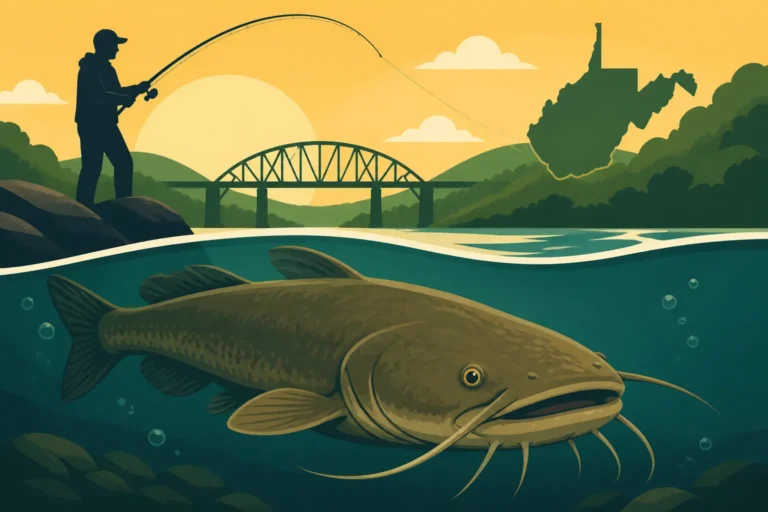
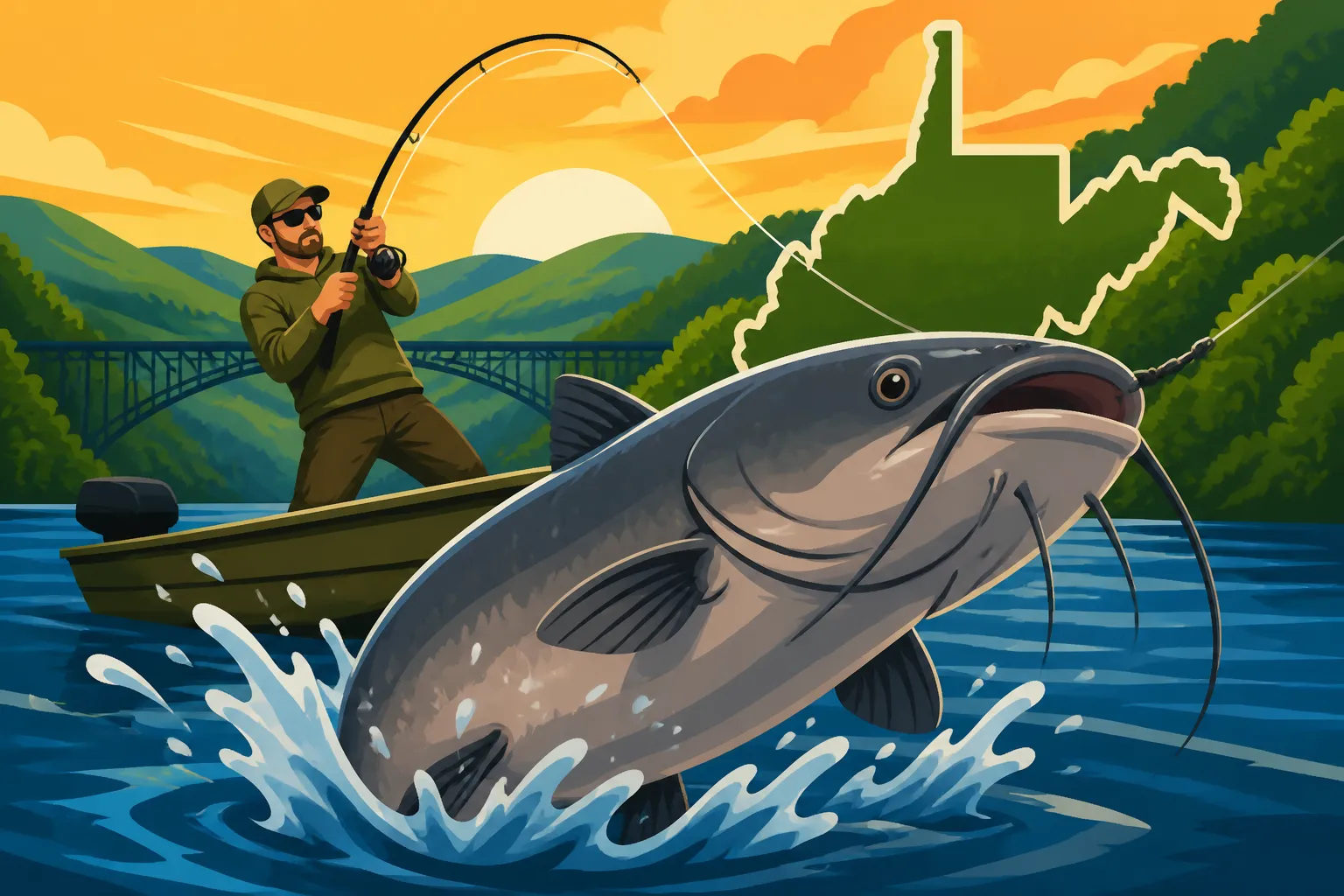
If you're looking for a true monster, the flathead catfish is your target. These brutes are distinct from channel cats, with a noticeably flattened head, a lower jaw that protrudes past the upper, and a rounded, unforked tail. Unlike the omnivorous channel cat, flatheads are voracious predators, almost exclusively feeding on live fish, crayfish, and other aquatic creatures. They prefer deep, slow-moving water with plenty of cover, such as submerged timber, rock piles, or undercut banks, often lurking in ambush for unsuspecting prey. The Ohio River and Kanawha River are legendary for their flathead populations, with fish commonly exceeding 30 pounds and reaching truly colossal sizes. Landing a big flathead is a test of strength and patience, as they are known for their incredibly powerful, stubborn fights. For serious trophy hunters, learning about Flathead Catfish in the Ohio River is essential.
Blue Catfish: A Growing Presence
While not as historically prevalent as channel and flathead catfish in West Virginia, blue catfish are an emerging species, particularly in the lower reaches of the Ohio River and potentially in the larger impoundments. Blue cats are characterized by their slate-blue coloration, a humped back, and a deeply forked tail, similar to a channel cat but without the spots. They are the largest catfish species in North America, with individuals capable of growing to immense sizes – well over 100 pounds in other states. Blue cats are also predatory, feeding on a wide array of fish and invertebrates. Their presence adds another exciting dimension to catfishing in West Virginia, offering the potential for new state records and truly epic battles. As their populations grow, anglers may find more opportunities to target these magnificent fish.
Essential Gear for Your West Virginia Catfish Adventure
You don't need to break the bank to go catfishing, but having the right gear can make all the difference in your success and enjoyment. From robust rods to reliable hooks, equipping yourself properly ensures you're ready for whatever West Virginia's whiskered giants throw at you.
Rods, Reels, and Line: Building Your Foundation
For channel catfish, a medium-heavy to heavy action spinning or baitcasting rod, typically 7 to 9 feet long, is a great all-around choice. This length helps with casting heavier baits and offers good leverage for fighting fish. Pair it with a sturdy reel spooled with 15-30 pound monofilament or braided line. Braided line offers superior sensitivity and strength for its diameter, which can be a huge advantage when fishing in current or around snags.
When targeting trophy flatheads or blue cats, you'll need to step up your game. Look for heavy to extra-heavy action rods, often 8 to 10 feet long, capable of handling significant weight and absorbing powerful runs. Baitcasting reels are often preferred for this heavier tackle, spooled with 50-80 pound braided line, or even heavier for truly massive fish in snag-infested waters. Don't skimp on line quality – a lost fish due to cheap line is a tough lesson. You can find a good selection of durable rods and reels suitable for catfish on Amazon.
Hooks, Sinkers, and Rigs: The Business End
The right terminal tackle is crucial. For channel catfish, circle hooks ranging from 1/0 to 5/0 are popular, as they tend to hook fish in the corner of the mouth, making for easier release and less gut-hooking. Kahle hooks and J-hooks are also widely used. For flatheads, go bigger, with circle hooks from 7/0 up to 10/0 or even larger when using substantial live bait.
Sinkers vary depending on current and depth. Pyramid sinkers, no-roll sinkers, and flat-sided bank sinkers are common choices, ranging from 1/2 ounce up to 6 ounces or more in heavy current. The most common rig for bottom fishing is the "Carolina Rig" or "slip sinker rig," which allows the line to pass freely through the sinker, letting the fish pick up the bait without feeling immediate resistance. Another effective rig is the "Santee Cooper Rig," which uses a small float a few inches above the hook to keep the bait suspended just off the bottom, preventing it from getting buried in muck. These components are readily available through retailers like Amazon.
Accessories for Comfort and Convenience
Beyond the basics, a few accessories can make your catfishing experience much more enjoyable and efficient. A sturdy rod holder is essential for bank fishing, allowing you to set multiple rods and wait for a bite without constantly holding them. A good headlamp or lantern is critical for night fishing, as are bug spray and a comfortable chair. Pliers for hook removal, a robust cutting board, and a sharp fillet knife are indispensable if you plan to keep your catch. And of course, a reliable cooler is a must for keeping your catch fresh or your drinks cold. Considering the diverse weather in West Virginia, reliable rain gear is also a smart investment for any serious angler. Don't forget a first-aid kit, just in case.
Mastering Catfishing Techniques in West Virginia
Catfishing might seem simple on the surface, but there are several tried-and-true techniques that consistently put fish on the bank or in the boat. Understanding these methods and knowing when and where to apply them will greatly increase your success rate in West Virginia waters.
Bottom Fishing: The Classic Approach
Bottom fishing is perhaps the most popular and effective method for catching catfish, especially channel and flathead cats, which spend much of their time near the riverbed or lake bottom. This technique involves casting your bait (often a weighty one) out into the desired area and letting it settle on the bottom. Using a slip sinker rig, the weight anchors your bait while allowing the line to slide freely through, letting a biting fish pull the bait without feeling the weight's resistance. This prevents the fish from dropping the bait too soon. Once your bait is out, position your rod in a sturdy holder and watch for subtle taps or aggressive bends in the rod tip. Patience is key with bottom fishing; sometimes it takes a while for a cruising catfish to find your offering. For specific guidance on river fishing, consult Bottom Fishing for Catfish in West Virginia Rivers.
Set Lines and Jug Fishing: Passive but Productive
For those looking to cover more water or fish multiple baits simultaneously, set lines and jug fishing are popular, albeit regulated, techniques. Set lines (trotlines or limb lines) involve setting multiple baited hooks along a main line anchored between two points or tied to a tree limb. Jug fishing uses individual lines tied to floating jugs or bottles, allowing baits to drift with the current. Both methods are incredibly effective for targeting large catfish, particularly flatheads and blues, as they can present baits over a wide area and in locations difficult to reach with traditional casting.
However, these methods come with strict regulations in West Virginia regarding the number of hooks, identification requirements, and specific waters where they are permitted. Always check the current West Virginia Fishing Regulations Explained before deploying any set lines or jugs to avoid penalties. Misunderstanding these rules can quickly turn a fun outing into a frustrating one with a conservation officer.
Night Fishing for Nocturnal Giants
Catfish, especially flatheads and larger channel cats, are primarily nocturnal predators. Their excellent sense of smell and touch (via their whiskers) allows them to hunt effectively in low light conditions. This makes night fishing an incredibly productive strategy, particularly during the warmer months when daytime temperatures might send fish to deeper, cooler water. When fishing at night, focus on the same types of structure you would during the day: deep holes, submerged logs, and current breaks. The darkness provides an added layer of challenge and excitement, but also requires extra safety precautions. Always bring plenty of light sources, be aware of your surroundings, and ideally, fish with a buddy. Night Fishing Techniques for West Virginia Lakes provides excellent, detailed guidance on this exciting method.
Baiting Your Hook: What West Virginia Catfish Crave
The age-old question for any angler: "What's the best bait?" When it comes to West Virginia catfish, the answer often depends on the species you're targeting, the time of year, and local preferences. However, there are some undeniable favorites that consistently produce results.
Natural Baits: The Tried and True
For channel catfish, almost anything smelly and organic can work. Cut bait, particularly fresh shad, sunfish, or even chicken liver, is a perennial favorite. The oil and scent it releases into the water are irresistible to cruising channel cats. Worms, especially nightcrawlers, are also incredibly effective, particularly in ponds and smaller streams. Many anglers also swear by shrimp, either fresh or slightly aged to enhance its odor. One classic, readily available bait is hot dogs, which can be surprisingly effective for smaller to medium channel cats. For specific tips on what to use, Best Bait for Channel Catfish in Summer is a great resource.
Flathead catfish, being predators, strongly prefer live bait. Small to medium-sized live sunfish (bluegill, green sunfish, rock bass), suckers, or creek chubs are ideal. They need to be lively on the hook to attract a flathead's attention. Hook them through the back or lips to keep them active. Presentation is key with live bait; you want it to look as natural as possible. Blue catfish, like flatheads, also respond very well to live bait, but will also readily take large chunks of fresh cut bait, especially oily fish like shad or skipjack herring.
Prepared Baits: Attracting Them from Afar
Beyond natural offerings, there's a huge market for prepared catfish baits, often called "stink baits" or "dough baits." These concoctions are designed to be extremely pungent and are often infused with strong scents like cheese, blood, or decaying baitfish. They typically come in jars or tubs and are applied to a treble hook or a bait holder. While less effective for trophy flatheads, these baits can be incredibly successful for channel catfish, especially in slow-moving water or lakes where the scent can disperse widely. Popular brands are often available at local bait shops and big retailers like Amazon. Some anglers even create their own homemade variations, adding secret ingredients to create their ultimate catfish attractor.
Navigating West Virginia Catfish Regulations and Conservation
Before you even think about casting a line for catfish in West Virginia, it's absolutely crucial to understand and adhere to the state's fishing regulations. These rules are in place for a reason: to ensure healthy fish populations for future generations and to provide a fair and enjoyable experience for all anglers. Ignorance of the law is not an excuse, and penalties for violations can be significant. A great starting point for any angler is always the annual West Virginia Fishing Regulations Explained summary provided by the DNR.
Understanding Daily and Possession Limits
Like most game fish, West Virginia imposes daily creel limits and possession limits on catfish species. These limits dictate how many fish of a particular species you can keep in a single day, and how many you can have in your possession (including those at home) at any given time. For instance, channel catfish often have a generous daily limit, while flathead and blue catfish limits might be more restrictive, especially for larger fish, to protect trophy potential. It's not uncommon for different species to have different limits, and these can even vary by specific water bodies. Always consult the official West Virginia fishing regulations booklet for the most current information on West Virginia Bag and Possession Limits by Species. These limits are subject to change, so checking annually is a must.
Special Rules for Specific Waters and Methods
Beyond general statewide limits, certain rivers or lakes might have special regulations pertaining specifically to catfish. This could include length limits (minimum or slot limits), special gear restrictions, or even seasonal closures for certain species. For example, some stretches of river might have different rules for jug fishing or trotlines compared to others. The Ohio River, being a border water, also has agreements with neighboring states that can influence regulations. It's also worth noting that non-conventional fishing methods like bowfishing might have specific rules for catfish, including which species can be taken and during what times. If you're planning to use a method other than traditional rod and reel, or if you're fishing a unique body of water, always double-check the special regulations section in the fishing guide.
Practicing Responsible Catfishing
Responsible angling goes beyond just following the rules; it's about ethical behavior and conservation. If you're practicing catch and release, especially with larger flatheads or blue cats, handle them with care. Support their body weight, minimize their time out of the water, and use proper tools like large nets designed for big fish. Consider using circle hooks, which greatly reduce gut-hooking. If you're keeping fish for the table, only take what you need and what is legally permitted. Dispose of all trash properly – don't leave bait containers, old line, or food wrappers behind. Also, be respectful of other anglers and private landowners. By practicing good stewardship, we ensure that West Virginia's fantastic catfishing opportunities remain for generations to come. For any licensing questions or to find local vendors, the West Virginia DNR license agent list can be very helpful.
Beyond the Catch: Cleaning, Cooking, and Enjoying Your Harvest
For many, the ultimate reward of a successful catfishing trip isn't just the fight, but the feast that follows. Catfish are renowned for their delicious, mild-flavored white meat, and preparing them for the table is a straightforward process that anyone can master.
From Water to Table: Cleaning Your Catch
Cleaning a catfish is a bit different from cleaning a scaled fish, as they have tough, scaleless skin. The most common method involves skinning the fish. First, you'll need a sharp knife and, ideally, a sturdy cleaning board. Start by making a cut just behind the head, down to the backbone, but don't cut through it. Then, using pliers or a skinning tool, grab the skin at the corner of your cut and peel it down towards the tail. It can be a bit tricky at first, but with practice, you'll get the hang of it. Once skinned, you can fillet the meat off the bones, or simply cut the fish into steaks or chunks if it's a smaller fish. Remove any dark red meat along the lateral line, as this can have a stronger, fishier taste. Remember to properly dispose of the entrails and carcass according to local regulations, often by burying them or bagging them for trash collection. A good fillet knife for cleaning trout can often double as a decent knife for smaller catfish.
Simple and Delicious Catfish Recipes
Once you have your clean catfish fillets or steaks, the culinary possibilities are endless! One of the most classic and beloved ways to prepare catfish is fried. A simple cornmeal breading, seasoned with salt, pepper, garlic powder, and paprika, creates a crispy, golden-brown crust that perfectly complements the flaky white meat. Fry them in hot oil until golden brown and cooked through. Serve with hushpuppies, coleslaw, and a squeeze of lemon for a true Southern-style meal.
For a healthier option, catfish can be baked or grilled. Marinate fillets in a mixture of lemon juice, olive oil, and herbs, then bake at around 400°F (200°C) or grill over medium heat until opaque and flaky. Blackened catfish, with its spicy crust, is another fantastic choice for those who enjoy a bit of heat. Don't be afraid to experiment with different seasonings and cooking methods; catfish is incredibly versatile and delicious in many preparations. A Best Cooler for a Fishing Boat will help ensure your catch stays fresh from the water to the kitchen.
| Catfish Species | Typical Size Range (WV) | Preferred Habitat | Primary Diet | Best Baits |
|---|---|---|---|---|
| Channel Catfish | 1-10 lbs (up to 20+ lbs) | Rivers (moderate current), Lakes, Ponds | Omnivorous | Cut bait, chicken liver, worms, prepared baits |
| Flathead Catfish | 5-50+ lbs | Deep rivers (snags, timber) | Live fish, crayfish | Live sunfish, suckers, chubs |
| Blue Catfish | 10-100+ lbs | Large rivers (deeper channels) | Fish, invertebrates | Live fish, fresh cut bait (shad) |
Disclaimer
This article is for general informational purposes only and does not constitute professional advice. Laws, prices and regulations vary by location and change over time. Consult a qualified professional for guidance on your specific situation.