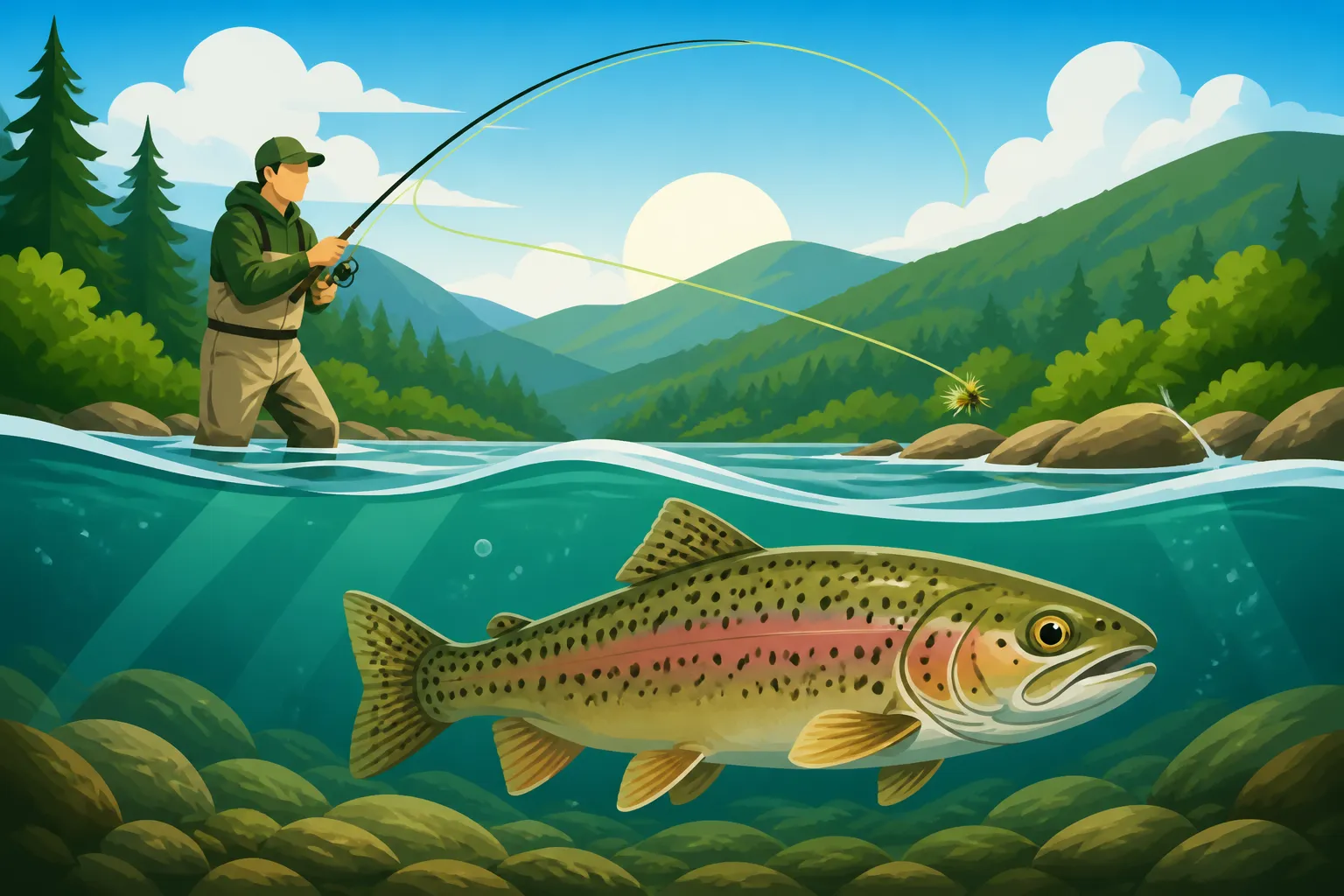
How to catch holdover trout in West Virginia
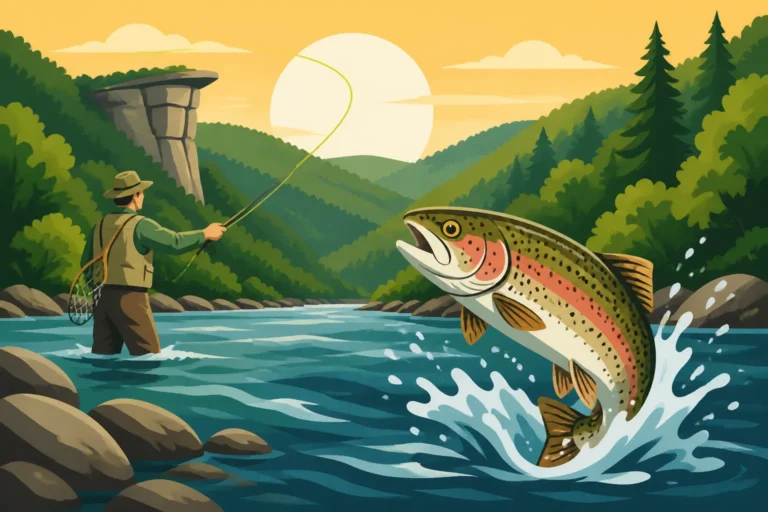
Trying to catch trout in West Virginia can sometimes feel like a tale of two different fish: the eager, freshly stocked beauties and the wily, elusive "holdovers." If you've ever cast your line into a stream days or weeks after a stocking truck has left, only to find the fish suddenly nowhere to be found, you're not alone. Those easy catches are often gone, and what's left are the survivors – the smarter, more cautious trout that have figured out a thing or two about staying alive. This guide is all about equipping you with the knowledge and tactics to outsmart these educated fish, turning those frustrating blank days into rewarding experiences as you connect with West Virginia's truly resilient trout.
Understanding West Virginia's Holdover Trout
Before we can even think about what lure to tie on, we need to get inside the head of a holdover trout. These aren't your typical hatchery-raised, pellet-fed fish anymore. They've earned their stripes, adapted to the wild, and become incredibly adept at avoiding capture. It's a whole different ballgame, and recognizing that is the first step to success.
What Exactly is a Holdover Trout?
A holdover trout, simply put, is a trout that has survived the initial onslaught of anglers right after a stocking event and has continued to live in the stream or lake for an extended period, often through an entire season or even multiple years. Unlike their newly stocked brethren, who might be a bit disoriented and less wary, these fish have learned from experience. They've seen countless lures, smelled human scent, heard footsteps on the bank, and witnessed their less fortunate friends get caught. They've shifted from a "hatchery diet" to a "wild diet," keying in on natural insects, crustaceans, and small baitfish that are present in their environment.
Think of it this way: a freshly stocked trout is like a kid in a candy store, often eager to snatch at anything that looks remotely edible. A holdover trout, however, is like a seasoned chef, meticulously inspecting every ingredient before taking a bite. This shift in behavior makes them significantly harder to catch, but also far more rewarding. Understanding What a holdover trout is is crucial because it dictates a completely different approach to fishing.
Where Do Holdovers Live?
Holdover trout aren't just hiding; they're strategically positioned. They seek out prime real estate in a stream or lake that offers three critical things: safety, food, and cold water. This often means they've moved away from the easily accessible, open pools where new stock might initially concentrate.
You'll find them hunkered down in deeper pools, especially those with significant structure like large boulders, submerged logs, or undercut banks. These features provide cover from predators (both avian and human) and a refuge from strong currents. They also love current seams, which are the transition zones between fast and slow water. These spots act like natural conveyor belts, delivering food directly to their mouths with minimal effort, while the slower water offers a place to rest.
Cold water refuges are paramount, particularly as warmer weather sets in. This might be at the mouth of a cold tributary, around springs, or in the deepest parts of reservoirs. In rivers like the Elk or Cranberry, you'll find them in the deepest runs and behind large obstructions. In lakes, they'll often suspend in the cooler thermocline or near submerged structure. Identifying these nuanced habitats is key to even locating these fish. If you're just casting into open water, you're likely missing the best opportunities.
The Mindset of a Wary Fish
This is where the real challenge—and the fun—begins. Holdover trout are, by definition, survivors. Their wariness isn't just a slight apprehension; it's a finely honed instinct for self-preservation. They are incredibly sensitive to vibrations, shadows, unnatural movements, and sudden changes in their environment.
Imagine you're stalking a deer in the woods. Every step, every rustle, every glint of sun off your gear could spook it. It's much the same with a holdover trout. A heavy footfall on the bank, a casting shadow across their lie, or a brightly colored line spashing down too close can send them darting for cover, often not to reappear for a significant amount of time. They become highly selective feeders, too. If your bait or lure doesn't look, move, or even smell natural, they'll simply ignore it. They've seen every trick in the book, or so it seems. This selective feeding means they often key in on very specific insects or forage, and if your presentation isn't a close match, they won't bite. This is a far cry from the uneducated trout that will hit almost anything shiny on opening day.
Essential Techniques for Targeting Holdovers
Now that we understand the nature of the beast, it's time to talk strategy. Catching holdover trout requires a shift in tactics, moving away from aggressive presentations and towards a more subtle, patient approach. Think "less is more" and "finesse over force."
Finesse Presentations with Light Tackle
When you're dealing with educated trout, brute force won't cut it. You need to become a master of subtlety. This means scaling down your gear significantly. Ditch the heavy lines and large lures you might use for bass or muskie. For holdovers, your goal is to present your bait or lure as naturally and inconspicuously as possible.
Opt for lighter rods, often in the ultralight to light power range, paired with small spinning reels. The real game-changer is your line. Using monofilament or fluorocarbon main lines in the 2-4 pound test range is often necessary. Even more critical is your leader or tippet. A long, thin fluorocarbon leader, like 4x or 5x, will be practically invisible in the water, giving you a huge advantage. Trout have excellent eyesight, and thick, brightly colored lines are a dead giveaway. You might want to refer to guidance on Best tippet size for stocked trout to understand the general principles, but always be prepared to go even lighter for holdovers.
Delicate casting is also paramount. You're not trying to throw a mile; you're trying to place your offering gently and precisely where the fish are holding, often with minimal splash. Overhand casts might be too aggressive; sometimes roll casts, sidearm casts, or even dapping techniques are more effective to keep your shadow and line off the water for as long as possible. The less disturbance you create, the higher your chances of fooling one of these wary fish.
Matching the Hatch (or the Menu)
Holdover trout, having acclimated to a natural diet, are far more selective about what they eat. They are no longer simply "hungry"; they're looking for specific food items they recognize. This means you need to pay close attention to what's naturally available in the water.
- Natural Baits: Live worms, small crickets, or even tiny minnows (where legal and appropriate) can be incredibly effective. Present them on a small, sharp hook (size 10-14 is common) with minimal weight, allowing them to drift naturally with the current. This "less is more" approach mimics what trout are already feeding on.
- Realistic Artificials: If you prefer lures, think small and subtle. Tiny inline spinners (like Panther Martins or Mepps, often size #0 or #1), very small spoons (like Kastmasters or Phoebe spoons), and micro-jigs tipped with a small piece of natural bait or a scented artificial can work wonders. The key is to match the size, profile, and sometimes even the color of the local forage. For instance, if you see lots of sculpins, a small, olive-colored jig might be perfect.
- Fly Fishing: This is often the most effective method for truly educated holdovers. Matching the "hatch"—the prevalent aquatic insect emergence—is critical. If caddis are flying, a small caddis dry fly might entice a rise. If there are no insects on the surface, go subsurface with nymphs (like Pheasant Tails, Hare's Ears, or Copper Johns) or small streamers. Understanding Fly Patterns for West Virginia Trout Streams can give you a great starting point for local insect imitations. Observing the water for rising fish, or even turning over a few rocks to see what nymphs are clinging to them, provides invaluable clues to what the trout are eating.
This isn't like Best bait for opening day trout in West Virginia where a bright powerbait might guarantee a bite; for holdovers, precision and imitation are key.
Reading the Water for Hidden Gems
Holdover trout are masters of camouflage and position. They're not going to be sitting out in the middle of a wide, open pool unless it's a very deep, slow-moving section with plenty of overhead cover. Instead, they’ll be tucked away in places that offer them comfort and security.
Learning to "read the water" is perhaps the most important skill for a holdover hunter. Look for:
- Deep Pools and Runs: These provide thermal refuge and a sense of security. Trout will often be near the bottom, especially during bright, sunny days.
- Undercut Banks: These are prime hiding spots, offering shade, cover from predators, and a direct feeding lane from the current overhead. Fish your offering right along the edge of the bank.
- Submerged Structure: Logs, boulders, rock piles, and root wads create current breaks and ambush points. Cast upstream of the structure and let your lure or bait drift naturally past it.
- Current Seams and Eddies: As mentioned, these are food delivery zones. The slower water of an eddy behind a rock, or the seam where fast water meets slow, can hold multiple fish waiting for an easy meal.
- Shady Areas: Especially important during warmer months, shaded sections of the stream or lake will hold cooler water and provide relief from direct sunlight.
Don't just cast blindly. Take your time. Observe the water from a distance before you even approach. Look for subtle movements, a flash, or even just a ripple that indicates a fish might be present. These hidden gems are often ignored by less patient anglers, which is exactly why holdovers thrive there.
Advanced Strategies for the Savvy Angler
Once you've mastered the basics of finesse and water reading, you can start to incorporate more advanced strategies to really dial in your holdover success. These techniques focus on minimizing your presence and maximizing the appeal of your offering.
The Art of Stealth and Approach
This cannot be stressed enough: holdover trout are paranoid. They survived by being suspicious. Every move you make, every sound, and every shadow you cast can mean the difference between hooking a fish and sending it bolting.
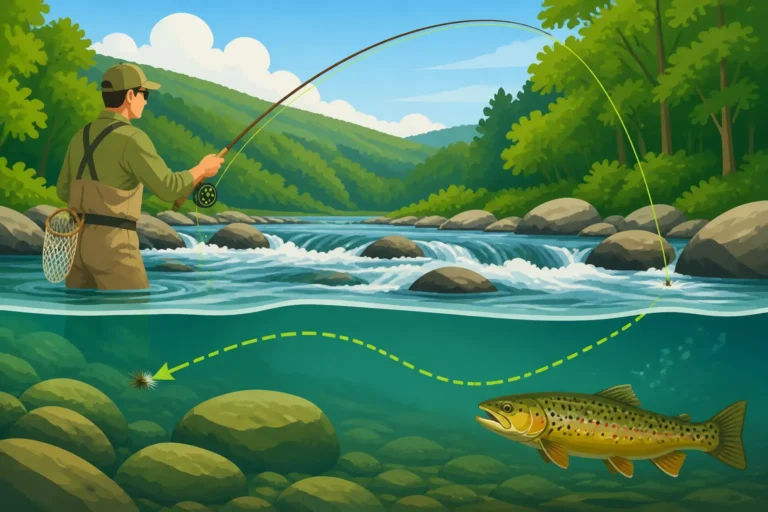
- Approach from Downstream/Downwind: Always try to approach a stretch of water from downstream, casting upstream. This puts you behind the fish's natural line of sight and prevents them from seeing you or sensing your vibrations. Similarly, stay downwind if possible, as strong winds can carry your scent or sound.
- Low Profile: Get low! Crouch, kneel, or even crawl when you're getting into position. Standing tall on the bank silhouetted against the sky is an instant red flag for a wary trout. Think like a hunter, blending into your surroundings.
- Shadow Management: Be acutely aware of your shadow. On sunny days, your shadow falling across the water or, worse, directly onto a trout's lie, will send them scattering. Try to keep the sun in front of you or to your side.
- Slow and Deliberate Movements: Avoid sudden, jerky movements. Walk slowly, place your feet carefully, and make your casting motions fluid and controlled. This minimizes vibrations through the bank and water.
- Quiet Footsteps: If you're wading, shuffle your feet rather than stomping. If you're bank fishing, be mindful of crunching leaves or dislodging rocks. These subtle noises travel surprisingly well through water.
- Waders and Boots: Having good Best Waders for West Virginia Trout Streams and wading boots can help with quiet movement in the water, allowing you to access spots without disturbing the fish.
Developing this "trout ninja" mentality takes practice, but it's incredibly effective. The goal is to make your presence as minimal as possible, allowing the trout to focus solely on your presentation.
Effective Lure and Bait Choices
While we've touched on matching the hatch, let's dive a little deeper into specific lures and baits that consistently fool holdovers. Remember, presentation is just as important as the choice itself.
- Small Inline Spinners: Brands like Mepps (Aglia or Black Fury), Panther Martin, and Roostertail in sizes #0 to #1/8 oz are fantastic. Colors like black, brown, olive, or even silver can work, depending on water clarity and available forage. Work them slowly, just fast enough to get the blade spinning, especially in slower currents or deep pools. You can find a huge selection of these on Amazon.
- Tiny Spoons: Little Cleos, Kastmasters, and Phoebe spoons in sizes 1/8 oz or smaller are excellent. The erratic wobble of a spoon often mimics a wounded baitfish. Gold, silver, or patterns with a touch of red or orange can be very effective. Try a slow retrieve with occasional pauses, allowing the spoon to flutter.
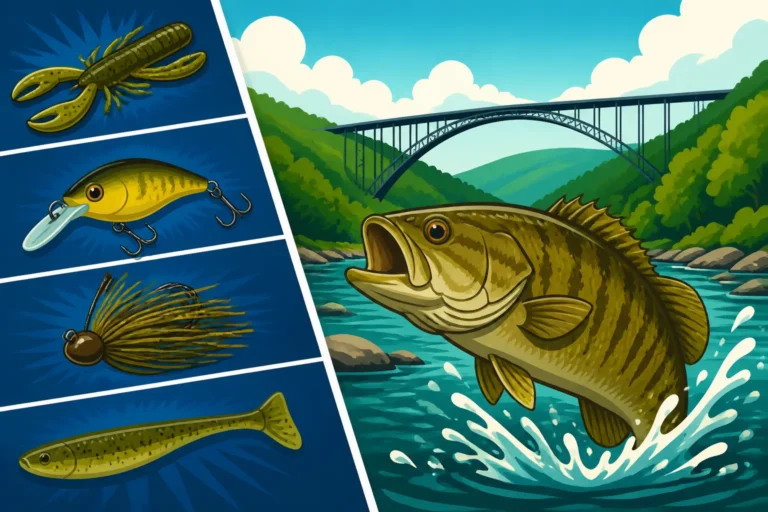
- Micro Jigs and Soft Plastics: Small marabou jigs (1/32 oz to 1/16 oz) in subtle colors like olive, black, white, or brown can be deadly. Tip them with a small piece of worm, a Berkley Gulp! Alive! grub, or a PowerBait egg. For a truly natural look, small soft plastic grubs or finesse worms (1-2 inches) can be fished on tiny jig heads. The subtle action of these baits can be irresistible. Again, Amazon is a great place to explore the vast array of micro jigs and soft plastics available.
- Natural Bait (Enhanced): While live worms are classic, consider enhancing them. Rig a small piece of worm on a tiny jig head, or use a worm under a small float for a truly natural drift. Scented baits like PowerBait, particularly in subtle, natural colors (mottled brown, natural trout, or even clear with glitter), can sometimes tempt a picky holdover, especially if fished on a tiny treble hook or small single hook, allowing it to free-drift or slowly roll on the bottom.
The key with any lure or bait for holdovers is realistic action and subtle presentation. Avoid overly flashy or noisy lures unless the water is very turbid.
Fly Fishing for Educated Trout
For many seasoned anglers, fly fishing is the ultimate method for holdover trout, offering unparalleled finesse and the ability to mimic natural food sources precisely.
- Nymphing: This is often the most productive method for subsurface feeding trout. Using a strike indicator, drift small nymph patterns (like Pheasant Tail Nymphs, Hare's Ear Nymphs, Prince Nymphs, or Copper Johns in sizes #16-22) along the bottom. Proper weight and indicator placement are crucial to get a natural, drag-free drift. Euro nymphing techniques, which allow for direct contact and precise depth control, are particularly effective for probing deep lies.
- Dry-Dropper Rigs: When a few insects are hatching, but fish aren't consistently rising, a dry-dropper rig can be deadly. A larger, buoyant dry fly (like a Stimulator or Chubby Chernobyl) acts as your indicator, with a smaller nymph or emerger tied off the bend of the hook, fishing subsurface. This covers two water columns simultaneously.
- Small Streamers: While not always the first choice for highly selective holdovers, a small, subtle streamer (like a Woolly Bugger in black, olive, or brown, or a small sculpin imitation) can trigger an aggressive strike from a larger holdover, particularly on overcast days or in slightly off-color water. Knowing How to fish a wooly bugger for trout effectively can make a big difference. Strip them slowly along structure or through deep pools.
- Matching the Hatch (again!): Pay extreme attention to rising fish and emerging insects. If you see tiny midges, use tiny midge patterns. If larger stoneflies are present, use stonefly nymphs. A good selection of flies, perhaps stored in a quality fly box you might find on Amazon, can be a game changer. The closer your imitation is to the real thing, the better your chances.
Fly fishing demands precision and a deep understanding of entomology and trout behavior, making it a truly rewarding way to connect with West Virginia's most challenging trout.
Seasonal Considerations and Best Practices
Holdover trout are present year-round, but their behavior and where you find them can shift dramatically with the seasons. Adapting your approach to these seasonal changes is another layer of strategy that will elevate your success.
Year-Round Potential
While spring often sees the most activity due to frequent stockings, holdovers are truly a year-round target. The challenge, and the reward, simply change.
- Spring: Post-stocking, holdovers are still recovering from winter and are generally more active. The water temperatures are ideal, and insect hatches are becoming more frequent. This is a great time for both nymphing and dry fly fishing.
- Summer: This can be the toughest time, especially in lower-elevation streams. Trout need cold water, so holdovers will retreat to deep pools, spring-fed sections, tailwaters below dams, or the highest mountain streams where water stays cool. Fish early mornings, late evenings, or during overcast days. Light tackle, long leaders, and stealth are absolutely essential. This is when understanding Best time of year for trophy trout in West Virginia becomes crucial, as larger holdovers might be most active in specific, thermally stable areas.
- Fall: As water temperatures drop, holdovers become more active again, often feeding aggressively to put on weight for winter. Hatches can be prolific, and streamer fishing can also be very productive. Fall colors also provide excellent natural camouflage for anglers.
- Winter: Don't write off winter! While trout metabolism slows, they still need to feed. Focus on the deepest, slowest pools. Nymphing slowly and deliberately along the bottom can be very effective. Be mindful of ice conditions and always prioritize safety.
No matter the season, remember that the core principles of stealth, finesse, and natural presentation remain paramount for holdover trout.
Catch and Release for Future Generations
Successfully catching a holdover trout is a significant accomplishment. These fish represent the genetic resilience and adaptability of wild trout, and they are invaluable to the ecosystem and future angling opportunities. For this reason, practicing responsible catch and release is not just a good idea—it's essential.
- Minimize Fight Time: Use appropriate tackle to land the fish as quickly as possible without over-stressing it. Prolonged fights can exhaust a trout, making it harder for them to recover.
- Keep Them Wet: Avoid taking the fish out of the water completely. Even a few seconds of air exposure can cause significant damage to gills and protective slime coat.
- Wet Your Hands: Always wet your hands before touching a trout. Dry hands can remove the fish's protective slime layer, leaving it vulnerable to disease.
- Barbless Hooks: Crimp down the barbs on your hooks. Barbless hooks make removal much easier and quicker, reducing stress and injury to the fish. Many anglers dedicated to holdover fishing only use barbless hooks.
- Proper De-hooking: Use forceps or pliers to quickly remove the hook. If the fish is deeply hooked (which is less common with barbless hooks and appropriate techniques), cut the line as close to the hook as possible rather than tearing at the fish's insides.
- Revive Gently: If the fish seems sluggish, hold it gently in the current, facing upstream, allowing water to flow over its gills. Don't pump it back and forth; this can actually hinder oxygen intake. Only release it when it can swim away strongly on its own.
- Use a Proper Net: A rubber or knotless mesh landing net (like the Best Landing Net for Trout) can protect a trout's slime coat and fins much better than knotted nylon nets. You can find excellent options on Amazon.
By following these best practices, you ensure that these intelligent, adaptable holdover trout can continue to thrive, reproduce, and provide exciting challenges for anglers for years to come. Remember to always consult West Virginia catch and release rules for trout as well as general regulations before heading out.
Comparison: Fresh Stock vs. Holdover Trout Tactics
To really drive home the difference, here's a quick comparison of how you might approach freshly stocked trout versus wily holdovers:
| Feature/Tactic | Freshly Stocked Trout | Holdover Trout |
|---|---|---|
| Disposition | Less wary, often eager to bite, disoriented | Highly wary, selective, intelligent, survival-focused |
| Preferred Habitat | Often near stocking points, open pools, easy access | Deep pools, undercut banks, complex cover, cold water refuges |
| Line Strength | 4-6 lb test monofilament | 2-4 lb test fluorocarbon or thin mono; often with light tippet |
| Lure/Bait Size | Medium-sized (1/8 – 1/4 oz lures, larger PowerBait balls) | Small to micro (1/32 – 1/8 oz lures, tiny nymphs/worms) |
| Lure/Bait Colors | Often bright, flashy colors (chartreuse, orange) | Natural, subtle colors (olive, brown, black, silver) |
| Presentation Style | Can be more aggressive, faster retrieves, some splash okay | Finesse, slow, delicate, natural drift, minimal disturbance |
| Stealth Required | Minimal to moderate | Absolute maximum; low profile, quiet, shadow avoidance |
| Hook Type | Standard barbed hooks common | Barbless hooks strongly recommended |
| Catch & Release | Important, but often less critical for survival | Essential for preserving valuable fish |
| Season Best Time | Immediately after stocking | All seasons, but requires adaptation; often best in fall/spring |
Catching holdover trout in West Virginia is a journey that transforms you from a casual angler into a true student of the stream. It's a test of patience, observation, and skill, but the reward of outsmarting one of these intelligent, resilient fish is unparalleled. These are the fish that truly embody the wild spirit of West Virginia's waters. So, slow down, observe, lighten your tackle, and approach the water with the utmost respect. The next time you feel that subtle tug on your line after a delicate presentation, you'll know you've earned a truly special catch.
Disclaimer
This article is for general informational purposes only and does not constitute professional advice. Laws, prices and regulations vary by location and change over time. Consult a qualified professional for guidance on your specific situation.