How to fish a swimbait for big smallmouth
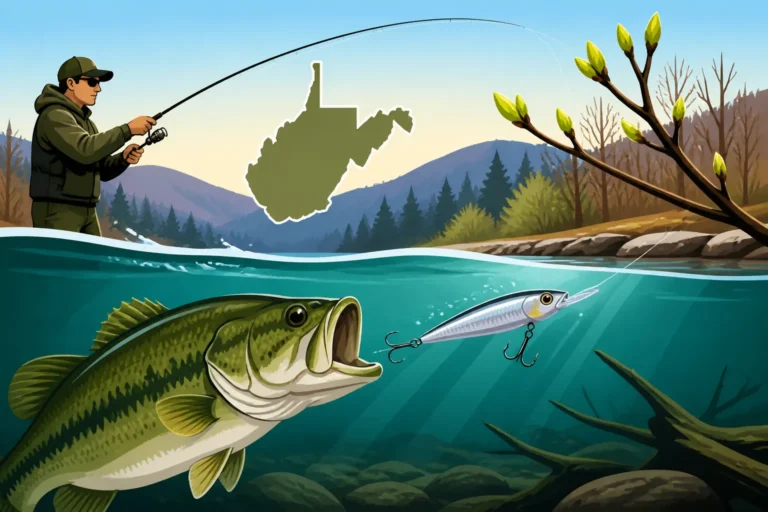
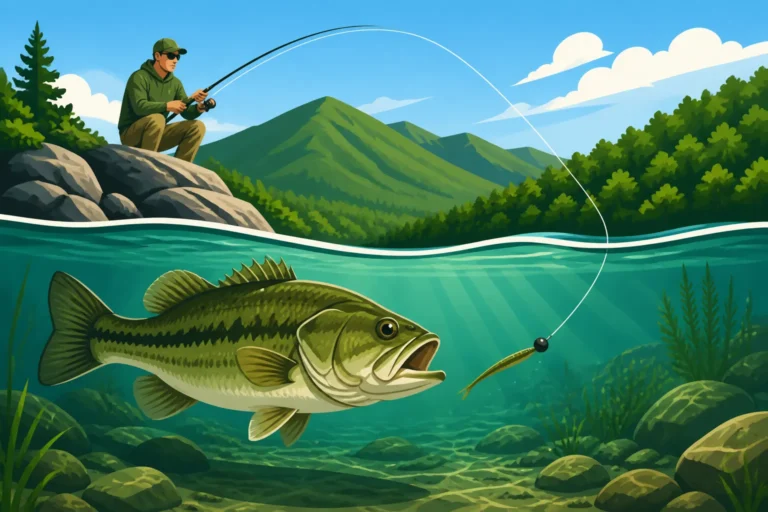
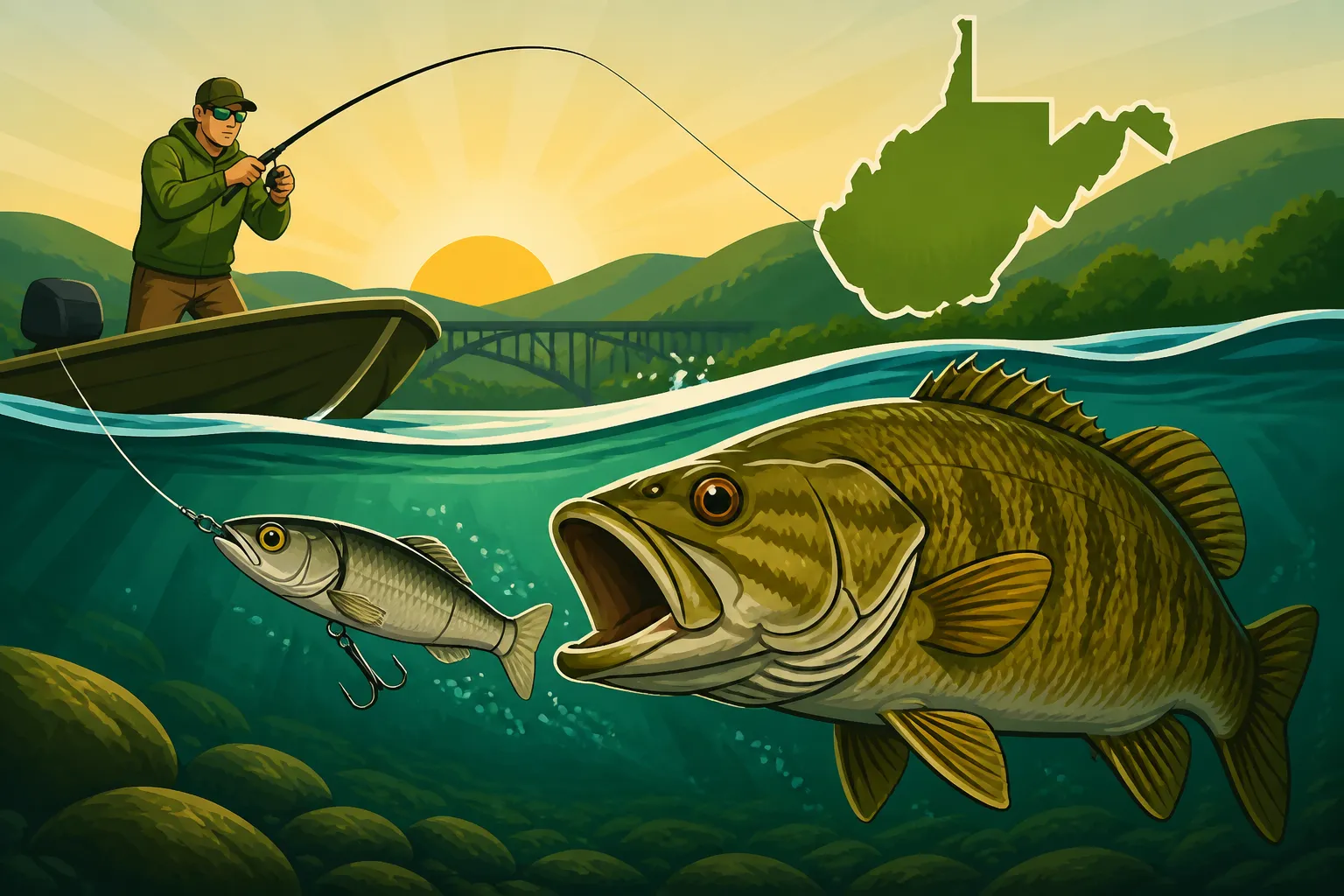
For anglers chasing that truly exceptional smallmouth bass in West Virginia, you know the feeling. You've tried everything in your tackle box – the tubes, the jigs, the spinnerbaits – and while they catch fish, sometimes that real trophy just seems to ignore them. It can be frustrating to feel like you’re missing out on the biggest, most aggressive fish. This guide is all about changing that, showing you how to effectively fish swimbaits to specifically target and land those giant smallmouth that lurk in our mountain state's rivers and lakes.
Understanding Swimbait Appeal for West Virginia Smallmouth
When you think about trophy smallmouth, you're picturing a fish that has grown big by being smart and efficient. They aren't going to expend massive amounts of energy chasing down tiny morsels if a substantial meal is available. This is where swimbaits come into their own, offering a meal worth the effort for a truly big bronzeback.
Why Big Smallmouth Hunt Big Baits
Imagine yourself as a big smallmouth. You've survived countless seasons, outsmarted hundreds of anglers, and grown to an impressive size. Your metabolism demands more calories, and your instincts tell you to conserve energy. That tiny little grub? Not really worth the chase. But a larger, wounded-looking baitfish? That's a different story entirely. Big smallmouth are apex predators in their environment, and they know a good meal when they see one. They're often targeting larger prey like full-grown shiners, small suckers, juvenile panfish, or even smaller trout.
Swimbaits excel at mimicking these larger forage items, presenting a profile and action that screams "easy meal" to a wary, mature smallmouth. This is especially true in West Virginia's productive waters like the New River, where smallmouth can grow quite large. When you present a substantial swimbait, you're essentially filtering out the smaller, more aggressive fish and directly appealing to the bigger, often more territorial, smallmouth that are looking for a significant payoff for their strike. It's not just about size; it's about efficiency for the fish. They don't want to waste energy, so a bigger bait that offers a higher caloric reward is often preferred by the true giants of the river.
Types of Swimbaits and Their Action
The world of swimbaits is vast, but for West Virginia smallmouth, we can generally categorize them into a few key types, each with its own unique action and appeal. Understanding these differences is crucial for selecting the right bait for the conditions you're facing.
First, you have soft plastic paddle-tail swimbaits. These are probably the most common and versatile. They feature a soft plastic body with a paddle-shaped tail that kicks and thumps as it's retrieved, creating vibration and a natural swimming motion. Brands like Keitech or Strike King offer excellent options that come in various sizes and colors. Their action is usually very natural, mimicking a swimming baitfish, and they can be rigged in multiple ways. They are particularly effective when How to Fish a Spinnerbait for New River Smallmouth as they can be worked through cover.
Next are hard-bodied swimbaits, which can be single-jointed, multi-jointed, or even glide baits. These often have a more erratic or pronounced swimming action. Jointed swimbaits, with two or more segments, create a serpentine motion that can be irresistible. Glide baits, on the other hand, typically move in a wide, S-shaped glide when retrieved steadily or twitched. They excel at imitating larger, more sluggish baitfish or even a wounded one. The detail and finish on hard-bodied swimbaits can be incredibly realistic, sometimes with intricate paint jobs and lifelike eyes.
Then there are boot-tail or flipper-tail swimbaits, which have a more subtle tail action than a paddle tail, often creating a gentle wobble or flutter. These are sometimes chosen for clearer water or when fish are more pressured and a more understated presentation is required. Lastly, some swimbaits are designed with internal weights or harnesses, making them simpler to rig and cast, often providing a very stable swimming action right out of the package. Each type offers a different "look" in the water, and varying your choices based on fish mood and forage can make all the difference.
Essential Gear for Swimbait Fishing West Virginia Smallmouth
Successfully casting and working swimbaits, especially the larger ones, for big smallmouth requires a specific gear setup. You can’t just grab your ultralight panfish rod and expect to handle a 6-inch swimbait or a powerful smallmouth. Getting the right tools for the job will not only make your fishing more enjoyable but significantly increase your chances of success.
Rod, Reel, and Line Selection
When it comes to swimbait fishing for West Virginia's big smallmouth, your rod, reel, and line are a formidable team. For rods, think about something with a medium-heavy to heavy power rating. This provides the backbone needed to cast heavier swimbaits accurately and to drive hooks into a big smallmouth's tough mouth. A moderate-fast action is often preferred, offering enough tip flexibility for casting distance and absorbing head shakes, but quickly transitioning to power in the blank for control. Look for rods in the 7-foot to 7-foot 6-inch range. A longer rod aids in casting heavier baits and offers better line control, especially when fishing from a boat or kayak on big waters like Summersville Lake. Best Rod Length for New River Smallmouth Bass is a topic many anglers consider carefully when choosing gear.
For reels, a baitcasting reel is almost mandatory. It offers the power, casting control, and line capacity needed for swimbaits. A gear ratio in the 6.x:1 to 7.x:1 range is versatile, allowing for both slower, methodical retrieves and quicker pick-ups or burning the bait if needed. A smooth drag system is non-negotiable, as a big smallmouth on a swimbait can make powerful runs.
Line choice is critical. I usually opt for a braided main line in the 30-50 pound test range. Braid offers incredible sensitivity, zero stretch for solid hooksets, and excellent casting distance. However, smallmouth in clear West Virginia rivers can be line-shy, and braid is not very abrasion-resistant against rocks and timber. This is why a fluorocarbon leader is essential. A 15-25 pound test fluorocarbon leader, about 3-5 feet long, tied to your braid with a strong knot like an FG knot or an Albright knot, provides the necessary invisibility and abrasion resistance while retaining the benefits of braid. Best Fluorocarbon Leader for Clear River Water might offer more insights on leader material.
Hooks and Rigging Strategies
The right hook and rigging method are just as important as the swimbait itself. A poor hook choice can lead to lost fish, and improper rigging can kill the bait's action.
For soft plastic swimbaits, weighted swimbait hooks are incredibly popular. These are typically wide gap hooks with a small weight molded onto the shank, often near the eye. This weight helps the swimbait sink horizontally and maintain a natural swimming posture. The weight can vary from 1/8 oz up to 1/2 oz or more, depending on the size of your swimbait and the depth you want to fish. Many anglers prefer a screw-lock style keeper on the hook eye to securely hold the nose of the swimbait. This rigging is usually weedless, allowing you to fish through submerged grass, brush, and timber without constantly snagging – a huge advantage in many West Virginia spots.
Another option for soft plastic swimbaits is rigging them on a jig head. This is particularly effective when you want a faster sink rate or a more pronounced darting action on the fall. Ball head or Stand-Up style jig heads with a strong, sharp hook are ideal. Just make sure the hook gap is wide enough for the swimbait body to avoid impeding the hookset.
For hard-bodied swimbaits, they usually come pre-rigged with treble hooks. The key here is to ensure those trebles are sharp and strong enough to withstand the abuse of a big smallmouth. Many serious swimbait anglers will immediately upgrade the stock trebles to higher-quality, stronger, and sharper hooks. Some hard swimbaits are also "line-thru" designs, meaning the line passes through the bait and connects directly to a hook on a separate leader. This allows the bait to slide up the line during a fight, preventing the fish from using the bait as leverage to throw the hook. Whatever your swimbait choice, always check your hooks for sharpness and replace them if they're dull or bent.
Mastering Swimbait Presentation in West Virginia Waters
Once you’ve got your gear dialed in, it's time to talk about how to actually get those big smallmouth to eat your swimbait. It’s not just about casting it out there; it’s about understanding where they live and how to make that swimbait look as appetizing as possible.
Locating Trophy Smallmouth with Swimbaits
Finding big smallmouth with swimbaits often means looking for areas where these larger predators can ambush prey and where they feel secure. Think like a big fish: where would you hang out to eat easily and not become prey yourself? In West Virginia's rivers, like the New River, the South Branch Potomac, or the Greenbrier River, focus on deep current breaks. These are areas where fast water meets slower water, creating a seam. Big smallmouth will sit in the slower water, conserving energy, waiting for baitfish to drift by in the current. Casting your swimbait through these seams can be incredibly productive.
Submerged timber, large rock piles, and ledges also provide excellent cover and ambush points. Smallmouth love to relate to structure, and a large swimbait fished slowly along these features can draw strikes. Look for deeper pockets or eddies where the current swirls and baitfish might congregate. Main river channels and deep holes, especially those with rocky bottoms, are also prime real estate for trophy smallmouth. Even in lakes like Stonewall Jackson Lake or Bluestone Lake, focus on similar deep structure – drop-offs, humps, creek channels, and the edges of submerged vegetation. Pay attention to any current present in reservoirs, as even subtle flows can concentrate bait and predators. New River Smallmouth Bass Fishing offers specific locations where these tactics can pay off handsomely.
Retrieve Techniques for Different Swimbait Types
The magic of swimbait fishing is often in the retrieve. It's about bringing that bait to life and making it irresistible. The "best" retrieve isn't static; it changes with the conditions and the specific swimbait you're using.
For paddle-tail soft plastic swimbaits, a slow, steady retrieve is often a killer. This allows the paddle tail to kick and throb, sending out vibrations that imitate a natural swimming baitfish. Vary your retrieve speed. Sometimes a slow-roll, just fast enough to keep the tail thumping, is perfect, especially in colder water or when fish are lethargic. Other times, a slightly faster retrieve with a few short pauses can trigger a reaction strike, mimicking a fleeing baitfish. You can also experiment with a stop-and-go retrieve, letting the swimbait fall on slack line for a moment, which can often provoke a strike as it flutters down. This technique is particularly effective around deeper structure.
With hard-bodied swimbaits, especially jointed ones, a smooth, continuous retrieve will give them their intended S-shaped swimming action. Experiment with short twitches of the rod tip to add an erratic, wounded-baitfish flair. For glide baits, a slight pause or a subtle sweep of the rod tip can make the bait "glide" side-to-side, mimicking a dying fish. These subtle movements can often be the trigger for a hesitant smallmouth. The key is to pay attention to your bait. You should be able to feel the tail kicking or the body wiggling through your rod. If you don't feel that action, adjust your retrieve speed or technique. Remember, big smallmouth are observing; make your bait tell a convincing story.
Reading Water and Conditions for Swimbait Success
Becoming consistently successful with swimbaits in West Virginia means being adaptable. The Mountain State’s waters are incredibly dynamic, and what works one day might not work the next. This means learning to "read the water" and adjust your approach based on current conditions.
Water clarity is a huge factor. In clear water, such as many of our pristine mountain streams or tailwaters like the Elk River below the dam, smallmouth have excellent visibility. This calls for more natural colors – subtle greens, browns, and baitfish patterns like pearl or silver. Your retrieve should also be more natural and less erratic to avoid spooking wary fish. You might find success with a more stealthy presentation. How to Fish a Tailwater in West Virginia often details these nuances.
Conversely, in stained or muddy water, which can occur after heavy rains, visibility is low. Here, smallmouth rely more on vibration and profile. This is when brighter colors like chartreuse, orange, or even dark black can be highly effective, as they create a stronger silhouette. Swimbaits with a more aggressive tail kick or wider wobble will also create more vibration, helping fish find them in murky conditions. Don't be afraid to use a slightly faster retrieve in stained water, as the fish might not have as much time to inspect the bait.
Current speed in rivers is another major consideration. In fast current, you'll need a heavier weighted swimbait or jig head to get your bait down and keep it in the strike zone. A faster retrieve might be necessary to prevent the bait from washing out. In slower pools or lake settings, lighter weights and slower retrieves will often be more productive. Always adjust your retrieve to make your swimbait swim naturally with or against the current, depending on the desired action.
Finally, water temperature and time of year play a role. In colder water, smallmouth are often lethargic, so a slow, methodical retrieve is usually best. As water temperatures warm in spring and summer, fish become more active, and you can experiment with faster retrieves and more aggressive presentations. Pay attention to baitfish activity too; if you see schools of shad or shiners, try to match their size and color with your swimbait.
Advanced Tips and Troubleshooting for Swimbait Anglers
Swimbait fishing for big smallmouth can feel like an art form, but with a few advanced insights and troubleshooting strategies, you can really dial in your approach and overcome common challenges.
Adjusting to West Virginia's Varied Fisheries
West Virginia truly offers a diverse range of fishing environments, and a successful swimbait angler understands that a one-size-fits-all approach just doesn't cut it. For example, fishing a massive impoundment like Summersville Lake demands a different strategy than a swift, rocky river like the New River Gorge.
On large lakes, smallmouth often school up and relate to offshore structure. This might mean using your electronics to find deep humps, creek channels, or submerged timber where baitfish are congregating. Long casts with heavier swimbaits are often necessary to cover water and reach these fish. Trolling with certain hard-bodied swimbaits can also be incredibly effective for covering expansive areas and locating active fish in larger reservoirs. Think about how Best Sonar Settings for Finding Structure on Summersville Lake could help you pinpoint those honey holes.
Conversely, on our famous rivers, smallmouth are typically more spread out and relate closely to current breaks, eddies, and individual pieces of cover. Here, accuracy is key. You'll often be making shorter, more precise casts to specific targets like boulders, fallen trees, or current seams. Lighter weighted swimbaits that can be worked through rocky bottom without constant snagging become invaluable. Knowing How to Read New River Smallmouth Structure will give you a significant advantage. Adjusting your swimbait's weight and profile to match the predominant baitfish in that specific body of water is also critical. If the river is full of bluntnose minnows, choose a slimmer profile; if it's suckers, go thicker.
Common Swimbait Mistakes and How to Avoid Them
Even experienced anglers can fall into common traps when swimbait fishing. Being aware of these pitfalls can help you avoid frustration and improve your catch rate.
One of the biggest mistakes is using too light of gear. As we discussed, these are big baits for big fish. Trying to cast a 1 oz swimbait on a medium-action spinning rod meant for jigs is a recipe for disaster. You won't get good casting distance, your hooksets will be weak, and you'll put undue stress on your equipment. Invest in the appropriate medium-heavy baitcasting setup; it truly makes a world of difference.
Another common error is a lack of retrieve variation. It's easy to get into a robotic rhythm, but smallmouth, especially the larger, smarter ones, often respond best to changes in speed, direction, or depth. Don't be afraid to experiment with your retrieve. Speed up, slow down, twitch, pause, make it erratic. Think of your swimbait as a puppet, and you're making it dance. If you're not getting bites, change something!
Not matching the hatch – or at least the general profile of the local forage – is another mistake. While smallmouth are opportunistic, if they're keyed in on a specific baitfish, using a swimbait that mimics that prey in size, shape, and color can significantly increase your success. Spend some time observing the water for baitfish activity.
Finally, a lack of confidence or patience can hinder your results. Swimbait fishing for trophy smallmouth isn't always about high numbers; it's about targeting quality. You might go hours without a bite, but that single, violent strike from a monster smallmouth makes it all worth it. Stick with it, trust your presentation, and remember that big fish are often fewer and farther between. The adage "big bait, big fish" holds true for a reason, but it also requires perseverance.
| Swimbait Type | Typical Action | Ideal West Virginia Scenario | Pros | Cons |
|---|---|---|---|---|
| Soft Plastic Paddle-tail | Lifelike tail kick and vibration | Rivers & Lakes: All-around, versatile, through cover | Natural look, weedless options, wide color range | Can be torn by fish or snags, needs proper rigging |
| Hard-bodied Jointed | S-shaped, serpentine swimming | Lakes & Slower Rivers: Open water, clear to stained conditions | Highly realistic, strong visual appeal | Can be expensive, trebles can snag easily |
| Hard-bodied Glide Bait | Wide, side-to-side "glide" | Lakes & Slower Rivers: Targeting individual fish, ambush spots | Unique action, triggers reaction strikes | Requires specific rod work, limited depth |
| Boot-tail/Flipper-tail | Subtle wobble or flutter | Clearer Water: Finesse approach, pressured fish | Understated, natural presentation | Less vibration in stained water, subtle action |
How to Catch Smallmouth Bass in West Virginia Rivers will give you a broader view of techniques, but swimbaits are a specialized tool for targeting the largest smallmouth. Similarly, understanding West Virginia Black Bass Limits and the New River Slot Limit will help you plan your trips ethically and legally, especially when targeting trophy fish that often fall into special regulation categories. Remember, the goal with swimbaits isn't necessarily to catch dozens of fish, but to specifically target and entice those truly memorable smallmouth that are the pride of our West Virginia waters.
Disclaimer
This article is for general informational purposes only and does not constitute professional advice. Laws, prices and regulations vary by location and change over time. Consult a qualified professional for guidance on your specific situation.