Best leader for pike and muskie fishing
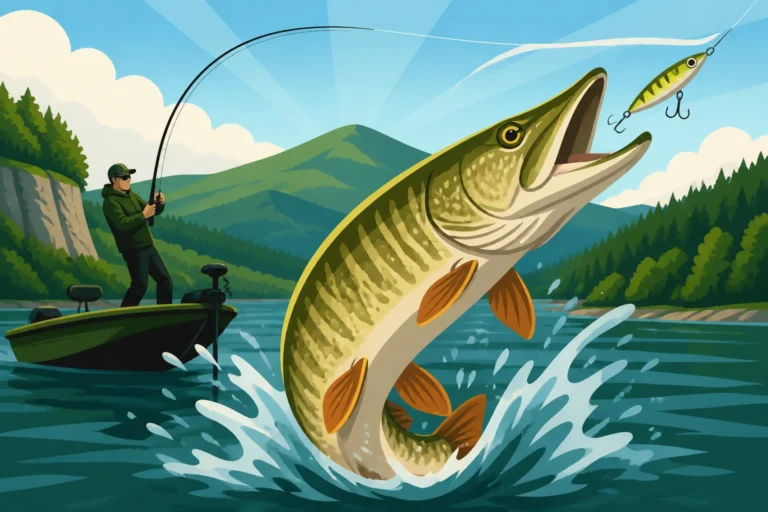
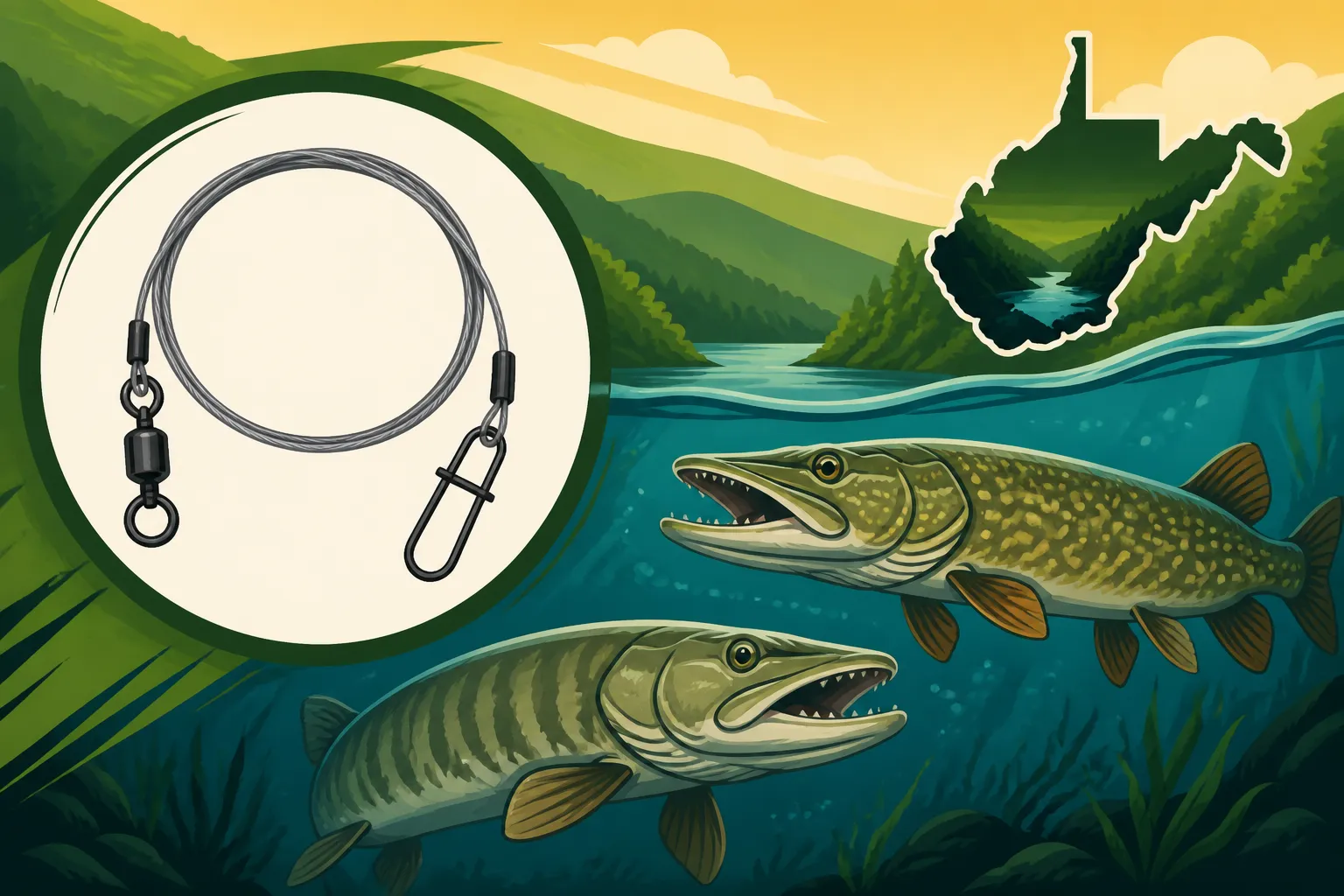
There are few things more disheartening in the world of West Virginia fishing than feeling that solid thump of a trophy pike or muskie, battling it for a few tense moments, only for your line to go slack—not because of a lost hook, but a clean bite-off. That gut-wrenching realization that their razor-sharp teeth severed your dreams can be incredibly frustrating. This guide is dedicated to ensuring that doesn't happen to you by diving deep into the world of fishing leaders specifically designed to stand up to these toothy predators, helping you land those monsters you've been chasing.
Why a Specialized Leader is Non-Negotiable for Pike and Muskie
Let's be real: trying to catch a muskie or pike on a standard monofilament or fluorocarbon main line is like trying to cut down a tree with a butter knife. It’s simply not going to work, and you're only setting yourself up for disappointment and lost lures. These fish, often called "fish of 10,000 casts" for muskie, are not just powerful; they possess a formidable dental arsenal designed to tear apart anything in their path. For serious anglers targeting these impressive creatures in West Virginia's rivers and lakes, a specialized leader isn't just a recommendation; it's an absolute necessity.
The Anatomy of a Bite-Off
To truly appreciate the need for a robust leader, it helps to understand what happens when a pike or muskie strikes. Imagine a miniature chainsaw in their mouth. Their jaws are lined with hundreds of needle-sharp teeth, often pointing inward, ensuring that once prey is grasped, it doesn't escape. When they clamp down, especially on a struggling lure or a fish on the end of your line, those teeth easily slice through conventional fishing lines. Monofilament, with its soft, pliable nature, stands no chance. Even standard fluorocarbon, while more abrasion-resistant, is vulnerable to a direct hit from multiple teeth. A bite-off isn't usually a clean cut from one tooth, but rather a catastrophic failure from multiple points of contact, often leaving your line frayed and severed just above the lure. The speed and force of their strike only compound the issue, turning a potential catch into a heartbreaking memory.
The Weight of a Lost Opportunity
Beyond the expense of a lost lure, which can be considerable when you're throwing high-end muskie baits, there's the emotional toll of a lost opportunity. We spend hours, sometimes days, patiently casting, searching for these elusive fish. Many of us have invested in specialized gear, studied their habits, and traveled to prime locations like the Little Kanawha River or Burnsville Lake. To have all that effort culminate in a bite-off—especially from what felt like a truly enormous fish—is a punch to the gut. It's not just about the fish itself; it's about the anticipation, the fight, and the potential memory of a lifetime. A proper leader mitigates this risk, ensuring that when you do connect with that muskie of a lifetime, the fight ends with the fish in your net, not with a tragic snap. Investing in quality leaders is investing in the success and peace of mind of your Muskie Fishing in West Virginia efforts.
Understanding Leader Materials: Steel, Fluorocarbon, and Titanium
When it comes to battling the toothy critters of West Virginia, you've got a few strong contenders for leader materials. Each has its own strengths and weaknesses, and understanding them is key to making the right choice for your specific fishing situation. It's not a one-size-fits-all world out there, and what works best in one scenario might not be ideal in another.
Single-Strand Steel Leaders
Single-strand steel leaders are, as the name suggests, a single solid wire of steel. They're often made from stainless steel or sometimes a nickel-titanium alloy, and they are incredibly robust when it comes to preventing bite-offs. The main appeal here is sheer strength and resistance to cutting. When a muskie or pike clamps down, their teeth slide off or are simply unable to sever the solid wire.
However, they do have a couple of downsides. Their primary drawback is their stiffness. A single-strand leader can impart a slightly unnatural action to your lure, especially smaller or more subtly designed baits. This stiffness can also lead to kinking if bent sharply, and once kinked, its structural integrity is compromised, meaning it's time to replace it. They are less forgiving to work with than multi-strand options. Many anglers still rely on them for certain applications, particularly when throwing large, heavy baits where lure action isn't as critical or when maximum bite protection is paramount. They are generally connected to your main line with a swivel and often have a snap on the other end for quick lure changes.
Multi-Strand Wire Leaders
For many muskie and pike anglers, multi-strand wire leaders are the bread and butter. These leaders are made from several fine strands of stainless steel, often braided or twisted together, and then coated with nylon or another polymer. This construction offers a fantastic balance of bite-proof protection and flexibility. The multiple strands allow the leader to bend and move much more naturally than a single-strand wire, giving your lures better action. This flexibility is a huge advantage, especially when trying to entice wary fish with subtle presentations.
They are also much more resistant to kinking. You can typically find them in various pound tests and colors, making them versatile for different conditions and lure types. While they are incredibly strong, extreme fraying can occur over time, so regular inspection is vital. Many anglers, myself included, will grab spools of these or pre-made leaders from reputable brands. You can find a good selection of quality multi-strand wire leaders on platforms like Amazon, offering convenience and a wide range of options. If you're wondering How to Catch Muskie in West Virginia, a multi-strand wire leader will almost certainly be part of the equation.
Heavy Fluorocarbon Leaders
Wait, didn't I just say fluorocarbon can be bitten through? Yes, but there's a caveat: heavy fluorocarbon. We're talking about fluorocarbon in the 80 to 130-pound test range, sometimes even higher. At these diameters, fluorocarbon becomes incredibly thick and stiff, offering a surprising amount of bite resistance against all but the most direct, sustained assaults from a muskie. The primary advantage of heavy fluorocarbon is its low visibility underwater. It has a refractive index very close to water, making it virtually invisible, which can be a huge asset in clear water conditions or when targeting pressured fish.
However, it's not foolproof. While it stands up well to glancing blows and abrasion, a direct, sustained crunch from a muskie's powerful jaws can still damage or even sever it. Many anglers consider it a calculated risk, trading maximum bite protection for stealth. When using heavy fluorocarbon, special knots like the Albright or FG knot are often required to connect it to your main line due to its thickness. Crimps can also be used, similar to wire leaders. It's a great option for situations where stealth is paramount, perhaps during bright days on clear lakes like Summersville, or when pursuing fish in waters with heavy fishing pressure. However, it's generally not recommended for beginners or when you absolutely cannot afford a bite-off.
Titanium Leaders
Titanium leaders are the relative newcomer to the game, and they offer some compelling benefits. Made from nickel-titanium alloys, these leaders are incredibly strong, highly resistant to kinking, and possess a "memory" that allows them to spring back to their original shape even after being severely bent. This means fewer lost leaders due to damage and longer overall lifespan. They are also lighter than steel and often have a more natural, subtle presentation.
Their main drawback is usually their cost, which tends to be higher than steel or fluorocarbon options. However, their durability can often offset the initial investment, as you won't be replacing them as frequently. They offer excellent bite protection, often comparable to steel, with the added benefit of being almost impossible to kink. For the serious muskie angler who values durability, natural lure action, and unwavering bite protection, titanium leaders are an excellent choice, though they might require specific crimping tools for rigging. You'll find these leaders, both pre-made and in bulk, readily available from various fishing tackle retailers and online marketplaces like Amazon, especially from brands known for high-quality muskie gear.
Here's a quick comparison of these leader types:
| Leader Material | Bite Resistance | Flexibility | Kink Resistance | Visibility | Best Use Cases |
|---|---|---|---|---|---|
| Single-Strand Steel | Excellent | Low | Poor | Moderate | Large, heavy lures; maximum bite protection; situations where lure action is less critical. |
| Multi-Strand Wire | Excellent | High | Good | Moderate | Versatile for most muskie/pike fishing; balanced bite protection and lure action. |
| Heavy Fluorocarbon | Good | Moderate | Excellent | Very Low | Clear water; pressured fish; when stealth is a high priority. |
| Titanium | Excellent | High | Excellent | Moderate | Premium choice for durability, natural action, and superior bite protection. |
Choosing the Right Leader for Your West Virginia Adventure
Selecting the perfect leader isn't just about picking the strongest material; it's about making an informed decision that considers the specific species you're targeting, the size of your lures, and the conditions you're fishing in here in West Virginia. Just like you wouldn't use a tiny crappie jig for muskie, you wouldn't use a light leader either. This is where your knowledge of Best Muskie Gear for West Virginia Rivers truly comes into play.
Matching Leader Strength to Lure Size and Fish
The general rule of thumb is to match your leader strength to the size of the fish you're targeting and, perhaps more importantly, the size of your lure. For pike and muskie, you're usually talking about leaders in the 80 to 150-pound test range.
- Smaller Pike & Beginner Muskie Anglers: If you're just starting out or targeting smaller pike in state park lakes or less intense river sections, a multi-strand wire leader around 80-100 pound test is a solid, forgiving choice. It offers excellent bite protection without being overly cumbersome.
- Serious Muskie Anglers & Larger Lures: For dedicated muskie hunters throwing large bucktails, big crankbaits, or heavy jerkbaits—which can be found in a variety of styles for Best Lures for Muskie Fishing in West Virginia—you'll want to step up to 100-150 pound test leaders. This ensures that not only do the fish's teeth not cut your line, but the heavy gauge of the leader can also withstand the constant abuse and torque that comes with casting and retrieving large baits. A leader that's too light for your lure can weaken prematurely or even snap from the stress of the lure's action. Think about the strain on your leader when a big muskie inhales a foot-long glider bait! The thicker diameter also prevents the leader from kinking or twisting unnecessarily when dealing with aggressive, thrashing fish.
Leader Length Considerations for Pike and Muskie
The length of your leader is another critical factor, and it often comes down to balancing protection with casting efficiency and lure presentation.
- Short Leaders (6-12 inches): These are common for many anglers, especially when using larger, heavier lures. A shorter leader minimizes tangles during casting and allows your mainline knot to go through your rod guides more easily. However, a shorter leader offers less protection from accidental wraps or teeth rubbing against your main line during the fight, especially if the fish rolls. It also places the connection knot closer to the strike zone, which some anglers believe can spook wary fish.
- Medium Leaders (12-24 inches): This is a popular "sweet spot" for many muskie and pike anglers. It provides ample bite protection, especially if the fish rolls or thrashes boatside, while still being manageable for casting. It keeps the main line connection further away from the lure, potentially reducing visibility. This length is a great all-around choice for most situations you'll encounter in West Virginia's muskie waters.
- Longer Leaders (24-36+ inches): Sometimes, especially with very aggressive fish or when using lighter mainline, a longer leader might be employed. This ensures maximum protection from toothy encounters and can also be beneficial in very clear water where you want your main line as far away from the lure as possible. The trade-off is that longer leaders can be more challenging to cast, especially for beginners, and the leader-to-mainline knot might end up going through your rod guides multiple times, which can cause wear and tear or even lead to snags during the cast. Ultimately, the best length is often a personal preference, refined through experience on the water.
Connecting Your Leader: Knots and Crimps
How you connect your leader to your mainline, and your lure to your leader, is just as important as the material itself. A weak connection point is a guaranteed point of failure.
- For Wire Leaders (Single or Multi-Strand) and Titanium:
- Crimps: This is the most common and reliable method. Crimping sleeves (aluminum or copper) are slid onto the wire, then the wire is looped through your swivel or snap and back through the sleeve. A specialized crimping tool is then used to securely compress the sleeve. This creates an incredibly strong, low-profile connection that won't slip. Ensure you use crimps that are properly sized for your leader material to avoid slippage or cutting the wire.
- Haywire Twist: For single-strand wire, the Haywire Twist is a classic and very strong knot that relies on twisting the wire around itself. It takes practice to master, but once you do, it creates a bulletproof connection.
- For Heavy Fluorocarbon Leaders:
- FG Knot: This is an incredibly strong, low-profile knot used to connect braided mainline to a fluorocarbon leader. It's challenging to tie but offers superior strength and castability.
- Albright Knot: A good alternative to the FG, the Albright is a strong and relatively simple knot for connecting lines of different diameters.
- Double Uni Knot: Another reliable option, though it can create a slightly larger knot profile.
- Crimps: Just like wire leaders, heavy fluorocarbon can also be crimped to swivels and snaps, providing a very clean and strong connection, often preferred by muskie anglers for consistency.
No matter the method, practice makes perfect. A poorly tied knot or improperly crimped sleeve will always be the weakest link in your entire setup, leaving you vulnerable to a lost fish.
Advanced Leader Considerations and Maintenance Tips
Beyond the basics, there are some nuanced aspects of leader setup and care that can significantly improve your success and prolong the life of your gear. After all, when you're spending hours on the water chasing trophy fish, you want every component of your tackle to perform flawlessly. Understanding these details will contribute to your overall expertise in How to Catch Muskie in West Virginia.
The Role of Swivels and Snaps
These small but mighty components play a crucial role in your leader setup, often overlooked until a failure occurs.
- Swivels: Most often, you'll use a strong, high-quality ball-bearing swivel to connect your leader to your main line. The primary purpose of a swivel is to prevent line twist, especially when using lures like bucktails or inline spinners that rotate during retrieve. Without a good swivel, your main line can become severely twisted, leading to tangles, decreased casting distance, and potential line failure. For muskie and pike, always opt for heavy-duty ball-bearing swivels with high-pound test ratings, far exceeding your mainline strength. Cheap swivels will seize up, causing line twist, or worse, break under the strain of a powerful fish.
- Snaps: Snaps are used at the end of your leader to allow for quick and easy lure changes. Just like swivels, these need to be heavy-duty and high-quality. Interlock snaps, coastlock snaps, or specialized muskie snaps are designed to handle the force and abuse of casting large lures and fighting big fish. Avoid using flimsy snaps meant for smaller species; they can bend open or break. A good snap should be easy to operate, but secure enough that it won't accidentally open during a fight. Many anglers prefer to buy pre-made leader setups that come with high-quality swivels and snaps already attached, providing peace of mind.
Inspecting and Replacing Your Leaders
Your leader is on the front lines, taking all the abuse from fish teeth, rocks, and constant casting. It's also often the least visible part of your setup, which makes diligent inspection all the more important.
- After Every Fish: Even if it's a smaller fish, always inspect your leader after landing one. Check for kinks, nicks, abrasions, or any signs of fraying. A muskie's teeth can cause subtle damage that might not be immediately obvious but will severely compromise the leader's integrity.
- After Snags or Hard Hits: If your lure impacts rocks, logs, or other hard structure, or if you have a violent strike that doesn't hook up, give your leader a thorough once-over. The impact could have weakened the material, even if it's not visibly broken.
- Regularly Throughout the Day: Make it a habit to check your leader periodically, even if nothing dramatic has happened. Just the constant casting and retrieving can cause wear and tear.
- When in Doubt, Replace It: This is the golden rule. If you see any sign of damage, no matter how minor, cut it off and tie on a fresh leader. The cost of a new leader is far less than the heartbreak of losing a trophy fish and a valuable lure to a preventable failure. Keeping extra leaders pre-rigged and ready to go in your tackle box is a smart practice. You can even find multi-packs of pre-made leaders from trusted brands on Amazon to keep you stocked up.
Customizing Leaders for Specific Techniques
While a general-purpose leader works for many situations, experienced anglers often fine-tune their leader setup for very specific techniques.
- Topwater Baits: When fishing noisy topwater lures, some anglers prefer a slightly shorter leader, or even heavy fluorocarbon, to allow the lure to walk and splash with maximum freedom. The action is paramount here, and the leader needs to be almost invisible to the lure's movement.
- Jerkbaits and Glide Baits: These lures often require subtle movements and pauses to entice strikes. A more flexible multi-strand wire or titanium leader is usually preferred to ensure the bait has its intended darting or gliding action, especially on the pause. The leader should not hinder the lure's ability to "hang" in the water or make sharp turns.
- Deep-Diving Crankbaits or Jigging: For lures that are designed to get down deep, a heavier gauge leader might be chosen, not just for bite protection, but also for its stiffness to help transfer every twitch of the rod to the lure, making the bait more responsive.
- Soft Plastics and Swimbaits: When trying to imitate baitfish with large soft plastics or paddle-tail swimbaits, a more subtle, flexible leader like titanium or heavy fluorocarbon can enhance the natural undulation and swimming action of the lure. The goal is to make the presentation as lifelike as possible.
Remember, the goal is always to find the balance between ultimate bite protection and optimal lure presentation. The more experience you gain targeting pike and muskie in places like the New River Gorge, the better you'll become at recognizing when to adjust your leader choices to maximize your chances of success. Experiment with different materials and lengths to discover what works best for your specific style and the conditions you encounter on your next West Virginia fishing adventure.
Disclaimer
This article is for general informational purposes only and does not constitute professional advice. Laws, prices and regulations vary by location and change over time. Consult a qualified professional for guidance on your specific situation.