How to fish deep structure for summer walleye
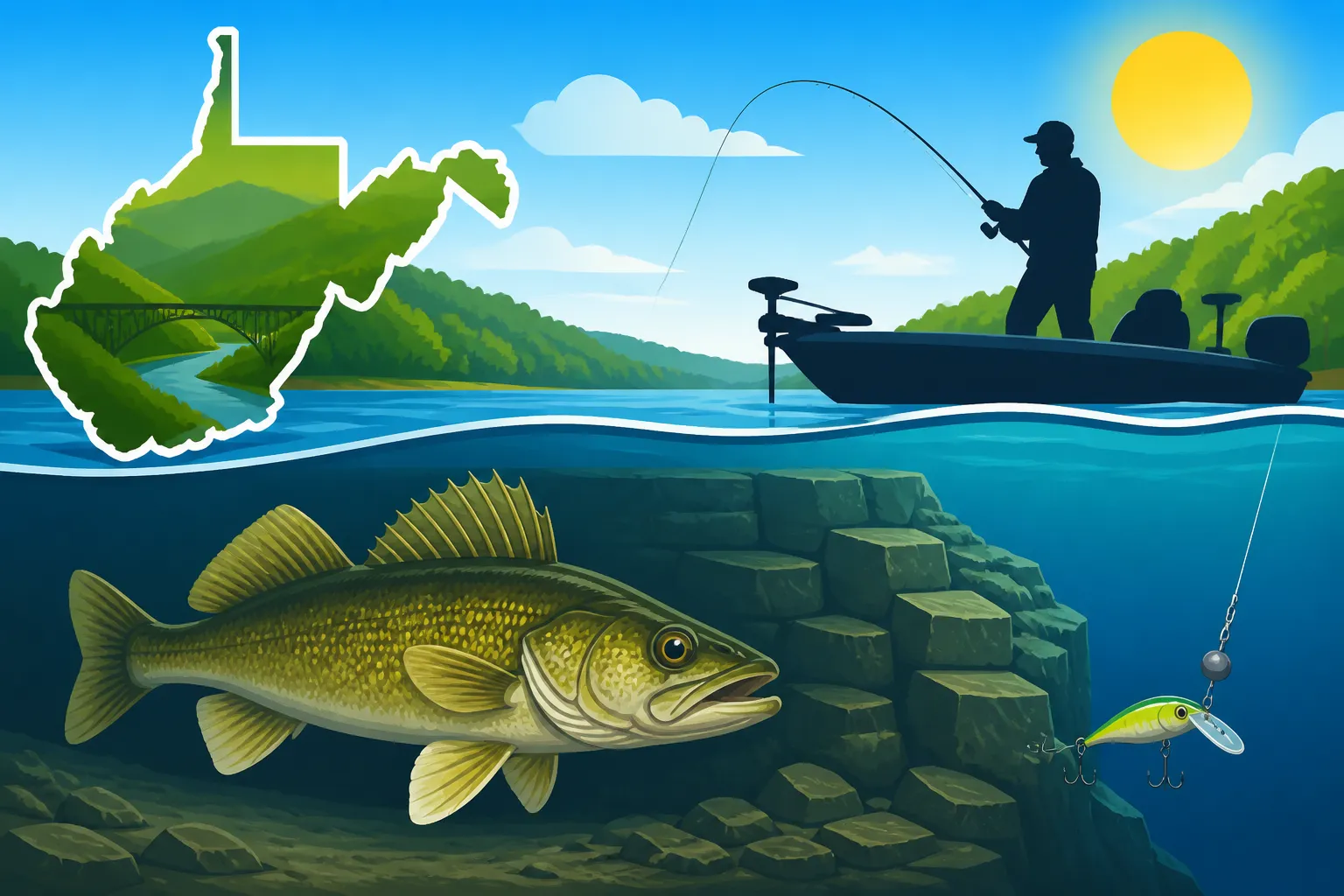
Summer in West Virginia brings beautiful, warm days perfect for being out on the water, but it also presents a unique challenge for walleye anglers: where did all the walleye go? Many folks get frustrated because the shallow water bite they enjoyed in spring seems to vanish. The truth is, those elusive walleye haven't disappeared; they've simply moved to deeper, cooler havens to escape the heat and follow their forage. This comprehensive guide will walk you through exactly how to fish deep structure for summer walleye in our mountain state's lakes, turning that summer slump into a summer success story.
Understanding Summer Walleye Behavior in West Virginia
When the sun beats down and the surface waters heat up, many anglers feel like they're trying to find a needle in a haystack. But once you understand why walleye make their seasonal move, you'll be much better equipped to find them. It's all about comfort and food.
Why Walleye Go Deep in Summer
As West Virginia's lakes, like Summersville Lake or Stonewall Jackson Lake, warm up through late spring and into summer, a phenomenon called thermal stratification occurs. This means the lake develops distinct layers of water at different temperatures. Walleye, being cold-blooded creatures, much prefer cooler water. They're not looking for frigid conditions, but rather a stable, comfortable temperature where they can digest their food efficiently and stay active.
This preferred temperature often coincides with the thermocline – a distinct band in the water column where the temperature drops rapidly. Below the thermocline, the water is much colder and often has less oxygen, which can limit how deep fish will go. Above it, it's just too warm and bright for their light-sensitive eyes. So, they'll position themselves at or just above the thermocline, especially where there's plenty of dissolved oxygen. This deep-water retreat also keeps them out of the direct glare of the summer sun, which can really bother their sensitive eyes. Plus, their preferred forage fish, like shad or alewives, often school up in these cooler, deeper zones, making it a perfect ambush point for hungry walleye. Understanding this basic principle is your first step to unlocking the summer walleye bite.
Identifying Prime Deep Structures
Walleye aren't just going to suspend randomly in open water, although that can happen. More often than not, they'll relate to specific underwater structures that offer cover, ambush points, and proximity to baitfish. Think of it like this: even if you're in a comfortable room, you still want a couch or a table to sit at, right? Walleye are the same.
In West Virginia's lakes, prime deep structures for summer walleye include:
- Humps and Submerged Islands: These are underwater hills or elevated areas that rise from the main lake bottom. Walleye will often sit on top of them, or along their slopes, ambushing baitfish that pass by.
- Points: Submerged points that extend far out into the lake, especially those that drop off quickly into deeper water, are classic walleye magnets. They act as natural travel corridors and feeding stations.
- Ledges and Breaks: Any sudden change in depth, like a sharp drop-off or a shelf, can hold walleye. These breaks offer distinct depth changes that walleye can use to stage and move up or down depending on conditions.
- Old Creek Channels: Before a reservoir was flooded, there were often creek and river channels. These submerged channels provide a natural highway for fish, and walleye will often patrol their edges or sit in deeper pockets within them.
- Submerged Timber and Rock Piles: While sometimes challenging to fish, deep timber and rock piles offer excellent cover and structure for walleye, providing ambush points for unsuspecting baitfish. These spots require precision but can hold some of the biggest fish.
You're looking for areas where these features intersect with the thermocline, or where they funnel baitfish into predictable patterns. These aren't always visible from the surface, which leads us directly into why electronics are so crucial for summer walleye fishing. Finding these "sweet spots" is the key to consistent action when you're trying to fish deep structure for summer walleye.
Essential Gear for Deep Summer Walleye
Catching deep-water walleye isn't like casting a bobber from the bank. It requires specialized gear that allows you to detect subtle bites in deep water and accurately present your lures. Thinking about your setup before you head out can make all the difference.
Rods, Reels, and Line for Deep Water
When you're fishing 20, 30, or even 40 feet down, sensitivity is paramount. A flimsy rod will leave you wondering if that was a bite or just the lure dragging on the bottom.
- Rods: Opt for a medium-light to medium power spinning or casting rod, typically 6'6" to 7'6" in length, with a fast or extra-fast action. The fast action tip allows you to feel those delicate "thumps" or slight changes in resistance that signify a walleye bite, while the medium power gives you enough backbone to set the hook and fight a strong fish from the depths. Graphite rods are excellent for their sensitivity. You might find a great selection of sensitive graphite rods for walleye fishing if you check online retailers like Amazon.
- Reels: For spinning setups, a 2500-3000 series reel is usually a good choice, providing a smooth drag system and enough line capacity. For casting setups (often used with heavier baits or for trolling), a low-profile baitcasting reel with a good retrieve ratio and strong drag is ideal. The goal is smooth operation and reliable performance under pressure.
- Line: This is where things get interesting. Most deep-water walleye anglers will spool up with braided line, ranging from 8 to 15 lb test. Braid has almost no stretch, meaning incredible sensitivity for feeling those light bites, and it's much thinner than monofilament or fluorocarbon of the same breaking strength, which helps your lures get down to depth faster and stay there with less resistance. Because braid is visible in clear water, you'll want to add a fluorocarbon leader of 6 to 10 lb test, typically 6-10 feet long, tied to your main line with a strong knot like a FG knot or a double uni knot. Fluorocarbon is nearly invisible underwater and offers good abrasion resistance against structure. This setup is perfect for detecting bites when you're focusing on how deep walleye go in summer. You can read more about specific line choices for different conditions in articles like "Best Fluorocarbon Line for Clear River Water".
Sonar and Electronics: Your Underwater Eyes
Imagine trying to navigate a dark room without a flashlight. That's what deep-water walleye fishing without proper electronics is like. Your fish finder isn't just for seeing fish; it's for understanding the underwater topography, finding bait, and staying on structure.
- 2D Sonar: This is your basic, bread-and-butter sonar that shows you what's directly beneath your boat. You'll use it to mark the bottom, identify humps, ledges, and drop-offs, and most importantly, mark fish arches (walleye) and bait balls. Pay close attention to how the fish are relating to the structure – are they on top, to the side, or suspended above it?
- Down Imaging: This technology provides a picture-like view of what's directly below your boat, making it much easier to distinguish structure like submerged timber, rock piles, and even individual fish. It helps you see the texture of the bottom, which can be crucial for identifying prime walleye holding areas.
- Side Imaging: This is a game-changer for covering large areas and finding off-shore structure. Side imaging sends sonar beams out to the sides of your boat, creating a wide swath of coverage. You can spot submerged humps, old roadbeds, and schools of baitfish far from your boat, allowing you to quickly identify promising areas without having to drive directly over them. This saves immense amounts of time.
- GPS Mapping: Integrated GPS with detailed lake maps is essential. It allows you to mark waypoints on key structures, track your trolling passes, and navigate back to productive spots. Modern units, such as those from Garmin or Lowrance, often come preloaded with high-definition contour maps of many West Virginia lakes, giving you an incredible advantage. For a deeper dive into choosing the right unit, check out our guide on "Best Fish Finders for West Virginia Lakes". Having robust electronics is non-negotiable for effectively fishing deep structure for summer walleye.
Lures and Baits for Deep Walleye
The type of lure you choose will often depend on the technique you're employing, but generally, you need presentations that can reach and stay in the deep zone where walleye are holding.
- Jigs: Lead-head jigs, especially those weighing 1/2 to 1 ounce (or even heavier in strong current or wind), are incredibly versatile. They can be tipped with soft plastics (grubs, paddletails, swimbaits), live minnows, or a piece of nightcrawler. Jigs are fantastic for vertical jigging and working precise structure. Our article on "Best Jigs for West Virginia Walleye" has some excellent recommendations.
- Crankbaits: Deep-diving crankbaits are a staple for trolling. These lures are designed with large lips that allow them to dive to impressive depths, often 15-30 feet or more, mimicking baitfish. Colors can vary, but natural baitfish patterns, firetiger, and brighter colors can all be effective. You'll want to experiment to see what the walleye are keying on that day. For a closer look at effective trolling, read our guide on "Trolling Techniques for West Virginia Lake Walleye".
- Crawler Harnesses: These are live bait rigs consisting of a few hooks tied in series, often with beads or small spinner blades, pulled in front of a nightcrawler. They are extremely effective for attracting walleye with scent and vibration, especially when trolled slowly or drifted.
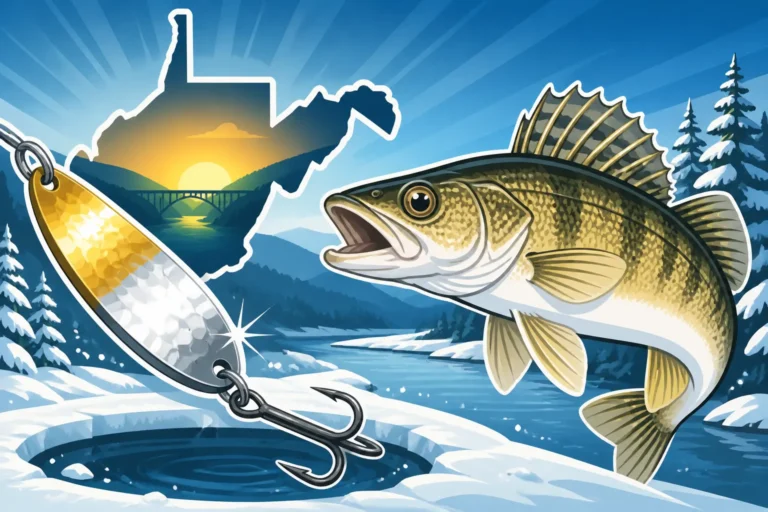
- Spoons: Metal jigging spoons (like a Northland Buck-Shot Spoon) can be very effective for vertical jigging over schools of deep-suspended walleye or fish relating to tight structure. The flash and flutter on the drop can trigger aggressive strikes.
The best approach is to have a variety of these options on hand, ready to adapt to what the fish are telling you. Sometimes it's a specific action they want, other times it's a particular profile or color. Remember that baitfish West Virginia walleye key on will often dictate the most effective lure choices.
Proven Techniques for Targeting Deep Walleye
Now that you understand where walleye go and what gear you need, let's talk about the actual fishing. These techniques are tried and true for reaching those deep-dwelling summer walleye.
Vertical Jigging Deep Water
Vertical jigging is one of the most precise and effective ways to target deep walleye, especially when they are concentrated on specific pieces of structure like a hump, rock pile, or a small section of a ledge. It allows you to keep your bait directly in the strike zone for extended periods.
To execute this technique, you first need to position your boat directly over the structure or fish you've identified on your sonar. This is where your GPS and precise boat control (often with a strong trolling motor) become invaluable. Drop your jig directly below the boat, letting it fall until it hits the bottom. Once it's on the bottom, reel up any slack and then lift the rod tip sharply about 1-2 feet, allowing the jig to fall back down on a semi-slack line. The bite often occurs as the jig is falling or just as it settles back to the bottom. Sometimes it's a distinct tap; other times, your line will just feel heavy, or you'll notice a slight tick.
It's crucial to pay close attention to the sensitivity of your rod and line, as discussed earlier. Experiment with the height and speed of your jigging motion. Some days, walleye prefer an aggressive hop; other days, a subtle quiver is all it takes. Tipping your jig with a live minnow, a piece of nightcrawler, or even a Berkley Gulp! Alive! grub can add scent and appeal. This method is particularly effective when you see fish stacked up on your graph and you want to present a bait right in their face without spooking them with a long cast. Learning to read your electronics and staying directly over the fish is the secret to successful vertical jigging for deep summer walleye.
Trolling Deep Diving Crankbaits
Trolling is an excellent method for covering large areas of deep water and finding scattered schools of walleye or fish that are actively roaming along breaks and channels. Deep diving crankbaits are the star of this show.
The key to effective deep crankbait trolling is knowing how deep your lures are running. Each crankbait model has a rated diving depth, but this can vary based on your line type, retrieve speed, and how much line you have out. Many anglers use a dive curve chart for their specific lures and line to ensure they're hitting the desired depth. You'll want to select crankbaits that can get down to or slightly below the depth of the thermocline or the structure you're targeting. When looking for lures, consider reputable brands such as Rapala, which offers a wide range of deep divers, readily available on platforms like Amazon.
You can troll with various setups:
- Lead Core Line: This specialized line is weighted, allowing your lures to achieve greater depths with less line out. Different colors on the lead core indicate specific lengths, helping you replicate successful presentations.
- Braided Line with a Fluorocarbon Leader: As mentioned before, braid's thin diameter and lack of stretch allow crankbaits to dive deeper than monofilament.
- Snap Weights or Trolling Sinkers: These can be added to your line in front of your crankbait to help it reach even greater depths.
- Planer Boards: While more commonly used for covering wide areas in open water, smaller inline planer boards can sometimes be used to run baits away from the boat when trolling deeper, especially if you're trying to avoid spooking fish directly under your hull.
Maintain a consistent speed, typically between 1.5 and 3 mph, and pay close attention to your rod tips. A "thump" or a sudden bend indicates a strike. When you're trolling, constantly monitor your sonar to identify depth changes and mark any fish you see. Varying your speed, making slight turns, and experimenting with different lure colors and sizes can all trigger strikes. It's often helpful to consult articles like "How deep to troll for walleye at Tygart Lake" for more specific depth strategies.
Live Bait Rigs and Bottom Bouncers
Sometimes, the most natural presentation is the best, and that's where live bait rigs shine. When walleye are finicky or lethargic in the summer heat, a slow-presented live bait can be irresistible.
- Crawler Harnesses: These are incredibly popular for summer walleye. A standard crawler harness consists of two or three snelled hooks, often with colored beads and a small spinner blade, designed to be rigged with a whole nightcrawler. The spinner blade provides flash and vibration, while the nightcrawler offers natural scent and movement. These are typically fished with a bottom bouncer or a walking sinker.
- Bottom Bouncers: These L-shaped wire sinkers are designed to "bounce" along the bottom without snagging excessively. The eyelet at the top connects to your main line, and your crawler harness or live bait rig (often 3-6 feet long) attaches to the wire arm. The weight of the bottom bouncer (typically 1/2 oz to 2 oz, depending on depth and speed) keeps your bait in contact with the bottom, which is crucial for walleye that are hugging structure.
- Live Minnows or Leeches: While nightcrawlers are great, don't underestimate the power of a lively minnow or leech, especially when used on a simple snell rig with a walking sinker. These are often drifted or trolled very slowly over deep structure. A single hook (like a mosquito hook) through the lips of a minnow or the sucker of a leech can be incredibly effective. Knowing "How to rig a live minnow for walleye" properly is a game-changer.
The key to fishing these rigs is to maintain bottom contact without constantly snagging. Adjust your bottom bouncer weight to match your speed and depth. You want the bouncer to occasionally tap the bottom, indicating your bait is in the strike zone. This technique is particularly effective when walleye are holding tight to the bottom along ledges or creek channels in lakes like Tygart Lake or Bluestone Lake.
Navigating Challenges and Maximizing Success
Deep water fishing isn't without its challenges, but with a bit of foresight and adaptation, you can turn those potential hurdles into opportunities for success.
Reading the Conditions: Weather and Water
Understanding how weather and water conditions affect walleye behavior is vital for consistently catching them, especially when targeting deep structure for summer walleye.
- Wind: Wind can be your friend or your foe. A moderate breeze (5-15 mph) can create a "walleye chop" on the water, which diffuses light and makes walleye more comfortable moving and feeding. It can also create current that positions baitfish. However, too much wind can make boat control difficult, hindering your ability to stay on precise deep structure. On calm, sunny days, walleye tend to be tighter to cover and less active, making a more subtle, vertical presentation necessary.
- Current: In riverine reservoirs or below dam releases (such as on the Elk River tailwater), current plays a huge role. Walleye will often position themselves just out of the main current flow, in eddies or behind structure, waiting to ambush baitfish swept downstream. Understanding current breaks is like finding a goldmine.
- Water Clarity: Clear water means walleye are even more light-sensitive and will likely stick to deeper water or low-light conditions. In stained or cloudy water, they might venture slightly shallower, but still often relate to deep structure due to the summer heat. Adjust your lure colors and presentation speed based on clarity.
- Temperature: We've already discussed the thermocline, but pay attention to overall water temperature trends. Prolonged heat waves push fish deeper, while a cooler spell might make them more active on deeper breaks. Modern fish finders often have temperature gauges that can help you locate the thermocline.
Always consider these factors before and during your trip. Sometimes, the most important decision isn't what lure to tie on, but where to even start looking based on the prevailing conditions. Our "West Virginia Fishing Seasons by Month" guide offers more general insights into seasonal patterns.
Best Times of Day for Deep Walleye
While walleye are known for their low-light feeding habits, even deep-water summer walleye will have preferred times to bite.
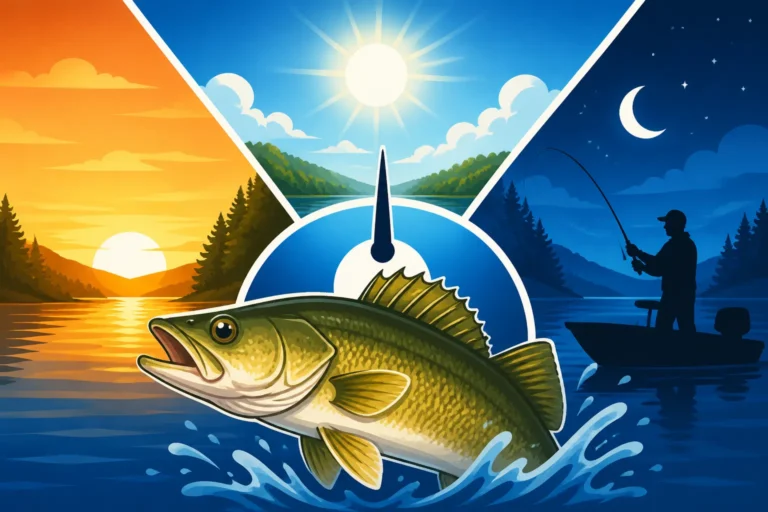
- Dawn and Dusk: These twilight hours are prime for walleye, even in summer. The reduced light penetration makes them more active, and they may even move slightly shallower on deep breaks to feed aggressively. If you're focusing on a deep point or hump, these are the times to be there. You can get more insights from "Best Time of Day to Catch Walleye in West Virginia".
- Night Fishing: Don't overlook night fishing for summer walleye! Many anglers find great success targeting them after dark, especially on clear, moonlit nights. Walleye's excellent low-light vision gives them a distinct advantage over their prey. You might find them shallower than during the day, but still relating to deep water access points. Consider dark-colored crankbaits or glow jigs for night fishing.
- Overcast Days: A cloudy or rainy day can often mimic low-light conditions, making walleye more active throughout the day, even in deep water. These are fantastic days to be out targeting them.
- Solar Noon Slump: Generally, the brightest part of the day (late morning to mid-afternoon) can be the toughest, as walleye retreat to the deepest, darkest cover. This is when precision vertical jigging or slow live bait presentations are most effective, directly over the fish you see on your graph.
Your approach should be flexible. If the dawn bite isn't producing, don't be afraid to try different techniques through the day, or even consider sticking it out for an evening or night bite. Patience and persistence are vital when targeting these sometimes elusive fish.
Common Mistakes to Avoid
Even experienced anglers can fall into common traps when trying to fish deep structure for summer walleye. Being aware of these can save you a lot of frustration.
- Fishing Too Fast: Walleye in deep, cool water during summer are often less inclined to chase a fast-moving bait. They prefer an easy meal. Whether you're trolling or jigging, slowing down your presentation is often the key. Give them time to find and commit to your lure.
- Not Adjusting to Depth: The thermocline can shift, and walleye can suspend at different depths even on the same structure. Don't assume if you caught them at 25 feet an hour ago, they're still there. Constantly monitor your electronics and adjust your lure depth to match where the fish (and baitfish) are holding.
- Ignoring Electronics: This goes back to our earlier point – your sonar is your most valuable tool. Don't just motor around hoping to stumble upon fish. Actively use your 2D, down imaging, and side imaging to locate structure, bait, and walleye. Mark waypoints. Understand what you're seeing on the screen.
- Lack of Persistence: Deep water fishing requires dedication. You might spend hours graphing spots and making precise drops before you find a concentration of biting fish. Don't get discouraged too quickly. Move from spot to spot, try different presentations, and trust your electronics.
- Inadequate Leader Material: Using too heavy a leader, or one that's too visible, can spook wary walleye in clear deep water. Ensure your fluorocarbon leader is appropriate for the conditions and stealthy enough.
- Not Changing Lures/Baits: If what you're doing isn't working, change something! Switch lure color, size, type, or even bait. Sometimes a subtle change is all it takes to trigger a strike from a neutral fish.
By being mindful of these pitfalls, you can dramatically increase your chances of finding and catching those deep-dwelling West Virginia walleye this summer. It's all about attention to detail, adaptability, and leaning heavily on your technology.
| Deep Summer Walleye Technique Comparison | Key Gear | Ideal Conditions | Advantages | Challenges |
|---|---|---|---|---|
| Vertical Jigging | Sensitive Rod, Braid, Heavy Jigs, Sonar | Fish on tight structure, precise location | Accurate presentation, direct contact with fish | Requires precise boat control, covers less water |
| Trolling Deep Crankbaits | Trolling Rods, Line Counters, Deep Divers, Sonar | Scattered fish, covering large areas, exploring | Covers water efficiently, triggers reaction strikes | Requires depth management, lure selection |
| Live Bait Rigs/Bottom Bouncers | Medium-Light Rod, Bottom Bouncers, Crawler Harnesses/Live Bait | Finicky fish, slow presentation needed | Natural presentation, high success rate for wary fish | Slower fishing, potential for snagging |
Disclaimer
This article is for general informational purposes only and does not constitute professional advice. Laws, prices and regulations vary by location and change over time. Consult a qualified professional for guidance on your specific situation.