How to rig a live minnow for walleye
There's nothing quite like the thrill of a walleye strike, but let's be honest, these fish can be notoriously finicky. Many anglers, myself included, have spent countless hours trying to entice them with artificials, only to be met with frustrating silence. This comprehensive guide is here to unravel the mystery, focusing on one of the most consistently effective tactics for West Virginia's elusive walleye: rigging and fishing with live minnows. We'll explore everything you need to know to turn those slow days into memorable catches.
Why Live Minnows Are Your Walleye Secret Weapon in West Virginia
Walleye are opportunistic predators, but they are also incredibly discerning. They rely heavily on sight and lateral line senses to ambush their prey. While artificial lures can certainly catch them, nothing quite replicates the natural look, smell, and subtle vibrations of a live, struggling minnow. When the bite is tough, or the water is particularly clear and cold, a live minnow can be the only thing that convinces a wary walleye to strike.
Think about it from a walleye's perspective. A struggling minnow isn't just food; it's easy food. It signals vulnerability, an easy meal without expending too much energy. This natural instinct is why live bait often outperforms even the most realistic artificials, especially in the clear, cooler waters of many West Virginia lakes and rivers. This is particularly true during certain times of the year, like early spring or late fall, when walleye are less aggressive and more focused on conserving energy. If you're wondering about the Best Time of Year to Fish in West Virginia, colder months and transitional periods often favor live bait.
The appeal isn't just about movement; it's also about scent. A live minnow constantly releases natural attractants into the water, drawing in walleye that might not even see the bait initially. This scent trail can be a game-changer, especially in murkier waters or when fishing deeper structure where visibility is limited. It adds another layer of persuasion that artificials struggle to match, making live minnows an indispensable tool in any serious walleye angler's tackle box.
Assembling Your Walleye Live Minnow Rigging Arsenal
Before you even think about dropping a minnow in the water, you need the right tools for the job. Having the proper rod, reel, line, and terminal tackle is paramount to successfully detecting those subtle walleye bites and landing the fish.
Rods, Reels, and Line for Detecting the Subtlest Bites
Walleye bites can be incredibly light, often feeling like nothing more than a slight pressure or a tick. Because of this, sensitivity in your rod is key.
- Rods: Look for a medium-light to medium power spinning rod, typically 6'6" to 7'6" in length. Graphite rods are excellent for sensitivity, allowing you to feel every subtle bump and vibration. A fast or extra-fast action tip will help you detect those light bites and achieve a quicker hookset. For general river fishing, something like a "medium-light power, fast action" rod would be a good choice, similar to what you might use for river smallmouth. If you're looking for recommendations, many excellent options can be found on Amazon. While this guide doesn't delve into specific brands, the principles of rod power and action are universal. For more details on rod selection, you might find our guide on Best Fishing Rods for West Virginia Rivers helpful.
- Reels: A quality spinning reel in the 2000-3000 size range is ideal. It should have a smooth drag system and a good retrieve ratio to quickly take up slack line when a walleye decides to move toward you after biting.
- Line: Your choice of line can significantly impact sensitivity.
- Monofilament (Mono): A traditional choice, 6-8 lb test mono has some stretch, which can be forgiving, but it sacrifices some sensitivity. It's affordable and easy to manage.
- Fluorocarbon: Often used as a leader material due to its near-invisibility underwater and excellent abrasion resistance. Some anglers spool their entire reel with 6-10 lb fluorocarbon for maximum sensitivity and stealth, though it can be a bit stiffer and more expensive than mono.
- Braided Line: Extremely sensitive with virtually no stretch, allowing you to feel everything. A 10-20 lb braid is common, but its visibility can spook fish in clear water. This is usually remedied by tying on a 6-8 lb fluorocarbon leader. This combination offers the best of both worlds: sensitivity from the braid and stealth from the fluorocarbon.
The Right Hooks, Sinkers, and Floats
Your terminal tackle needs to be appropriately matched to your minnow size and fishing conditions.
- Hooks:
- Jig Heads: When fishing a jig and minnow, a jig head provides weight and a hook in one. Sizes from 1/16 oz to 1/4 oz are most common for minnows, with hook sizes ranging from #6 to #1/0, depending on the minnow size. Choose a sharp hook, always!
- Kahle Hooks: These are fantastic for live bait as their wide gap design allows the minnow to swim naturally while offering a great hookup ratio, often hooking fish in the corner of the mouth. Sizes #4 to #1/0 are popular.
- Treble Hooks: Smaller treble hooks (size #10 to #6) can be used for very light bites or when fish are nipping at the tail, but they can be harder to remove and cause more damage to the fish.
- Aberdeen Hooks: These thin-wire hooks are great for minnows as they penetrate easily and are less likely to kill the bait prematurely. If snagged, the thin wire can often be bent to free the hook.
- Sinkers:
- Split Shot: Simple, easy to add or remove, great for light rigs or adding just enough weight to a float rig.
- Walking Sinkers: Often used with slip sinker rigs (like a Carolina rig for walleye). These egg-shaped or bell-shaped sinkers slide freely on the main line, allowing the walleye to pick up the minnow without feeling the weight of the sinker. Weights from 1/8 oz to 1/2 oz are common.
- Bottom Bouncers: A specialized sinker designed to be fished from a boat, often in conjunction with a snelled hook and minnow. They keep your bait near the bottom while minimizing snags. Weights vary widely based on current and depth.
- Floats (Bobbers):
- Fixed Floats: Best for shallower water (under 8-10 feet) where you can easily reach the float to cast.
- Slip Floats: The absolute go-to for walleye. A slip float allows you to fish any depth, as the line slides through the float, stopping at a small bobber stop knot you set on your line. This makes casting much easier, especially in deeper water. Many reliable options for all these items can be found readily available through online retailers like Amazon.
Selecting and Caring for Your Minnows
The quality and liveliness of your minnows can make or break your walleye fishing trip.
- Minnow Species: While local bait shops in West Virginia will typically have a good selection, common and effective choices for walleye include:
- Fathead Minnows: Durable and readily available, they're a staple.
- Shiners (Golden, Emerald, Spottail): Often larger and flashier, making them excellent choices, especially for bigger walleye.
- Chubs: Another hardy option, good for river fishing.
- Size Matters: Generally, minnows between 2-4 inches are ideal for walleye. Too small, and you might attract too many panfish; too large, and smaller walleye might ignore them. Adjust your minnow size based on the average size of walleye you're targeting and their feeding preferences on a given day, which can change!
- Keeping Them Lively: This is critical. A dead or listless minnow is far less effective.
- Aeration: A battery-powered aerator for your minnow bucket is non-negotiable. It keeps the water oxygenated.
- Water Temperature: Keep the water cool. In summer, add frozen water bottles or gel packs (never ice cubes directly, as they can contain chlorine or other contaminants) to your minnow bucket. Rapid temperature changes can shock and kill minnows.
- Water Quality: Change the water frequently, especially if it gets cloudy or full of scales. Use fresh, non-chlorinated water. Overcrowding your minnow bucket will also lead to quicker demise, so buy only what you realistically need for the day.
Mastering Proven Live Minnow Rigging Techniques for West Virginia Walleye
Now that you have your gear ready, let's dive into the most effective ways to rig a live minnow for walleye in West Virginia's diverse waters.
The Versatile Jig and Minnow
The jig and minnow combination is arguably one of the most popular and effective presentations for walleye, especially in rivers and when actively searching for fish. It gives you excellent control and feel for the bottom.
To rig it:
- Select Your Jig Head: Choose a jig head that matches the size of your minnow and the depth/current you're fishing. A 1/8 oz or 1/4 oz jig with a #4 to #1/0 hook is typical. For example, if you're fishing in a slower moving section of the Cheat River, a lighter jig might suffice, but if you're battling the current on the Ohio River, you'll need something heavier.
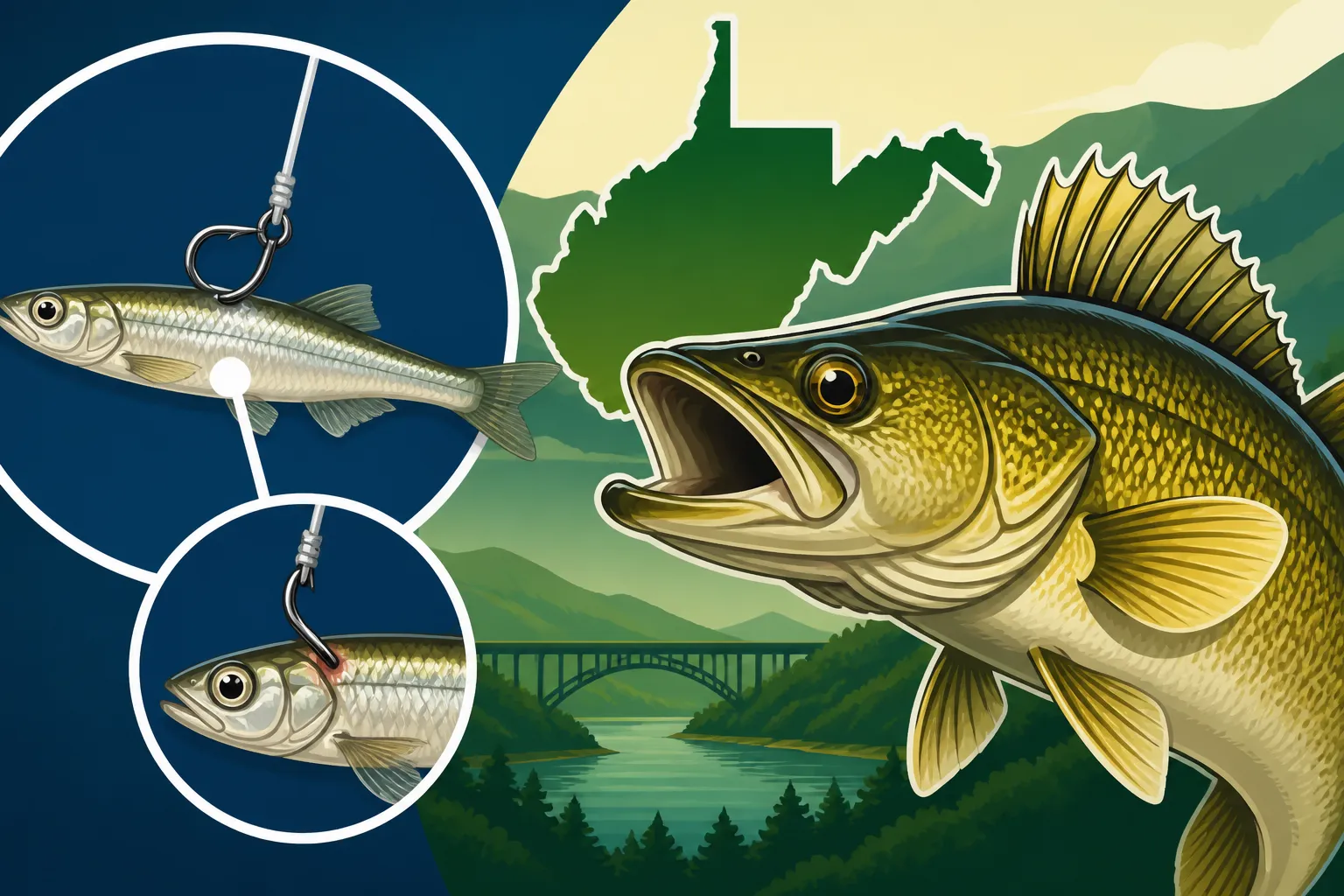
- Hook the Minnow: The most common method is to hook the minnow lightly through both lips, from the bottom up. This allows the minnow to swim naturally and keeps it lively. Another option, especially if you want the minnow to run deeper, is to hook it through the back just behind the dorsal fin, being careful not to hit the spine. This can cause the minnow to dart erratically, which often triggers a strike.
- Presentation: Cast your jig and minnow out and let it sink to the bottom. Once it hits, slowly lift your rod tip a foot or two, then let the jig fall back down on a semi-slack line. This creates a "lift and fall" action. Another effective technique is a slow drag, just barely moving the jig along the bottom. Walleye often hit on the fall or when the jig is sitting still. Pay close attention to your line for any unusual movement or slack, as this could indicate a bite. Many anglers find the Best Jigs for West Virginia Walleye are those with sharp hooks and natural colors like green pumpkin, brown, or black.
The Subtle Slip Sinker Rig
Also known as a Lindy Rig, walking sinker rig, or simply a live bait rig, the slip sinker rig is fantastic for a natural, uninhibited presentation when walleye are shy or holding tight to the bottom. This rig is particularly effective when drift fishing from a boat or slow-trolling.
To rig it:
- Thread Your Sinker: Start by threading a walking sinker (1/8 oz to 1/2 oz, depending on current and depth) onto your main line.
- Add a Bead: Slide a small plastic or glass bead onto the line after the sinker. This protects your knot from the sinker's abrasion.
- Tie a Swivel: Tie a small, strong barrel swivel to the end of your main line. This is where your leader will attach and also prevents line twist.
- Attach Leader and Hook: To the other end of the swivel, tie a fluorocarbon leader (2-6 feet long, 6-8 lb test). The length can be adjusted; longer leaders offer more natural presentation, shorter ones offer more control. At the end of the leader, tie on your Kahle hook, Aberdeen hook, or even a small treble hook, again matching the minnow size.
- Hook the Minnow: For this rig, hooking the minnow lightly through the lips or just under the dorsal fin works best, allowing it maximum freedom of movement.
- Presentation: This rig is designed for slow drifts or retrieves. Let the sinker hit the bottom, then keep just enough tension to feel the bottom without dragging the sinker excessively. When a walleye takes the minnow, the line will slide freely through the sinker, allowing the fish to swim off with the bait without feeling resistance. Wait a moment (often called the "countdown" or "drop back") to let the walleye fully ingest the minnow before setting the hook. This rig is deadly when fish are hugging structure or contours on the bottom of lakes like Summersville Lake.
Effective Float (Bobber) Rigs for Suspended Walleye
Sometimes walleye aren't on the bottom; they might be suspended over deeper water, along a weed line, or holding near submerged timber. This is where a slip bobber rig shines, allowing you to present a live minnow precisely at the depth the fish are holding.
To rig it:
- Tie on a Bobber Stop: Begin by tying a bobber stop knot onto your main line. This small knot is adjustable and allows you to control the depth of your presentation.
- Thread a Bead and Slip Float: Slide a small bead onto the line after the bobber stop, followed by your slip float. The bead prevents the bobber stop from pulling through the float.
- Add Weight: Below the float, crimp on one or two split shots or use a small pencil or clip-on sinker. This weight is crucial for casting and keeping the minnow down at the desired depth. Ensure there's enough weight to stand the float upright.
- Attach Hook: Tie a Kahle or Aberdeen hook (matching your minnow size) to the end of your line. You can add a short fluorocarbon leader here if you prefer, but it's not strictly necessary.
- Hook the Minnow: Hook the minnow lightly through the lips. This is important for allowing the minnow to swim naturally and keep the float standing correctly.
- Presentation: Cast your rig out and let the weight pull the line through the slip float until it hits the bobber stop. Your minnow will then be presented at the exact depth you've set. This is a fantastic technique for fishing over submerged brush piles, weed beds, or along ledges where walleye are suspended. It also keeps your bait visible in current without dragging on the bottom, such as in calmer sections of the Greenbrier River.
Maximizing Your Chances and Fishing Responsibly
Rigging a minnow is only half the battle. How you present it, how you care for your bait, and how you adhere to regulations are just as crucial for success and sustainability.
Perfecting Your Minnow's Presentation
Walleye are often ambush predators, but they can also be hesitant. Your job is to make that minnow look as natural and enticing as possible without spooking the fish.
- Slow is Key: Whether you're jigging, drifting, or using a float, slow and subtle movements are almost always better. Walleye aren't usually chasing down fast-moving baits like bass might. They prefer an easy target.
- Feel the Bottom/Structure: When bottom fishing, maintain contact with the bottom. This means adjusting your sinker weight for current and depth. If you're not feeling the occasional tap of the sinker, you're likely not in the strike zone.
- Work with the Current: In rivers, let the current do the work. Position your boat or yourself (if wading) upstream and allow your rig to drift naturally downstream. This mimics a minnow being carried by the flow, which is irresistible to walleye.
- Pay Attention to Your Line: Many walleye bites are incredibly subtle. Watch your line for any twitch, slack, or sudden movement. If you feel anything out of the ordinary, or your line just feels "heavy," assume it's a fish and prepare to set the hook.
Hooking Techniques for Liveliness and Solid Hooksets
The way you hook your minnow directly impacts its liveliness and your hookup ratio.
- Through the Lips: This is the most common and generally recommended method, especially for jigging and float rigs. Hook the minnow through both lips, from the bottom jaw up through the top. This allows for maximum freedom of movement and keeps the minnow alive longer. It also presents a natural profile.
- Through the Back: For slip sinker rigs or when you want the minnow to dive or dart more aggressively, hook it lightly through the back, just behind the dorsal fin, being careful to avoid the spine. This can injure the minnow more quickly but often provides a more frantic, attractive swimming action.
- Through the Tail: Less common, but sometimes used when fish are short-striking or nipping at the tail. Hook the minnow lightly through the fleshy part of the tail. This makes the minnow swim in a "head-down" fashion, which can sometimes trigger a strike from hesitant fish.
- Setting the Hook: With live bait, a quick, sharp hookset is usually best. However, with a slip sinker rig, you often need to let the walleye run with the bait for a few seconds (the "drop back" mentioned earlier) to ensure it has fully taken the minnow before you set the hook. Practice will help you determine the optimal timing for different rigs and fish moods.
Respecting West Virginia Fishing Regulations
As always, responsible angling means knowing and following the rules. West Virginia has specific regulations regarding walleye, including bag limits, size restrictions, and sometimes even specific seasons depending on the waterbody. It's crucial to check the current regulations before you head out.
- Bag and Possession Limits: These dictate how many walleye you can keep per day and how many you can have in your possession. These limits are in place to ensure a healthy fish population for future generations. You can find comprehensive details in our guide on West Virginia Walleye Daily and Possession Limits.
- Size Restrictions: Minimum or maximum size limits might apply to walleye in certain waters. Keeping a tape measure handy is always a good idea. Releasing fish that don't meet the size requirements helps maintain the breeding stock.
- Fishing Methods: While live minnows are generally legal, always double-check any specific restrictions on bait types or methods for the particular water you're fishing. For a complete overview of the rules that govern our beautiful waters, take a look at our article on West Virginia Fishing Regulations Explained. Being informed helps keep our fisheries healthy and enjoyable for everyone.
Remember, fishing with live bait can be incredibly rewarding, but it comes with the responsibility of ethical angling. Handle your bait and your catch with care, and always leave the water cleaner than you found it.
Live Minnow Rigging Techniques Comparison
To help visualize the best approach for different scenarios, here's a quick comparison of the rigging techniques we've covered:
| Rigging Technique | Best Use Case | Key Advantages | Common Hooking Method | Ideal Conditions |
|---|---|---|---|---|
| Jig and Minnow | Active searching, rivers, detecting structure, vertical jigging | Excellent control, good for varying depths, active presentation | Through the lips (most common), through the back | Rivers, humps, drop-offs, current, cold water |
| Slip Sinker Rig | Bottom fishing, shy walleye, drift fishing, slow trolling | Natural presentation, fish don't feel sinker weight | Through the lips, through the back | Clear water, deep water, lethargic fish, structure |
| Float (Bobber) Rig | Suspended walleye, weed lines, specific depth presentation | Precise depth control, visual bite detection | Through the lips | Over weed beds, submerged timber, open water schools |
No matter which rigging technique you choose, the key is confidence in your presentation and a keen eye for those subtle walleye tells. West Virginia's waters hold some magnificent walleye, and with the right live minnow rig, you'll be well on your way to catching them.
Disclaimer
This article is for general informational purposes only and does not constitute professional advice. Laws, prices and regulations vary by location and change over time. Consult a qualified professional for guidance on your specific situation.