Best technique for pre-spawn crappie
There's nothing quite like the anticipation of spring fishing in West Virginia, but for crappie anglers, that pre-spawn period can feel like a real mystery. You know those slabs are getting ready, but pinpointing their location and figuring out what they'll bite before they commit to the beds can be incredibly frustrating. This guide is all about unraveling that mystery, giving you the solid techniques and insights you need to consistently catch crappie during this vital time in West Virginia's lakes and reservoirs.
Decoding West Virginia's Pre-Spawn Crappie Puzzle
The pre-spawn period for crappie is a crucial window for anglers, offering some of the year's best fishing opportunities for big, healthy fish. But it’s not as simple as just casting out anywhere. Understanding when and where these fish are moving, and what drives their behavior, is the first step to filling your cooler or catching that trophy slab.
The Transition Period: When Crappie Start Moving
In West Virginia, the pre-spawn crappie bite typically kicks off as winter's icy grip begins to loosen and water temperatures start to climb from the low 40s into the high 50s. This isn't a hard and fast date on the calendar; it's all about the water. You'll notice this transition usually starting in late winter or early spring, perhaps March and April, but a warm February or a cold May can shift things significantly. When the water in lakes like Summersville Lake or Stonewall Jackson Lake hits that sweet spot of around 45-55 degrees Fahrenheit, crappie begin to shake off their winter lethargy and embark on their journey from deeper wintering holes towards shallower spawning grounds.
This period is characterized by fish moving out of their deep, often suspended, winter patterns and starting to stage in areas that offer both warmer water and access to cover. They're feeding heavily to build up energy reserves for the rigors of spawning, which makes them prime targets if you can find them. Being tuned into local weather patterns and even tracking water temperatures in your favorite fishing spots can give you a significant advantage, letting you know "Best Time to Fish for Crappie in Spring". It's a game of patience and observation, waiting for those thermal cues that signal the crappie are on the move.
Prime Locations: Where to Hunt for Pre-Spawn Slabs
Pre-spawn crappie aren't usually on the shallow spawning beds yet, but they're not far off. Think of them as being in staging areas – places that provide easy access to deeper water for safety and stable temperatures, but also proximity to the future spawning flats. These locations are often found along creek channels, points, and humps that extend into the main lake or reservoir, especially where there's submerged cover. We're talking about brush piles, fallen timber, old roadbeds, rock formations, and even submerged bridge abutments. These structures provide cover from predators and ambush points for baitfish, making them ideal hangouts.
Consider the northern ends of West Virginia lakes, or any coves that receive more direct sunlight; these areas tend to warm up faster. Crappie will often concentrate on the edges of these warmer pockets, particularly where a creek channel or old river bed provides a distinct depth change. They might be suspended just above the channel or tucked tight into a brush pile near a breakline. You really need to think about vertical structure – something that allows them to move up and down in the water column easily to find their preferred temperature and forage. Learning "Where to Locate Crappie in West Virginia Reservoirs" is key to consistent success.
Proven Techniques to Entice Pre-Spawn Crappie Bites
Once you have a good handle on where these pre-spawn slabs might be hiding, the next step is presenting your bait in a way that's utterly irresistible. This isn't usually a time for fast-paced retrieves; patience and precision are your best friends.
The Art of Vertical Jigging: Precision and Patience
Vertical jigging is perhaps one of the most effective methods for pre-spawn crappie, especially when you've pinpointed a specific piece of submerged structure or a school of fish. This technique involves dropping a small jig or minnow straight down to the fish's depth, often using your electronics to guide you. The idea is to keep your bait directly in the strike zone, minimizing horizontal movement and allowing for a subtle, enticing presentation. Imagine you're hovering over a brush pile at Burnsville Lake; you drop your jig right into the heart of it, letting it flutter down slowly.
The key here is a sensitive rod and light line, allowing you to feel even the slightest tap. You want to slowly raise and lower the jig, imparting minimal action – just enough to make it look alive. Sometimes, simply holding it still at a specific depth is all it takes. This method excels when crappie are concentrated and somewhat lethargic, unwilling to chase a fast-moving bait. It’s a very intimate way to fish, requiring focus and a good understanding of your sonar to precisely place your lure. When you're "Jigging for Crappie in West Virginia Lakes," remember that often less is more with your jigging motion.
Slow Trolling: Covering Water Efficiently
When crappie are more scattered or you're trying to locate schools of fish across a larger area, slow trolling can be incredibly effective. This technique involves dragging multiple baits behind your boat at a very slow speed, typically using an electric trolling motor. You can use a variety of setups, from single jigs to multiple rigs with minnows, covering different depths simultaneously. The goal is to present your baits horizontally through the water column, imitating a slow-moving baitfish that crappie can easily intercept without expending too much energy.
For West Virginia anglers, slow trolling is perfect for exploring channel edges, submerged humps, and points where crappie might be staging. You're effectively mapping out the fish's location as you go, noting where you get bites and then circling back to those productive areas. Vary your speeds slightly, and don't be afraid to make subtle turns; these changes in speed and direction can often trigger a strike. Using multiple rods allows you to experiment with different lure colors and depths until you find what the crappie prefer on that particular day.
The Power of Live Bait: Minnows Under a Bobber
Sometimes, artificial lures just don't cut it, especially when crappie are finicky or the water is particularly clear. That's when live bait, specifically a lively minnow, becomes an absolute game-changer. Rigged correctly, a minnow under a bobber offers a natural presentation that's often irresistible to pre-spawn crappie. You can fish these rigs vertically over structure, or cast them out to the edges of brush piles and let them slowly drift.
The beauty of a bobber setup is that it suspends your bait at a precise depth and gives you a clear visual indicator of a bite. You'll want to use a small bobber, often a slip bobber, that allows you to easily adjust the depth of your minnow. Hook your minnow lightly through the lips or just behind the dorsal fin to keep it lively. This technique is fantastic for bank anglers or those in kayaks who might not have sophisticated electronics but can locate promising cover. The natural movement and scent of a live minnow can be the deciding factor on tough days.
Advanced Angling: Mastering the Spider Rig
For the dedicated crappie angler who wants to maximize their coverage and presentation, spider rigging is an advanced, yet incredibly effective, technique. This method involves positioning several long rods (often 10-16 feet) around the bow or stern of your boat, fanning them out like spokes on a wheel. Each rod is typically rigged with a small jig or a minnow, or a combination, and fished at varying depths. The boat then moves very slowly, often with a bow-mounted trolling motor, presenting a wide array of baits to crappie as you drift or troll along a contour.
Spider rigging allows you to present multiple baits at different depths and distances from the boat, effectively "sweeping" a wide swath of water. This increases your chances of intercepting scattered crappie and helps you quickly determine their preferred depth and lure choice for the day. It's especially popular on larger West Virginia reservoirs like Bluestone Lake or Tygart Lake, where crappie can be spread out. While it might look intimidating with all those rods, once you get the hang of it, it’s an incredibly efficient way to locate and catch pre-spawn crappie. You can find specialized rod holders and other accessories for this technique on online retailers like Amazon, making it easier to set up your spread.
Equipping Your Arsenal: Essential Gear for Pre-Spawn Crappie
Having the right techniques is vital, but so is having the right tools for the job. Pre-spawn crappie can be subtle biters, especially in colder water, so sensitive gear makes a world of difference.
Rods, Reels, and Line: Sensitivity is Key
For pre-spawn crappie, sensitivity is paramount. You need to feel those light taps and subtle changes in pressure that indicate a crappie has inhaled your bait. This means opting for ultralight or light-action spinning rods, typically in the 6 to 7.5-foot range. A fast or extra-fast tip is ideal, allowing the rod to load quickly and transmit even the smallest bite straight to your hand. Pair these rods with small, lightweight spinning reels (500 to 1000 size) that balance well and have a smooth drag system.
When it comes to line, a light monofilament or fluorocarbon line in the 4-6 pound test range is generally preferred. Monofilament offers a bit more stretch, which can be forgiving when a crappie makes a sudden run, while fluorocarbon offers greater sensitivity and less visibility underwater. Some anglers even prefer a braided mainline with a fluorocarbon leader for maximum sensitivity combined with stealth. The key is to keep it light; heavy line will spook wary crappie and dampen your feel. You can find a great selection of these specialized "Best Tackle for Panfish" components on Amazon or at your local tackle shop.
Lure Selection: Jigs, Plastics, and Scent
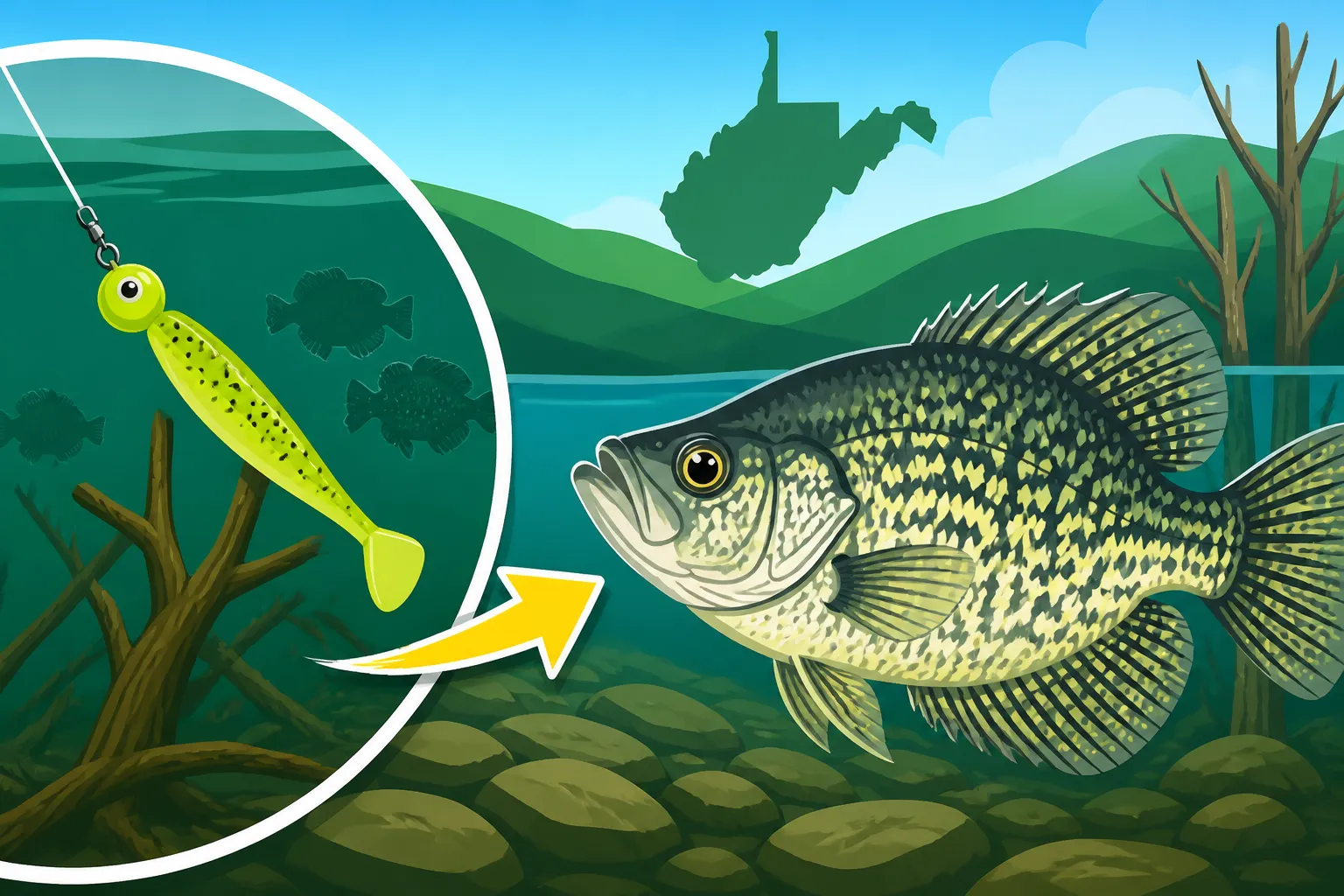
The world of crappie lures is vast, but for pre-spawn, focus on smaller presentations that imitate shad, minnows, or small invertebrates. Small jigs, typically 1/16 to 1/8 ounce, are workhorses. They come in a variety of head styles, from ball heads to stand-up jigs, each with its own action. These jigs are often paired with soft plastic bodies like tube jigs, grub tails, or small swimbaits. Colors can be critical; chartreuse, white, black, and various shades of pink or natural baitfish patterns often excel. Have a variety on hand, as crappie can be incredibly picky from day to day, or even hour to hour.
Don't underestimate the power of scent. Pre-spawn crappie, while feeding, can sometimes be hesitant. Adding a scent attractant to your jigs or using soft plastics infused with scent can encourage them to hold on longer, giving you more time to feel the bite and set the hook. And, of course, don't forget live minnows. They're often the ultimate confidence bait, especially when the bite is tough. Always have a bait bucket with some lively minnows on standby – they often make all the difference when fish are lethargic. For those looking for specific jig weights, you might want to consider the "Best Jig Weight for Crappie at Burnsville Lake" when stocking your tackle box.
| Technique | Preferred Depth (Pre-Spawn) | Best Lure/Bait Type | Rod Type Recommended | Key Advantage |
|---|---|---|---|---|
| Vertical Jigging | 10-25 feet (near structure) | Small Jigs, Minnows | Ultralight Spinning | Precision, targets specific fish/structure |
| Slow Trolling | 8-20 feet (channel edges) | Jigs, Minnow Rigs | Light Spinning/Troll | Covers water, finds scattered fish |
| Bobber & Minnow | Variable (over structure) | Live Minnows | Ultralight Spinning | Natural presentation, visual bite indicator |
| Spider Rigging | 8-25 feet (contours) | Multiple Jigs/Minnows | Long Trolling Rods | Maximizes coverage, depth experimentation |
Adapting to Conditions: Reading the Water for Consistent Success
Even with the best techniques and gear, fishing for pre-spawn crappie in West Virginia requires constant adaptation. Conditions change, and so do the fish. Being able to read the water and adjust your approach is what separates the consistently successful angler from the occasional lucky one.
Water Temperature and Clarity: Your Crappie Compass
Water temperature is your ultimate guide during the pre-spawn period. Crappie are ectothermic, meaning their body temperature mirrors that of the surrounding water, and their activity levels are directly tied to it. As mentioned, the 45-55°F range is ideal for their pre-spawn movements and feeding. If the water is colder than this, they'll likely be deeper and less active, requiring a slower, more deliberate presentation. If it suddenly warms up towards the upper 50s, they might push even shallower, getting ready for the actual spawn. Keep a thermometer handy and pay attention to subtle changes.
Water clarity also plays a significant role. In clear water, crappie tend to be warier and can be easily spooked. This calls for lighter lines, more natural lure colors, and longer casts to avoid casting your boat's shadow over them. In stained or slightly turbid water, crappie might feel more comfortable in shallower areas and be more aggressive. Here, brighter jig colors like chartreuse or orange can really shine, as can lures that produce more vibration. The color of your lures, like "Best Jig Weight for Crappie at Burnsville Lake," can be crucial depending on the water clarity. Don't be afraid to experiment with different colors until you find what triggers a bite under the prevailing conditions.
Depth Adjustments and Presentation Tweaks
Pre-spawn crappie are notorious for suspending at specific depths, sometimes just a few feet below the surface, other times 20 feet down over a 40-foot channel. If you're not getting bites, the first thing to adjust is your depth. Start by fishing the middle of the water column in likely staging areas, then systematically work your way up and down until you find where the fish are holding. This is where a good fish finder really earns its keep, allowing you to see schools of baitfish and crappie arches, and present your lure directly to them. You might also find valuable insights from our guide on "Best Fish Finders for West Virginia Lakes."
Beyond depth, constantly tweak your presentation. Are you jigging too fast? Too slow? Should you try a smaller jig, or perhaps a different plastic body? Sometimes, a slight pause in your retrieve is all it takes to trigger a strike. Other times, a more aggressive twitch can get their attention. Pay attention to how the bites feel – a firm thump might mean they're aggressive, while a spongy feeling or just added weight could indicate a lighter bite, especially in colder water. Keeping a detailed mental log, or even a physical one, of what worked (and didn't) on a particular day can build a powerful knowledge base for future trips. Don't be afraid to change things up until you crack the code for that day's crappie.
Disclaimer
This article is for general informational purposes only and does not constitute professional advice. Laws, prices and regulations vary by location and change over time. Consult a qualified professional for guidance on your specific situation.