Best technique for muskie in cold water
Catching muskie in the freezing grip of West Virginia's late fall and winter can feel like an impossible feat. The fish seem to vanish, and the thought of standing out in the biting cold for hours without a strike is enough to make anyone want to pack it in until spring. But don't you dare give up on those toothy critters! While it's true that muskie fishing in cold water demands a different approach, it's absolutely one of the most rewarding times to be on the water. This guide is all about helping you unlock the secrets to landing a trophy muskie when the temperatures plummet, turning your winter frustrations into triumphant tales.
Understanding Muskie Behavior in Frigid Waters
When the water temperatures drop, everything about a muskie's world changes. They're still out there, of course, but their priorities and their very physiology adapt to the cold, which means we, as anglers, have to adapt too. Ignoring these fundamental shifts is a surefire way to come home empty-handed and frozen.
Metabolism Slowdown and Feeding Windows
Think about how you feel on a cold winter day – you're probably not running marathons or eating a five-course meal, right? Muskie are much the same. As the water cools, usually below 50 degrees Fahrenheit, their metabolism significantly slows down. This isn't just a minor adjustment; it's a profound change that impacts every aspect of their behavior, especially how and when they feed.
Instead of actively chasing down prey over long distances, cold-water muskie become opportunistic ambush predators. They conserve energy, often holding tight to structure or in deeper, more stable water where they can expend minimal effort. Their feeding windows become shorter and less frequent. This means you might not get nearly as many bites as you would in warmer months, but the bites you do get are often from larger, more aggressive fish willing to make the effort for a substantial meal. You need to be patient, persistent, and present your bait in a way that makes it irresistible for a sluggish predator that might only feed once or twice a week.
Preferred Cold Water Locations
Finding muskie in the winter isn't about covering vast expanses of water; it's about pinpointing their sanctuaries. They're looking for stability and easy access to food, often in deeper water where temperatures are more constant, or in areas where a slight current brings food to them.
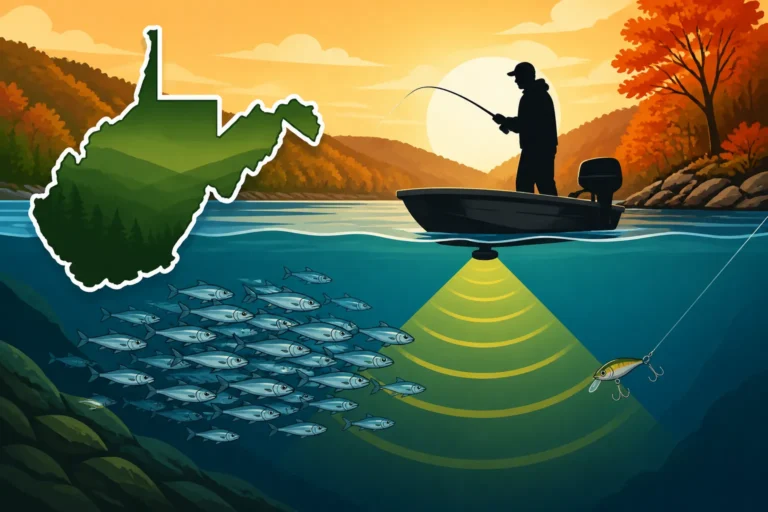
- Deep Water Structure: This is your primary target. Think about deep ledges, humps, points, and channel swings. Muskie will often suspend over these deep structures, especially where baitfish are congregating. Submerged timber, rock piles, and old roadbeds in deeper sections of lakes like Summersville Lake or Cheat Lake become muskie magnets. They use these features for cover and as ambush points. Don't be afraid to fish depths you might typically ignore in warmer weather – muskie can be holding anywhere from 15 to 40 feet deep, sometimes even deeper depending on the water body.
- Current Seams: In rivers like the New River, current is king, even in winter. Muskie will often position themselves just outside the main current, in what we call current seams or eddies. These are areas where the faster water meets slower water, creating a natural conveyor belt for stunned baitfish. The fish can sit comfortably in the slower water, conserving energy, while waiting for a meal to drift by. Bridge pilings, large boulders, and bends in the river that create slack water are prime locations.
- Thermal Clines: While less pronounced in cold water, deeper lakes can still have slight thermal differences. Muskie might hold at the bottom of a thermocline or where warmer groundwater might be seeping into the lake, creating a slight, localized temperature increase. This is where good sonar and understanding your lake's contours really pays off.
Top Techniques for Cold Water Muskie
Once you understand why muskie behave the way they do in cold water, the how of catching them starts to make a lot more sense. Forget the fast, erratic retrieves of summer; winter calls for a much slower, more deliberate approach that appeals to a lethargic predator.
Slow-Rolling Large Baits
This is arguably the most effective technique when the water is cold. Muskie in winter want a big, easy meal that doesn't require much effort to catch. Slow-rolling refers to presenting a large bait at a deliberately slow speed, often just enough to give the lure its intended action without overworking it.
- Glide Baits: These lures are fantastic because they mimic a wounded or slow-moving baitfish with a subtle, side-to-side glide. Brands like Bondy Bait Co. or Musky Innovations make excellent ones. The key is to cast it out, let it sink to the desired depth (often deeper than you'd think), and then use a slow, steady retrieve with occasional pauses and gentle rod twitches. The pauses are critical; they allow the bait to momentarily suspend or slowly fall, often triggering a strike from a following muskie. Imagine a shad struggling – that's the vulnerability you're trying to emulate. You can find a good selection of these on Amazon for competitive prices.
- Large Swimbaits: Soft plastic swimbaits, especially those with a large paddle tail, create a lot of subtle vibration and a natural swimming motion at slow speeds. These baits, often 8-12 inches long, can be rigged with weighted hooks or internal weights to get them down deep. Your retrieve should be agonizingly slow, just enough to make the tail kick. Don't be afraid to experiment with different weights to control the sink rate and retrieve depth. Sometimes, letting it tick bottom or just barely clear the structure is what seals the deal. The slower the better in really cold conditions; remember that the fish isn't going to chase.
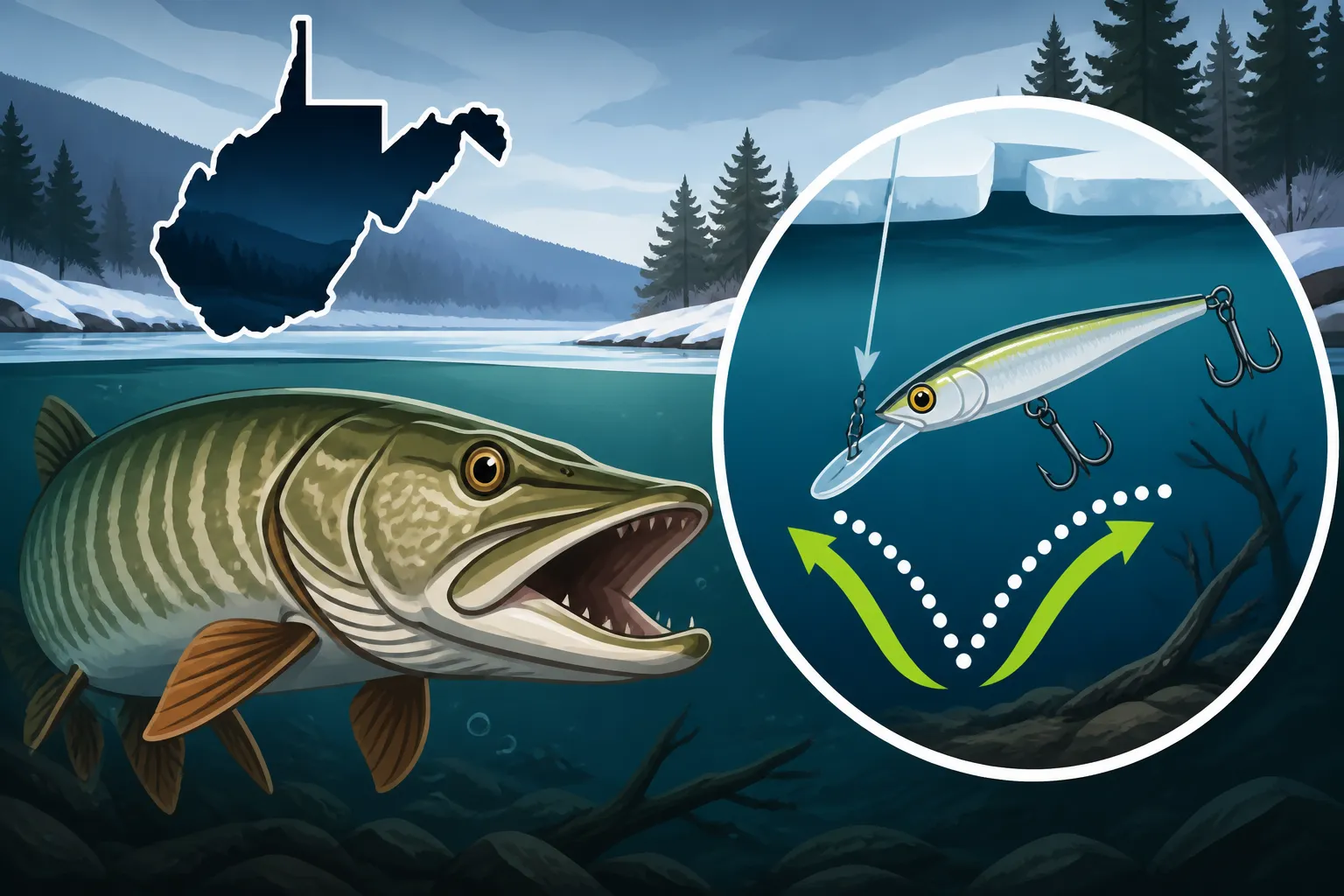
- Jerkbaits (Suspending): While often associated with warmer water, suspending jerkbaits can be deadly in cold water. These are hard baits that, when paused, will hang motionless in the water column. Cast it out, twitch it a few times, then pause for an extended period – sometimes 5 to 15 seconds, or even longer in frigid conditions. The muskie might just stare at it, waiting for that next twitch, or they might just decide it's too easy a target to pass up. The trick is to find the cadence that works on a given day.
Jigging Deep Structure
When muskie are really hunkered down and holding tight to deep structure, vertical jigging becomes incredibly effective. This technique involves dropping a lure directly down to the fish and working it vertically.
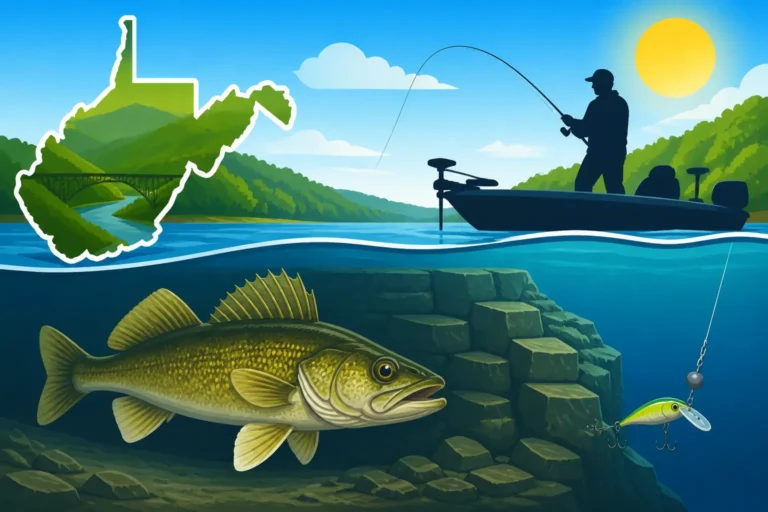
- Blade Baits and Heavy Spoons: Lures like the Sebile Vibrato or heavy jigging spoons (think larger versions of ice fishing spoons) are excellent for this. They sink quickly, have a tight vibrating action on the lift, and flutter tantalizingly on the fall. Position your boat directly over the structure or where you're seeing fish on your sonar. Drop your bait to the bottom, then lift and drop, maintaining control of the line on the fall. The strike often happens as the bait falls, so stay alert. This is a common technique used for Walleye Fishing in West Virginia as well, particularly in colder months.
- Soft Plastic Vertical Jigs: Large soft plastics, like those used for striped bass, rigged on heavy jig heads (1-3 ounces or more), can also be very effective. Look for baits with a slender profile or a large paddle tail that still moves well with minimal vertical movement. The retrieve is similar to spoons: a sharp lift, followed by a controlled fall. Focus on subtle movements, sometimes just a slight jiggle of the rod tip, to entice a strike without overworking a sluggish muskie. Many anglers prefer a medium-heavy to heavy power rod for jigging, allowing them to feel the subtle bites and maintain control over the heavy lure.
Trolling Deep Diving Lures
For covering water efficiently and presenting lures at consistent depths, especially in large reservoirs, trolling can be a fantastic cold-water strategy. It allows you to systematically work large areas of deep structure and find active fish.
- Deep Diving Crankbaits and Large Stickbaits: Choose lures designed to dive deep, often 15-30 feet or more, without additional weight. Lures like the Bucher DepthRaider, Rapala Super Shad Rap, or some larger Musky Mania Ernie Lures are excellent choices. Trolling speed is key here – much slower than your summer speeds. Often, a speed of 2.0 to 3.0 mph is ideal, just enough to get the lure to its maximum depth and give it its characteristic wobble. Experiment with different speeds; sometimes a slight acceleration or deceleration can trigger a strike.
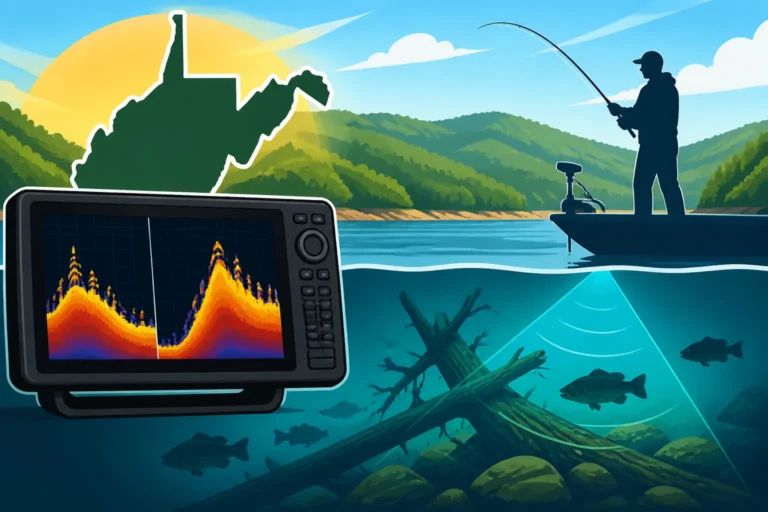
- Targeting Depth and Structure: Use your electronics to identify deep contours, submerged humps, and old creek channels. Troll your lures directly through these areas, paying close attention to your depth finders. Many cold-water muskie will suspend just off the bottom or along a deep contour. Don't forget that Muskie Fishing in West Virginia is popular year-round, but specific techniques change drastically with the seasons. Trolling can be particularly effective on larger lakes such as Summersville or Stonewall Jackson.
- Long Lining and Planer Boards: For spreading out multiple lines and covering more water, especially in expansive areas, long lining (letting out a lot of line) and using planer boards can be very effective. This allows you to present different lure colors, sizes, and depths simultaneously, increasing your chances of finding what the muskie are keying in on that day. Just remember to check the Muskie Regulations in West Virginia Waters as there are specific rules about how many rods you can fish simultaneously.
Essential Gear for Cold Water Muskie
Having the right gear isn't just about comfort; it's about maximizing your effectiveness and safety when battling a powerful fish in challenging conditions. Investing in quality equipment truly pays off when you're targeting big muskie in the cold. You can find excellent options on Amazon for many of these specialized items.
Rods and Reels for Power and Sensitivity
Cold water muskie fishing often means bigger baits and more subtle bites, requiring a specific setup that balances power with sensitivity.
- Rods: You'll want heavy or extra-heavy power rods, typically 8 to 9 feet long, with a moderate-fast or fast action. The length helps with long casts of heavy baits and provides leverage for fighting big fish. The heavy power ensures you can handle large lures and set hooks effectively into bony muskie mouths, while the action allows for enough tip sensitivity to detect those faint cold-water taps. For example, a heavy, 8'6" rod can be perfect for throwing those 8-12 inch swimbaits. Consider a durable graphite blank for increased sensitivity. The Best rod setup for New River muskie for cold water is going to prioritize strength and backbone.
- Reels: High-quality baitcasting reels with a strong drag system and a good line capacity are essential. Look for models with a low gear ratio (e.g., 5.3:1 or lower) which provide more cranking power for slow-rolling large baits, rather than speed. This torque is invaluable when retrieving heavy lures or pulling a big muskie out of thick cover. Brands like Abu Garcia, Shimano, and Daiwa offer robust muskie-specific reels that stand up to the abuse.
Line Selection for Strength and Stealth
Your line is the crucial connection to the fish, and in cold, often clearer water, it needs to be both strong and less visible.
- Braided Main Line: Most muskie anglers opt for braided line as their main line, usually in the 80 to 100-pound test range. Braid offers incredible strength, zero stretch for solid hooksets, and excellent sensitivity for feeling subtle bites in deep water. Its thin diameter also helps heavy baits sink faster. However, braid can be more prone to freezing or holding ice in extreme cold, so some anglers will lightly spray their line with an anti-ice fishing spray.
- Fluorocarbon Leaders: While braided line is great for the main line, you absolutely need a strong leader for muskie's razor-sharp teeth. Many cold-water muskie anglers prefer heavy fluorocarbon leaders, ranging from 80 to 130-pound test. Fluorocarbon is nearly invisible underwater, which can be an advantage in clear winter waters, and it's highly abrasion-resistant. It's also stiffer than mono leaders, helping to prevent fouling of large baits. The length of the leader can vary, but generally 12-24 inches is sufficient. This choice is vital for Best Line Weight for Muskie Fishing and overall success.
Lure Choices for Cold Water
The specific lures you throw will vary based on water conditions, but here are some general categories that excel in cold water:
| Lure Type | Recommended Size | Retrieve Speed | Preferred Depth | Notes |
|---|---|---|---|---|
| Glide Baits | 6-12 inches | Slow to Medium | Mid-to-Deep (10-30 ft) | Subtle side-to-side action, often paused |
| Large Swimbaits | 8-14 inches | Very Slow | Mid-to-Deep (10-40 ft) | Natural swimming action, minimal rod movement |
| Suspending Jerkbaits | 6-10 inches | Slow w/ long pauses | Shallow-to-Mid (5-20 ft) | Hangs motionless, ideal for twitch-pause retrieve |
| Heavy Spoons | 3/4 – 2 oz+ | Vertical Jig | Deep (20-50+ ft) | Rapid sink, fluttering fall, sharp lifts |
| Deep Diving Crankbaits | 6-12 inches | Slow Troll | Deep (15-30+ ft) | Consistent wobble, covers large areas quickly |
| Hair Jigs | 1-3 oz with large bucktail | Slow Hop/Drag | Bottom (15-40 ft) | Natural pulsation, subtle movement on retrieve |
For cold, clear water, natural baitfish colors (shad, perch, sucker patterns) are often effective. In stained or darker water, flashier colors or those with contrast (black/orange, firetiger) can sometimes be better. Remember, the presentation is often more important than the exact color. For an even deeper dive into specific options, check out our guide on Best Lures for Muskie Fishing in West Virginia.
Safety and Preparation for Winter Muskie Fishing
Chasing muskie in the cold isn't just about the fish; it's about being prepared for the elements. West Virginia winters can be unpredictable, and being caught unprepared can quickly turn an exciting trip into a dangerous situation.
Layering and Cold Weather Apparel
Hypothermia is a real threat when temperatures plummet. Dressing appropriately is non-negotiable.
- Base Layers: Start with a good moisture-wicking base layer. This pulls sweat away from your skin, which is critical because wet skin chills much faster. Avoid cotton at all costs, as it retains moisture. Merino wool or synthetic materials are your best bet.
- Mid-Layers: Add insulating mid-layers like fleece jackets, down vests, or wool sweaters. These trap warm air close to your body. Depending on how cold it is, you might need multiple mid-layers.
- Outer Shell: Your outermost layer should be a waterproof and windproof jacket and bibs or pants. This protects you from rain, snow, and the biting wind chill, especially important if you're out on the water in a boat. Look for reputable brands known for cold-weather outdoor gear. Don't forget insulated gloves, a warm hat that covers your ears, and waterproof, insulated boots. Frostbite is no joke, and fingers and toes are often the first to go. Many of these items are readily available on Amazon for every budget.
Boat Safety and Essential Equipment
If you're heading out on a boat, the risks are compounded. Safety should be your absolute top priority.
- PFDs (Personal Flotation Devices): Wear your PFD, especially if you're fishing alone or in adverse conditions. Cold water immersion is incredibly dangerous; a PFD keeps you afloat and can literally save your life. Ensure everyone on board understands and adheres to Life Jacket Requirements for West Virginia Boaters.
- Emergency Gear: Always have a fully charged cell phone (in a waterproof bag!), an extra set of dry clothes, a first-aid kit, and a way to start a fire. Consider carrying a portable marine radio for emergencies where cell service is unreliable, which can be common in many remote areas of West Virginia. Jumper cables, a spare prop, and basic tools are also smart additions.
- Navigation and Weather: Check the weather forecast meticulously before you go, and be prepared to cut your trip short if conditions deteriorate. Fog can roll in quickly on West Virginia lakes and rivers, and ice can form rapidly overnight. Ensure your boat's navigation lights are working, and consider a reliable GPS unit if you're venturing far from familiar waters. A clear understanding of West Virginia Boater Education Certificate Requirement is also highly recommended for safe operation.
Fish Care in Cold Temperatures
You've successfully battled a monster muskie in the cold – congratulations! Now, it's crucial to handle the fish with extreme care to ensure its survival, especially if you're practicing catch and release, which is common for muskie.
- Minimize Air Exposure: A muskie's gills can freeze or be damaged by cold air very quickly. Keep the fish in the water as much as possible while unhooking and measuring. If you must lift it for a photo, do so quickly and support its body horizontally.
- Use a Large, Rubber-Coated Net: A large, knotless, rubber-coated net is essential. It minimizes damage to the fish's fins and slime coat.
- Unhooking Tools: Have long-nose pliers, bolt cutters (for cutting hooks if necessary), and a jaw spreader easily accessible. These tools allow you to quickly and safely remove hooks without excessive handling of the fish.
- Revival: If the muskie seems sluggish before release, hold it gently by the tail and jaw in the water, facing into any current. Move it back and forth slightly to push water over its gills until it swims away under its own power. You can learn more about proper handling in our guide on Muskie catch and release survival tips. The goal is always to release these incredible fish in the best possible condition for another angler to enjoy.
Fishing for muskie in cold water is a truly unique experience. It tests your patience, your knowledge, and your ability to adapt to challenging conditions. But for those who embrace the chill, the reward of a massive, hard-fighting muskie breaking the surface against a backdrop of bare trees and crisp air is a memory that truly lasts a lifetime. Good luck out there, and stay warm!
Disclaimer
Fishing conditions and regulations in West Virginia can change. Always consult the latest West Virginia Division of Natural Resources (WVDNR) fishing regulations before heading out on the water. This information is for general guidance and educational purposes only.