Night Fishing for Muskie in West Virginia
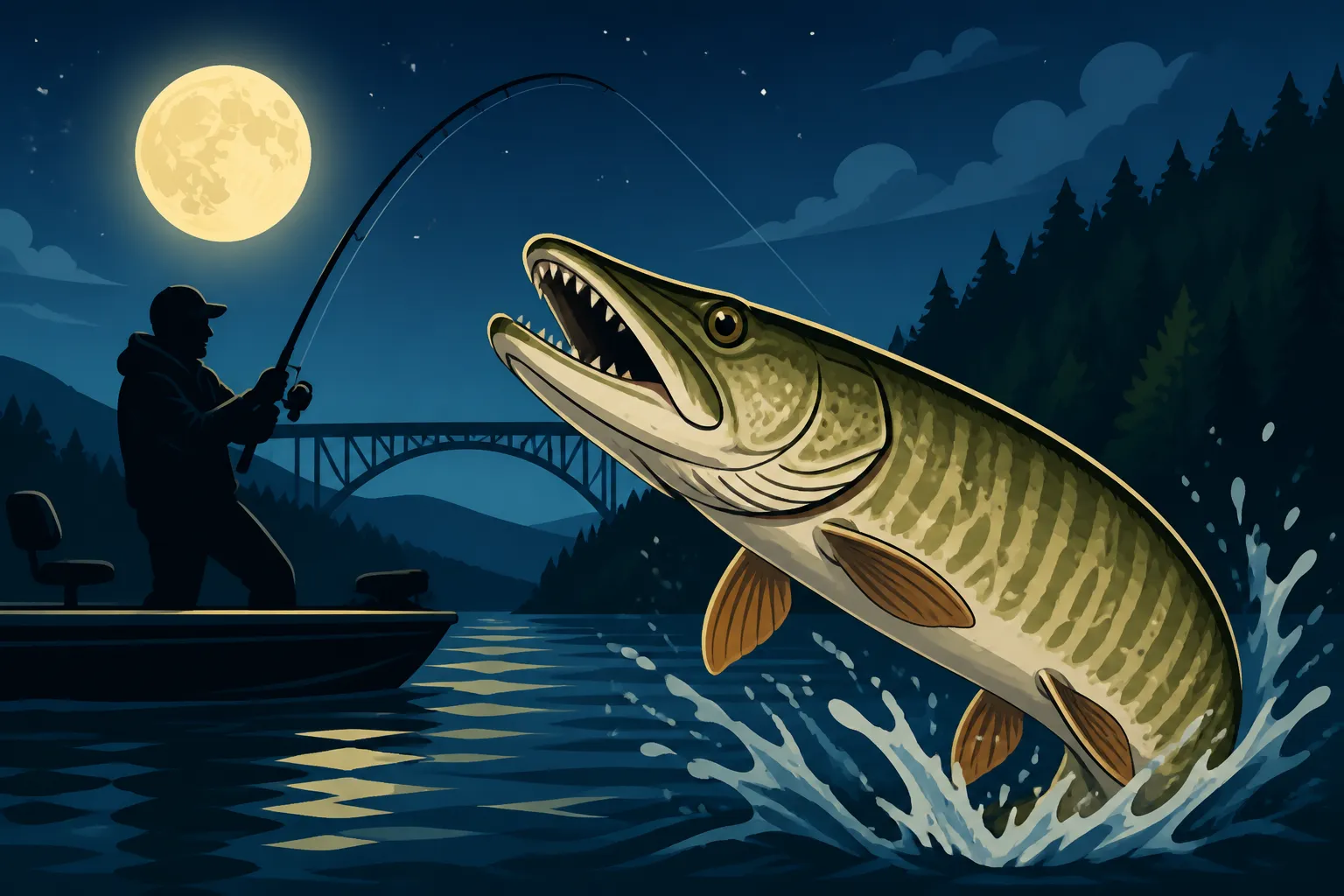
There's a unique thrill that comes with chasing West Virginia's apex predator, the mighty muskie, especially when the sun dips below the mountains and the rivers turn to shadowy whispers. Many anglers find themselves frustrated with daytime muskie fishing, facing heavily pressured waters and elusive strikes. This comprehensive guide is designed to equip you with the knowledge and tactics needed to unlock the mysteries of night fishing for muskie, transforming those challenging waters into prime hunting grounds after dark.
Why Chase Muskie After Dark? Unlocking the Night Bite
For many anglers, the idea of targeting muskie in the pitch black of night seems daunting, if not a little crazy. But there's a compelling reason why seasoned muskie hunters often prefer the cloak of darkness: it can be incredibly productive, often yielding some of the biggest fish of the season.
Reduced Pressure and Increased Activity
Imagine your favorite muskie stretch during the day – boats, kayaks, bank anglers, all casting, retrieving, and putting pressure on these wary fish. As soon as the sun goes down, most of that activity vanishes. This reduction in pressure can make a world of difference. Muskie, being ambush predators, often become more confident and active under the cover of darkness. They might move into shallower water or more open areas that they'd avoid during daylight hours when they're more exposed. It's like the whole river takes a deep breath, and the muskie feel it.
Think about how other nocturnal predators operate; they use the night to their advantage, and muskie are no different. They rely on their keen senses, especially their lateral line system, to detect vibrations and movement in low light. This shift in their behavior means they might be more inclined to strike at a well-presented lure, whereas they might have been hesitant or simply followed it during the day. It’s a completely different game, one where the odds can actually swing more in your favor if you understand how to play it.
Targeting Larger, Warier Fish
It’s often said that the biggest fish are the smartest, and that certainly holds true for muskie. Trophy muskie have survived countless encounters with anglers, avoided predators, and learned to be incredibly cautious. These older, larger fish are often more nocturnal in their feeding habits, preferring the obscurity of night to hunt. They become less visible to their prey, and perhaps more importantly, less visible to us.
By embracing night fishing, you're tapping into a time when these behemoths might let their guard down just a little. The largest muskie in a system are often those that are most adept at hunting in low-light conditions, using stealth and surprise. While it takes patience and specialized techniques, the reward can be a truly giant muskie, the kind that might only show itself once the moon is high. Plus, the sheer mystery of not seeing what's following your lure until it explodes on the surface right next to your boat adds an unparalleled level of excitement to the pursuit.
Essential Gear for Night Muskie Success
Night fishing for muskie isn't just about showing up with your daytime tackle once the sun goes down. It requires a dedicated setup, with an emphasis on safety, visibility, and specific tools to handle these powerful fish in the dark. Skimping on the right gear can turn a thrilling night into a frustrating, or even dangerous, ordeal.
Lighting and Visibility Aids
First and foremost, you need to see, and be seen. Reliable lighting is paramount. A high-quality headlamp is non-negotiable, offering hands-free illumination for tying knots, unhooking fish, and navigating. Look for models with red light options to preserve your night vision, as well as a powerful beam for scanning the water. You'll want something durable and waterproof, especially for river conditions. Many anglers swear by brands like Fenix or Black Diamond for their reliability.
Beyond personal lighting, if you're in a boat, proper navigation lights are crucial for safety and legal compliance. Make sure your boat's bow and stern lights are functioning perfectly. Supplemental lighting, like small LED strip lights mounted inside your boat, can be incredibly helpful for seeing your tackle, handling fish, or just moving around safely without blinding yourself or your companions. Some anglers even use glow sticks or small, waterproof LED lights attached to their lures or leader for better visibility of their presentation, though this is a matter of personal preference and can sometimes deter fish. Remember, on the river, other boats might also be out there, so making yourself visible is key.
Specialized Lures and Tackle
While many of your favorite daytime muskie lures can still be effective at night, some adjustments will significantly increase your success rate. Darker colors tend to silhouette better against the faint night sky or moonlight, making them more visible to a muskie's eyes. Think black, dark purple, or even a combination of black and red. Also, lures that create significant vibration and noise are often preferred, as muskie rely heavily on their lateral line system in the dark. Large bladed bucktails, big deep-diving crankbaits that wobble aggressively, or topwater lures with strong thumping actions are excellent choices.
When it comes to tackle, heavy-duty gear is a must. You don't want to be under-gunned in the dark with a massive muskie on the line. Stout rods (heavy or extra-heavy power, 8 to 9 feet in length), baitcasting reels with a strong drag system (like those designed for saltwater or big game), and heavy braided line (80-100 lb test) are essential. A robust fluorocarbon leader (100-150 lb test) is also critical to prevent bite-offs. It's a good idea to have your leaders pre-tied and easily accessible, as tying knots in the dark can be a real headache. Don't forget a substantial net—a wide-hoop, deep-bag muskie net is non-negotiable for safe landing and handling. These can often be found on online retailers like Amazon, offering a wide selection to choose from.
Essential Safety and Handling Tools
Safety should always be your top priority, especially when night fishing. Beyond lighting, every angler should wear a PFD (Personal Flotation Device), even if you're a strong swimmer. The unexpected can happen quickly in the dark, and a PFD is your best insurance. Having a fully charged cell phone in a waterproof case, a first-aid kit, and an air horn or whistle for emergencies are also crucial. A sharp knife, pliers, and bolt cutters (for cutting hooks in a hurry) should be within easy reach.
Handling muskie in the dark presents unique challenges. Their sharp teeth, gill plates, and powerful thrashing can be dangerous. A long-nosed hook remover is absolutely vital for safe unhooking, minimizing contact with the fish's mouth. Heavy-duty jaw spreaders can also be helpful, though use them sparingly and with care. Once you've landed a muskie, cradle it in the net in the water as much as possible, using your headlamp to quickly assess the hook situation. Work quickly and efficiently to unhook, photograph (if desired, with minimal time out of water), and release the fish. Remember, fish health and your safety are paramount. Carrying a large, soft measuring board or bump board is also a good idea for quickly getting a measurement without undue stress on the fish.
Mastering Night Muskie Techniques
Night fishing for muskie isn't just about being out there when it's dark; it's about adapting your entire approach to the unique conditions that darkness presents. The fish behave differently, and you need to adjust your techniques accordingly.
Slower Retrieves and Distinct Presentations
One of the biggest mistakes anglers make when night fishing is continuing to retrieve their lures at the same speed they would during the day. In the dark, muskie rely more on sound and vibration, and their reaction time might be slightly different. A slower, more deliberate retrieve allows the muskie more time to locate your lure by its vibrations and gives them a better opportunity to commit to the strike.
Think about how a muskie senses its prey in low light. It's not primarily visual. So, a lure that moves slowly, but creates a strong, consistent thumping, wobbling, or gurgling action, is often more effective. This might mean using a slow roll with a large bucktail, a deliberate crank with a deep-diving plug that has a wide wobble, or a topwater bait that pushes a lot of water with each retrieve. Focus on distinct pauses and erratic movements; these sudden changes in rhythm can trigger a reactive strike from a fish that's been tracking your lure. Remember, the goal is to make your lure easy to find and irresistible to hit, even when visibility is near zero.
Utilizing Noise and Vibration
As mentioned earlier, noise and vibration are your best friends when night fishing for muskie. While visual cues are diminished, the muskie's lateral line system, which detects pressure changes and vibrations in the water, becomes their primary tool for hunting. Lures designed to create significant hydro-acoustic signals will stand out in the dark.
Consider using large bladed bucktails, especially those with tandem or triple blades that create a lot of flash and thump. Big crankbaits with internal rattles or wide wobbles are also excellent. Topwater baits that create a strong "plopping" or "chugging" sound, like prop baits or large walk-the-dog style lures, can be incredibly exciting at night, as the strike is often purely by sound. When you're casting, pay attention to how your lure feels through the rod. You want to feel that distinct vibration, knowing that the muskie can feel it too. Sometimes, a subtle change in your retrieve, like a slight jerk or a momentary pause, can amplify these vibrations, making your lure even more enticing to a lurking muskie.
The Figure-Eight and Safe Handling
The figure-eight, a technique where you sweep your rod tip in a large "8" pattern at the side of the boat before lifting your lure from the water, is always crucial for muskie fishing, but it's even more so at night. Many muskie follow a lure all the way to the boat and will only strike at the very last second, when they think their prey is about to escape. In the dark, you won't see these followers, so performing a thorough figure-eight every single cast is absolutely non-negotiable. Don't skip it; that's often when the biggest fish will show themselves.
Once you have a muskie on, especially in the dark, safety and efficient handling are paramount. As soon as the fish is in the net, keep it in the water if possible. Use your headlamp to quickly locate the hooks. If the fish is deeply hooked or difficult to handle, don't hesitate to cut the hooks using your bolt cutters. Your fishing goal is to release these magnificent creatures to fight another day, and doing so quickly and safely in the dark is a critical skill. Have your unhooking tools and camera ready, work efficiently, and get the fish back in the water as fast as you can. It's a dance you'll perfect over time, but always prioritize the fish's well-being and your own safety.
Prime West Virginia Waters for Night Muskie
West Virginia is renowned for its excellent muskie fishing, and many of these waters can be fantastic for night angling. However, some stand out due to their established muskie populations, accessibility, and structure that lends itself well to nocturnal pursuits. Understanding where to focus your efforts can significantly increase your chances of success.
Rivers and Lakes with Established Muskie Populations
Several of West Virginia's larger rivers and reservoirs are known muskie strongholds and are excellent candidates for night fishing. The New River, for instance, particularly the stretches within the New River Gorge, holds an impressive population of muskie, many of which are trophy-sized. Its rocky structure, deep pools, and current breaks offer perfect ambush points for muskie. Fishing the edges of these deeper holes or around submerged timber at night can be incredibly productive. You can learn more about specific spots in our guide to New River Muskie Fishing.
Another prime location is the Little Kanawha River, especially its lower reaches. This river is known for its incredible muskie population and is often featured when discussing Muskie Fishing in West Virginia. The Cheat River and Elk River also offer great muskie opportunities. For lake anglers, places like Stonewall Jackson Lake and Burnsville Lake are fantastic muskie fisheries that can yield big fish after dark. These impoundments often have abundant baitfish populations that muskie will actively hunt once the pressure is off.
Targeting Key Structures and Ambush Points
At night, muskie still relate to structure, but their positioning might shift. During the day, they might hold tight to cover in deeper water. At night, they may move shallower or patrol open flats adjacent to deeper water. Focus your casts on areas where baitfish are likely to congregate or where muskie can easily ambush their prey.
Look for current seams, submerged rock piles, log jams, and points that extend into the main channel on rivers. On lakes, target weed lines (if present), submerged humps, channel swings, and areas around creek mouths where baitfish might be abundant. Casting topwater lures over shallow flats that drop off into deeper water can be particularly exciting at night. Pay close attention to eddies and slack water areas just out of the main current on rivers; these often hold feeding muskie. Remember that muskie are very sensitive to changes in water temperature and oxygen levels, so understanding the contours and features of the specific body of water you're fishing is crucial. A good fish finder, even a portable one, can help you identify these hidden structures during daylight scouting or by marking them on GPS for night return trips.
Safety First: Navigating the Night
Fishing at night, especially for a powerful fish like a muskie, adds layers of challenge and potential risk that aren't present during daylight hours. Taking comprehensive safety precautions isn't just a suggestion; it's an absolute necessity. Your well-being and that of your fishing companions depend on it.
Pre-Trip Planning and Communication
Before you even think about launching your boat or stepping onto the bank after dark, a thorough pre-trip plan is essential. Always let someone know where you're going, when you expect to return, and who you're with. This is non-negotiable. Share your float plan or exact fishing location with a trusted friend or family member. Ensure your phone is fully charged and stored in a waterproof bag. Consider carrying a portable charger for longer outings.
Beyond communication, scout your chosen fishing area during the day. Familiarize yourself with potential hazards like submerged rocks, shallow bars, rapids, or tricky bank access points. What looks like a clear path in daylight can become a dangerous obstacle in the dark. Mark these hazards on a GPS if you're boating, or make mental notes if you're on foot. Check the weather forecast meticulously. Night temperatures can drop quickly, and unexpected storms can turn a calm night into a perilous one. Prepare for all eventualities, and if the weather looks iffy, it’s always better to reschedule.
Navigational Awareness and Emergency Preparedness
When operating a boat at night, extreme caution is vital. Reduce your speed significantly, especially in unfamiliar waters. Rely on your navigation lights, but understand their limitations. A good spotlight can help you scan ahead for debris, other boats, or hazards, but use it sparingly to avoid blinding yourself or others. If you're using a GPS or chartplotter, ensure it's loaded with detailed maps of the area and that you know how to use it proficiently in the dark. Our guide on West Virginia Boating Laws for Anglers will give you more specific details on regulations you must follow.
Always have a complete emergency kit onboard or easily accessible if bank fishing. This should include a first-aid kit, extra batteries for your lights, a whistle or air horn, a spare paddle, and a throw cushion or rope bag if you're on the water. Wearing your PFD at all times, not just having it on board, is a habit that can save your life. In the unlikely event of capsizing or falling into the water, knowing how to quickly self-rescue or signal for help is paramount. A good knife, easily accessible, is also important for cutting lines or dealing with entanglements in an emergency.
Table of Essential Night Muskie Safety Gear
| Item | Purpose | Key Features | Where to Source |
|---|---|---|---|
| Headlamp | Hands-free illumination, knot tying, fish handling | Red light option, powerful beam, waterproof, durable | Sporting goods stores, online retailers (e.g., Amazon) |
| Boat Navigation Lights | Legal compliance, visibility to other boaters | Properly mounted, working bow & stern lights | Marine supply stores |
| Personal Flotation Device (PFD) | Drowning prevention | Comfortable, well-fitting, worn at all times | Sporting goods stores, online retailers (e.g., Amazon) |
| First-Aid Kit | Treat minor injuries | Bandages, antiseptic wipes, pain relievers, gauze | Drugstores, outdoor retailers |
| Air Horn / Whistle | Emergency signaling, alert other boaters | Loud, reliable, easily accessible | Sporting goods stores, marine supply stores |
| Waterproof Phone Case | Protect electronics, ensure communication | Submersible, secure seal | Electronics stores, online retailers (e.g., Amazon) |
| Long-Nose Hook Remover | Safe unhooking of muskie | Stainless steel, long reach, strong grip | Tackle shops, online fishing stores |
| Bolt Cutters | Emergency hook removal (cut hooks quickly) | Heavy-duty, sharp, easily accessible | Hardware stores, some tackle shops |
| GPS/Chartplotter | Navigation, marking hazards and waypoints | Detailed maps, reliable, waterproof | Marine electronics stores, online retailers |
| Spare Batteries / Power Bank | Backup for lights and electronics | Appropriate sizes for all devices | General stores, electronics stores |
Disclaimer
The information provided in this guide is for general informational purposes only. Fishing regulations, conditions, and safety best practices can change. Always consult the latest West Virginia Department of Natural Resources (WV DNR) regulations before fishing and exercise extreme caution when on or near the water. Prioritize your safety and the well-being of the fish at all times.