Best Bass Fishing Techniques for Summersville Lake
Summersville Lake, with its stunning emerald waters and dramatic sandstone cliffs, might look like a picture-perfect fishing paradise, but anyone who's spent a day chasing bass here knows it can be notoriously challenging. Its clear, deep waters and abundant structure can make finding and consistently catching those feisty largemouth and smallmouth a real head-scratcher. This guide is designed to cut through that frustration, offering proven strategies and techniques to help you unlock Summersville's bass fishing potential.
Decoding Summersville Lake's Bass Population
Before you can truly master bass fishing on Summersville Lake, you've got to understand the primary players and where they tend to hang out. This lake is home to both largemouth and smallmouth bass, each with their own unique preferences and behaviors, which means you can't approach them with a one-size-fits-all strategy. Knowing what to expect from each species, and where to reasonably expect to find them, is your first step toward a more productive day on the water.
The Elusive Largemouth Bass
While Summersville Lake is often lauded for its smallmouth fishing, the largemouth bass population here is healthy and can offer some incredible action, especially for those who know where to look. Unlike the more rock-oriented smallmouth, Summersville's largemouth often seek out areas with more cover and submerged vegetation, though actual aquatic vegetation can be sparse in a reservoir like this, especially after a drawdown. They'll often relate to fallen timber, brush piles, subtle coves with flatter banks, or even the back ends of larger pockets and creeks where some silt and softer bottom might accumulate. The lower, flatter portions of the lake, particularly in the upstream sections or larger coves, tend to hold a higher concentration of largemouth.
You'll find these green-backed beauties lurking in the shadows, ambush predators waiting for an unsuspecting meal to swim by. They're not always easy to coax out, especially in the lake's typically clear water, so a stealthy approach and precise presentations are often key. Don't be afraid to slow down and meticulously pick apart any likely-looking cover, even if it doesn't immediately scream "bass." Sometimes, the biggest largemouth are tucked away in the most overlooked spots.
The Hard-Fighting Smallmouth Bass
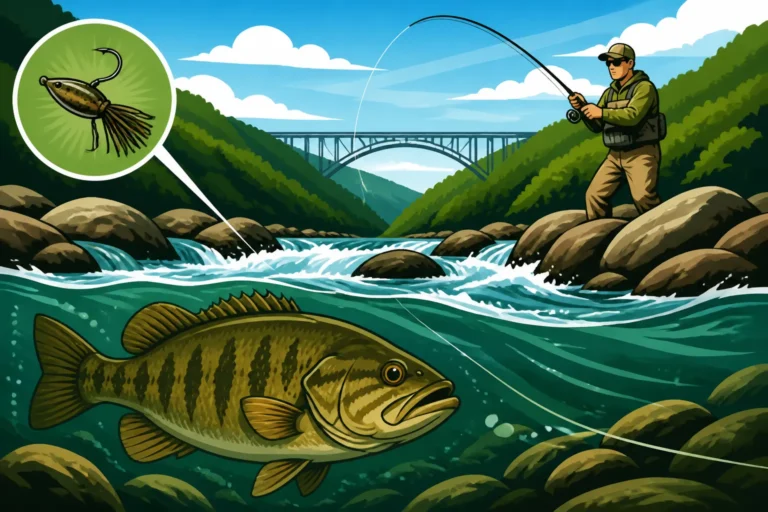
Ah, the smallmouth bass of Summersville Lake! These bronze beauties are arguably the star of the show for many anglers visiting the lake. Summersville's deep, clear, rocky environment is absolutely ideal for smallmouth, making it one of the premier spots in West Virginia to target them. Smallmouth here are true structure junkies, preferring rocky points, steep bluffs, offshore humps, rock piles, and gravel beds. They thrive in the deeper, cooler, more oxygenated water found throughout the main lake basin and toward the dam.
These smallmouth are known for their aggressive strikes and powerful, acrobatic fights, often leaping clear of the water multiple times. They can be found from just a few feet deep right down to 40 or 50 feet, depending on the season, weather, and available forage. When fishing for them, think "rock" and "depth." While you might occasionally find them cruising shallower flats, their bread and butter is often associated with sharp drops, submerged ledges, and irregular rock formations that provide both ambush points and access to deeper water. Understanding their preference for hard bottom and current (even subtle reservoir currents) will drastically improve your success.
Mastering Seasonal Bass Patterns
Summersville Lake's bass respond dramatically to the changing seasons, just like anywhere else, but its specific characteristics – clear water, significant depth, and fluctuating water levels – mean you can't just apply generic seasonal patterns. What works in spring will likely fall flat in summer, and a hot fall bite can quickly disappear with the first cold snap. Learning these nuanced seasonal shifts is critical for consistent success.
Spring's Productive Pre-Spawn and Spawn
Spring on Summersville Lake is a magical, albeit sometimes tricky, time for bass anglers. As water temperatures begin to climb from the 40s into the 50s and 60s Fahrenheit, both largemouth and smallmouth bass shake off their winter lethargy and begin their migration from deep wintering grounds toward shallower spawning areas. This is the pre-spawn period, when bass are feeding heavily to build energy for the rigors of spawning. You'll find them staging on secondary points, rocky ledges, and channel swings adjacent to prime spawning coves and flats. This can be one of the best times to catch trophy-sized fish, as they're actively feeding and concentrated.
As water temperatures reach the upper 50s and low 60s, the spawn kicks into gear. Largemouth will seek out flatter, softer-bottomed pockets and protected coves, often near submerged brush or timber, to build their nests. Smallmouth, true to form, will opt for gravelly or rocky flats and points, often a bit deeper than their largemouth cousins, but still within visual range in Summersville's clear water. Sight fishing can be effective during the spawn, but remember to respect the fish and minimize disturbance. Post-spawn, bass are often lethargic but will eventually move to slightly deeper water and begin to feed aggressively again as they recover. Many anglers find that the transition periods around the spawn, both pre- and post-spawn, offer the most consistent action.
Summer's Deep Water Challenges
When the scorching summer sun beats down on Summersville Lake, the bass move deep. The clear water here allows sunlight to penetrate further, pushing fish away from the shallows, especially during the brighter parts of the day. This is when your electronics really become your best friend. Largemouth will often relate to submerged timber, brush piles, or deep-water humps in the 15-30 foot range, sometimes even deeper. They'll also school up on thermocline edges if the lake develops one. Smallmouth, always lovers of rock, will retreat to deep main lake points, bluffs, rock ledges, and offshore humps, often holding in 20-50 feet of water.
The key to summer bass fishing on Summersville is to think vertical and slow. Drop-shot rigs, Ned rigs, football jigs, and deep-diving crankbaits become indispensable tools. Early mornings and late evenings might offer a brief window for topwater or shallower presentations, especially around shaded banks or points. But once the sun is high, prepare to fish deep, patiently dissecting structure with your sonar and precise lure placements. Don't be surprised to find large schools of baitfish, and consequently, bass, suspended over deep water, especially in the vicinity of channels or major lake features. This is a time when understanding your Best Fish Finders for West Virginia Lakes can make or break your day.
Fall's Energetic Feeding Frenzy
Fall is another fantastic time to chase bass on Summersville, as cooling water temperatures trigger a major feeding spree. Bass, sensing the impending winter, will begin to gorge themselves, often moving shallower and becoming incredibly aggressive. This "fall turnover" can mean fish are scattered initially, but once they settle, they're often easier to find and catch. Largemouth will move into shallower coves and creek arms, chasing baitfish that are pushed by cooler water. They'll relate to remaining cover, docks, and even rocky banks. Smallmouth, too, will become more active in shallower rock-oriented areas, frequently schooling up on main lake points, humps, and steep bluff walls.
You can often cover a lot of water with reaction baits like crankbaits, spinnerbaits, and even topwater lures during the early fall. As water temperatures continue to drop, moving into the 50s, jigs, tubes, and slower presentations become more effective, especially for larger smallmouth relating to deep structure. Look for concentrations of baitfish, as the bass won't be far behind. The cooler, crisp air and often stunning fall foliage make this a truly enjoyable time to be on the water, and the fish are usually quite willing to cooperate.
Winter's Subtlety
Winter bass fishing on Summersville Lake is not for the faint of heart, but it can be incredibly rewarding for those willing to brave the cold and practice patience. With water temperatures plummeting into the 30s and low 40s, bass metabolism slows dramatically. They'll hold tight to deep structure, often in large schools, conserving energy. Largemouth will typically be found in the deepest parts of creek channels, near submerged timber, or on vertical drops where they can find stable temperatures. Smallmouth will stack up on deep main lake points, humps, and bluffs, sometimes as deep as 60-80 feet.
Success in winter depends almost entirely on slow, vertical presentations. Spoons, blade baits, Ned rigs, and jigging minnows are your best bets. The bites will often be incredibly subtle, feeling more like spongy weight than a definitive "thump." It requires extreme focus and sensitive gear. Your electronics are absolutely essential for locating these deep, inactive schools. Once you find them, you can often catch multiple fish, but it might take a while to get them to commit. Don't rush your retrieves; letting your lure sit motionless for extended periods can often be the trigger needed to draw a strike.
Targeting Key Structures and Cover
Summersville Lake is a geological marvel, and its underwater landscape is just as dramatic as its towering cliffs. For bass anglers, this means a bounty of structure and cover to explore. Understanding what kind of structure holds fish and why is more important than simply randomly casting. The clarity of Summersville's water often means bass are relating tightly to these features for ambush, shade, and access to food and deeper water.
Rock Formations and Bluffs
If there's one defining characteristic of Summersville Lake's bass habitat, it's rock. From sheer sandstone bluffs that plunge straight down into the depths to sprawling rock fields, broken ledges, and scattered boulders, rock is everywhere. Smallmouth bass, in particular, are inextricably linked to these features. During the pre-spawn, they'll stage on the outside edges of rocky points and ledges. In summer and winter, they'll stack up on deep bluffs and humps, using the vertical relief for protection and access to different water columns.
Fishing these areas requires a variety of techniques. When bass are shallower, crankbaits that deflect off rocks, spinnerbaits, and even topwater walking baits can draw explosive strikes. For deeper rock, football jigs, drop-shot rigs, and tube baits are absolute killers. Work your baits slowly and deliberately, feeling for every rock and crevice. Pay close attention to subtle changes in rock size, composition, or angle, as these often create the "sweet spots" where bass will congregate. Don't overlook the shaded sides of bluffs, especially on sunny days, as these can hold active fish even when other areas are slow.
Submerged Timber and Brush Piles
While not as abundant as rock, Summersville Lake does have its fair share of submerged timber and man-made brush piles, especially in the upper sections and larger creek arms. These areas are magnets for largemouth bass, providing crucial cover, ambush points, and shade in the clear water. As the lake's water levels fluctuate, different timber lines will become exposed or submerged, creating dynamic fishing opportunities. Old stump fields, standing timber that was left when the lake was formed, and intentionally placed brush piles by the WVDNR or local anglers can hold impressive numbers of fish.
Fishing timber effectively means being prepared for snags. Weedless presentations are paramount. Texas-rigged worms, creature baits, and jigs with stout weed guards are go-to choices. Flipping and pitching these baits into the densest cover, letting them fall slowly, and working them with subtle twitches can trigger bites from wary largemouth. Sometimes, a reaction bait like a squarebill crankbait can be effective if you can crash it into the wood without getting hopelessly stuck. Always use strong line – fluorocarbon or braided line with a fluorocarbon leader – and a sturdy rod to muscle fish out of the cover. These areas are where some of the biggest largemouth in the lake call home, and they demand a precise and aggressive approach.
Main Lake Points and Humps
Main lake points and offshore humps are transitional highways and feeding grounds for both largemouth and smallmouth bass on Summersville. Points that extend far out into the main lake, especially those with rock and quick access to deep water, are classic bass holding areas. Humps, which are essentially underwater hills or mounds, provide excellent ambush points, especially if they have some broken rock or even a bit of brush on top. These features can hold fish throughout the year, with bass often staging on their deep sides in winter and summer, and moving shallower to feed on top during spring and fall.
These structures are perfect for covering water with deep-diving crankbaits, spoons, or even dragging a football jig. Your fish finder is essential for locating these offshore humps and understanding their contours. Look for baitfish activity around these structures, as bass will often be nearby. When you locate a promising point or hump, make multiple passes from different angles and depths, trying various presentations. Sometimes, moving just a few feet deeper or shallower can be the difference between an empty livewell and a boat full of Summersville bronze and green. Targeting these areas can be one of the Best Bass Fishing Techniques for Summersville Lake, especially for anglers who enjoy offshore fishing.
Top Lures and Presentations for Summersville Bass
Summersville Lake's clear water and varied structure mean you need a versatile tackle box to succeed. While general bass fishing lures apply, some shine brighter than others in this specific environment. The key is often to match the hatch, consider water clarity, and adapt your presentation to the bass's mood and depth. Having a selection of these confidence baits ready can make all the difference.
Crankbaits and Jerkbaits
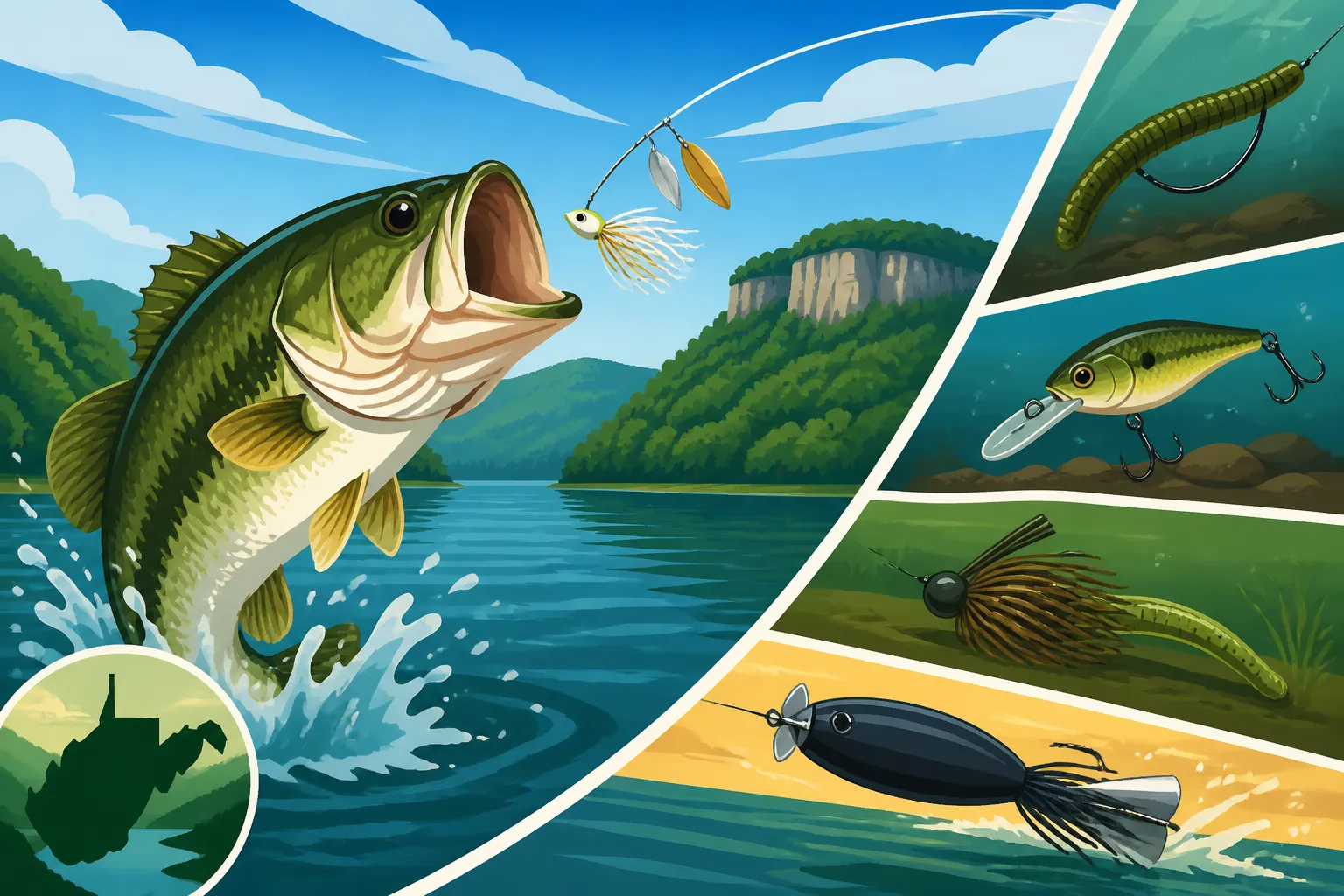
When bass are active and willing to chase, especially in the pre-spawn, post-spawn, and fall, crankbaits and jerkbaits can be deadly on Summersville. Deep-diving crankbaits are excellent for covering main lake points, humps, and rock ledges, especially those with steep drops. Colors like natural baitfish patterns (shad, perch), crawfish imitations (browns, oranges), and chrome can be highly effective in the clear water. The key is to make contact with the bottom or structure, letting the lure deflect and trigger reaction strikes. For example, a reliable deep diver like a Strike King 6XD or a Rapala DT Series crankbait can cover depths from 12-20 feet, hitting those crucial transition zones. You can find a wide selection of these options on Amazon.
Jerkbaits, on the other hand, are fantastic for suspending fish and enticing strikes from more wary bass, particularly in cooler water or during slower periods. Their erratic darting action and pauses are incredibly effective at mimicking injured baitfish. Work them over points, around bluffs, and along rocky banks. Natural shad, silver, or ghost patterns are often best in Summersville's clear water. A Megabass Vision Oneten or a Lucky Craft Pointer are popular choices, but many brands offer great jerkbaits. Experiment with pause durations; sometimes a longer pause is all it takes to get that hesitant fish to commit.
Soft Plastics and Jigs
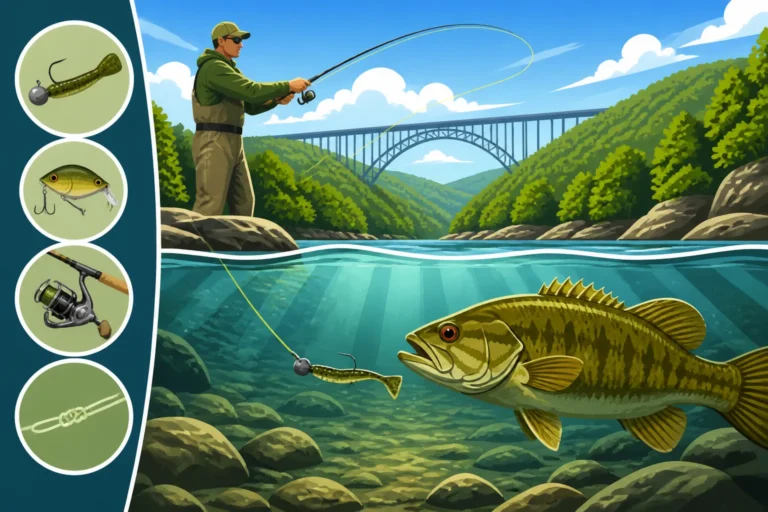
When the bite gets tough, or when bass are holding deep and tight to structure, soft plastics and jigs become your bread and butter. The versatility of soft plastics allows for countless presentations, but on Summersville, a few stand out. The drop-shot rig is practically mandatory for deep smallmouth. It allows you to present a small plastic worm, minnow, or creature bait precisely at the fish's level, keeping it off the bottom and in their strike zone. Finesse worms, straight-tail worms, and small creature baits in green pumpkin, natural shad, or brown colors are excellent choices.
The Ned rig is another finesse powerhouse, especially effective for both largemouth and smallmouth when they are lethargic or pressured. Its small, mushroom-shaped jig head paired with a short, buoyant worm stands up off the bottom, presenting an irresistible, subtle meal. It’s perfect for dragging over rocky areas, fishing around brush piles, or targeting fish on deep humps. For largemouth in timber, a Texas-rigged creature bait or straight-tail worm, paired with a tungsten weight, is ideal for punching through cover and presenting a weedless offering.
Finally, football jigs are fantastic for working deep, rocky bottom. Their wide head allows them to crawl over rocks and ledges without snagging excessively, and their bulky profile can entice bigger bites. Pair them with a crawfish-imitating trailer in browns, greens, or black-and-blue patterns. When you're fishing these depths, sensitive rods and braided line with a Best Fluorocarbon Line for Clear River Water leader will help you detect those often-subtle bites.
Topwater and Spinnerbaits
There’s nothing quite like a bass blowing up on a topwater lure, and Summersville Lake can offer some incredible topwater action, particularly during low light conditions in spring, summer, and fall. Walking baits (like Heddon Super Spooks or Lucky Craft Sammys) and poppers are excellent for drawing aggressive strikes from both smallmouth and largemouth. Work them over shallow points, along shaded banks, and near surface-breaking structure. Early mornings and late evenings, or overcast days, are prime times for topwater. The clear water means a frantic, erratic retrieve can often outperform a slow, methodical one, especially when bass are actively chasing bait.
Spinnerbaits and bladed jigs (like the Z-Man ChatterBait) are also excellent reaction baits, especially when bass are actively feeding or when you need to cover water. Their flash and vibration can be irresistible in a variety of conditions, from clear to slightly stained water (though Summersville is usually clear). Use tandem willow leaf blades for more flash and speed in clear water, or a Colorado/willow combination for more thump and lift. White, chartreuse, or natural baitfish patterns are typically effective. Run them along rocky banks, over submerged humps, or through the edges of timber, letting them tick off cover to trigger those aggressive strikes. These are great choices for covering a lot of water quickly to locate active fish.
Essential Gear and Electronics for Summersville Success
Fishing Summersville Lake effectively isn't just about knowing the techniques; it's also about having the right tools for the job. The lake's clear water, deep structure, and often finicky bass demand specific considerations for your rod, reel, line, and especially your boat electronics. Investing in quality gear tailored to these conditions can drastically improve your catch rates and overall enjoyment on the water.
Rods, Reels, and Line Choices
For a lake like Summersville, versatility is key, but so is specialization for certain techniques. For pitching jigs and Texas rigs into timber for largemouth, you'll want a medium-heavy to heavy power baitcasting rod, around 7' to 7'6" in length, paired with a high-speed baitcasting reel (7.1:1 or higher gear ratio). This setup provides the power to haul fish out of cover and the speed to pick up slack quickly. Spool it with 15-20 lb fluorocarbon or 30-50 lb braided line with a heavy fluorocarbon leader for abrasion resistance.
For smallmouth and finesse techniques, lighter gear is often preferred. A 6'6" to 7' medium-light to medium power spinning rod with a fast action tip, paired with a 2500-3000 size spinning reel, is ideal for drop-shotting, Ned rigs, and throwing light jerkbaits. Spool it with 6-10 lb fluorocarbon or 8-15 lb braided line with an 6-8 lb fluorocarbon leader. The sensitivity of this lighter setup is crucial for detecting subtle bites in deep water. For covering water with crankbaits and spinnerbaits, a 7' medium to medium-heavy crankbait-specific rod (often with a more moderate action) can be excellent, paired with a medium-speed baitcasting reel (6.3:1 to 7.1:1). Choosing the right Best Rods for West Virginia Rivers can also translate well to lake fishing, given the rugged nature of Summersville.
The Advantage of Quality Electronics
On a clear, deep, structure-rich lake like Summersville, your fish finder isn't just a luxury; it's practically a necessity. Good quality marine electronics can literally transform your fishing experience. You'll want units with Side Imaging (or SideScan) and Down Imaging (or DownScan) capabilities. Side imaging allows you to scan wide swaths of water to either side of your boat, revealing offshore humps, rock piles, submerged timber, and even schools of baitfish and bass that you might otherwise miss. This saves immense time and helps you locate productive areas much faster.
Down imaging provides a picture-like view directly beneath your boat, helping you distinguish between different types of bottom composition, identify individual fish relating to structure, and see brush piles with incredible clarity. 2D Sonar is still important for understanding depth and for seeing fish arches. Look for a unit with a high-frequency transducer for the best detail in Summersville's clear water.
Beyond just finding fish, using your electronics to understand contour maps (especially with LakeMaster or Navionics cards) is invaluable. Identifying subtle depth changes, creek channels, and submerged features is key to patterning bass. Consider investing in a quality unit like those offered by Humminbird or Garmin. Learning to interpret what your screen is telling you takes time and practice, but it's an investment that pays huge dividends on a lake as dynamic and deep as Summersville. It can be the difference between a frustrating day and a memorable one. If you're looking for an upgrade, researching different models and reading reviews on Amazon can give you a good idea of what's out there and what features are most beneficial for this kind of fishing.
West Virginia Fish Consumption Advisories
Before you pack up your cooler, it's always a good idea to be aware of any fish consumption advisories for West Virginia waters, including Summersville Lake. While fishing is a fantastic way to enjoy the outdoors and put fresh food on the table, certain bodies of water can have advisories due to contaminants like mercury or PCBs.
Always check the latest advisories issued by the West Virginia Department of Environmental Protection (WVDEP) and the West Virginia Division of Natural Resources (WVDNR). These advisories provide guidelines on how much fish from specific waters is safe to eat, particularly for sensitive populations like pregnant women, nursing mothers, and young children. Generally, larger, older predatory fish (like big bass or muskie) tend to accumulate more contaminants than smaller, younger fish or species lower on the food chain.
For the most up-to-date and specific information, visit the official WVDEP or WVDNR websites directly. They often have detailed maps and tables outlining advisories by specific lake or river section. Prioritizing catch-and-release, especially for larger fish, is a great way to ensure the health of the fishery and your own.
Disclaimer
The information provided in this guide is for general informational purposes only and is subject to change. Fishing regulations, season dates, and license requirements are set by the West Virginia Division of Natural Resources (WVDNR) and can be updated annually. Always consult the most current official West Virginia Fishing Regulations Summary before planning your fishing trip. Ensure you have the proper and up-to-date licenses, stamps, and permits. This guide is not a substitute for official regulations.