Ice Fishing in West Virginia
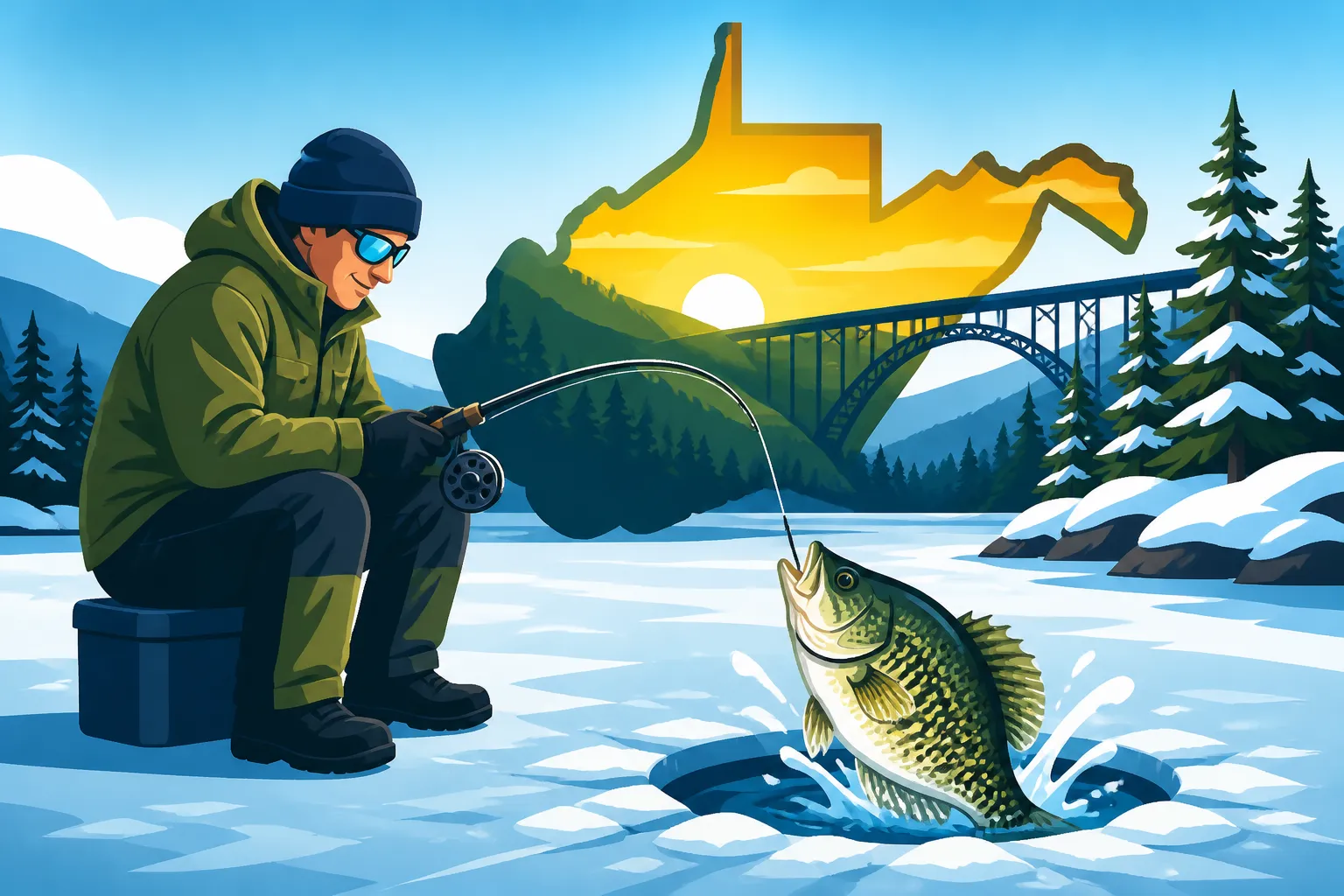
The thought of fishing usually conjures images of warm sunny days, gentle river currents, or calm lake waters. But for many adventurous anglers in West Virginia, winter brings a unique, quiet, and often incredibly productive challenge: ice fishing. It's not for the faint of heart, and the Mountain State's sometimes fickle winters can make it feel like a guessing game of "will it freeze or won't it?" This comprehensive guide is here to cut through the uncertainty, offering practical advice and deep insights to help you safely and successfully experience the thrill of hardwater fishing in West Virginia.
Understanding West Virginia's Ice Fishing Landscape
West Virginia isn't exactly renowned as an ice fishing mecca like some of our northern neighbors, but don't let that deter you! We absolutely have prime opportunities, especially in certain areas and on specific bodies of water. The key is understanding where and when to find safe, fishable ice, as our winters can be a bit… temperamental.
Where Ice Fishing is Possible
When we talk about reliable ice fishing spots in West Virginia, we're often looking at higher elevations where the temperatures consistently drop enough to form thick, stable ice. Think of the eastern panhandle and the mountainous regions, where smaller, shallower lakes and ponds are more likely to freeze solid for a sustained period.
For example, places like Summit Lake in Randolph County, Spruce Knob Lake (the highest lake in the state!) near Circleville, and smaller impoundments in wildlife management areas often see consistent ice earlier and hold it longer. Even larger bodies of water like Cheat Lake near Morgantown or Tygart Lake in Grafton can offer ice fishing opportunities, though their vastness means the ice can be less uniform and require more diligent safety checks. Farm ponds and private lakes, with permission, are also fantastic options as they tend to freeze quickly due to their smaller size and shallower depths, often being the first places where anglers can safely venture out.
The Unpredictable Nature of West Virginia Ice
One of the biggest frustrations for aspiring ice anglers in West Virginia is the sheer unpredictability of our winters. Unlike states further north that can almost guarantee solid ice for months, our conditions can fluctuate wildly. You might have a week of bitter cold that forms beautiful, clear ice, only for a sudden warm spell and rain to turn it slushy or even break it up entirely.
This means you can't just pick a date on the calendar and assume the ice will be ready. It requires constant vigilance and local knowledge. What might be safe one day could be treacherous the next. This rapid change is why relying on current conditions and intel from local bait shops, social media groups, or the West Virginia Department of Natural Resources (WV DNR) is absolutely paramount. It's a game of patience and adaptability, but when those cold snaps hit just right, the reward of a pristine, frozen landscape and hungry fish makes it all worthwhile.
Prioritizing Safety on the Ice
Alright, let's talk turkey: ice safety. I know, I know, it's not the most glamorous part of fishing, but it is, without a doubt, the most important. A beautiful day on the ice can turn dangerous in a heartbeat if you're not prepared and respectful of the conditions. Trust me, no fish is worth risking your life over, and hypothermia is a silent, swift killer.
Ice Thickness: The Golden Rule
There's an old adage in ice fishing: "thick and blue, tried and true; thin and crispy, way too risky." But what exactly constitutes "thick enough"? The minimum recommended ice thickness is crucial, and it varies depending on what you plan to do on it. The general rule of thumb, backed by safety experts, is as follows:
- 2 inches or less: STAY OFF! This ice is highly unsafe.
- 4 inches: Suitable for ice fishing on foot. This is your absolute minimum for walking out solo.
- 5-7 inches: Good for small groups, perhaps setting up a portable shelter and carrying gear.
- 8-12 inches: Generally safe for snowmobiles or ATVs.
- 12-15 inches: Can support a small car or light truck, but use extreme caution and check local regulations, as many lakes prohibit vehicle access.
Remember, these are minimums, and you should always add a buffer for safety, especially if conditions have been fluctuating. Always check the ice thickness in multiple spots as you venture out, especially near shorelines, inlets, outlets, and areas with underwater springs or structures that can thin the ice. A spud bar (a heavy chisel-like tool) is your best friend for tapping ahead and sounding out the ice, or simply drill a test hole with your auger every 20-30 feet.
Essential Safety Gear You Can't Afford to Skip
Beyond checking the ice, carrying specific safety gear is non-negotiable. This isn't optional; it's a lifeline. First and foremost, a set of ice picks worn around your neck. If you fall through, these allow you to get a grip on the ice and pull yourself out. They are cheap, unobtrusive, and absolutely vital.
Next, a throw rope or flotation device is crucial, especially if you're fishing with others. If someone else goes through, you can toss it to them from a safe distance. Consider wearing a flotation suit or a vest-style PFD (Personal Flotation Device). These suits are insulated and designed to keep you warm and buoyant if you end up in the frigid water. They've come a long way in comfort and mobility, making them a smart investment for any serious ice angler. A first-aid kit, a whistle, and a fully charged cell phone (in a waterproof bag!) are also must-haves. Better safe than sorry is the only motto you should have when stepping onto the ice.
Group Fishing and Communication
Ice fishing is definitely one of those activities where the buddy system isn't just a good idea—it's a critical safety measure. Never venture out onto the ice alone, especially if you're exploring new territory or conditions are uncertain. Having a partner means there's someone to help you if you fall through, or to call for help if an emergency arises.
Before you even leave home, make sure someone knows exactly where you're going, who you're with, and when you expect to return. Share your specific location with a trusted friend or family member. While out on the ice, maintain visual and audible contact with your group, especially if you spread out. A loud whistle can be incredibly effective for signaling across a frozen lake, particularly if the wind picks up or visibility decreases due to snow. Even if cell service is spotty, having multiple phones with different carriers within your group can sometimes make a difference. Always err on the side of caution and over-communicate your plans and movements.
Gearing Up for West Virginia Ice Fishing
Once you've got safety locked down, it's time for the fun part: thinking about the gear! Ice fishing gear is specialized for a reason. You're dealing with extreme cold, often subtle bites, and the need to be efficient and comfortable. Investing in the right tools will make your experience much more enjoyable and productive.
Rods, Reels, and Line for Hardwater
Ice fishing rods are notably different from their open-water counterparts. They are typically much shorter, ranging from 24 to 36 inches, which makes them ideal for fishing in a small hole or inside a compact shelter. This shorter length also provides incredible sensitivity, allowing you to detect those light bites that might otherwise go unnoticed in the cold water. They usually have a fast action, meaning the tip bends easily, but the rod retains backbone for setting the hook.
Pair these rods with small, lightweight spinning reels, often sized 500 or 1000. These reels should have a smooth drag system, as even smaller fish can fight hard in the cold, and a sticky drag can easily break your line. For line, many ice anglers opt for a low-stretch fluorocarbon line, which is nearly invisible in water and more abrasion-resistant against the ice edges. Braided line can also be used, especially in deeper water, but it's essential to use a fluorocarbon leader with braid since braid absorbs water and can freeze on the reel spool and in the guides. Some lines are even specifically designed for ice fishing, offering greater flexibility and less memory in frigid temperatures. You can find a fantastic selection of these specialized lines and reels on Amazon.
Augers and Skimmers: Making the Hole
You can't fish through the ice without making a hole, and that's where your auger comes in. The choice between a hand auger and a powered auger largely depends on how much ice you anticipate and how many holes you plan to drill.
- Hand Augers: These are manual and require some elbow grease, but they are lightweight, quiet, and reliable. They're perfect for shallower ice (under 10 inches) and for anglers who only plan to drill a few holes. Brands like Eskimo and Jiffy make excellent hand augers that are sharp and efficient.
- Powered Augers: For thicker ice, drilling many holes, or if you prefer convenience, a powered auger is the way to go. Electric augers, often powered by lithium-ion batteries, are becoming incredibly popular. They are quiet, scent-free, and powerful, making quick work of even thick West Virginia ice. Gas augers are also powerful but are heavier, noisier, and require fuel, making them a bit more cumbersome for some. Regardless of type, make sure your auger blades are sharp – dull blades make for a miserable drilling experience! A skimmer is a simple but essential tool for scooping slush and ice chips out of your holes, keeping them clear and fishable.
Shelters, Heaters, and Cold Weather Apparel
Comfort on the ice significantly impacts your endurance and enjoyment. A good ice shelter can be a game-changer, especially on windy or very cold days.
- Portable Shelters: There are two main types: flip-over shelters and hub-style shelters. Flip-overs are typically mounted on a sled, making them easy to move and deploy. They offer built-in seating and wind protection. Hub-style shelters are lighter and more spacious, resembling a pop-up tent, and are great for groups. Both provide crucial protection from the elements, allowing you to stay out longer and focus on fishing.
- Heaters: To stay truly comfortable, especially in a shelter, a portable propane heater is invaluable. Brands like Mr. Heater offer safe, efficient models designed for enclosed spaces. Always, always use a carbon monoxide detector in your shelter when running a heater. This is non-negotiable for safety.
- Cold Weather Apparel: Layering is the golden rule for dressing for the cold. Start with a moisture-wicking base layer, add insulating mid-layers (fleece or down), and top it off with a waterproof and windproof outer shell. Insulated, waterproof boots are critical – your feet will be on ice all day, so keep them warm and dry. Don't forget insulated gloves or mittens, a warm hat that covers your ears, and a neck gaiter. Think about items that can be removed or added easily as your activity level or the weather changes. A great selection of high-quality cold-weather gear, including base layers and outer shells, can be found conveniently on Amazon.
Master the Techniques for Ice Fishing Success
Once you've got your gear and know how to stay safe, it's time to learn how to trick those cold-water critters! Ice fishing techniques are a bit different from open-water strategies, requiring finesse, patience, and often a keen understanding of fish behavior beneath the hardwater.
Jigging and Deadsticking Strategies
These are the bread and butter techniques for ice fishing, and mastering both will significantly increase your success rate.
Jigging: This is an active technique where you impart subtle motion to your lure or bait. Think of it as a dance for your bait, trying to entice a strike. You'll typically use small, specialized ice jigs, often tipped with a live minnow, wax worm, or a small piece of soft plastic. The jigging motion can vary wildly:
- Small twitches: Just enough to make the bait quiver and flash.
- Lift and drop: A more aggressive movement where you lift the rod tip a few inches, then let the bait flutter back down.
- Pounding the bottom: Sometimes, kicking up a small cloud of silt can attract curious fish.
- Subtle holds: After a few jigs, hold the bait perfectly still for several seconds. Often, a curious fish will strike a stationary target. The key is to experiment. Fish can be finicky, and what worked yesterday might not work today. Pay close attention to your rod tip; any slight bend, twitch, or even a sudden "un-bend" can indicate a bite.
Deadsticking: This is a more passive approach, often used in conjunction with jigging. A deadstick involves having a second rod (where regulations allow, check your West Virginia Fishing Regulations Explained) set up with bait, placed in a rod holder, and left completely still. It's often rigged with a small bobber or a spring bobber that indicates even the lightest bite. While you're actively jigging with one rod, the deadstick acts as a stationary offering, appealing to fish that might be shy of aggressive movements. A common setup is to deadstick a live minnow just off the bottom or suspended at a specific depth, while you jig a lure a few feet away. Many times, the deadstick gets hit by the more wary, larger fish.
Understanding Fish Behavior Under Ice
Fish don't just disappear when the water freezes over; they simply change their behavior. Understanding these changes is critical for locating them and getting them to bite. As water temperatures drop, fish become much more lethargic. Their metabolism slows down, meaning they don't need to eat as often or expend as much energy. This is why bites can be incredibly subtle.
Fish will often seek out specific areas where conditions are more favorable. This commonly means structure. Look for:
- Drop-offs: Transitions from shallow to deep water provide easy access to different depths and cover.
- Humps and points: Underwater islands or extensions of land that create varied bottom contours.
- Weed lines: If vegetation persists under the ice, it provides oxygen, cover, and a food source for baitfish.
- Bottom transitions: Where sand meets rock, or mud meets gravel.
Fish finders, especially flashers or modern LCD units, are invaluable tools for ice fishing. They allow you to see the bottom, identify structure, and most importantly, mark fish and even your lure! This helps you present your bait directly to the fish and see how they react, allowing you to adjust your jigging retrieve or depth in real time. Remember, fish will often hold tight to structure, so finding those key areas is half the battle.
Best Baits and Lures for West Virginia Ice
When it comes to tempting fish through a hole in the ice, presentation and scent can make all the difference. Fish in cold water often aren't aggressively chasing down meals, so your offerings need to be appealing and easy to consume.
Live Bait: This is often the gold standard for ice fishing, especially for finicky fish.
- Minnows: Excellent for walleye, crappie, and larger trout. Hook them lightly through the back or lips.
- Wax worms and mealworms: Fantastic for panfish (bluegill, perch) and trout. These are packed with protein and irresistible to smaller species.
- Maggots (spikes): Similar to wax worms, very effective for panfish.
The natural scent and subtle movement of live bait are often what it takes to trigger a strike when fish are sluggish.
Artificial Lures: Don't discount artificials; they can be incredibly effective, especially when paired with a small piece of live bait.
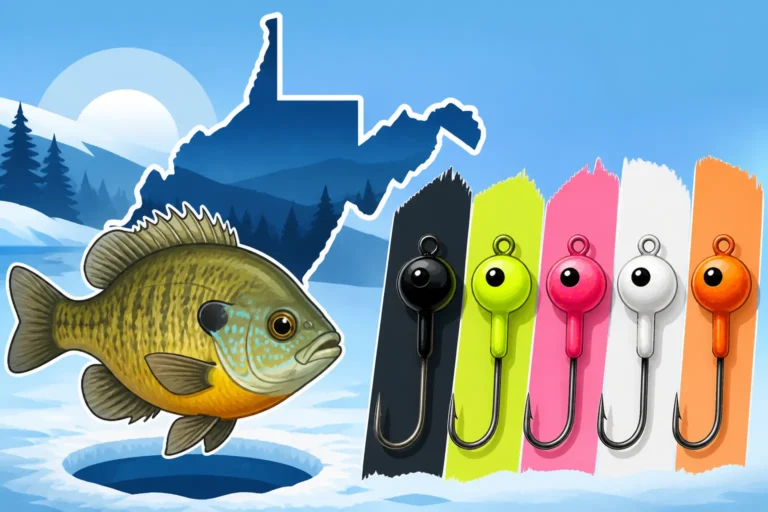
- Small jigs: Tungsten jigs are particularly popular because they are dense for their size, allowing for a smaller profile that still gets down quickly. Colors like chartreuse, pink, orange, and white are often hot.
- Spoons: Small, flashy spoons with a bit of a wobble on the fall can imitate injured baitfish. Tip them with a minnow head or a wax worm for added appeal.
- Soft plastics: Tiny plastic grubs, worms, or insect imitations can be deadly, especially when fished on a small jig head. The key is to use very small lures and to impart subtle movements. Match the hatch if possible, or offer bright, contrasting colors to grab attention in low light conditions under the ice.
Targeting Specific Species Through the Ice
West Virginia offers a variety of species to target through the ice, each with its own preferred habitat and feeding habits. Knowing what you're after will help you tailor your approach and increase your chances of success.
Panfish Perfection: Bluegill and Crappie
If you're looking for consistent action and a great introduction to ice fishing, panfish are your best bet. Bluegill, crappie, and yellow perch are abundant in many West Virginia lakes and ponds and are often quite eager to bite through the ice.
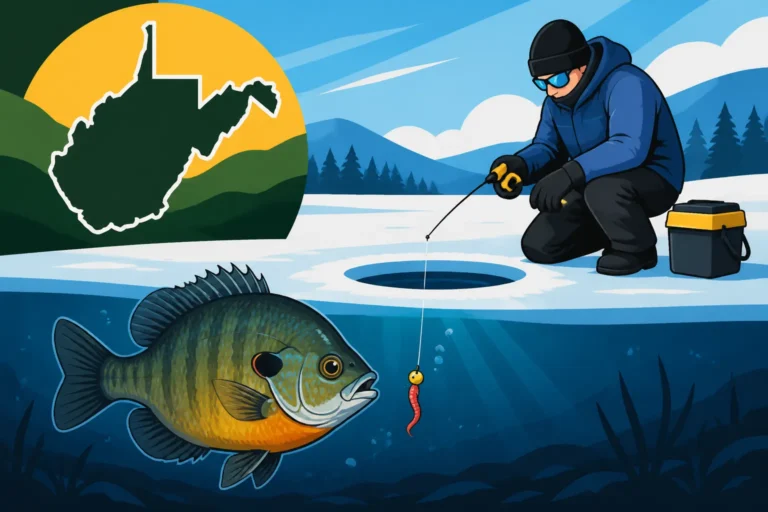
You'll typically find panfish congregating in schools, often near weed beds, brush piles, or subtle drop-offs in depths ranging from 5 to 25 feet. A good fish finder will be your best friend for locating these schools. Once you find them, they can provide fast and furious action! Use ultralight gear with tiny jigs (1/32 to 1/16 ounce), often tipped with wax worms, mealworms, or small soft plastics. Small ice flies or teardrop jigs are also incredibly effective. Crappie, in particular, will suspend in the water column, so adjust your depth frequently until you find the sweet spot. Bluegill tend to be closer to the bottom or around structure. These species are not only fun to catch but also make for delicious table fare! Don't forget to check the West Virginia Bag and Possession Limits by Species before you head out.
Trout on the Hardwater
West Virginia's extensive trout stocking program extends into the colder months, making trout a popular target for ice anglers. Many of the state's stocked lakes and ponds, particularly those at higher elevations, offer excellent trout fishing opportunities once safe ice forms.
Target trout using small spoons, jigs, or even simply a small hook with corn, PowerBait, or a nightcrawler suspended under a bobber. They often cruise the entire water column, so experiment with different depths until you find where they are active. They can be found from just a few feet below the ice all the way down to the bottom. Knowing the West Virginia Trout Stocking Hotline and Schedule can be incredibly advantageous, as fishing shortly after a stocking event can lead to some fantastic action. Look for them in areas where tributaries enter the lake, or around submerged structure. Remember that Trout Stamps and Trout Fishing Rules in West Virginia apply even during ice season, so make sure your license is in order.
Walleye and Other Gamefish Challenges
While panfish and trout provide steady action, targeting species like walleye or even muskie through the ice offers a more challenging, but incredibly rewarding, experience. Walleye are highly sought after for their delicious fillets and can be found in larger West Virginia lakes like Tygart or Summersville.
Walleye tend to hug the bottom or relate closely to distinct structure such as deep humps, points, and old creek channels. They are often most active during low light conditions, meaning dawn, dusk, and even night fishing can be highly productive for these elusive fish. Use slightly heavier gear – medium-light ice rods – with larger jigs, jigging spoons, or shiner minnows fished on a deadstick. Be patient, as walleye bites can be extremely subtle. Similarly, while not a primary ice fishing target, determined anglers might even find opportunities for muskie or northern pike on certain lakes if they use very heavy gear and large dead-baits. For these bigger fish, ensuring you have the right Best Ice Fishing Gear for West Virginia is paramount for success and safety.
Planning Your West Virginia Ice Fishing Trip
A successful and enjoyable ice fishing trip starts long before you ever step foot on the ice. Proper planning is essential, especially given West Virginia's variable winter conditions and unique regulations.
Checking Conditions and Regulations
This cannot be stressed enough: always check current ice conditions before you go. Relying on old information or simply guessing can be dangerous. Your best resources for up-to-date ice reports include:
- Local Bait Shops: These are often the pulse of the local fishing scene and can provide invaluable, real-time ice thickness and fishing reports.
- WV DNR: The West Virginia Department of Natural Resources website or specific hotlines (like the West Virginia Trout Stocking Hotline and Schedule) might occasionally offer general ice safety advisories for popular lakes.
- Online Forums and Social Media Groups: Local fishing groups on platforms like Facebook are fantastic for crowdsourced information, but always cross-reference and use your own judgment.
Beyond ice conditions, you absolutely must familiarize yourself with the specific fishing regulations for the body of water you plan to visit. Different lakes can have varying West Virginia Bag and Possession Limits by Species, special trout regulations, or even restrictions on methods or times. Make sure you have a current West Virginia Fishing License Guide for 2026, and if you plan to target trout, check for any additional stamp requirements. Nothing ruins a trip faster than a run-in with a conservation officer due to unawareness of the rules. You can find comprehensive details in the West Virginia Fishing Regulations Explained guide.
Essential Packing List and Setup Tips
Beyond your core fishing gear and safety items, a well-thought-out packing list will ensure comfort and readiness for any situation the Mountain State's winter throws at you.
Here's a breakdown of what to consider:
| Category | Essential Items | Purpose |
|---|---|---|
| Safety | Ice picks, throw rope, PFD/flotation suit | Self-rescue and assisting others in case of ice break. |
| Comfort/Warmth | Layered clothing, insulated boots, hat, gloves, neck gaiter, hand/foot warmers, portable heater, CO detector | Stay warm, dry, and protected from extreme cold and wind. |
| Hydration/Fuel | Thermos with hot drinks, water bottles, high-energy snacks | Maintain body temperature and energy levels throughout the day. |
| Hole Making | Auger, skimmer | Drill and maintain clear fishing holes. |
| Fishing Gear | Rods, reels, line, tackle box with lures/baits, extra spools, pliers, de-hooker, bait bucket | Catching and safely handling fish. |
| Navigation | GPS/smartphone with maps, compass, headlamp/flashlight, spare batteries | Find your spots, navigate safely, especially in low light. |
| Misc. | First-aid kit, multi-tool, trash bag, camera, sled for transport | General preparedness, minor repairs, clean up, documenting your catch. |
When setting up your station on the ice, efficiency is key. If using a shelter, orient it to block the prevailing wind. Get your heater running safely and your holes drilled. Have your rods rigged and ready. Consider using a sled or portable cart (many sturdy options are available on Amazon) to transport all your gear, making it easier to move across the ice if you need to change spots. Keep critical safety gear, like your ice picks and throw rope, easily accessible at all times. Also, make sure you know Printing or Carrying a Digital Fishing License in West Virginia requirements to avoid any issues.
Protecting the Environment and Practicing Ethics
As responsible anglers, we all have a role to play in preserving West Virginia's natural beauty and fishing resources. Practicing "leave no trace" principles is especially important on the ice, where discarded items can become frozen hazards or pollute the water once the ice melts.
- Pack it in, pack it out: This means everything. All trash, including broken fishing line, bait containers, and food wrappers, should be brought off the ice with you. Consider bringing a separate trash bag for this purpose.
- Respect private property: If you're fishing near private land, ensure you have permission to access the lake or pond. Park responsibly and don't trespass.
- Handle fish responsibly: Practice catch and release ethics, especially for larger gamefish you don't intend to keep. Handle fish gently, minimize their time out of water, and release them carefully back down the hole. If keeping fish, dispatch them quickly and humanely.
- Know and follow limits: Always adhere to West Virginia Bag and Possession Limits by Species and other specific regulations for the waters you're fishing. This helps ensure sustainable fisheries for everyone. Also, if fishing with younger anglers, know Do Kids Need a Fishing License in West Virginia? requirements.
Common Challenges and Troubleshooting on the Ice
Even with the best planning and gear, ice fishing can present its own unique set of challenges. The cold environment and the nature of fishing through a small hole often require quick thinking and adaptability.
Dealing with Finicky Bites and Slow Days
We've all been there: staring at a bobber that refuses to budge, or watching fish on the sonar that just won't commit. Finicky bites and slow days are a common frustration in ice fishing, but there are usually ways to troubleshoot.
- Adjust presentation: Sometimes, the slightest change makes a difference. Try slowing down your jigging motion, making it more subtle. Or, conversely, try a more aggressive jig to trigger a reaction strike. Experiment with how long you hold the bait still between movements.
- Change baits/lures: If live bait isn't working, switch to an artificial, or vice-versa. Change colors, sizes, or even the type of bait (e.g., from a minnow to a wax worm).
- Change depths: Fish can suspend at various depths. If your fish finder is showing fish but no bites, try raising or lowering your bait a foot or two at a time.
- Move locations: This is often the most effective solution. If you haven't had a bite in a while, it might be time to drill new holes and explore different parts of the lake or different structures. Sometimes, moving just 20 feet can put you directly on top of an active school. Remember that even in Best Fishing Lakes in West Virginia that are known producers, fish move, and you need to move with them.
Avoiding Frostbite and Hypothermia
While the cold is part of the ice fishing experience, succumbing to its dangers is preventable. Frostbite and hypothermia are serious medical conditions that can happen quickly if you're not careful.
- Recognize the symptoms:
- Frostbite: Numbness, tingling, throbbing, aching in extremities (fingers, toes, ears, nose). Skin may appear waxy, pale, or grayish.
- Hypothermia: Shivering (often uncontrollable), confusion, slurred speech, clumsy movements, drowsiness.
- Prevention is key:
- Stay dry: Wet clothing loses its insulating properties rapidly. Wear waterproof outerwear and change wet socks immediately.
- Layer up: As discussed, multiple layers trap warm air.
- Stay hydrated and fueled: Warm drinks (tea, coffee, hot cocoa) and high-energy snacks help your body generate heat.
- Take breaks: If you start feeling too cold, go into your shelter and warm up, or even head to your vehicle for a quick warm-up.
- Cover exposed skin: Your hat, gloves, and neck gaiter are crucial for preventing heat loss from your head, hands, and neck.
If you or a fishing buddy show symptoms of frostbite or hypothermia, immediately seek warmth, remove any wet clothing, and get medical attention if symptoms are severe or persist.
Equipment Malfunctions in the Cold
The cold can be brutal on fishing gear. Things that work perfectly fine at room temperature might seize up or malfunction when exposed to freezing temperatures.
- Frozen lines and guides: Braided line, in particular, can absorb water and freeze solid in your reel spool or rod guides. To prevent this, use a good line conditioner, or opt for fluorocarbon or mono specifically designed for cold weather. Keep your rod guides clear of ice build-up.
- Sticky reels: Grease and lubricants in spinning reels can thicken in the cold, making the reel feel stiff. Using specialized cold-weather grease or oil can help. Keep reels protected in your shelter when not in use.
- Auger issues: Gas augers can be notoriously difficult to start in bitter cold. Ensure you're using fresh, cold-weather fuel, and keep them protected from the wind. Electric augers generally perform better in the cold, but battery life can be reduced. Always carry spare batteries if using an electric auger.
- Electronics: Fish finders and other electronic devices can drain batteries quickly in the cold. Keep spare, fully charged batteries on hand, and keep devices as warm as possible, perhaps in an insulated case.
Being prepared for these common cold-weather nuisances can save you a lot of frustration and ensure your gear performs when you need it most. Knowledge of proper West Virginia Fishing Season Dates and Closures can also help you plan your trips to avoid the most extreme conditions.
Disclaimer
Please note that ice conditions can change rapidly and unpredictably. This guide provides general information and recommendations for ice fishing in West Virginia. Always exercise extreme caution, prioritize safety, and check local, real-time ice conditions before venturing out. Adhere to all West Virginia fishing regulations and consult with local authorities or experienced ice anglers for the most current information. The author and publisher are not responsible for any incidents or accidents that may occur from following the advice in this guide. Your safety is your responsibility.