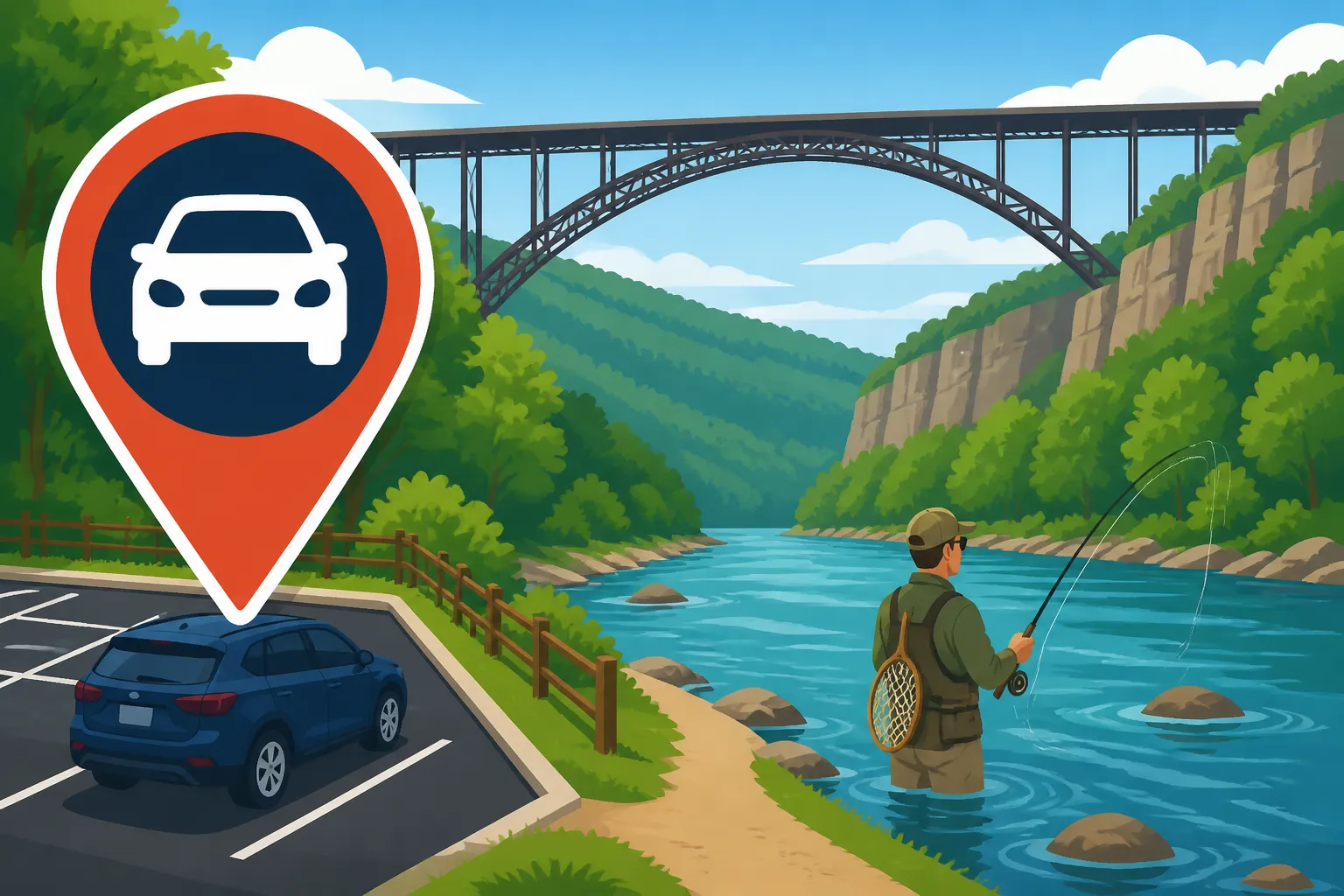
Where to park for river access inside New River Gorge National Park
Finding a great fishing spot along the mighty New River within the sprawling New River Gorge National Park can be an incredible adventure, but figuring out where to leave your vehicle and safely access the water is often the first, most frustrating hurdle. This guide is dedicated to cutting through that confusion, giving you a detailed breakdown of the prime parking areas and access points, so you can spend less time searching and more time with a line in the water.
Understanding New River Gorge National Park Access Challenges
The New River Gorge National Park is a jewel, celebrated for its dramatic cliffs, whitewater rapids, and incredible fishing opportunities, especially for smallmouth bass and muskie. However, its very geography – a deep, ancient river carving through a rugged landscape – makes direct river access a unique challenge. Unlike many other fishing destinations with easily accessible boat ramps and ample parking lots, the Gorge often requires a bit more planning and understanding of its specific layout.
Navigating the Gorge's Unique Terrain
The New River Gorge isn't your average gentle river valley. We're talking about a canyon with sheer cliffs, dense forests, and a single main artery, Route 19, that mostly runs high above the river. The roads that do descend to the river, like Fayette Station Road, are often narrow, winding, and can be intimidating for those unfamiliar with them. These access roads are specifically designed to handle traffic going to various recreation points, but they aren't always intuitive for someone just looking to park and fish. Knowing where to turn off and which roads are suitable for your vehicle and trailer (if you have one) is crucial. Many anglers, especially those new to the area, often feel overwhelmed by the lack of clear signage for fishing-specific parking, as opposed to rafting or hiking trailheads.
Rules and Regulations for Parking
Just like any national park, New River Gorge has its own set of rules, and these extend to parking. While there aren't typically fee stations for parking in most fishing access areas, there are designated spots you absolutely must use. Parking along the side of narrow, winding roads is not only dangerous but can also lead to fines or even your vehicle being towed. Always look for marked parking lots or pull-offs specifically designed for visitor use. These areas help protect the delicate ecosystem, ensure emergency vehicle access, and keep the flow of traffic safe for everyone. It's also important to remember that all visitors are expected to follow federal and state regulations. For comprehensive details on what you can and can't do, it's always a good idea to consult the official park visitor centers or review the latest version of the New River Gorge National Park Fishing Permit Rules to avoid any unexpected issues during your trip.
Key River Access Points and Their Parking Facilities
Let's dive into the specifics of where you can actually park and get to the water. Each spot offers a different experience and accessibility level, catering to various types of anglers, from those with a drift boat to those looking for a quiet wading spot.
Fayette Station Road Access
This is perhaps the most famous and widely used river access point in the entire New River Gorge, and for good reason. Fayette Station Road is a historic, winding, one-way loop road that descends from the cliffs near the iconic New River Gorge Bridge down to river level. It offers multiple access points and parking opportunities.
Parking: As you descend the winding road (it's often a one-way loop in sections, so pay attention to signs!), you'll find various pull-offs and small designated parking areas. The largest and most popular parking lot is right near the actual Fayette Station, where there's a boat launch suitable for rafts, kayaks, and smaller jon boats. There are usually ample spaces here, but it can fill up quickly on busy summer weekends, especially with rafters. Further along the loop, before you start ascending the other side, you'll find smaller, less formal pull-offs that are often used by anglers seeking quieter bank access. Just ensure your vehicle is completely off the main road and not blocking any traffic flow.
Fishing Opportunities: Fayette Station offers fantastic opportunities for New River Smallmouth Bass Fishing and even a chance at New River Muskie Fishing. Anglers can wade the shallower sections, fish from the bank, or launch a boat to explore the deeper pools and rapids. The current can be strong in sections, so bring appropriate gear.
Cunard River Access
Cunard is another popular and relatively easy-to-access spot on the New River, offering a more tranquil experience than the bustle of Fayette Station. It's located downstream from Fayette Station, accessible via a gravel road that's generally well-maintained.
Parking: The Cunard access point features a decent-sized gravel parking lot, capable of accommodating a good number of vehicles, including those with trailers. It's straightforward: drive in, park, and you're right at the river's edge. This ease of access makes it a favorite for those launching kayaks, canoes, or smaller john boats.
Fishing Opportunities: Cunard provides excellent access to some prime smallmouth bass habitat. The river here often features a mix of riffles, runs, and deeper pools, perfect for casting lures or floating bait. It's a great spot for both wading and float fishing. If you're looking for different strategies, consider exploring various How to Catch Smallmouth Bass in West Virginia Rivers techniques here.
Glade Creek Access
For those seeking a more secluded and wilder experience, Glade Creek offers a beautiful, albeit more rustic, access point. This area is known for its picturesque waterfalls and its confluence with the New River.
Parking: Access to Glade Creek involves a gravel road that can be rough in spots, but it generally leads to a small parking area near the creek's mouth and the New River. This lot is significantly smaller than Fayette Station or Cunard, so plan to arrive early, especially on weekends. From the parking area, you'll likely need to walk a short distance along a trail to reach prime fishing spots on the New River or fish Glade Creek itself.
Fishing Opportunities: Glade Creek is a fantastic spot for both trout and smallmouth bass. The creek itself is a stocked trout stream in its upper reaches, while its lower section and the confluence with the New River offer superb smallmouth action. This is an ideal spot for anglers who enjoy combining a scenic hike with their fishing, or those looking to try Fly Fishing for Trout in West Virginia in the cooler waters of the creek.
Thurmond River Access
Thurmond is a historic coal town turned ghost town, brimming with railroad history and offering unique river access. It's a step back in time and provides a different kind of angling backdrop.
Parking: Thurmond offers several small, informal parking areas around the historic depot and along the railroad tracks. There isn't one large, consolidated parking lot for river access; rather, you'll find pull-offs suitable for a few cars at a time. Be mindful of active train tracks and designated no-parking zones. Always park where it's clearly safe and legal, ensuring you're not obstructing any historical sites or railway operations.
Fishing Opportunities: The river around Thurmond is known for its excellent smallmouth bass fishing, with plenty of rocky structure and current seams. Due to the less developed access, it often sees fewer anglers than Fayette Station, offering a quieter experience. It’s also a good place to consider launching a kayak or canoe if you're comfortable with slightly more rugged put-in spots. If you're interested in Kayak Fishing Techniques for West Virginia Rivers, Thurmond could be a prime spot.
Sandstone Falls Access
Sandstone Falls is a breathtaking natural wonder and offers both upper and lower river access points, each with distinct parking. It’s a bit further south in the park, closer to the Hinton area.
Parking for Upper Falls (Overlook): To view the main falls from the accessible boardwalk, there’s a large, paved parking lot. This is primarily for scenic viewing, and while you can fish from the boardwalk in some sections, it's more about observation.
Parking for Lower Falls (Island Access): For true fishing access below the falls, you'll take a short gravel road off Route 20 near Hinton that leads to a bridge over the main channel to Sandstone Island. There's a decent-sized gravel parking lot on the island itself. From here, a network of boardwalks and trails allows you to access various fishing spots along the rapids and pools below the falls. This is a very popular spot, so the lot can fill up.
Fishing Opportunities: The waters below Sandstone Falls are legendary for smallmouth bass. The turbulent water, rocky ledges, and deep pools create ideal habitat. It’s also known for catfish and even occasional walleye. Anglers often wade or fish from the numerous rock outcroppings along the island. This is a fantastic place for fly fishing with streamers or throwing topwater lures for aggressive bass.
Grandview Sandbar Access
Grandview is famously known for its scenic overlooks, but below the cliffs lies a hidden gem for river access: the Grandview Sandbar.
Parking: Accessing the sandbar involves driving down a long, winding gravel road that starts near the main Grandview visitor area. The road leads directly to a large, unpaved parking area right at the river's edge. This lot can accommodate many vehicles, including those with trailers, and is a popular launch point for rafts, canoes, and kayaks.
Fishing Opportunities: The Grandview Sandbar provides easy access to a long stretch of river with a mix of slow pools and faster runs. It's an excellent spot for bank fishing, wading, or launching a boat. You'll find plenty of smallmouth bass, catfish, and various panfish here. It's generally a family-friendly spot with calmer water than some of the more turbulent sections upstream.
Here's a quick overview of these access points:
| Access Point | Road Surface | Parking Availability | Best for Anglers | Specific Considerations |
|---|---|---|---|---|
| Fayette Station Road | Paved, narrow | Moderate (can fill up) | Wading, Bank, Boat Launch | One-way sections, popular with rafters |
| Cunard River Access | Gravel, maintained | Good | Wading, Bank, Kayak/Canoe | Relatively easy, less crowded than Fayette |
| Glade Creek Access | Gravel, rough | Limited | Wading, Hike-in, Fly | Secluded, rougher road, combines with hiking |
| Thurmond River Access | Paved/Gravel | Very Limited, informal | Wading, Bank, Kayak/Canoe | Historic area, active train tracks, careful parking |
| Sandstone Falls | Paved/Gravel | Good (can fill up) | Wading, Bank | Split access (upper/lower), popular attraction, rocky |
| Grandview Sandbar | Gravel | Excellent | Wading, Bank, Boat Launch | Long gravel road, family-friendly, calmer water |
Tips for a Smooth River Access Experience
Fishing the New River Gorge is an unforgettable experience, but a little preparation goes a long way in ensuring your trip is smooth and safe.
Planning Your Trip and Checking Conditions
Before you even hit the road, do your homework. Check the weather forecast, but more importantly, check the river conditions. The New River is a free-flowing river, and its levels can fluctuate dramatically with rainfall, affecting both safety and accessibility. High water can make wading dangerous and obscure bank access, while very low water can make boat launching difficult. The National Park Service website and local outfitters often provide up-to-date river conditions. It’s also a smart move to look for local guides or outfitters through services like FishingBooker, as they often have real-time knowledge of conditions and can help you tailor your trip for the best success and safest experience. Knowing the current conditions helps you decide not only where to fish but also how to fish, as species like smallmouth bass behave differently in varying water levels.
Essential Gear and Safety Considerations
When fishing the New River, especially in areas with current or rocky terrain, safety should always be your top priority.
- Footwear: Sturdy wading boots with good ankle support and felt or rubber soles with cleats are crucial. The river bottom can be slick, uneven, and riddled with submerged rocks.
- Life Jackets: If you're in a boat, kayak, or even wading in fast current, a personal flotation device (PFD) is non-negotiable. Seriously, it's not just a good idea, it's often legally required. Check out the Life Jacket Requirements for West Virginia Boaters for specific regulations.
- Water & Snacks: Hydration is key, especially during warmer months. Pack more water than you think you'll need, along with some energy-rich snacks.
- First Aid Kit: A basic kit for cuts, scrapes, and insect bites is always a good idea.
- Communication: Cell service can be spotty in the Gorge. Let someone know your plans and expected return time. A fully charged phone or even a satellite messenger can be a lifesaver.
- Appropriate Tackle: Consider the challenging environment. You'll likely encounter snags, so bring extra lures, line, and stout rods. For specifics on species, a guide on Best Tackle for West Virginia Smallmouth Bass might be helpful.
Utilizing Maps and Digital Resources
Don't rely solely on memory or vague directions. Modern technology is your friend here.
- Official Park Maps: Grab a physical map at one of the park's visitor centers (like Canyon Rim or Sandstone) or download one from the NPS website. These maps clearly mark roads, access points, and parking areas.
- GPS/Smartphone Apps: Use reliable GPS navigation (like Google Maps or Apple Maps) but download offline maps beforehand, as signal can drop. Apps like AllTrails or even fishing-specific apps can also provide useful insights into access points and trails. If you're looking to book a guided trip, platforms like FishingBooker are excellent for finding guides who know the ins and outs of these exact spots and often provide detailed access instructions once booked. They also often feature user reviews that can give you current insights into access conditions.
Alternative Access and Guided Trips
Sometimes, the best way to tackle the access challenges of a wild river like the New River is to let someone else handle the logistics.
Commercial Outfitters and Guided Fishing Trips
For many anglers, especially those visiting for the first time or looking to target specific species like muskie, hiring a local fishing guide or going with a commercial outfitter is an invaluable option. These professionals know the river like the back of their hand.
- Expert Knowledge: Guides know exactly where the fish are biting, what techniques to use, and, critically, the safest and most efficient access points. They often have private access or know less-traveled public spots that aren't on every map.
- Logistics Handled: They provide the boat, safety gear, and often even tackle and bait. They handle the parking, the shuttles, and all the hassle of getting to and from the river. This means you can focus 100% on fishing.
- Safety: Navigating the New River, especially with its rapids and strong currents, requires experience. Guides are trained in river safety and first aid, giving you peace of mind.
- Booking Guides: Websites like FishingBooker are fantastic resources for finding reputable local guides and charters specifically operating in the New River Gorge. You can read reviews, compare prices, and book directly, ensuring you have a professional handling your river access and fishing adventure. Whether you're targeting Muskie Fishing in West Virginia or simply want to explore the scenic beauty while catching smallmouth, a guide can elevate your experience significantly.
Exploring Less-Known Spots (with caution)
While the named access points are the most common, the New River Gorge is vast, and there are many smaller, less-known pull-offs and trails that dedicated anglers might discover. However, this comes with a strong word of caution.
- Respect Private Property: Always be absolutely certain you are on public land or have permission to access private property. Trespassing is illegal and can damage the reputation of anglers.
- Safety First: These less-developed spots often lack maintained trails, can be steep, and might have hidden hazards. Always go with a buddy, inform someone of your plans, and exercise extreme caution.
- Leave No Trace: When venturing off the main paths, it's even more critical to practice Leave No Trace principles. Pack out everything you pack in, and leave the area pristine for future generations.
- Research: Cross-reference maps, satellite imagery, and local knowledge. Sometimes, a "less-known" spot is less known because it's genuinely dangerous or inaccessible. Knowing the general Best Fishing Rivers in West Virginia can give you a starting point, but always verify specific access.
By understanding the terrain, respecting regulations, utilizing known access points, and considering the help of local experts, your New River Gorge fishing adventure will be memorable for all the right reasons.
Disclaimer
Please remember that fishing regulations, access points, and river conditions can change. Always consult the official West Virginia Department of Natural Resources (WVDNR) and New River Gorge National Park Service websites for the most current information before planning your trip. Safety should always be your top priority when enjoying the outdoors.