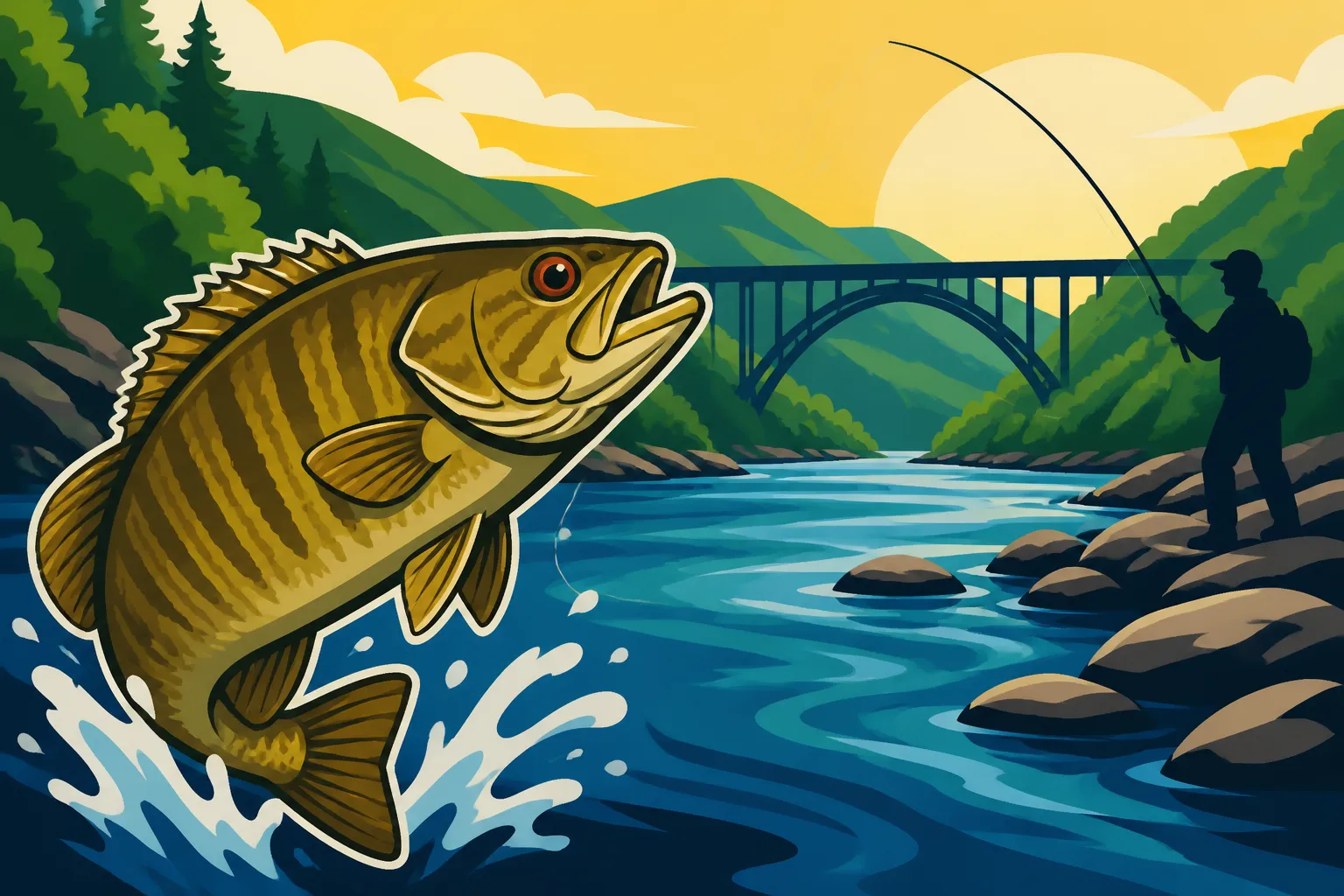
New River trophy smallmouth section
There’s a special kind of thrill that comes with chasing trophy fish, and for smallmouth bass anglers in West Virginia, that often means setting sights on the legendary New River. While the entire river is a smallmouth paradise, many anglers dream of finding those specific stretches where the bronzebacks truly reach bragging size. This guide will help you pinpoint those productive waters, understand what makes them tick, and arm you with the knowledge to land that elusive New River trophy smallmouth.
Unraveling the New River's Trophy Smallmouth Stretches
The New River isn't just a river; it's a geological marvel, and its incredible age and diverse ecosystem contribute significantly to the robust, large smallmouth bass population it sustains. But even within this grand river, certain sections stand out for their ability to consistently produce bigger fish.
Identifying the Prime Geography for Giants
When we talk about the "trophy section" of the New River, anglers often refer to the segments within and immediately surrounding the New River Gorge National Park and Preserve. This incredible stretch, particularly from the downstream sections near Hinton, through the gorge itself, and up to just below Gauley Bridge, is widely considered the heart of trophy smallmouth country.
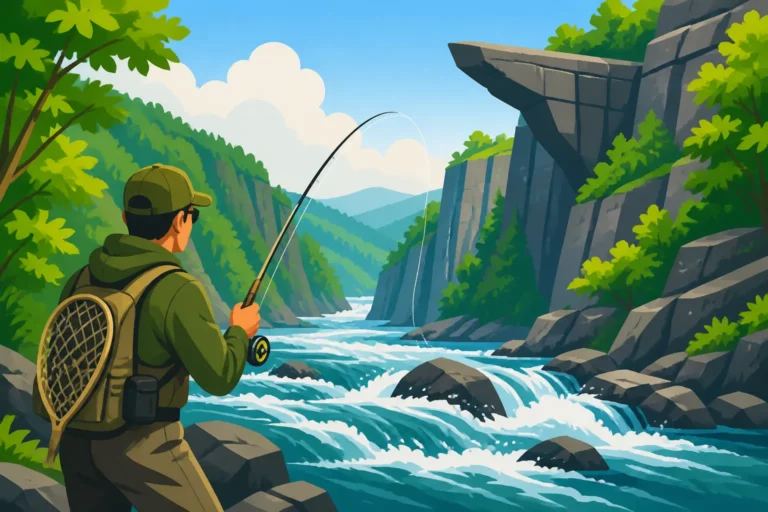
Here, the river cuts deep through ancient rock, creating a dramatic landscape that translates directly into exceptional fishing habitat. The sheer scale of the river, combined with its inaccessibility in many parts, means less overall fishing pressure than some other smallmouth rivers. Specific, well-known access points like Fayette Station fishing access guide offer entry into prime areas, but even these spots require careful navigation to reach the truly productive water. Other key entry points include Glade Creek fishing access on the New River and the areas around Cunard and Thurmond, which put you right in the middle of the best potential for big fish. The deeper you get into the gorge, the more undisturbed the habitat tends to be, allowing fish ample time and resources to grow.
Understanding the Unique Character of the New River Gorge
What makes this deep gorge environment so special for smallmouth bass? It's a combination of geology, hydrology, and biodiversity that has been millions of years in the making. The riverbed is a mosaic of massive boulders, bedrock ledges, and deep, scoured pools, all shaped by relentless current. This rugged terrain offers an endless array of ambush points, hiding spots, and current breaks where big smallmouth can comfortably reside and ambush prey without expending excessive energy.
The New River is one of the oldest rivers on the continent, flowing north against geological norms, and this ancient history has allowed its ecosystem to develop a complexity that few other rivers can match. The constant flow keeps the water well-oxygenated, even in deeper holes, which is crucial for the health and growth of large predatory fish. Unlike many impoundments or slower-moving rivers, the New River's constant, powerful current means fish here are typically robust, strong, and exceptionally healthy, making them a true challenge on the end of a line.
Why the New River Grows Giants: Habitat and Forage
The sheer size of the New River's smallmouth bass isn't just luck; it's a direct result of an incredibly rich and stable ecosystem that provides everything a smallmouth needs to thrive and grow old.
The Bountiful Ecosystem for Smallmouth
One of the primary reasons the New River produces such impressive smallmouth is the abundance and diversity of its forage base. The river teems with a smorgasbord of food sources that allow smallmouth to pack on weight rapidly. Crayfish are arguably the number one food item, and the rocky bottom of the New River provides ideal habitat for them to proliferate. Anglers who consistently catch big smallmouth often attest to the fact that these fish are gorged on crayfish.
Beyond crayfish, hellgrammites, the larval stage of Dobsonflies, are another super-food for New River smallmouth. These meaty invertebrates are calorie-rich and abundant in the river's gravelly and rocky riffles. Various baitfish species, including different types of minnows and shad, also populate the river, providing crucial protein, especially for larger smallmouth. The incredible biodiversity means there's rarely a shortage of food, allowing smallmouth to grow well beyond the average size found in other waterways. This consistent, high-quality diet is fundamental to developing the "trophy" class smallmouth the New River is famous for.
Ideal Structural Elements for Trophy Smallmouth
Big smallmouth are not unlike big cats in the jungle; they are apex predators that rely on prime ambush points. The New River is a veritable playground of perfect structure. We're talking about massive boulders, some the size of small cars, that create significant current breaks and deep pockets. Ledges and shelves provide vertical structure, allowing fish to hold at various depths depending on current and light conditions.
Deep eddies and current seams are critical areas, as they allow fish to rest out of the main current while waiting for food to be delivered to them. Submerged timber, though less prevalent than in some other rivers, still offers valuable cover, particularly in slower sections or protected coves. Undercut banks, formed by erosion from years of powerful currents, create hidden overhead cover where large smallmouth can feel secure. Identifying these features, whether from a boat, kayak, or by wading, is paramount to success. Understanding How to Catch Smallmouth Bass in West Virginia Rivers often boils down to learning to read these structural cues.
Strategic Approaches for New River Trophy Smallmouth
Chasing trophy smallmouth requires a deliberate approach, from understanding seasonal patterns to selecting the right tools for the job. You can’t just throw any lure and expect a giant to bite, especially in such a dynamic river.
Optimal Seasons and Conditions for Targeting Lunkers
While the New River offers smallmouth fishing year-round, certain seasons dramatically increase your odds of encountering a true lunker. Spring, particularly the pre-spawn period when water temperatures rise into the 50s and low 60s Fahrenheit, is prime. Big female smallmouth are aggressive, feeding heavily to prepare for spawning, making them more susceptible to larger baits. This period, usually late April through May, can be exhilarating.
Late summer and early fall also present excellent opportunities. As water temperatures begin to cool from their summer highs, smallmouth become more active and once again feed aggressively, sensing the lean winter months ahead. The river levels are often more stable, and the fish are typically recovered from the rigors of the spawn. Even in the winter, for those willing to brave the cold, very large smallmouth can be caught in deeper pools and slower sections, often requiring very subtle presentations. Knowing the Best Time of Year to Fish in West Virginia for smallmouth is crucial for planning a successful trip.
Water levels and clarity are also critical factors. Stable or slightly falling water after a rain can be excellent, as it often dislodges forage and makes fish more active. Extremely high, muddy water is generally poor for smallmouth, while very low, clear water can make them spooky and difficult to approach. Consulting local river gauges before you go is always a good idea.
Lures and Techniques for Enticing Big Bites
To consistently fool trophy New River smallmouth, you need to think big, both in terms of lure size and presentation strategy. The biggest fish aren't interested in small, timid snacks; they want a substantial meal. Large tube jigs, often 4-5 inches, in natural colors like green pumpkin or brown, are perennial favorites, mimicking crayfish perfectly. Rigged on heavy jig heads, they can be dragged or hopped along the bottom in deep pockets and current seams.
Swimbaits, especially paddle-tail versions ranging from 3.5 to 6 inches, are highly effective when retrieved slowly along drop-offs or through slower current. Deep-diving crankbaits that can reach depths of 8-15 feet are excellent for probing deeper pools and covering water quickly. Jerkbaits, particularly suspending models, can be deadly in cooler water, allowing for pauses that often trigger strikes from lethargic giants. And don't underestimate topwater lures, especially at dawn or dusk, or on overcast days, when big smallmouth will explode on poppers, walking baits, and buzzbaits. For fly anglers, large streamers imitating crayfish or baitfish are the ticket. Detailed advice on Best Baits for Smallmouth Bass on the New River can provide even more specialized options.
Many anglers find tremendous success by hiring experienced local guides. These professionals spend countless hours on the water, understanding daily nuances and fish movements. Services like FishingBooker can help connect you with reputable New River guides who specialize in smallmouth. They not only put you on fish but also teach you the subtle techniques and presentational tricks that come with years of experience on this challenging river. They often have the specific tackle already rigged for success, including powerful rods and reels necessary for wrestling these strong fish out of heavy current.
Essential Gear for Battling New River Bronzebacks
Trophy smallmouth fishing on the New River demands robust gear that can handle powerful fish and rugged conditions. Forget light tackle; you'll want a medium-heavy spinning or baitcasting rod, typically 6'6" to 7'6" in length, with a fast action to provide the backbone needed for solid hooksets and control. Matching these with a high-quality reel spooled with 10-15 lb fluorocarbon or braided line with a fluorocarbon leader is ideal. Fluorocarbon is less visible in the clear New River water and offers excellent abrasion resistance against the countless rocks. For more insights on appropriate rods, check out Best Rods for West Virginia Rivers.
Beyond your rod and reel, a sturdy landing net with rubberized mesh is non-negotiable for safe fish handling and easy release. A lip gripper like a BogaGrip can also be invaluable for controlling a large, powerful fish while removing hooks. Safety gear is paramount, whether you're wading or in a boat. Sturdy wading boots with good grip (felt or studded rubber) are essential for navigating slippery rocks. If you're using a boat or Best Kayak for the New River, a personal flotation device (PFD) is always a must, as is understanding West Virginia Boating Laws for Anglers. The New River is wild and unforgiving, so come prepared.
Responsible Angling and Conservation for Future Trophies
The incredible trophy smallmouth fishery on the New River is a precious resource that requires careful stewardship from all anglers. Ensuring its health for future generations means understanding and adhering to regulations and practicing responsible angling techniques.
Navigating Regulations for New River Smallmouth
West Virginia has specific regulations designed to protect and enhance its smallmouth bass populations, especially in trophy waters like the New River. It's imperative to familiarize yourself with these rules before you hit the water. One of the most important regulations to be aware of is the New River smallmouth bass slot limit in inches. This regulation is designed to protect a certain size class of fish, allowing them to grow larger and contribute to the spawning population, thus ensuring more trophy fish in the future.
While general state regulations like the West Virginia Fishing Regulations Explained apply, always look for specific rules pertaining to the New River or its different sections. These may include different daily creel limits or specific seasons. The West Virginia Division of Natural Resources (WV DNR) publishes an annual fishing regulations summary that is your definitive source. Always prioritize catch and release for larger smallmouth, even if within the legal harvest limits. These older, larger fish are invaluable to the genetics and stability of the fishery.
Best Practices for Catch and Release
Catching a trophy smallmouth is a thrill, but ensuring its survival after the fight is the mark of a true conservation-minded angler. Proper catch and release techniques are vital. First and foremost, minimize the fish's time out of the water. Smallmouth can be particularly susceptible to stress and lactic acid buildup after a prolonged fight, especially in warmer water. Use wet hands when handling the fish to protect its protective slime coat.
Support the fish horizontally, never vertically by the jaw alone, which can damage its internal organs or jaw structure. Use de-hooking tools like long-nosed pliers or a hook remover to quickly and safely remove hooks, especially if they are deeply set. If the fish seems lethargic, hold it gently in the water, facing into the current, until it regains strength and can swim away under its own power. Avoid excessive squeezing or rough handling. Choosing a fishing charter through a platform like FishingBooker means you're often engaging with guides who are well-versed in these best practices and can ensure a safe release, reinforcing the sustainability of this world-class fishery.
Remember, every released trophy smallmouth is an investment in the future of the New River. Your actions on the water contribute directly to whether future generations will have the same incredible opportunities to chase these powerful, beautiful fish.
New River Trophy Smallmouth Fishing Summary
To help you plan your next trophy smallmouth adventure on the New River, here's a quick overview of key strategies:
| Aspect | Recommendation | Best Time/Condition |
|---|---|---|
| Prime Location | New River Gorge National Park & Preserve, Fayette Station to Gauley Bridge | Consistent year-round, but peaks in certain seasons |
| Target Structure | Deep pools, large boulders, ledges, current breaks, undercut banks | All conditions; fish often hold deeper in bright sun or cold water |
| Key Forage | Crayfish, hellgrammites, shad, minnows | Mimic these for best results |
| Optimal Seasons | Spring (pre-spawn), Late Summer, Early Fall | Water temps 50-70°F, stable river levels |
| Recommended Lures | Large Tube Jigs (4-5"), Swimbaits, Deep-diving Crankbaits, Jerkbaits, Topwater (dawn/dusk) | Match lure size and action to current and fish activity |
| Techniques | Bottom bouncing, slow retrieves, twitching, drift fishing, reading current seams | Adapt retrieve to water clarity, temperature, and fish mood |
| Essential Gear | Medium-heavy rod (6'6"-7'6"), 10-15lb fluorocarbon/braid + leader, robust net, lip gripper, PFD | High-quality gear withstands strong fish and rugged river conditions |
| Conservation Focus | Catch and release for trophy fish, adhere to slot limits, minimize handling, wet hands | Essential for sustaining the fishery and ensuring future generations of trophy smallmouth |
Disclaimer
Fishing in West Virginia, especially on a powerful river like the New River, carries inherent risks. Always prioritize safety, wear appropriate personal flotation devices, and be aware of changing weather and river conditions. This guide provides general information, and anglers should always consult the latest West Virginia Division of Natural Resources regulations before fishing.