Bluestone National Scenic River fishing access
Trying to find reliable fishing access points, especially on wild and scenic rivers, can feel like navigating a maze. Many anglers get frustrated by vague directions or discover that public "access" means an unmarked path through dense woods. This comprehensive guide is here to cut through that confusion, detailing exactly how to reach the pristine waters of the Bluestone National Scenic River and what you need to know to make your fishing trip a success.
Understanding the Bluestone National Scenic River
The Bluestone National Scenic River is a true gem tucked away in the rugged Appalachian Mountains of southern West Virginia, a federally protected stretch of water that offers a wilderness fishing experience unlike many other rivers in the state. It's not just a river; it's a journey into a wild, untamed landscape that demands respect and preparedness from anyone looking to cast a line.
What Makes the Bluestone Unique?
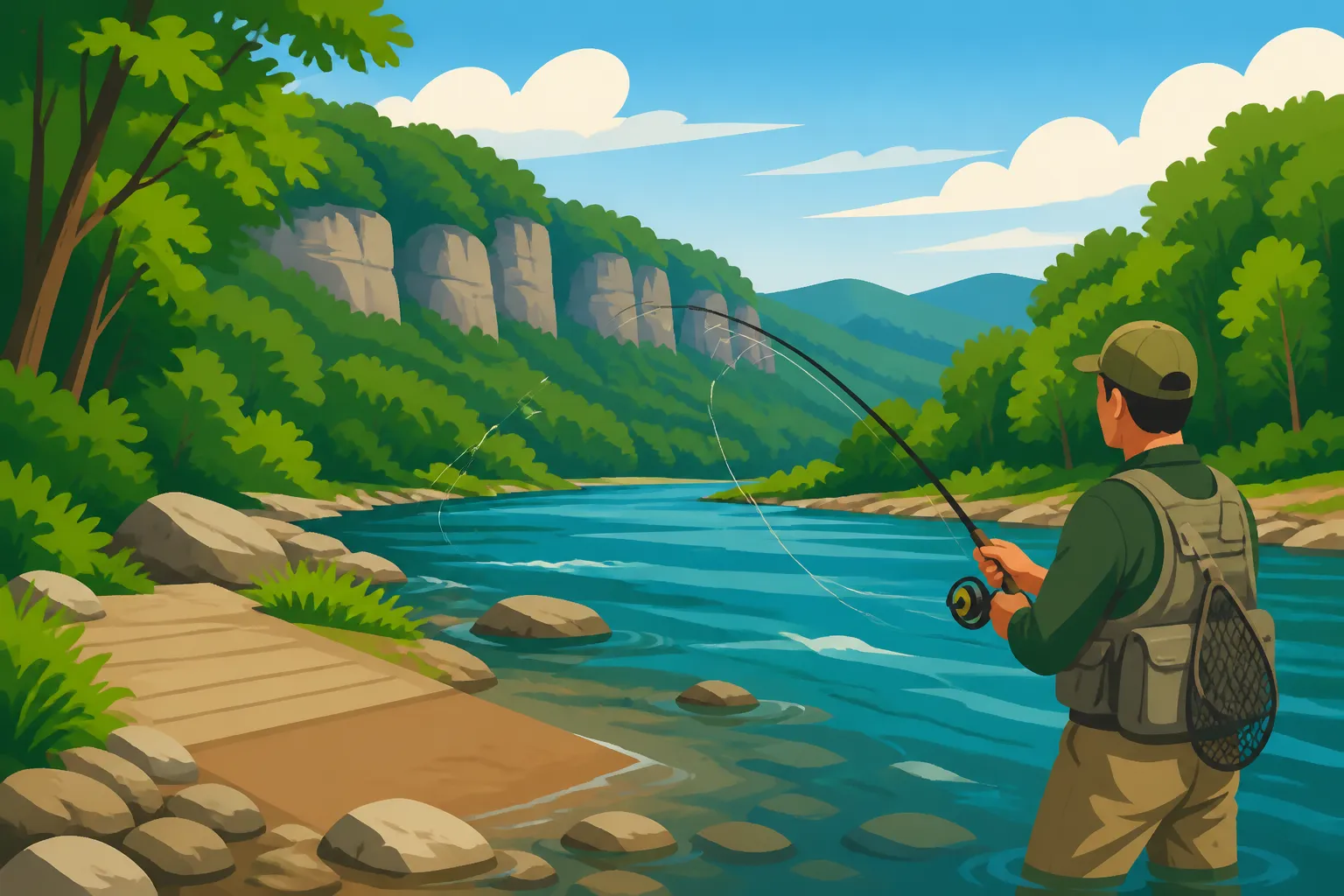
What truly sets the Bluestone apart is its remarkable wildness and relative inaccessibility. This isn't a river lined with roads and easily found parking lots. Instead, much of its 10.5-mile protected segment flows through a deep, steep-sided gorge, creating a remote sanctuary for both wildlife and anglers willing to put in the effort. The "Scenic River" designation means it’s preserved in its free-flowing condition, ensuring its outstanding scenic, recreational, geologic, fish and wildlife, historic, cultural, and other similar values. This translates to incredibly clear water, untouched banks, and a strong sense of solitude, a stark contrast to more developed waterways. If you're someone who yearns for an escape from crowded fishing holes and the sounds of traffic, the Bluestone offers that profound quiet.
General Geography and Water Characteristics
The Bluestone River typically flows northeastward through Mercer and Summers counties, eventually joining the New River at Bluestone Lake near Hinton. The protected scenic river segment begins below the confluence of the Little Bluestone River and extends downstream to the Bluestone Lake flood pool. The river itself is characterized by a mix of swift riffles, deep pools, and rocky runs, providing diverse habitats for various fish species. The bottom is predominantly bedrock and cobble, with occasional sand and gravel bars. Water levels can fluctuate significantly depending on rainfall, so it's always wise to check current conditions before planning your trip. The upper sections of the scenic river tend to be shallower and faster, while closer to Bluestone Lake, the water deepens and widens, becoming more lake-like. Understanding these characteristics is crucial for choosing the right gear and approach, whether you're planning a day of wading or considering floating a section.
Key Access Points Along the Bluestone River
Accessing the Bluestone National Scenic River can be an adventure in itself, often requiring a good pair of hiking boots and a willingness to explore. Unlike many other Best Fishing Rivers in West Virginia, you won't find many drive-up spots directly on the scenic stretch. The main points typically serve as gateways to trails that lead down into the gorge.
Hinton and Bluestone Lake Area Access
Near Hinton, you'll find some of the most common starting points for Bluestone River exploration. The mouth of the Bluestone River where it feeds into Bluestone Lake offers a popular access point, particularly for those looking to fish the lower reaches.
- Bluestone Lake State Park & Marina: While primarily known for the lake, the state park provides boat ramps and general access to the upper reaches of Bluestone Lake, which can include the very lower section of the scenic river, especially during periods of high water. Anglers often launch here to motor up into the wider, deeper sections of the river, particularly for species like walleye or larger smallmouth that might move between the lake and the river. From here, you can explore the confluence where the Bluestone meets the New River, an exciting area that often holds a variety of fish.
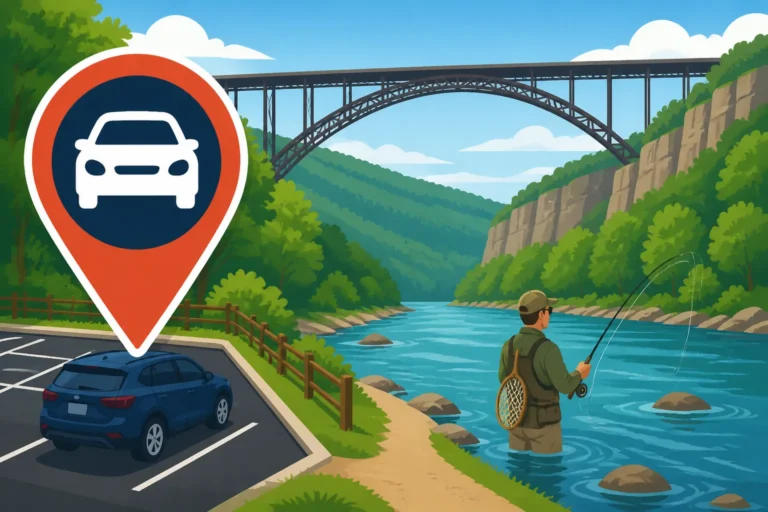
- The Bellepoint Section: Just outside Hinton, near the historic Bellepoint bridge, there are informal access points that can lead to trails heading down into the gorge. This area offers a relatively direct, though steep, descent to the river for wade fishing. Parking might be limited, so be sure to park legally and respectfully. This is a favorite spot for many locals, but it still requires a decent hike down to the water.
Pipestem Resort State Park Tram Access
One of the most unique and certainly the easiest ways to get into the Bluestone gorge without a serious hike is via the Aerial Tramway at Pipestem Resort State Park. This is a game-changer for many anglers, especially those with limited mobility or carrying heavier gear.
- Aerial Tramway: The tram takes you from the rim of the gorge down to the Bluestone River Lodge at the bottom, offering breathtaking views along the way. From the lodge, you have direct access to the river. This is an unparalleled advantage for fishing the remote sections without the grueling hike. The tram operates seasonally, usually from spring through fall, so always check their schedule and operating hours before planning your trip. Once at the bottom, you can walk upstream or downstream to find your ideal fishing spot. The Lodge itself provides facilities, making it a comfortable base for a day of fishing. While you might see fellow resort guests, the sheer length of the river offers plenty of opportunities to find solitude a short walk from the tram's base. For those wondering about the most comfortable way to get into the heart of the gorge, this tram is definitely it.
Camp Creek State Park and Forest Access
For those seeking a more rugged, less-traveled experience, the areas accessible through Camp Creek State Park and Forest offer primitive access to the upper scenic stretches of the Bluestone River.
- Hiking Trails: From Camp Creek State Park, a network of trails, including some maintained by the park, can lead you towards the Bluestone River. These trails are generally more strenuous and less marked than those originating from Pipestem or Hinton. You’ll often be walking through dense forest, and while the trails might bring you close, the final descent to the water can involve bushwhacking. This option is best suited for experienced hikers and anglers who are prepared for a true wilderness experience. These upper sections are particularly appealing for those looking for undisturbed stretches of river and perhaps the chance to target native brook trout, though smallmouth bass are also prevalent. Always carry a map, compass or GPS, and plenty of water when venturing into these more remote areas.
Remote and Undeveloped Sections
Beyond these named points, much of the Bluestone National Scenic River is only accessible by strenuous hiking or by floating in. There are countless unmarked paths and old logging roads that might lead you towards the gorge rim, but finding a safe and legal descent to the water can be challenging. Many anglers prefer to hire local guides who are intimately familiar with these hidden access points and the best spots to fish. If you're considering such an adventure, ensure you've got appropriate gear and safety precautions in place. Platforms like FishingBooker can sometimes help connect you with local outfitters who specialize in guiding trips into these more secluded parts of the river, ensuring you have expert knowledge and safe passage.
Here's a quick overview of some key access points:
| Access Point | Type of Access | Ease of Access | Primary Fish Species Targeted | Notes |
|---|---|---|---|---|
| Pipestem Tramway | Direct to gorge | Easiest (via tram), then moderate walking | Smallmouth Bass, Panfish | Seasonal operation, provides facilities at lodge. Excellent for families or those with limited mobility. |
| Bellepoint (Hinton) | Hiking trails | Moderate to strenuous hike down to river | Smallmouth Bass, Catfish | Limited parking, informal access. Popular with locals for wade fishing. |
| Bluestone Lake State Park | Boat ramp / Lake | Easy boat launch, then motor up into river | Smallmouth Bass, Walleye, Catfish | Best for fishing the lower, wider sections of the scenic river by boat. |
| Camp Creek State Park | Strenuous hiking | Strenuous, remote, requires navigation skills | Smallmouth Bass, Native Trout | True wilderness experience, less crowded. Requires significant effort and preparation. |
Navigating the Unique Challenges of Bluestone Fishing Access
The very factors that make the Bluestone National Scenic River so beautiful and wild also contribute to its unique set of access challenges. This isn't your typical roadside fishing spot, and approaching it with that mindset will save you a lot of frustration.
Limited Road Access and Hiking Requirements
The most significant challenge is undoubtedly the limited road access. For much of its scenic designation, the river runs through a deep gorge with no roads directly paralleling the water. This means that to fish many of its prime sections, you're going to need to hike. These aren't always leisurely strolls. Trails can be steep, rocky, and sometimes poorly maintained, especially after heavy rains or seasonal growth. Depending on your chosen access point, you could be looking at a mile or more descent to the river, and then, of course, the climb back out.
- Preparation is Key: For anglers, this means packing smart and light. Consider a fishing backpack to keep your hands free for scrambling. Sturdy hiking boots with good ankle support are non-negotiable. Factor in extra time for your hike, both down and back up. This effort, while daunting, also acts as a natural filter, ensuring that those who make it to the water truly appreciate the experience and the solitude it offers.
- Physical Demands: Be realistic about your physical fitness. A day of fishing often means multiple descents and ascents, plus navigating slippery river rocks while wading. It's a fantastic workout, but if you're not accustomed to strenuous activity, start with shorter hikes or consider the Pipestem Tram for easier access.
Water Levels and Current Considerations
Like any free-flowing river, the Bluestone's character changes dramatically with water levels. High water can make access points dangerous, trails slippery, and wading impossible. Conversely, very low water might reveal new wading opportunities but can also make deeper pools harder to find and fish.
- Checking River Flows: Always check the U.S. Geological Survey (USGS) stream gauges for the Bluestone River before you go. The gauge near Pipestem is particularly useful. Knowing the current flow rate and height will give you a good indication of wading safety and general river conditions. High, swift water can be incredibly dangerous and is best avoided for wading.
- Boating Restrictions: While some sections can be floated, particularly by kayak or canoe, the rapids and remote nature mean it's not a trip for beginners. Many sections require portaging, and the currents can be powerful. For specifics on West Virginia Boating Laws for Anglers, it's always best to consult the D.N.R. If you’re using a personal watercraft, ensure it’s suitable for river conditions. Consider something like one of the Best Kayaks for West Virginia Fishing that offers stability and maneuverability for river conditions.
Remote Sections and Safety
Because of its wilderness nature, safety is paramount on the Bluestone. Cell service can be spotty to non-existent in the gorge, meaning you can't rely on your phone for emergencies.
- Tell Someone Your Plans: Always let someone know where you're going and when you expect to return. This is non-negotiable for remote trips.
- First Aid and Essentials: Carry a comprehensive first-aid kit, extra water, snacks, a headlamp, and navigation tools (map and compass, or a satellite communication device). Even a short day trip can turn into an overnight stay if you get lost or injured.
- Wildlife: You're in wild country. Be aware of snakes (especially copperheads and rattlesnakes), bears, and other wildlife. Know how to react if you encounter them. Carrying bear spray is a wise precaution in these areas.
Planning Your Fishing Trip to the Bluestone
A successful fishing trip to the Bluestone National Scenic River isn't just about showing up with a rod; it's about thoughtful preparation and understanding the unique environment.
Best Times to Visit and Target Species
The Bluestone River truly shines as a smallmouth bass fishery, but it offers opportunities for other species too. Knowing when to visit can drastically improve your chances.
- Spring (April-May): This is arguably the prime time for smallmouth bass. As the water warms, these feisty fish become incredibly active, feeding aggressively after the winter. Streamers, crankbaits, and soft plastics can be very effective. Be mindful of potential high water from spring rains. For a broader understanding of seasonal fishing, check out the Best Time of Year to Fish in West Virginia.
- Summer (June-August): Smallmouth fishing remains strong, especially in the mornings and evenings. Topwater lures become incredibly exciting during these months. Be prepared for hot weather, potential afternoon thunderstorms, and lower water levels, which might make some sections more accessible for wading. Panfish, like rock bass and sunfish, are also very active.
- Fall (September-October): As temperatures drop, smallmouth bass again become very active, putting on weight before winter. The fall foliage in the gorge is spectacular, adding to the beauty of the trip. The lower water levels typically seen in fall can make wading easier and reveal more structure.
- Winter (November-March): While challenging, intrepid anglers can still find success, particularly with deeper presentations for smallmouth. The colder months offer immense solitude, but river conditions can be harsh, and access trails may be icy.
- Target Species: The undisputed king of the Bluestone is the smallmouth bass. These bronze warriors thrive in the river's clear, rocky habitat. You'll also find rock bass, sunfish, and various catfish species, particularly in deeper pools and closer to Bluestone Lake. For dedicated smallmouth anglers, this river offers trophy potential. Dive deeper into Smallmouth Bass Fishing in West Virginia for more specific tips.
Recommended Gear and Techniques
Given the rugged nature of the Bluestone, your gear choices are critical, both for fishing effectiveness and for personal comfort and safety.
- Rods and Reels: A medium-light to medium-action spinning rod (6'6" to 7') paired with a 2500-3000 series reel is versatile for smallmouth bass. If you're a fly angler, a 6 or 7-weight fly rod will handle the fish and present larger flies.
- Line: 8-10 lb fluorocarbon or braided line with a fluorocarbon leader is a good choice for spinning gear, offering sensitivity and abrasion resistance against the rocks.
- Lures and Flies:
- Spinning: Small crankbaits (like Rebel Crawfish or Rapala Shad Raps), tube jigs, soft plastic swimbaits, spinnerbaits (especially smaller ones like Mepps or Panther Martin), and topwater poppers or walk-the-dog baits are all effective. Pack a variety of colors and sizes.
- Fly Fishing: Streamers imitating crawfish (Clouser Minnows, Woolly Buggers in olive, black, or brown), poppers, and even larger nymph patterns can be deadly.
- Wading Gear: Neoprene or breathable waders are essential for comfort, depending on the season, paired with sturdy wading boots that provide excellent grip on slippery rocks. A reliable wading staff is highly recommended for stability in currents and navigating uneven bottoms.
- Essentials: Beyond fishing gear, remember a sturdy backpack, plenty of water, high-energy snacks, a first-aid kit, a headlamp, insect repellent, sunscreen, a hat, polarized sunglasses, and a way to carry out any trash. A camera to capture the stunning scenery is also a must!
Lodging and Local Amenities
While the Bluestone itself is wild, there are services nearby to support your trip.
- Hinton: The closest town, Hinton, offers gas, tackle shops (though choices might be limited for specialized gear), restaurants, and some lodging options. It’s a good place to stock up on last-minute supplies.
- Pipestem Resort State Park: Besides the tram, Pipestem offers lodge rooms, cabins, and camping. It’s an excellent base if you plan to use the tram access.
- Camp Creek State Park & Forest: Offers primitive camping, which is perfect for anglers looking for a more immersive, rustic experience closer to the upper river sections.
- Local Outfitters: Consider hiring a local fishing guide, especially for your first trip. They know the river intimately, can provide access assistance, and dramatically increase your chances of success. You can often find guides through local tackle shops or by searching platforms like FishingBooker, which lists charter and guide services. They might offer tailored trips specifically for this challenging but rewarding river.
Essential Regulations and Permits for Bluestone Anglers
Fishing on the Bluestone National Scenic River, like any other public water in the state, requires adherence to specific regulations. Ignorance of the law is never an excuse, and penalties for violations can be stiff. It’s always best to be thoroughly prepared.
West Virginia State Regulations
Before you even think about casting a line, you absolutely must have a valid West Virginia fishing license.
- Fishing License: Every angler 15 years and older needs a current West Virginia fishing license. If you're not a resident, you'll need a non-resident license. You can purchase these online, at various vendors across the state, or through the WVhunt.com app. For all the details on how to get yours, check out the West Virginia Fishing License Guide for 2026. Don't forget, you can also consider Printing or Carrying a Digital Fishing License in West Virginia for convenience.
- Trout Stamp: While the Bluestone is primarily a smallmouth fishery, if you plan to fish any nearby stocked trout waters or if trout are present in a section you're targeting, you'll need a West Virginia trout stamp. It's always a good idea to have one if you're fishing in mountain regions.
- General Regulations: Familiarize yourself with the statewide fishing regulations regarding seasons, minimum sizes, and creel (bag) limits for specific species. The West Virginia Fishing Regulations Explained guide is an excellent resource, as is the official West Virginia DNR Fishing Regulations Summary. Pay particular attention to West Virginia Bag and Possession Limits by Species for smallmouth bass and any other fish you might encounter. These rules are put in place to protect the fish populations and ensure healthy fisheries for everyone.
National Park Service Regulations
Since the Bluestone is a National Scenic River, it falls under the jurisdiction of the National Park Service (NPS), often managed in conjunction with the West Virginia Division of Natural Resources (WV DNR). This means there might be additional rules specific to the scenic river section, sometimes overlapping with or differing slightly from general state regulations.
- No Special Federal Permit for Fishing: Generally, you do not need a separate federal permit to fish on the Bluestone National Scenic River, provided you have your state West Virginia fishing license. The NPS usually defers to state fishing regulations for fishing within the park boundaries.
- Boating and Access Rules: While fishing regulations generally follow state guidelines, pay attention to any specific NPS rules regarding boating, launch sites, or areas where access might be restricted for conservation purposes. For instance, any specific regulations for similar areas like the New River Gorge National Park Fishing Rules might give you an idea of the types of rules to look out for in other federal lands. Always check the official NPS website for Bluestone National Scenic River or the West Virginia DNR for any localized, specific rules before your trip.
- Leave No Trace: The "Scenic River" designation emphasizes preservation. Practice strict "Leave No Trace" principles. Pack out all trash, avoid disturbing vegetation, and respect wildlife. This commitment helps ensure the river remains pristine for future generations of anglers.
Catch and Release Practices
While legal limits exist, many anglers who target the Bluestone's trophy smallmouth bass practice catch and release, particularly for larger fish. This helps sustain the quality of the fishery and ensures the continued health of the population.
- Proper Handling: If you choose to release fish, handle them gently. Use barbless hooks, minimize their time out of water, and revive them properly before release. A good quality, rubber-mesh landing net can help protect the fish's slime coat and fins.
- Conservation Mindset: The remote and wild nature of the Bluestone makes it a special place. Embracing a conservation-minded approach to fishing, even when not explicitly required by regulation, helps preserve its unique character and fantastic fishing opportunities.
Disclaimer
The information provided in this guide is for general informational purposes only and is subject to change. Fishing regulations, access points, and conditions can vary. Always consult the official West Virginia Division of Natural Resources (DNR) website and the National Park Service (NPS) website for the most current regulations and conditions before planning any fishing trip to the Bluestone National Scenic River. Safety is your responsibility; always exercise caution when exploring wild and remote areas.