Coopers Rock area trout streams
Finding quality trout fishing spots, especially those hidden gems away from the crowds, can feel like chasing a ghost in West Virginia's vast wilderness. It's frustrating to drive for hours only to find overfished waters or confusing regulations. This guide is dedicated to unraveling the secrets of the Coopers Rock area trout streams, providing you with detailed, actionable information to make your next fishing trip a truly rewarding adventure.
Discovering the Trout Potential of the Coopers Rock Area
The Coopers Rock State Forest and the surrounding region near Morgantown, West Virginia, is a true treasure trove for trout anglers. Nestled in the Allegheny Mountains, this area boasts a unique combination of elevation, dense forest cover, and a network of pristine streams that create ideal conditions for various trout species. It's not just about the stocked fish; these waters often hold robust populations of wild and holdover trout, making every cast an exciting possibility.
Understanding the Region's Unique Trout Habitat
What makes the Coopers Rock area so special for trout? It's largely due to its elevation, which keeps water temperatures cooler even into the warmer months, providing crucial thermal refuge for trout. The dense canopy provided by the forest shades the streams, further mitigating temperature spikes. This region is also characterized by its rocky, steep terrain, which leads to well-oxygenated, fast-flowing water—perfect for trout that thrive in such environments. You'll find a mix of freestone streams that tumble over rocks and small cascades, creating diverse habitats like deep pools, riffles, and runs that are excellent holding spots for fish. The geological makeup, with its sandstone and shale, contributes to slightly acidic, nutrient-poor waters, which is typical for mountain trout streams but also fosters a rich aquatic insect life.
Types of Trout You'll Encounter
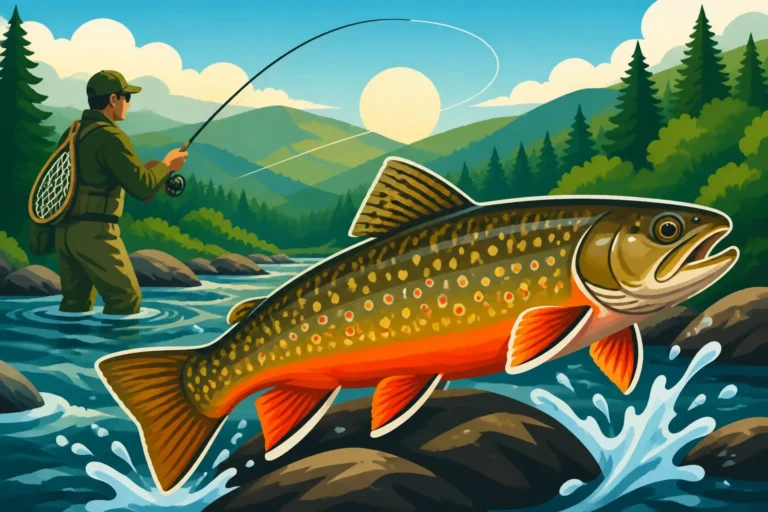
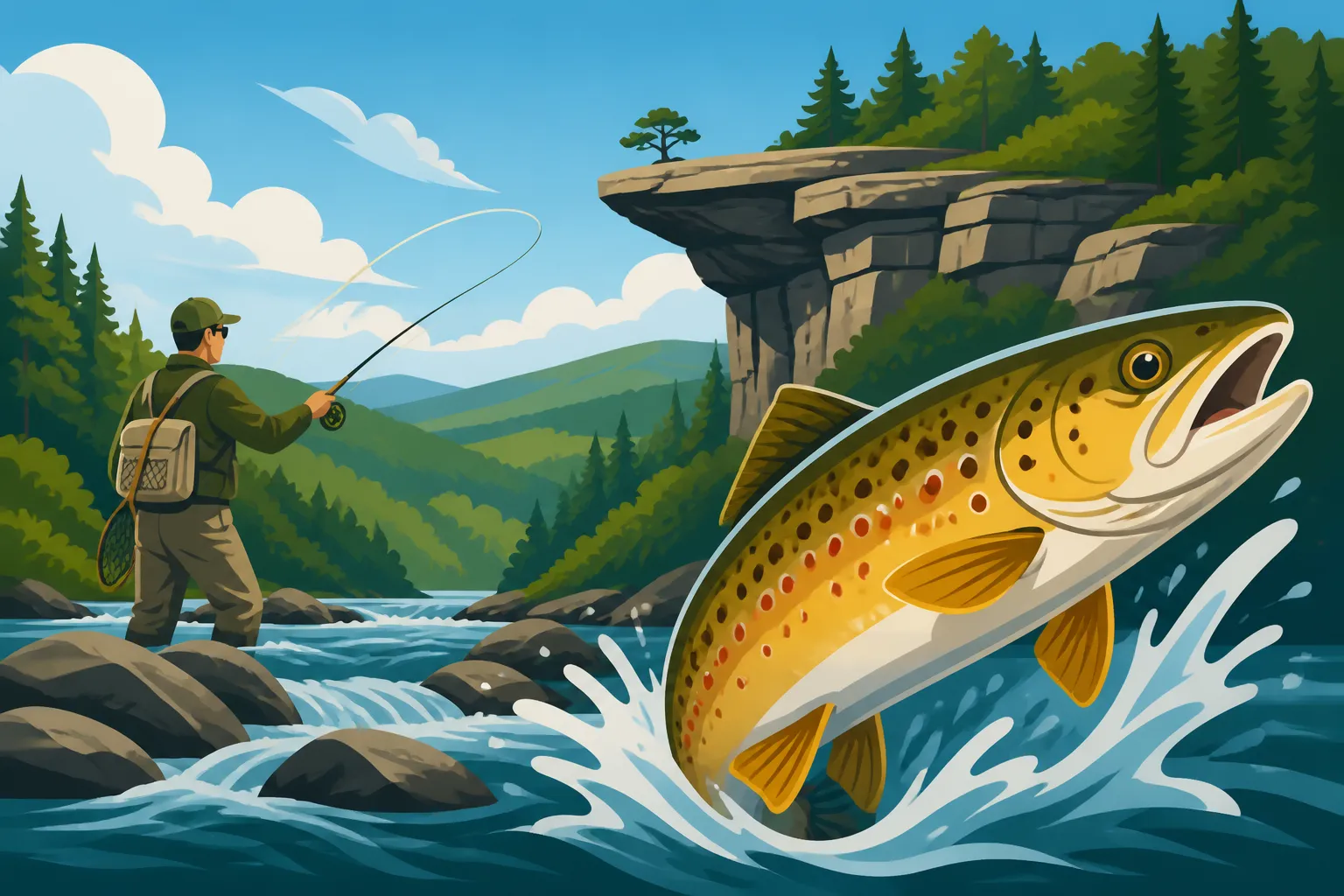
When you venture into the Coopers Rock area, you're likely to encounter a few different species of trout, each with its own charm and challenge. The West Virginia Division of Natural Resources (WVDNR) regularly stocks many of these streams with rainbow trout, offering consistent opportunities, especially during the spring and fall stocking seasons. You might also find brown trout, which are known for their resilience and often grow to impressive sizes in the right conditions. However, for many anglers, the true prize here is the native brook trout, West Virginia's state fish. These beautiful, smaller fish, with their distinctive worm-like markings and vibrant colors, thrive in the colder, cleaner headwater streams and often require a stealthier approach. Understanding these different species and their preferred habitats will significantly improve your chances of success.
Key Trout Streams Near Coopers Rock
The Coopers Rock area is crisscrossed by several excellent trout streams, each offering a slightly different experience. Knowing which stream to target based on your preferences—whether you're after stocked rainbows, wild brookies, or a mix of both—is key to a successful outing. Many of these streams are part of the larger Cheat River watershed, known for its scenic beauty and diverse fisheries.
Decker's Creek: A Popular and Accessible Option
Decker's Creek is perhaps the most well-known and easily accessible trout stream in the Coopers Rock vicinity. Flowing through Morgantown and eventually into the Monongahela River, the upper stretches of Decker's Creek, especially those within or near the Coopers Rock State Forest boundaries, are regularly stocked by the WVDNR. This means you can often find good numbers of rainbow trout, especially right after a stocking event. The creek features a mix of pocket water, riffles, and some deeper pools, offering varied fishing opportunities. Access is relatively straightforward, with several pulloffs and trails leading to the water. It’s a great choice for anglers who prefer a shorter hike or want to introduce beginners to trout fishing. While popular, there are still plenty of spots to explore, especially if you're willing to walk a bit further from the main access points. For the latest stocking information, it’s always a good idea to check the West Virginia Trout Stocking Hotline and Schedule.
Cheat River Tributaries: Exploring Smaller, Wilder Waters
Beyond Decker's Creek, numerous smaller tributaries feed into the Cheat River, many of which hold wild and holdover trout. These streams often require more effort to access, involving hiking through dense forest, but the reward can be a more solitary and pristine fishing experience. Streams like Big Sandy Creek, a larger tributary that flows through the heart of Coopers Rock State Forest, can offer excellent opportunities for smallmouth bass in its lower sections, but its upper reaches and smaller feeder creeks are prime brook trout habitat. Other smaller, unnamed trickles and branches, often no more than a few feet wide, can also surprise you with healthy populations of native brook trout. These wilder streams are often overlooked by casual anglers, making them perfect for those seeking solitude and a challenge. When targeting these smaller waters, remember that Brook Trout: West Virginia's Native and State Fish are often quite wary.
Monongalia County Streams: Beyond the Forest Boundary
While Coopers Rock is the focal point, don't overlook other streams in Monongalia County that are managed for trout. Some of these might not be directly within the state forest but are still a short drive away and offer additional opportunities. These can include sections of Booth Creek or Tibbs Run, which are also stocked periodically. These streams often present a different character than the rugged mountain streams, sometimes flowing through more open areas, yet still maintaining good water quality for trout. It's always a good strategy to consult the official West Virginia fishing regulations summary to find all designated trout waters in a given county. Online platforms like FishingBooker can also sometimes provide insights into local guides who know these lesser-known streams intimately.
Accessing Coopers Rock Trout Waters
Getting to your desired fishing spot can sometimes be half the adventure, especially in mountainous terrain. The Coopers Rock area offers a range of access options, from easily reachable roadside pull-offs to more challenging backcountry hikes. Knowing how to navigate these options is crucial for a successful trip.
Driving and Parking Specifics
The primary access point for the Coopers Rock State Forest is off I-68, east of Morgantown. Once you enter the forest, a network of paved and gravel roads leads to various overlooks, trailheads, and, crucially, stream access points. For Decker's Creek, portions run parallel to Coopers Rock Road, offering several convenient parking areas and informal pull-offs where you can park and walk down to the water. Some sections of the creek also have designated fishing access points maintained by the WVDNR. When exploring the smaller Cheat River tributaries, you might need to park at a trailhead for a hiking trail and then bushwhack your way to the water. Always be mindful of private property signs and respect landowners' rights. It's also a good idea to have a detailed map or a GPS device, as cell service can be spotty in some parts of the forest.
Navigating Trails and Bushwhacking to Secluded Spots
For those seeking more solitude or targeting wild trout, hitting the trails or even bushwhacking through the woods will be necessary. Coopers Rock State Forest boasts a fantastic network of hiking trails, many of which parallel or cross streams. For instance, trails like the Clay Run Trail or those leading towards the Cheat Canyon can offer access to Big Sandy Creek and its feeder streams. When venturing off-trail, safety is paramount. Always let someone know where you're going and when you expect to return. Wear appropriate hiking footwear with good ankle support, as the terrain can be uneven and steep. Be aware of local wildlife, including black bears, and carry bear spray if you're venturing deep into the backcountry. The reward for this extra effort is often unpressured water and the chance to catch truly wild trout. If you're looking to plan a multi-day trip, FishingBooker can help you connect with local lodging and other amenities.
Considerations for Wading and Safety
Wading in these mountain streams requires caution. The bottom is typically rocky and uneven, with slippery moss-covered rocks common. A good pair of Best Wading Boots for Rocky Streams with felt or rubber soles (depending on your preference and local regulations) is essential. A wading staff is also highly recommended, especially when crossing faster currents or probing deeper sections. Water levels can fluctuate rapidly, particularly after heavy rains, so always check the weather forecast before heading out. During colder months, appropriate layering and Best Chest Waders for Cold Water Trout Fishing are critical to prevent hypothermia. Remember that solitude in these areas also means help might be far away, so always prioritize safety over reaching that "perfect" spot.
Essential Gear and Techniques for Coopers Rock Trout
Having the right gear and knowing how to approach these particular streams can make a significant difference in your success rate. The Coopers Rock area offers a variety of water types, so versatility in your tackle is a plus.
Recommended Rods, Reels, and Line
For general trout fishing in the Coopers Rock area, a lightweight setup is usually ideal. If you're a spin fisherman, a 6 to 7-foot ultralight to light-action spinning rod paired with a small spinning reel spooled with 4-6 pound monofilament or fluorocarbon line is perfect. This setup offers sensitivity for detecting subtle bites and enough backbone for handling feisty trout. For fly anglers, a 7'6" to 9' 3-weight or 4-weight fly rod is a versatile choice. A 3-weight is great for smaller streams and delicate presentations, while a 4-weight offers a bit more power for wind or larger flies. Paired with a weight-forward floating line and a 7.5 to 9-foot tapered leader, you'll be well-equipped. Don't forget to have a selection of tippet material, typically 5x or 6x, especially when fishing for spooky wild trout. Choosing the Best Fly Rods for West Virginia Trout Streams can truly enhance your experience.
Baits, Lures, and Fly Patterns That Produce
The "best" bait or lure can change with the season and water conditions, but some staples consistently produce in the Coopers Rock area. For bait anglers, classic choices like PowerBait (especially in bright colors), small worms (red wigglers or mealworms), and salmon eggs are always reliable, particularly for recently stocked trout. For lure fishermen, small inline spinners (Mepps, Panther Martin) in sizes #0 to #2, tiny spoons, and micro jigs are highly effective. For fly anglers, a diverse fly box is key. Early spring and fall might call for nymphs like Pheasant Tails, Hare's Ears, and Prince Nymphs, especially when fish are feeding sub-surface. During hatches, dry flies like Elk Hair Caddis, Adams, and Parachute Adams can be deadly. Don't forget small streamers like Woolly Buggers for enticing larger trout or exploring deeper pools. Knowing Fly Patterns for West Virginia Trout Streams can give you a significant advantage.
Fishing Techniques for Different Water Types
The varied topography of Coopers Rock streams demands adaptable techniques. In the faster riffles and runs, drift fishing with bait or nymphs can be very productive. Cast upstream and allow your offering to drift naturally with the current, keeping a watchful eye on your line for any twitch indicating a bite. For deeper pools and slower sections, a suspended bait under a small bobber or an indicator can work wonders. When targeting wild brook trout in small, brushy streams, stealth is paramount. Approach quietly, stay low, and make short, accurate casts with small flies or tiny lures. Many anglers find success by "high-sticking" nymphs through small pockets of water. During the warmer months, especially in the evening, actively feeding trout may be looking up, making dry fly fishing an exciting option. Consider booking a trip through FishingBooker to learn specialized techniques from local guides.
Regulations and Conservation in the Coopers Rock Area
Fishing in West Virginia, especially for trout, comes with specific rules designed to protect the resource and ensure sustainable angling for everyone. It's your responsibility as an angler to be familiar with and adhere to these regulations.
Understanding West Virginia Trout Regulations
Before heading out, make sure your West Virginia Fishing License Guide for 2026 is current, and you understand all applicable regulations. This includes statewide daily creel limits and possession limits, as well as any special regulations that might apply to specific streams. Some streams or sections of streams might be designated as "Catch and Release Only" or have specific gear restrictions (e.g., fly fishing only, artificial lures only). Always carry a copy of the official West Virginia Fishing Regulations Explained or the summary booklet, which you can often find at license vendors or download online. Pay particular attention to the Trout Stamps and Trout Fishing Rules in West Virginia, as a separate stamp is required to fish for trout.
Special Regulation Waters and Their Importance
While many streams in the Coopers Rock vicinity fall under general statewide regulations, it's crucial to be aware of any Special Regulation Waters in West Virginia. These areas are often managed intensively to promote trophy trout populations or protect native species. For instance, some sections of streams might have reduced creel limits, size restrictions (e.g., minimum size for keeping fish), or specific seasons. These regulations are in place for a reason—to ensure healthy fish populations for future generations. Respecting these rules is not just about avoiding fines; it's about being a responsible steward of West Virginia's natural resources.
Practicing Responsible Angling and Leave No Trace
The beauty of the Coopers Rock area is its wildness, and it's up to every angler to help preserve it. Always practice "Leave No Trace" principles: pack out everything you pack in, including all trash, broken line, and discarded bait containers. Handle all fish, especially wild trout, with care. If you plan to release a fish, minimize its time out of the water, use a rubber mesh landing net to protect its slime coat, and revive it gently before release. Consider using barbless hooks, which make releasing fish much easier and less stressful for the fish. Educating yourself on West Virginia Catch and Release Rules for Trout will greatly help. By adhering to these practices, you ensure that the Coopers Rock area trout streams remain pristine and productive for years to come.
Table: Key Trout Streams Near Coopers Rock Overview
| Stream Name | Primary Trout Species Target | Typical Access | General Character | Special Notes |
|---|---|---|---|---|
| Decker's Creek | Rainbow, Brown (stocked) | Roadside pull-offs, designated areas | Moderate flow, varied pools/riffles, can be pressured closer to roads | Regularly stocked, good for spin and fly, upper sections are best. |
| Big Sandy Creek | Brook (wild), Smallmouth (lower) | Hiking trails, forest roads | Rocky, steeper gradient, colder headwaters, dense canopy | Excellent for wild brook trout, requires hiking, solitude. |
| Cheat River Tribs (various unnamed) | Brook (wild) | Bushwhacking, off-trail access | Small, brushy, very cold, often overgrown, remote | True wilderness experience, stealth required, very rewarding. |
| Tibbs Run | Rainbow, Brown (stocked) | Forest roads, some pulloffs | Smaller than Decker's, good holding water, less pressure than main creeks | Check stocking schedules, often quieter, good for a relaxed day. |
Disclaimer
Always consult the latest West Virginia fishing regulations provided by the West Virginia Division of Natural Resources (WVDNR) before planning any fishing trip. Regulations, stocking schedules, and special area rules can change seasonally and annually.