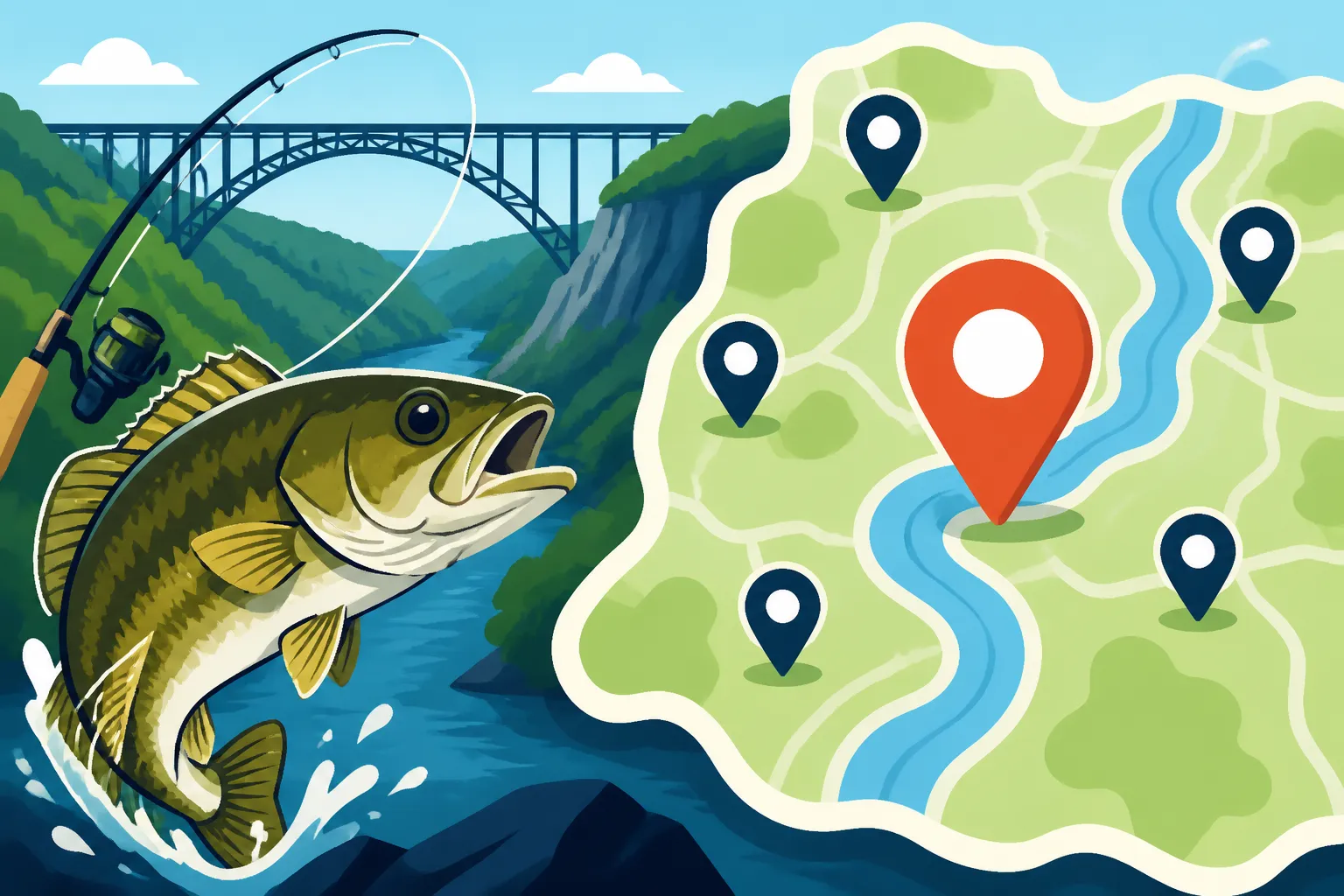
New River Gorge fishing access map
Trying to navigate the vast, rugged terrain of West Virginia's New River Gorge to find that perfect fishing spot can feel like deciphering an ancient treasure map. The sheer cliffs, dense forests, and winding roads can be intimidating, making it tough to know where to even start. This guide is here to unmuddy those waters, providing a comprehensive look at the best and most accessible fishing points within the New River Gorge National Park and Preserve, helping you plan your next angling adventure with confidence.
Understanding New River Gorge Fishing Opportunities and Challenges
The New River Gorge isn't just a stunning landscape; it's a vibrant ecosystem that offers some truly unique fishing experiences. But, like any wild place, it comes with its own set of challenges that every angler should understand before heading out.
The New River's Unique Fishery and Species
Known as one of the oldest rivers in the world, the New River carves its way through ancient rock, creating diverse habitats that support a fantastic array of fish species. When you cast a line here, you're not just fishing; you're tapping into a geological marvel. The undisputed king of the New River is the smallmouth bass, prized for its fighting spirit and willingness to hit a variety of lures and flies. These bronzebacks thrive in the river's rocky structure and swift currents, offering exhilarating action. But it's not just about bass. The river also boasts healthy populations of muskie, often referred to as "the fish of 10,000 casts," offering a chance at a true trophy catch. Walleye and various panfish are also present, adding to the diversity of your potential catches.
The unique flow and ancient geology mean the water temperatures and clarity can vary significantly, influencing where and when certain species are most active. Anglers often find themselves focusing on different sections depending on the season and recent weather patterns. For a deeper dive into what you might encounter, check out our dedicated guide on New River Smallmouth Bass Fishing or explore the possibilities with New River Muskie Fishing. Understanding these specific fish behaviors can dramatically improve your success rate in these challenging waters.
Navigating the Gorge's Terrain
While the fishing is phenomenal, the New River Gorge presents some real logistical hurdles for anglers. The gorge is characterized by steep, heavily forested canyon walls, meaning direct river access is often limited to a few specific points. Many roads are narrow, winding, and can be gravel or unpaved, requiring careful driving. Parking can be scarce at popular spots, especially during peak seasons or on weekends. This isn't your typical drive-up-and-cast kind of place. You might find yourself hiking a bit, or even needing to launch a boat or kayak to reach the best spots.
The challenge of access is also what preserves the wild character of the fishing here. Those willing to put in a little extra effort are often rewarded with solitude and untouched waters. However, it also means that having a clear plan and knowing exactly where you can get to the water safely is paramount. Without a reliable New River Gorge fishing access map, you could spend more time driving in circles than actually fishing. It’s definitely not a place to just wing it, especially if you're unfamiliar with the area.
Key Fishing Access Points in New River Gorge
Knowing the general fishing opportunities is one thing, but actually getting your boots wet or your boat in the water is another. Let's break down the most reliable and popular access points for fishing within the New River Gorge National Park and Preserve, keeping in mind the varied experiences each offers.
Fayette Station Road Access
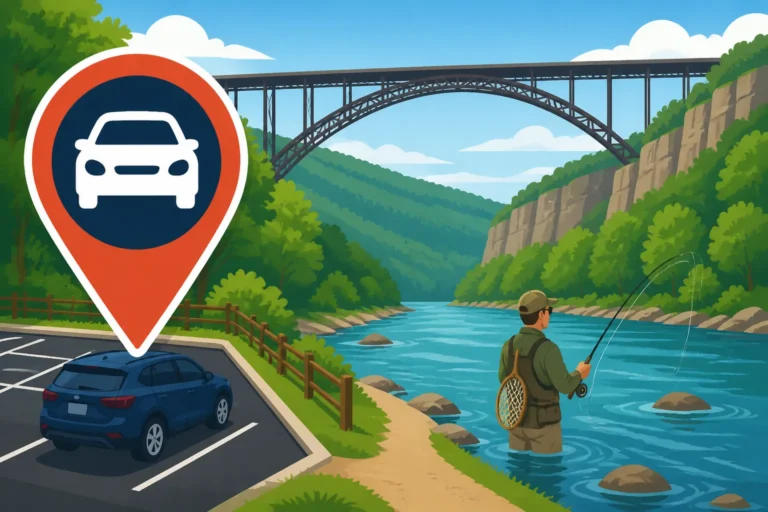
Fayette Station Road is arguably one of the most iconic and accessible points in the entire gorge, offering a winding descent to the river bottom beneath the New River Gorge Bridge. This historic road provides several pull-offs and designated parking areas right along the river.
- Location and Driving Instructions: To get there, you'll take U.S. Route 19 to Fayetteville, then follow signs for the Canyon Rim Visitor Center. Just past the visitor center entrance, you'll see the turn-off for Fayette Station Road. It's a steep, paved, two-lane road that winds its way down to the river, eventually crossing a one-lane bridge and climbing back up the other side. You can drive the entire loop or just drive down to the river, fish, and then drive back out the same way.
- Access Type and Fishing Opportunities: At the bottom, you'll find ample bank fishing opportunities and some rocky areas that are suitable for wading when water levels are safe. There's also a popular boat launch ramp, suitable for rafts, drift boats, and smaller motorboats, making it a prime spot for those looking to float downstream or fish larger sections of the river. Anglers here primarily target smallmouth bass, often finding success with jigs, crankbaits, and soft plastics fished around the abundant rock structure. It's a fantastic spot to experience the grandeur of the gorge from river level. For more specifics on what lures work best, consider our guide on Best Baits for Smallmouth Bass on the New River.
- Challenges and Considerations: While well-maintained, Fayette Station Road is steep and winding, requiring caution. Parking can fill up quickly during peak tourist seasons or weekends. Always be aware of other river users, including whitewater rafters and kayakers, and understand Operating a Boat Near an Angler in West Virginia rules.
Sandstone Falls State Park Access
Downstream from the main gorge, Sandstone Falls offers a different, yet equally spectacular, fishing experience. It's the largest waterfall on the New River, and the surrounding area provides unique access.
- Location and Driving Instructions: Sandstone Falls is located near the town of Hinton. From Hinton, you can take Route 20 north, then follow signs for Sandstone Falls State Park. The main access is via a boardwalk that leads to several viewing platforms of the falls and islands.
- Access Type and Fishing Opportunities: The boardwalk provides easy access to several islands below the main falls. From these islands, anglers can find excellent bank fishing and wading opportunities in the eddies and slower pockets around the powerful currents. The tumultuous water below the falls is a natural magnet for smallmouth bass, and it's also a known spot for walleye and the occasional muskie, particularly in the deeper runs. The dramatic scenery makes this a truly memorable place to fish. Remember to always have your West Virginia Fishing License Guide for 2026 in order.
- Challenges and Considerations: Wading near the falls requires extreme caution due to strong currents and slippery rocks. Always check water levels before wading. While a boardwalk offers good access, it's not suitable for boat launching. Parking at the park entrance is generally plentiful.
Glade Creek Road Access
For those seeking a more secluded, wilderness-like experience, Glade Creek offers a rugged adventure. This is where the paved roads give way to gravel and the crowds thin out considerably.
- Location and Driving Instructions: Glade Creek Road can be accessed from either Grandview (near Beckley) or from the Thurmond side. From Grandview, take Glade Creek Road for several miles. From the Thurmond side, you'll cross the Thurmond bridge and pick up the gravel road. Be prepared for a bumpy ride on a narrow, unpaved road. High-clearance vehicles are recommended, especially if there has been rain.
- Access Type and Fishing Opportunities: This road provides multiple pull-offs and primitive campsites right along Glade Creek itself, which is a fantastic trout stream, before it empties into the New River. Further down the road, you'll find walk-in access to the New River itself. This is primarily a bank fishing and wading area, perfect for anglers who enjoy hiking to find their spot. The confluence of Glade Creek and the New River can be a hot spot for smallmouth and sometimes even larger predatory fish following baitfish. The remote nature means you often have sections of the river to yourself.
- Challenges and Considerations: The road conditions can be challenging, especially after inclement weather. Cell service can be spotty to non-existent. Always pack essentials and let someone know your plans. This area truly embodies the spirit of New River Gorge National Park Fishing Access Points.
Thurmond and Cunard Access Points
These two access points offer vital river access further downstream, catering to both bank anglers and those with boats. They each have their own charm and strategic value for fishing.
- Thurmond: This historic railroad town provides a unique backdrop for fishing. You can access the river from the Thurmond Bridge area, with limited parking available. This spot offers bank access and opportunities to fish around the bridge pilings and rock bars. It's a great place to soak in some history while waiting for a bite.
- Cunard: Located just a few miles downstream from Thurmond, Cunard features a well-maintained boat launch ramp, making it a popular put-in for drift boats, rafts, and kayaks. The ramp is paved, providing relatively easy access to the river. There’s a decent-sized parking lot, which is a major plus. This is a strategic point for those wanting to float sections of the river, especially if you're planning a multi-day trip. If you're pondering a river float, our guide on Best Kayak for the New River might be helpful.
- Fishing Opportunities: Both Thurmond and Cunard provide excellent opportunities for smallmouth bass. The river here offers a mix of riffles, runs, and deeper pools, perfect for casting a variety of lures. Muskie are also known to frequent these sections.
Other Less-Known or Walk-In Accesses
Beyond the primary access points, the New River Gorge holds countless hidden gems for the adventurous angler willing to put in the legwork.
- Grandview Sandbar: While less about the falls and more about the river bend, Grandview Sandbar offers walk-in access and often less crowded conditions than Fayette Station. It's accessible via a paved road and offers good bank fishing spots.
- Stone Cliff Trail: For serious hikers, the Stone Cliff Trail provides access to remote sections of the river. This isn't a casual stroll; it requires good physical conditioning and a willingness to hike several miles, but the reward is often pristine, unpressured fishing.
- WMA Accesses: Keep an eye out for access points within Wildlife Management Areas (WMAs) bordering the New River. These can sometimes offer primitive launches or walk-in spots, though they may require an additional West Virginia's Conservation Stamp, Explained if you're not already covered by a hunting/fishing license. Always check the specific regulations for any WMA you plan to visit.
Finding these spots might require a bit of online research or even consulting with local bait shops. If you're looking to explore specific sections with a local expert, services like FishingBooker can help you find experienced guides who know these quieter spots.
Here's a quick comparison of some of these key access points:
| Access Point | Primary Access Type | Target Species | Notable Features | Challenges |
|---|---|---|---|---|
| Fayette Station | Boat Ramp, Bank | Smallmouth, Muskie | Historic drive, under bridge | Steep road, crowded at peak times |
| Sandstone Falls | Bank, Wading | Smallmouth, Walleye | Boardwalk, largest falls on New River | Strong currents, no boat launch |
| Glade Creek | Walk-in, Wading | Smallmouth, Trout | Secluded, wilderness feel, gravel road | Rough road, limited cell service |
| Thurmond | Bank, Limited Wading | Smallmouth, Muskie | Historic town, unique atmosphere | Limited parking, no dedicated boat ramp |
| Cunard | Boat Ramp | Smallmouth, Muskie | Paved ramp, good parking, float trip start | Can be busy with rafters |
| Grandview Sandbar | Bank, Walk-in | Smallmouth | Less crowded, scenic river bend | Requires short hike to river |
Planning Your New River Gorge Fishing Trip
A successful fishing trip in the New River Gorge isn't just about knowing where to go; it's also about being prepared for the conditions and understanding the rules of the road (or river!).
Essential Gear and River Safety
The New River is a powerful, dynamic body of water, and safety should always be your top priority. Whether you're wading, bank fishing, or on a boat, having the right gear is crucial.
- Waders and Footwear: If you plan on wading, breathable chest waders are essential for comfort, and sturdy wading boots with good ankle support are non-negotiable for navigating the rocky, often slippery riverbed. Felt soles or studded rubber soles offer superior grip. A reliable Best Wading Staff for Fast Current can provide crucial stability.
- Personal Flotation Devices (PFDs): If you're in any type of watercraft – kayak, canoe, raft, or motorboat – wearing a PFD is paramount. The currents can be deceptively strong, and accidents can happen quickly. Even skilled swimmers can be overwhelmed. For more information, read our guide on Life Jacket Requirements for West Virginia Boaters.
- First Aid and Emergency Supplies: Always carry a well-stocked first-aid kit, enough water and snacks for your outing, a multi-tool, and a headlamp. Cell service is spotty in many parts of the gorge, so don't rely on your phone for navigation or emergencies alone. Consider carrying a satellite messenger for true wilderness adventures.
- Appropriate Tackle: For smallmouth, a medium-light to medium power spinning or casting rod is ideal, paired with line in the 8-12 lb test range. Lures should include jigs (especially tube jigs or hair jigs), crankbaits, and soft plastics that mimic crawfish or baitfish. If you're hunting muskie, you'll need much heavier gear, including stout rods, baitcasting reels, and heavy braided line with a strong leader. Our article on How to Catch Smallmouth Bass in West Virginia Rivers offers more specific tackle recommendations.
Licensing and Regulations Specific to the Gorge
Fishing in West Virginia means adhering to state regulations, but when you're in a National Park like the New River Gorge, there are additional layers to consider.
- West Virginia Fishing License: First and foremost, anyone aged 15 and older needs a valid West Virginia fishing license. Non-residents have several options, including annual or short-term permits. You can usually purchase these online through the WVdnr.gov website or from licensed vendors throughout the state. Don't forget, if you plan to fish for trout, a trout stamp is also required in addition to your fishing license.
- National Park Service Rules: While a state license covers you for fishing, the National Park Service has its own set of rules regarding access, camping, and sometimes even bait restrictions within the park boundaries. Always check the official New River Gorge National Park and Preserve website for the most current information. Generally, state fishing regulations apply within the park, but it's good practice to double-check for any specific closures or rules. Our post on National Park Fishing Rules at New River Gorge provides essential details to keep you compliant.
- Catch and Release: While not always mandatory, practicing catch and release, especially for larger smallmouth and muskie, helps sustain these incredible fisheries for future generations. Always handle fish carefully, minimizing their time out of water.
- Species-Specific Limits: Be mindful of daily creel limits and possession limits for various species, which can be found in the West Virginia Fishing Regulations Summary. These limits are designed to manage fish populations and ensure healthy ecosystems. You can download and read the full West Virginia Fishing Regulations Explained for all the details.
Utilizing Guides and Mapping Tools
Even with a detailed guide like this, the New River Gorge is vast, and local knowledge can be invaluable. Don't hesitate to seek out additional resources.
- Local Bait and Tackle Shops: These are goldmines of information. Shop owners and staff often have up-to-the-minute reports on water conditions, recent catches, and which baits are working best. They can also provide specific directions to lesser-known spots.
- Online Mapping Applications: Utilize apps like Google Maps, Gaia GPS, or even dedicated fishing apps that allow you to mark waypoints, study contour lines, and understand the terrain before you arrive. Satellite views can help identify potential access points or promising river features. Knowing Where to park for river access inside New River Gorge National Park ahead of time can save you a lot of frustration.
- Hiring a Professional Guide: If you're new to the New River or want to maximize your chances of a trophy catch, consider hiring a local fishing guide. Guides possess intimate knowledge of the river, its currents, and the fish behavior, often taking you to spots you'd never find on your own. Platforms like FishingBooker can connect you with experienced, licensed guides who specialize in New River Gorge fishing, offering everything from float trips to wading excursions. This can be especially beneficial if your time is limited or if you're targeting a specific species like muskie. A guide can also ensure you're compliant with all West Virginia Fishing Season Dates and Closures for the species you're targeting.
By combining this comprehensive access map with thorough planning, essential safety measures, and respect for the regulations, your New River Gorge fishing trip is sure to be a successful and unforgettable experience.
Disclaimer
The information provided in this guide is for general informational purposes only and is subject to change. Fishing regulations, access points, and conditions in the New River Gorge can vary. Always consult the official West Virginia Department of Natural Resources (WVDNR) and National Park Service websites for the most current rules, safety advisories, and conditions before planning your trip. Angling carries inherent risks, and it is your responsibility to ensure your own safety and adhere to all applicable laws.