Shavers Fork native brook trout access
Finding those elusive native brook trout in West Virginia's wild streams can feel like searching for a hidden treasure, especially when you're dreaming of pristine waters and untouched wilderness. Many anglers get frustrated trying to pinpoint exactly where to go and how to access these fragile ecosystems without disturbing them. This comprehensive guide will walk you through accessing Shavers Fork for a truly unforgettable native brook trout fishing experience, focusing on specific access points, essential gear, and the best techniques to connect with these beautiful, wild fish.
Why Shavers Fork is a Native Brook Trout Gem
Shavers Fork, winding its way through the rugged heart of the Monongahela National Forest, stands out as a premier destination for those seeking native brook trout. It’s not just another stream; it’s a living testament to West Virginia's wild heritage, holding populations of brook trout that have never been mixed with hatchery fish. This makes it incredibly special, and accessing it requires both respect and a willingness to embrace the wild.
The Allure of Wild Trout and Pristine Waters
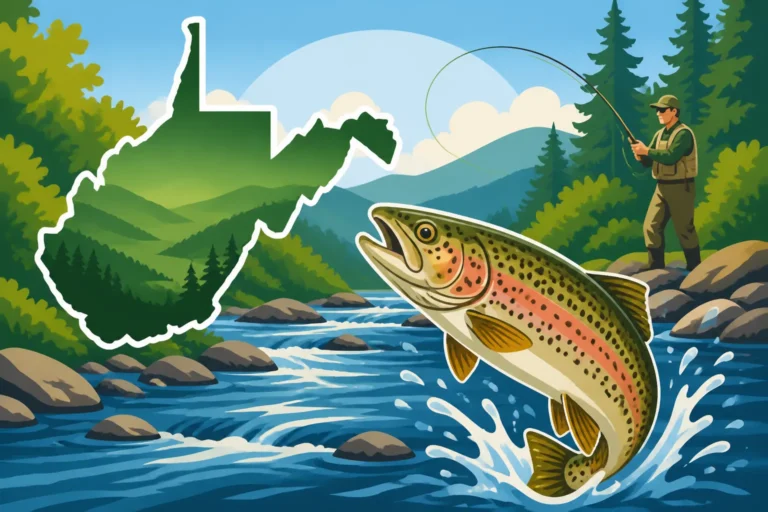
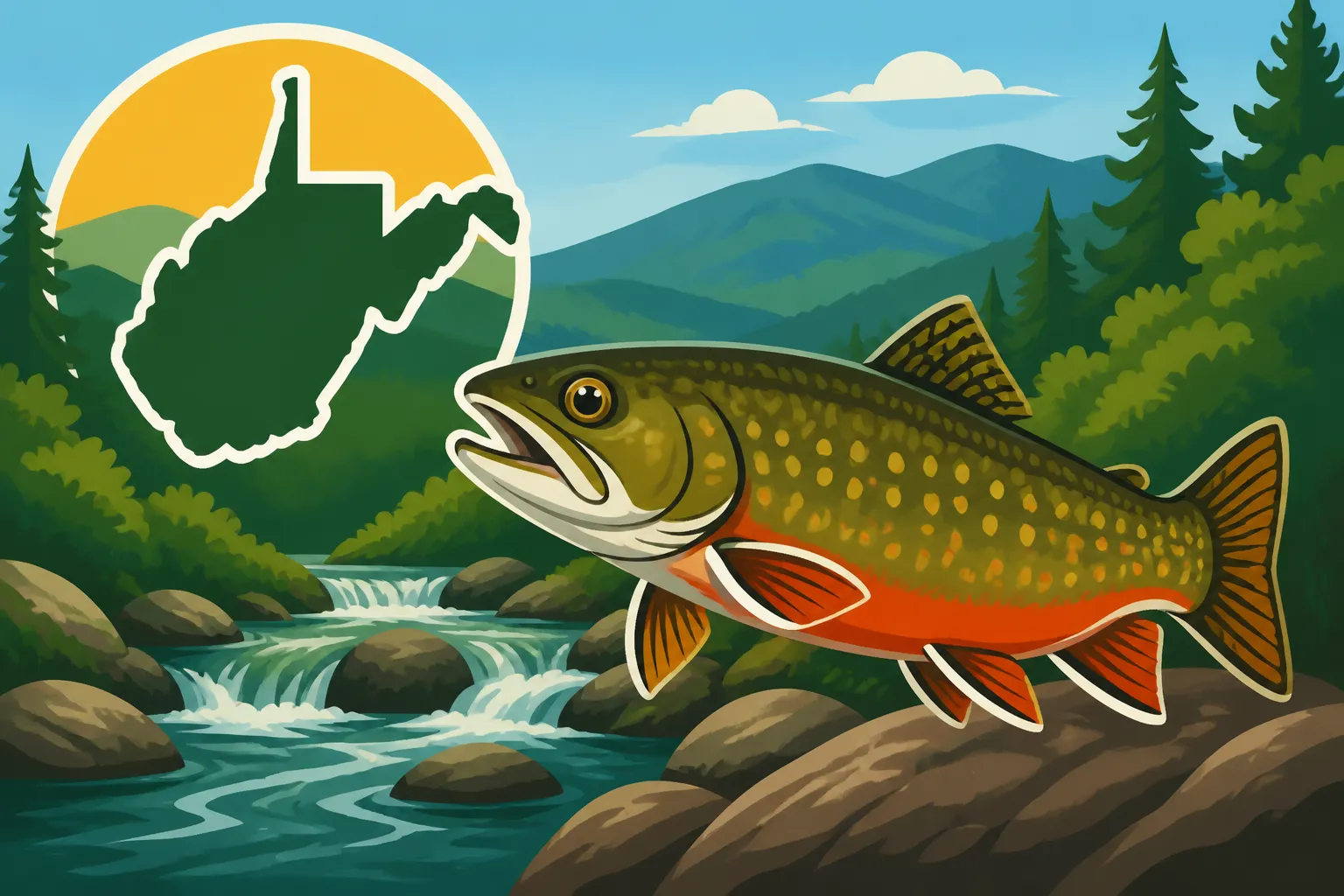
There’s an undeniable magic to catching a wild, native brook trout. These aren't your typical hatchery-raised fish; they're descendants of populations that have survived and thrived in these cold, clean waters for millennia. Their vibrant colors—dark green backs with worm-like markings, red spots ringed with blue, and those iconic white-tipped fins—are simply breathtaking. They are often smaller than their stocked cousins, but what they lack in size, they more than make up for in fighting spirit and sheer beauty.
The waters of Shavers Fork itself are part of the allure. Free from significant agricultural runoff or heavy development, the stream maintains exceptional water quality, flowing over rocky bottoms and through dense rhododendron tunnels. The air here is clean, the sounds are natural, and the sense of solitude is profound. It’s an escape not just for the fish, but for the angler seeking a genuine wilderness experience. Many anglers consider these high-elevation streams to be among the Best Fly Fishing Rivers in West Virginia for this very reason.
Historical Context and Conservation Efforts
Shavers Fork’s native brook trout populations owe their continued existence to a combination of its remote, high-elevation location and dedicated conservation efforts. Unlike many other streams that suffered from logging and mining in the past, parts of Shavers Fork remained sufficiently protected, allowing these fragile populations to persist. The steep terrain and dense forests acted as natural barriers, preserving the delicate balance these fish need to thrive.
Today, the West Virginia Division of Natural Resources (WVDNR) and various conservation groups actively work to protect and enhance these wild trout fisheries. This includes careful management of surrounding lands, monitoring water quality, and implementing specific regulations designed to safeguard native brook trout. Anglers visiting Shavers Fork are strongly encouraged to practice catch-and-release, especially for native fish, to ensure these populations continue for future generations. Understanding West Virginia's Conservation Stamp, Explained can shed more light on how your fishing license fees contribute to these vital conservation initiatives.
Key Access Points for Shavers Fork Native Brook Trout
Accessing Shavers Fork, particularly its most productive native brook trout sections, can be challenging. It's often a blend of driving rough forest roads and then committing to significant hikes and stream wading. Preparation is key, and having a detailed map, a reliable GPS, and an understanding of the terrain is non-negotiable.
Upper Shavers Fork: Remote Headwaters and Wilderness Access
The upper reaches of Shavers Fork, closest to its headwaters, are where you'll find some of the most pristine and least pressured native brook trout populations. This area lies deep within the Monongahela National Forest, near the Mower Tract and areas accessible from Forest Road 92. Getting here is an adventure in itself, often involving driving narrow, unpaved forest roads that may be rough or seasonally gated.
From the town of Elkins, you’d typically head east toward Bowden, then pick up Forest Road 92, which traverses high ridges. Keep an eye out for smaller, unmarked roads or trails that lead down towards the stream. These headwater sections are characterized by smaller flows, denser overhead cover, and steep banks. You’ll need to be prepared for bushwhacking, navigating slippery rocks, and potentially long hikes. Expect very few other anglers in these remote spots. If you're looking for High-elevation trout streams in the Monongahela National Forest, the headwaters of Shavers Fork are definitely a prime example. For more detailed information, checking a local guide or even searching for specialized fishing reports on platforms like FishingBooker can sometimes reveal hidden gems or recent access condition updates.
Middle Sections: Forest Road Crossings and Hike-In Opportunities
As Shavers Fork flows downstream, it crosses and runs parallel to several forest roads, offering slightly more accessible, though still remote, entry points. These sections often provide a good balance of remoteness and fishable water. Forest Road 29 and other connecting routes in the Cheat Mountain area provide various points where you can park and hike down to the stream.
These middle sections are generally wider than the headwaters, with more defined pools, runs, and riffles. While you might still encounter dense rhododendron thickets, the terrain can be a bit more forgiving for wading. Look for pull-offs or small clearings along the forest roads where others might have parked. Be prepared for a hike of at least a mile or two to reach the best fishing, as the most accessible spots often receive more pressure. This is where your Wading Techniques for West Virginia Trout Streams will really come in handy, as you'll be covering a lot of ground in the water. Remember, even with road access nearby, these are still wild trout waters, and stealth is your friend.
Lower Sections: Transition Zones and Challenges
The lower stretches of Shavers Fork, particularly as it approaches its confluence with the Cheat River, begin to change character. The stream becomes larger, warmer, and often holds a mix of trout, including stocked rainbows and browns, and even some warmwater species. While you can still find brook trout here, they tend to be less dominant and more spread out than in the colder, higher-elevation sections.
Access in the lower sections might be somewhat easier due to proximity to more developed areas or larger roads, but the true native brook trout experience diminishes. Anglers primarily focused on native brookies typically concentrate their efforts upstream. However, if you're interested in a mixed bag or are looking for a more generalized trout fishing experience, these areas can still be productive. Just be aware that the pristine, wild feel of the headwaters will be less apparent.
Navigating Shavers Fork: Tips for a Successful Trip
A trip to Shavers Fork for native brook trout is about more than just casting a line; it's an immersive experience in the wild. Being well-prepared and understanding the unique aspects of fishing for these special fish will greatly enhance your success and enjoyment.
Essential Gear and Preparation for Wilderness Fishing
Fishing these wild, remote streams requires specific gear and a mindset geared for rugged conditions. Forget the fancy boat; this is a wading game.
- Waders and Boots: Good quality chest waders are essential for staying dry and comfortable in the cold mountain water. Opt for sturdy wading boots with good ankle support and felt or rubber soles with studs for traction on slippery rocks. Check out recommendations for Best Waders for West Virginia Trout Streams to ensure you're well-equipped.
- Fly Rod and Reel: A lightweight fly rod, typically a 2-weight or 3-weight, between 6'6" and 8' in length, is perfect for the tight quarters and small fish you'll encounter. Pair it with a matching reel and a weight-forward floating line. For specific recommendations, refer to Best Fly Rods for West Virginia Trout Streams.
- Leader and Tippet: A longer leader (7.5 to 9 feet) tapering down to 5x or 6x tippet will help present small flies naturally.
- Small Flies: Native brook trout are not picky, but they prefer small, natural presentations. Dry flies like Parachute Adams, Elk Hair Caddis, and various stimulators in sizes 14-18 are effective. Nymphs like Hare's Ear, Pheasant Tail, and various attractor patterns in sizes 14-18 are also excellent. Don't forget a small box for these, perhaps like those mentioned in Best Fly Boxes for Trout Streams.
- Navigation: A physical map (like a Monongahela National Forest map) and a reliable GPS device or app on your phone (downloaded for offline use) are critical. Cell service is often nonexistent.
- Safety Gear: A first-aid kit, whistle, headlamp, fire starter, and enough water and snacks for the entire day (and a little extra) are crucial. Tell someone your plans and expected return time.
- Sun Protection: Even in shaded streams, UV rays can be strong. A hat, sunglasses (polarized are a must for seeing fish and structure), and sunscreen are recommended.
Table: Shavers Fork Access Overview
| Section | Typical Access Method | Terrain Difficulty | Expected Trout Size | Key Considerations |
|---|---|---|---|---|
| Upper Headwaters | Rough Forest Roads (FR 92) + Long Hike | Very Difficult | Small (6-9 inches) | Extreme solitude, dense brush, challenging navigation |
| Middle Sections | Forest Roads (FR 29) + Moderate Hike | Moderate | Small-Medium (6-10 inches) | Good balance of access/remoteness, more defined pools |
| Lower Reaches | Paved/Improved Roads + Short Hike (some) | Easy-Moderate | Mixed (Native + Stocked) | Less pristine, warmer water, potential for other species |
Fishing Techniques for Spooky Native Brook Trout
Native brook trout are wild, wary creatures that often live in challenging environments. Your approach needs to be subtle and precise.
- Stealth is Paramount: These fish spook easily. Approach the water slowly, keeping a low profile. Stay away from the bank, especially if it's open, and use stream-side cover like rhododendron or boulders to conceal yourself.
- Short, Accurate Casts: You won't be making long casts in these brushy streams. Focus on short, accurate presentations to pockets, eddies, and undercuts. Often, you're fishing directly upstream or downstream, letting your fly drift naturally.
- Small Presentations: As mentioned, small flies are key. Whether dry flies or nymphs, size 14-18 is usually the sweet spot. A single fly is often all you need, especially when learning Fly Fishing for Trout in West Virginia in tight quarters.
- Read the Water: Look for structure—submerged logs, large rocks, undercut banks, and current seams. These are prime hiding spots for brook trout. Don't overlook very shallow water or tiny pockets; native brook trout can hide in surprisingly small spaces.
- Upstream Approach: Generally, it's best to fish upstream, presenting your fly to undisturbed water. This also keeps you from spooking fish that are facing upstream, feeding into the current.
- Quick Strikes: Brook trout have a tendency to hit and spit quickly. Be ready to set the hook at the slightest twitch of your line or indicator.
Conservation and Leave No Trace Principles
Fishing for native brook trout in Shavers Fork comes with a responsibility to protect these precious resources.
- Catch and Release: This is the golden rule for native brook trout. Use single, barbless hooks to minimize harm. If you don't have barbless hooks, simply pinch down the barb with pliers.
- Handle Fish Gently: Wet your hands before touching fish. Keep them in the water as much as possible for photos and release. Avoid squeezing them or dragging them on rocks.
- Leave No Trace: Pack out everything you pack in, including all trash, monofilament line, and any food waste. Leave the area cleaner than you found it.
- Respect Private Property and Gates: Pay attention to land ownership and any posted signs or locked gates on forest roads.
- Check Regulations: Always consult the current West Virginia Fishing Regulations Explained before heading out. Specific regulations for certain waters, like the Shavers Fork Brook Trout Fishing section, may apply, including special tackle restrictions or daily limits (even if you plan to release all fish, it's important to know).
Exploring Shavers Fork for native brook trout is an incredibly rewarding experience that connects you deeply with West Virginia's wild heart. It demands effort and respect, but the reward of a colorful, wild brook trout in your hand, surrounded by undisturbed nature, is truly unparalleled. While a guide might not be necessary, if you're looking for local expertise or want to broaden your West Virginia fishing horizons, sometimes exploring guided trip options through services like FishingBooker can provide valuable insights into other fantastic fishing opportunities across the state.
Disclaimer
The information provided in this guide is for general informational purposes only and is subject to change. Always consult the official West Virginia Division of Natural Resources (WVDNR) regulations before fishing. Access conditions to remote areas can vary due to weather, logging, or other factors; always scout ahead and prioritize safety. Fishing in wilderness areas carries inherent risks.