Cunard access New River fishing
Trying to figure out the best spots to fish on a mighty river like the New River can feel like a daunting task, especially when you're looking for that sweet spot that offers both accessibility and incredible action. This guide is dedicated to breaking down everything you need to know about fishing the New River at Cunard Access, helping you unlock its potential for unforgettable catches.
Why Cunard Access is a Prime New River Fishing Spot
Cunard Access isn't just another launch point; it's a gateway to some of the most dynamic fishing experiences the New River Gorge National Park and Preserve has to offer. Nestled between Fayetteville and Thurmond, this particular stretch of river holds immense appeal for anglers seeking diverse species and challenging, rewarding fishing. The geology of the New River, one of the oldest rivers on the continent, creates a unique environment with deep pools, swift currents, and endless rock structures that are ideal habitats for game fish.
The Unique Appeal of Cunard's Location
What makes Cunard truly special is the variety of water it presents within a relatively compact area. Right at the access point, you'll find shallower, faster-moving water that transitions into deeper pools as the river bends and meanders downstream. This mosaic of habitats means you can switch up your techniques and target different species without having to travel far. The banks are often rocky, providing excellent cover and ambush points for predatory fish. It’s a spot where you can launch a boat or, if you're up for it, explore some fantastic wading opportunities, making it versatile for different angling preferences. The confluence of features here creates a bustling ecosystem, supporting everything from scrappy smallmouth bass to elusive muskie. Plus, being within the New River Gorge National Park means you're surrounded by breathtaking natural beauty, adding to the overall experience.
Target Species and Their Habits
When you cast a line into the New River at Cunard, you're primarily aiming for three incredible game fish: smallmouth bass, muskie, and various catfish species. Each has its own habits and preferences that anglers need to understand for consistent success.
-
Smallmouth Bass: The New River is legendary for its smallmouth bass, often called "bronze backs" due to their color. These fish are absolute fighters, known for their strong runs and acrobatic jumps. At Cunard, you'll find them holding tight to current breaks, behind large boulders, in eddies, and along ledges. They love structure and often position themselves where they can ambush baitfish or crawfish being swept downstream. In warmer months, topwater action can be explosive, but jigs, soft plastics, and crankbaits worked near the bottom are consistently effective. Remember to check the specific New River Black Bass Limits and the New River Slot Limit before heading out, as regulations can vary.
-
Muskie: The "fish of 10,000 casts" finds a healthy home in the New River, and Cunard is no exception. These apex predators lurk in deeper pools, along submerged logjams, or near significant current breaks where they can lie in wait for larger prey. Catching a muskie here is a true trophy quest. They are powerful, aggressive, and demand heavy tackle. While they might be more elusive, their presence adds an exciting element of potential giants to every cast. Early mornings and late evenings, or even after dark, can be prime times for these elusive beasts.
-
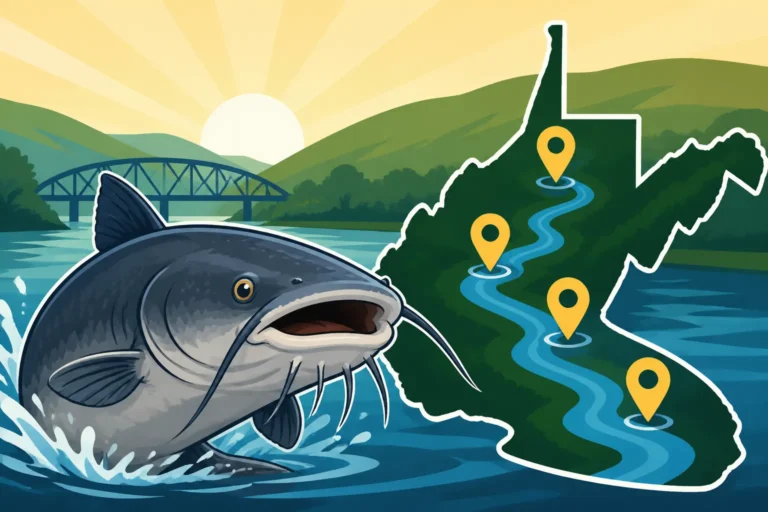
Catfish: Both channel catfish and flathead catfish patrol the waters around Cunard. Channel cats are often found in deeper, slower-moving sections and readily take a variety of baits, especially those with a strong scent. Flatheads, on the other hand, are more solitary and prefer to hide in submerged timber or deep rock crevices, ambushing live bait. Night fishing for catfish at Cunard can be exceptionally productive, especially for those seeking larger specimens. A fishing trip could easily be dedicated solely to these bottom dwellers, providing consistent action throughout the day and into the night.
Navigating Cunard Access for Anglers
Cunard Access is designed to be user-friendly, but understanding its layout and specific features can significantly enhance your fishing trip. Whether you prefer fishing from a boat or exploring the banks, there are considerations unique to this spot.
Boat Launch and Parking Considerations
Cunard offers a concrete boat ramp, making it a popular spot for launching drift boats, rafts, and small motorized craft. It's a busy access point, especially during peak rafting season, so timing your visit can be crucial. Weekdays or early mornings on weekends often provide a less crowded experience. Parking is available, but space can be limited, particularly for vehicles with trailers. Always ensure your vehicle and trailer are parked legally and don't obstruct traffic or other river users. For those bringing a boat, it’s also wise to be familiar with general West Virginia Boating Laws for Anglers, including life jacket requirements and proper navigation techniques, as the New River can have strong currents and hidden hazards.
The launch itself is generally well-maintained, but river levels can fluctuate, affecting ease of launch. It’s always a good idea to check local river conditions before you head out. Once launched, you have the option to head upriver or downriver, both offering distinct fishing opportunities. Anglers often drift downstream, fishing various structures, and then arrange for a take-out further down, like at Fayette Station or upstream towards Thurmond. Planning your shuttle ahead of time is essential for a smooth float trip. If you're utilizing services like a guided trip, companies often handle these logistics, simplifying your experience. If you're looking to book a guided trip for the New River, platforms like FishingBooker can connect you with experienced local guides who know these waters intimately.
Shoreline and Wading Opportunities
For anglers without a boat, or those who simply prefer to feel the river beneath their feet, Cunard offers excellent shoreline access and wading opportunities. Immediately around the launch area, there are numerous rocky outcroppings and pockets of slower water that can hold fish. Exploring upstream and downstream from the main access point will reveal additional spots.
When wading, safety is paramount. The New River has a powerful current, and the bottom can be incredibly slick with moss-covered rocks. A sturdy wading staff is highly recommended, and always wear appropriate wading boots with good grip. Prioritize shorter steps and test the bottom before committing your weight. Never wade into water that feels too strong or too deep for your comfort level. The best wading spots are often where the current breaks around larger boulders or gravel bars, creating seams where fish congregate. These areas are fantastic for targeting smallmouth bass with jigs, tubes, or small crankbaits. For deeper spots along the bank, a longer cast or a Carolina rig can help present your bait effectively. It’s a great way to experience the New River up close, connecting directly with its ancient flow. Remember, the New River Gorge is a vast area, and places like Cunard offer some of the best New River Gorge Fishing Access Points for those seeking both convenience and quality fishing.
Essential Techniques and Tackle for Cunard Fishing
Fishing at Cunard, like any dynamic river system, benefits from adapting your techniques and tackle to the conditions and the specific species you're targeting. Being prepared with a versatile array of gear will significantly improve your chances of success.
Lures and Baits That Get Bites
For the diverse fishery at Cunard, a varied tackle box is your best friend. Different times of year and different water conditions will favor certain presentations, but some classics consistently produce.
- Smallmouth Bass:
- Jigs: Tube jigs (like the classic green pumpkin or watermelon seed) rigged on a leadhead jig work wonders, especially bounced along the bottom or skipped under submerged structure. Football head jigs with soft plastic crawfish imitations are also deadly, mimicking one of the smallmouth's primary food sources.
- Crankbaits: Medium-diving crankbaits in crawfish patterns or natural baitfish colors (silver/black, shad) are excellent for covering water and triggering reaction strikes, particularly when cast parallel to current breaks.
- Topwater Lures: In low light conditions or during warmer months, topwater poppers, walk-the-dog baits, and prop baits can provide explosive action. Throwing them near eddies or slack water adjacent to current can be thrilling.
- Soft Plastics: Senkos, swimbaits, and grubs rigged on a jig head or a weedless hook can be very effective, especially when fished slowly in deeper pools or around structure.
- Muskie: Due to their size and aggressive nature, muskie require much heavier tackle.
- Large Swimbaits: Soft plastic or hard-bodied swimbaits, 8-12 inches long, are excellent for imitating the larger baitfish muskie feed on.
- Bucktail Spinners: Classic muskie lures, bucktails create a lot of flash and vibration, drawing strikes from aggressive fish.
- Jerkbaits/Gliders: Larger jerkbaits that can be twitched and paused, mimicking a wounded baitfish, are also very effective.
- Live Bait: Large suckers or chubs, where legal, can be irresistible to muskie.
- Catfish:
- Stink Baits/Cut Bait: For channel catfish, prepared stink baits, chicken livers, or cut pieces of shad are very effective.
- Live Bait: For flathead catfish, live bluegills, sunfish, or large shiners are often the best choice, fished on the bottom with a stout circle hook.
- Worms: A classic, nightcrawlers can catch both channel cats and smaller panfish that reside in the same areas.
A crucial aspect of fishing these larger, often toothy species, especially muskie and bigger catfish, is having a proper Best Landing Net for Muskie or a sturdy set of BogaGrip-style lip grippers to ensure a safe release and protect both the fish and yourself.
Seasonal Strategies for Success
The New River changes throughout the year, and understanding these shifts can help you plan your Cunard fishing trips for optimal success.
- Spring: As water temperatures rise, fish become more active. Smallmouth bass will move into shallower areas to feed and eventually spawn. This is a fantastic time for jig fishing and slowly retrieving crankbaits. Trout, recently stocked in nearby waters, might occasionally be found in the cooler headwater sections or tailwaters, but the New River itself is primarily a warm-water fishery. If you're interested in dedicated trout fishing, you might look into Spring Trout Fishing Techniques for West Virginia Streams for other local options.
- Summer: Peak season for many anglers. Smallmouth bass are highly active, and topwater action can be incredible during low light. Muskie are also very active, often found in deeper, cooler pockets or ambush points. Catfish fishing heats up as well, with night fishing being particularly productive. However, be mindful of boat traffic, especially whitewater rafters, during midday.
- Fall: Often considered the best time for trophy smallmouth and muskie. As water temperatures drop, fish feed aggressively to bulk up for winter. Larger baits and slower retrieves often shine. The vibrant fall foliage also makes for a stunning backdrop to your fishing adventure. This is often the time when anglers targeting Muskie Fishing in West Virginia see their greatest success.
- Winter: While less crowded, winter fishing can be surprisingly good for those willing to brave the cold. Smallmouth bass will congregate in deeper pools, and a slow-fished jig or a suspending jerkbait can entice bites. Catfish can also be caught in winter, often in the deepest parts of the river. Ice fishing is not really an option at Cunard due to the strong current, but other West Virginia lakes offer Ice Fishing in West Virginia opportunities.
Remember to dress appropriately for the weather, regardless of the season, layering is always a good idea in West Virginia's unpredictable climate.
Planning Your Cunard Fishing Trip
A successful fishing trip to Cunard Access involves more than just knowing where to cast. It's about being prepared for the environment, understanding local resources, and respecting the regulations that protect this unique ecosystem.
Local Amenities and Resources
While Cunard Access itself is quite primitive in terms of amenities, its proximity to Fayetteville, West Virginia, means you have easy access to supplies and services. Fayetteville, just a short drive away, offers bait and tackle shops, restaurants, lodging options (including hotels and cabin rentals), and grocery stores. Before heading to the river, it's wise to stock up on essentials like extra line, hooks, weights, and plenty of snacks and water. Local bait shops can also be a goldmine for up-to-date fishing reports and advice on what's currently biting.
If you're looking to enhance your trip, consider hiring a local fishing guide. Guides specializing in the New River can provide not only the necessary gear and expertise but also local knowledge that can dramatically increase your chances of a successful outing. Services found on platforms like FishingBooker can help you connect with professional New River guides who frequently launch from and fish around the Cunard area, offering a seamless and knowledgeable experience, whether you're targeting smallmouth or on a dedicated Muskie Fishing in West Virginia expedition.
Safety and Regulations to Keep in Mind
Fishing the New River, especially from Cunard, requires a strong emphasis on safety. The river's currents can be powerful and unpredictable, and the rocky terrain can be challenging.
- Personal Safety: Always wear a PFD (Personal Flotation Device) if you're in a boat or wading in strong current. Tell someone your float plan and estimated return time. Be aware of changing weather conditions, as thunderstorms can pop up quickly in the mountains, leading to rapidly rising water levels. Carry a first-aid kit and a fully charged cell phone.
- Boating Safety: If you're operating a boat, ensure you have all required safety equipment, including proper Life Jacket Requirements for West Virginia Boaters for everyone onboard, a fire extinguisher, and signaling devices. Navigate cautiously, especially in unfamiliar waters, and be aware of other river users, particularly rafters and kayakers, who also frequent Cunard.
- Fishing Regulations: A valid West Virginia fishing license is required for all anglers aged 15 and older. You can easily purchase your West Virginia Fishing License Guide for 2026 online via WVhunt.com or from various license agents across the state. In addition to a general license, a Conservation Stamp is also required, and if you plan to fish for trout in designated trout waters, a Trout Stamp is needed (though trout are not the primary target at Cunard, it's good to be aware). Always carry a copy of the current West Virginia Fishing Regulations Summary, available from the DNR or online. Pay close attention to species-specific limits, such as the West Virginia Black Bass Limits and the New River Slot Limit, which dictate the size and number of fish you can keep. Catch and release practices are highly encouraged, especially for muskie and larger smallmouth, to help sustain the fishery for future generations.
By being mindful of these safety precautions and regulations, you can ensure your fishing trip to Cunard is not only productive but also safe and respectful of this incredible natural resource.
Cunard Access Fishing Quick Reference
| Species | Primary Location | Recommended Lures/Baits | Best Times | Notes |
|---|---|---|---|---|
| Smallmouth Bass | Current breaks, eddies, rocky ledges, boulders | Jigs (tube, crawfish), Crankbaits, Topwater, Soft Plastics | Spring, Summer, Fall | Aggressive fighters. Check slot limits. |
| Muskie | Deeper pools, submerged timber, current breaks | Large Swimbaits, Bucktails, Jerkbaits, Live Bait | Spring, Summer, Fall | Trophy fish. Heavy tackle required. Catch & Release recommended. |
| Channel Catfish | Slower pools, deeper bends | Stink Bait, Cut Bait, Chicken Livers, Worms | Year-round, Night | Consistent action. |
| Flathead Catfish | Deep crevices, logjams | Live Bait (sunfish, chubs) | Summer, Night | Elusive, but large. |
Disclaimer
The information provided in this guide is for general informational purposes only and is subject to change. Always consult the official West Virginia Division of Natural Resources (WVDNR) regulations and local advisories before fishing, as rules and conditions can vary. Fishing involves inherent risks, and personal safety should always be your top priority.