West Virginia State Park Fishing Guide
Many anglers dream of escaping to West Virginia's wild beauty, and state parks often seem like the perfect, serene answer. However, navigating which parks offer the best fishing, understanding specific rules, and knowing what to expect can feel overwhelming, especially if you're hoping to escape crowded public access points. This comprehensive guide will unravel the mysteries of fishing in West Virginia's magnificent state parks, helping you discover hidden gems and plan a successful, relaxing angling adventure.
The Unique Appeal of Fishing West Virginia's State Parks
There's something truly special about casting a line in a West Virginia State Park. It’s not just about the fish, though there are plenty of those; it’s about the entire experience. Unlike some of the more rugged, remote fishing spots in the state, parks often combine stunning natural beauty with convenient amenities, making them ideal for families, beginners, or anyone seeking a peaceful getaway. You get the best of both worlds: genuine outdoor adventure with a comfortable place to lay your head at night.
More Than Just Fishing: The Park Experience
When you choose a state park for your fishing excursion, you're signing up for an experience that extends far beyond the water's edge. Imagine a morning spent reeling in trout, followed by an afternoon hike along a scenic trail, or perhaps a relaxing picnic lunch by the lake. Many parks offer boat rentals, swimming areas, playgrounds, and even interpretive programs that delve into the local ecology and history. This holistic approach means that even if the fish aren't biting as furiously as you hoped, there are countless other ways to connect with nature and enjoy your time. It’s a chance to truly unwind and make memories, whether you're camping under the stars or staying in a cozy cabin.
Stocked Waters and Diverse Species
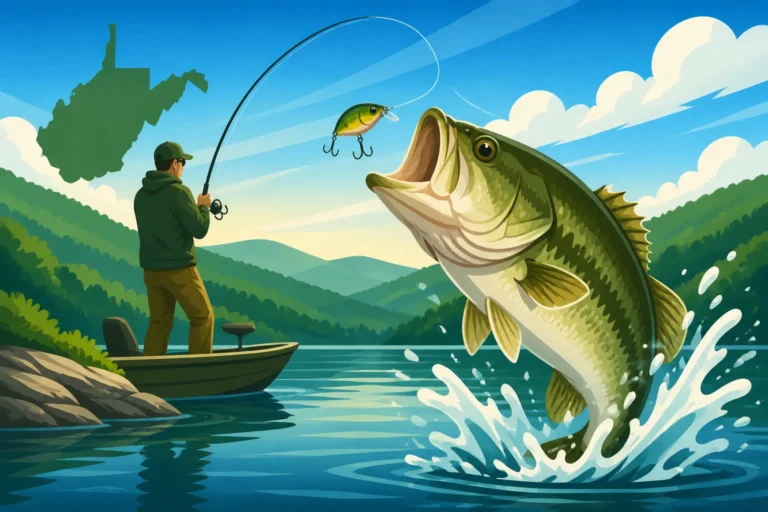
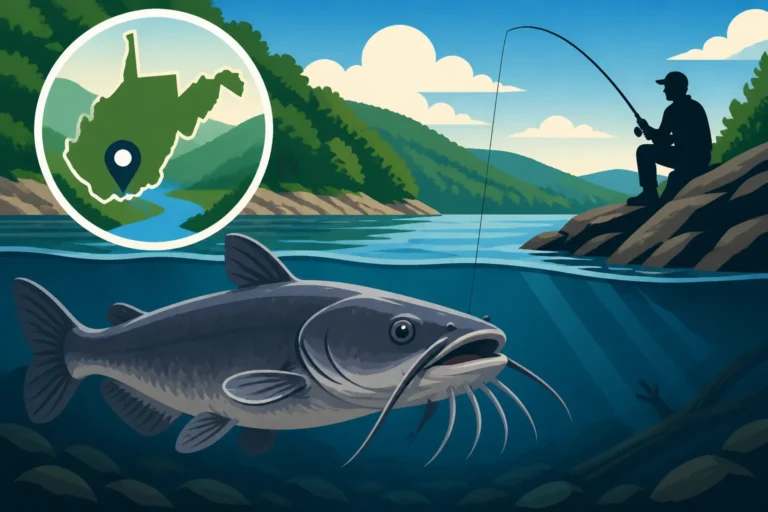
West Virginia State Parks are often a cornerstone of the state's robust stocking programs, particularly for trout. The West Virginia Division of Natural Resources (WVDNR) regularly stocks many park lakes and ponds, providing fantastic opportunities, especially during the spring and fall seasons. This means a higher likelihood of success, which is incredibly encouraging for new anglers or those introducing children to the sport. But it’s not just trout; these waters are teeming with a variety of other species too. You can expect to find healthy populations of largemouth and smallmouth bass, various panfish like bluegill and crappie, and even catfish. This diversity ensures that regardless of your preferred fishing style or target species, there’s likely a rewarding experience waiting for you in a state park. From the smallest pond to a sprawling lake, the fishing opportunities are as varied as the landscapes themselves.
Challenges and Considerations for Park Anglers
While state parks offer many advantages, it's also realistic to acknowledge some potential challenges. Due to their popularity and accessibility, some park waters, especially those heavily stocked, can experience higher fishing pressure, particularly on weekends or during peak stocking events. This might mean sharing your favorite fishing spot with others, or having to arrive early to stake out a prime location. Additionally, while convenient, the amenities can sometimes detract slightly from a truly wild, solitary fishing experience if that’s what you’re specifically seeking. You might hear the distant sounds of families enjoying a picnic or kids playing, rather than just the rustling leaves and chirping birds. It’s a trade-off: comfort and accessibility often mean a bit less solitude compared to venturing deep into a wilderness area. However, with a little planning, you can still find pockets of peace and quiet even in the busiest parks.
Essential Regulations and Licensing for Park Waters
Fishing in West Virginia, even within the confines of a state park, requires adherence to state-wide regulations and licensing. It’s crucial not to assume that park boundaries make things different; usually, state laws still apply. Understanding these rules before you go will save you a headache and ensure your trip is both enjoyable and legal. Nothing ruins a relaxing day on the water faster than a run-in with a conservation officer because you missed a small but important detail.
General State Fishing License Requirements
First and foremost, nearly everyone fishing in West Virginia needs a valid fishing license. This isn't just a park rule; it's a state law. The only exceptions typically apply to very young children (often under 15, but it's always best to check the current West Virginia Fishing License Age Requirements) and certain exemptions for disabled veterans or landowners fishing on their own property. For most of us, picking up a license is step one. You can grab an annual license, which is a great value if you plan to fish more than a few times a year, or a short-term nonresident permit if you're just visiting for a quick trip. Remember, that little piece of paper, or its digital equivalent, is your golden ticket to West Virginia's waters. You can find all the details on how and where to purchase one by checking out our West Virginia Fishing License Guide for 2026 or learning about How to Buy a West Virginia Fishing License on WVhunt.com.
Understanding Park-Specific Rules
While state regulations form the backbone, some state parks might have additional, localized rules that apply only to their specific waters. These can vary greatly, so never assume. For instance, some smaller park ponds might have special catch-and-release only regulations for certain species, or specific bait restrictions. You might find limits on motor size or even types of boats allowed on smaller lakes to preserve their peaceful atmosphere. A common example involves trout; while a general state license covers you for trout, if you plan to keep them, you'll also need a West Virginia trout stamp. Learn more about Trout Stamps and Trout Fishing Rules in West Virginia before you go. The best way to stay informed is to check the WVDNR fishing regulations summary, available online or at license vendors, and specifically look for any "Special Regulation Waters" sections. Additionally, a quick call to the park office or a chat with a park ranger upon arrival can clear up any ambiguities.
Boating and Access Regulations within Parks
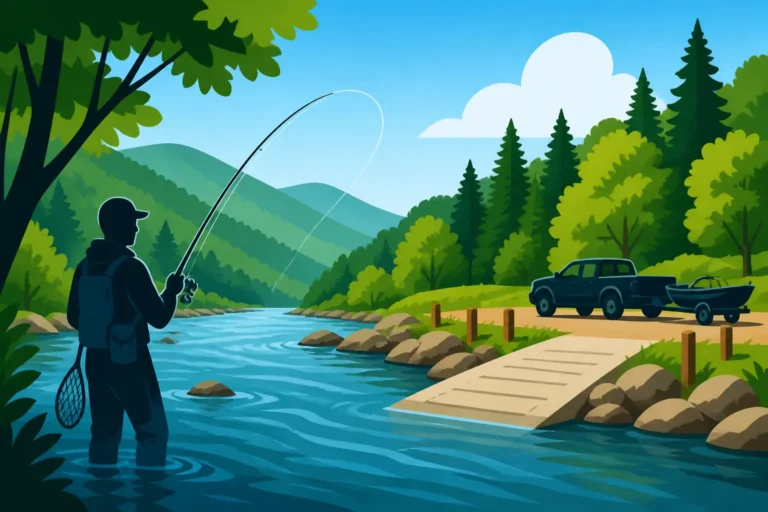
Boating rules in state parks can be particularly varied. Some smaller lakes might be restricted to electric motors only, or even just paddlecraft like kayaks and canoes to maintain a tranquil environment. Larger lakes, such as Tygart Lake or Summersville Lake (which borders a national park but has state park access points), might allow larger horsepower motors, but even then, there could be speed limits in certain zones. Always look for signage at boat ramps and consult the park's official website or a ranger for current regulations. Beyond motors, don't forget the safety essentials. Life Jacket Requirements for West Virginia Boaters are non-negotiable, especially if you're bringing children. Some parks might also have specific hours for boat launch access or require a small fee to use their ramps. If you're planning on bringing your own vessel, be sure to understand all West Virginia Boating Laws for Anglers that apply, to ensure your trip is smooth sailing from start to finish.
Top West Virginia State Parks for Anglers
West Virginia is blessed with an incredible network of state parks, and many offer fantastic fishing opportunities, each with its own unique character and charm. Choosing the right one can make all the difference for your angling adventure, whether you're seeking trophy bass or a family-friendly trout pond. Let's cast a line into some of the top contenders that anglers consistently rave about.
Cacapon State Park: A Panfish and Trout Haven
Cacapon State Park, nestled in the eastern panhandle near Berkeley Springs, is a true gem for anglers. Its centerpiece is a beautiful 6-acre lake that, while not enormous, is meticulously managed and regularly stocked with trout, especially during the spring and fall. This makes it a fantastic destination for those who enjoy the excitement of catching freshly stocked rainbow trout. The lake also boasts healthy populations of panfish like bluegill and crappie, making it an excellent spot for families and beginners. Imagine a leisurely afternoon with the kids, watching bobbers dance as they pull in sunfish – pure joy! The park provides easy bank access, a small boat launch for electric motors or paddlecraft, and even offers boat rentals. Plus, the surrounding hiking trails and historic lodge mean there's plenty to do even when you're not fishing. It truly embodies the complete state park experience, combining great fishing with ample recreational opportunities.
Pipestem Resort State Park: Mountain Lake Fishing
Perched atop a plateau overlooking the breathtaking Bluestone River Gorge, Pipestem Resort State Park offers a unique mountain fishing experience. The park's 16-acre Long Branch Lake is a real highlight, offering excellent fishing for trout (also regularly stocked), largemouth bass, and various panfish. What sets Pipestem apart is its resort-level amenities, including cabins, a lodge, and even a tramway that descends into the gorge. Fishing Long Branch Lake gives you that serene mountain pond feel, with stunning vistas as your backdrop. For those willing to venture further, the Bluestone River, accessible by the tram, offers opportunities for smallmouth bass and other river species, though this requires a more rugged approach. It’s an ideal spot for anglers who appreciate both creature comforts and the thrill of mountain fishing. Whether you're casting from shore, paddling a kayak, or renting a small boat from the park, the calm waters of Long Branch Lake provide a peaceful setting for a productive day.
Watoga State Park: Seclusion and Diverse Opportunities
Watoga State Park, West Virginia's largest state park, feels like a true wilderness escape. Located in Pocahontas County, it offers unparalleled solitude and a diverse range of fishing experiences. The park's 11-acre Watoga Lake is a fantastic spot for warmwater species like largemouth bass, bluegill, and catfish, and it receives regular trout stockings. The lake is perfect for kayaks, canoes, or small electric motor boats, allowing for quiet exploration of its coves and shoreline structure. But Watoga’s appeal doesn't stop at the lake. The park is surrounded by numerous small streams and tributaries that hold wild trout, including West Virginia's state fish, the brook trout. For those who love to hike and explore, venturing into these smaller waters can yield incredible rewards and a sense of true backcountry adventure. If you're looking for a peaceful retreat where you can truly disconnect and immerse yourself in nature, with both lake and stream fishing options, Watoga is hard to beat. It's a place where you can feel miles away from the hustle and bustle, even with comfortable cabins just a short drive away.
Tygart Lake State Park: Larger Waters for Bass and Walleye
For anglers who prefer larger bodies of water and the pursuit of more substantial game fish, Tygart Lake State Park near Grafton is an excellent choice. Tygart Lake is a sprawling 1,750-acre Army Corps of Engineers flood control lake, offering a completely different fishing dynamic than the smaller park ponds. Here, you'll find impressive populations of largemouth and smallmouth bass, walleye, sauger, crappie, and catfish. The sheer size of the lake means endless coves, points, and submerged structures to explore. Anglers often employ trolling techniques for walleye or target bass along rocky shorelines and fallen timber. The park provides excellent boat launch facilities, making it easy to get your larger boat onto the water. While it may not have the quaint charm of a small pond, Tygart Lake offers serious angling potential and the thrill of fishing a large, diverse reservoir. It’s also important to note that because it’s a larger, multi-use lake, you’ll encounter other recreational boaters, especially during warmer months. However, the vastness of the lake often allows for plenty of space to find your own productive water. You might even consider hiring a local guide through platforms like FishingBooker to help you navigate its extensive waters and pinpoint the best fishing locations and techniques for species like walleye.
| State Park | Primary Species | Lake Size (approx.) | Motor Restrictions | Key Amenities |
|---|---|---|---|---|
| Cacapon State Park | Rainbow Trout, Bluegill, Crappie | 6 acres | Electric motors only | Lodge, cabins, hiking, boat rentals |
| Pipestem Resort SP | Rainbow Trout, Largemouth Bass, Panfish | 16 acres | Electric motors only | Lodge, cabins, tramway, golf, boat rentals |
| Watoga State Park | Largemouth Bass, Trout, Bluegill, Catfish | 11 acres | Electric motors only | Cabins, camping, hiking, boat rentals |
| Tygart Lake State Park | Largemouth/Smallmouth Bass, Walleye, Crappie, Catfish | 1,750 acres | No restrictions (state law applies) | Lodge, cabins, camping, marina, boat launches |
| Babcock State Park | Rainbow Trout, Brook Trout | 19 acres | No motors | Cabins, grist mill, hiking |
| Blackwater Falls SP | Rainbow Trout (Blackwater River) | River fishing | N/A | Lodge, cabins, hiking, falls viewing |
Effective Techniques for State Park Fish
Fishing in state parks, while often more accessible, still benefits from specific techniques tailored to the species and environment. You wouldn't use the same approach for a wild mountain stream as you would for a stocked pond, and understanding these nuances can significantly improve your success rate. Let’s dive into some tried-and-true methods that tend to work well in West Virginia's state park waters.
Targeting Stocked Trout in Park Lakes
When it comes to stocked trout in park lakes, simplicity often reigns supreme. These fish are typically hatchery-raised and accustomed to a pellet diet, so they aren't always looking for highly elaborate presentations. PowerBait, corn, or small worms fished on the bottom with a light sinker and a small hook (sizes 8-12) are incredibly effective. A simple bobber rig, suspending your bait just off the bottom, is also a fantastic way to entice a bite, especially when the trout are cruising at a specific depth. During the initial stocking period, trout can be quite aggressive, hitting small spinners (like Rooster Tails or Mepps) or tiny spoons with enthusiasm. Later, as they become more wary, finesse techniques like using lighter line, smaller baits, and slower retrieves often yield better results. Remember that freshly stocked trout might stay in tight schools for a bit, so if you catch one, there's a good chance more are nearby! For deeper insights into catching these beauties, you might want to check out our guide on Spring Trout Fishing Techniques for West Virginia Streams, as many of the principles apply to stillwater parks too.
Pursuing Panfish and Bass in Smaller Impoundments
State park lakes are often prime territory for abundant panfish (bluegill, crappie, perch) and healthy populations of largemouth bass. For panfish, ultralight spinning gear with tiny jigs, worms, or even pieces of hot dog under a bobber can lead to non-stop action, making them perfect targets for young anglers. Look for panfish around submerged structure like fallen trees, weed beds, or along the edges of docks. They often congregate in these areas. Bass, on the other hand, require a bit more strategy. In smaller impoundments, largemouth bass will often relate to visible cover – lily pads, downed timber, rocky points, and even shaded areas created by overhanging trees. Techniques like casting spinnerbaits, plastic worms (Texas-rigged or wacky-rigged), or small crankbaits parallel to these structures can be very productive. Early morning and late evening often provide the best bite, as bass move into shallower water to feed. Don’t be afraid to experiment with different lure colors and retrieves; sometimes a subtle change can make all the difference, especially on waters that see a lot of fishing pressure.
Fly Fishing Opportunities in Park Streams and Lakes
While many anglers associate fly fishing with wild, remote trout streams, West Virginia's state parks offer some fantastic, often overlooked, fly fishing opportunities as well. For those parks with stocked lakes, streamers and woolly buggers in olive, black, or white patterns can be incredibly effective on freshly stocked trout, especially when retrieved slowly along the bottom or near drop-offs. When trout become more selective, small nymphs or even dry flies matching local hatches can tempt them. Beyond the lakes, some state parks boast small streams that flow through their boundaries. While these might not be the designated "trophy trout waters," they can hold wild brook trout or even some holdover rainbows and browns, providing a truly rewarding experience for the observant fly angler. Parks like Watoga or Blackwater Falls, for instance, are surrounded by smaller tributaries where careful wading and precise casts with small dry flies or nymphs can lead to beautiful catches. Even if the park lake is your primary target, bringing a light fly rod can open up a whole new dimension of fishing, offering a quieter, more technical challenge.
Seasonal Strategies for West Virginia State Park Fishing
Understanding how the seasons affect fish behavior is paramount to success in West Virginia's state parks. The Mountain State experiences distinct seasonal changes, and fish respond to variations in water temperature, forage availability, and spawning cycles. Tailoring your approach to the time of year will put you in the best position for a productive and enjoyable outing.
Spring Fishing: Opening Day Buzz and Trout Stocking
Spring is arguably the most anticipated fishing season in West Virginia's state parks, largely thanks to the intensive trout stocking programs. As winter's chill gives way to warmer days, the WVDNR begins stocking millions of trout into hundreds of miles of streams and dozens of lakes, many of which are located within state parks. The weeks following "opening day" (often late March/early April, though it varies) are characterized by frenzied activity, as anglers flock to their favorite spots. The key to spring trout fishing is often to fish "fresh" water – meaning areas that have been recently stocked. Check the West Virginia Trout Stocking Hotline and Schedule for the most up-to-date information. Beyond trout, spring also sees largemouth and smallmouth bass becoming more active as water temperatures rise, preparing for their spawn. Look for them in shallower coves and sun-warmed areas, where they'll readily strike spinnerbaits, jerkbaits, and soft plastics. Panfish, too, become more accessible as they move shallower to feed. Spring offers a burst of activity and some of the most consistent fishing of the year.
Summer Fishing: Warm Water Species and Early Morning Bites
As summer truly sets in, West Virginia's state park waters warm up considerably. While stocked trout might become harder to catch (often retreating to deeper, cooler water if available, or becoming less active), this is prime time for warmwater species. Largemouth bass, especially, are active throughout the summer. They'll relate to thick cover – weed beds, lily pads, fallen trees – seeking shade and ambush points. Topwater lures at dawn and dusk can be incredibly exciting, as bass explode on the surface. During the heat of the day, pitching jigs or Texas-rigged worms into heavy cover or fishing deeper drop-offs will be more productive. Catfish are also highly active in summer, and night fishing for them can be a fantastic way to escape the heat and enjoy some peace and quiet. Bluegill and other panfish are abundant and can be caught throughout the day, providing consistent action for kids and adults alike. Remember, hydration and sun protection are crucial during hot summer days on the water.
Fall Fishing: Cooler Waters and Active Fish
Fall is a truly magical time to fish in West Virginia's state parks. The cooler air temperatures and often stable weather create perfect conditions, and the vibrant autumn foliage provides a breathtaking backdrop. As water temperatures begin to drop, fish become more active, feeding heavily in preparation for winter. Trout stockings resume in many park lakes and ponds, reinvigorating the trout bite. These fall-stocked fish are often larger than their spring counterparts and can provide excellent action on small spinners, spoons, or traditional baits. Bass, too, go on a feeding frenzy, chasing baitfish in shallower water. This is an excellent time to use crankbaits, jerkbaits, and swimbaits to imitate the forage fish they're targeting. Panfish remain active, often schooling up in deeper water as the season progresses. The reduced fishing pressure after the summer crowds disperse, combined with the comfortable weather and aggressive fish, makes fall one of the most rewarding times to visit a state park with your fishing rod.
Winter Fishing: Ice Fishing and Coldwater Opportunities
While not all West Virginia State Park lakes freeze reliably enough for safe ice fishing, some higher elevation parks or colder regions might offer opportunities. If conditions permit, ice fishing can be a unique and rewarding experience, primarily for panfish like bluegill and crappie, and sometimes even trout. Tiny jigs tipped with a wax worm or minnow, fished vertically through a small hole in the ice, are the standard approach. Always prioritize safety: ensure the ice is thick enough (at least 4 inches for foot travel), inform someone of your plans, and carry safety equipment. Even without ice, open-water fishing in winter can still be productive. Many state park lakes continue to receive winter trout stockings, providing opportunities for anglers willing to brave the cold. Fishing deeper sections with slower presentations is often key, as fish are lethargic. While a challenge, the solitude and crisp air of a winter fishing trip in a state park can be incredibly refreshing for the dedicated angler. If you're intrigued by the idea, check out our guide on Ice Fishing in West Virginia for more detailed tips and safety information.
Preserving the Beauty: Responsible Angling Practices
Fishing in West Virginia's state parks is a privilege, and with that comes a responsibility to protect these precious natural resources for future generations. As anglers, we are often the first line of defense for conservation. Embracing responsible angling practices ensures that the beauty and bounty of these parks endure, making them enjoyable for everyone who visits.
Catch and Release Best Practices
While many anglers enjoy keeping a few fish for the dinner table (within legal limits, of course!), practicing catch and release, especially for larger or more sensitive species, is a cornerstone of conservation. When releasing fish, minimize handling time: try to keep the fish in the water as much as possible. Use barbless hooks or pinch down the barbs on your hooks to make removal easier and reduce damage to the fish’s mouth. If you must handle the fish, use wet hands to protect its slime coat, which is vital for disease prevention. Support the fish horizontally, especially larger ones, to avoid internal organ damage. If a fish is exhausted, hold it gently in the water, facing into a mild current, until it regains its strength and can swim away on its own. These small actions make a huge difference in the survival rate of released fish, allowing them to grow, spawn, and be caught another day.
Leave No Trace Principles
The Leave No Trace philosophy extends far beyond just wilderness backpacking; it's absolutely critical for fishing in state parks. This means packing out everything you pack in – and then some. Don’t leave behind fishing line, bait containers, snack wrappers, or any other trash. Monofilament line, in particular, is a notorious killer of wildlife and takes hundreds of years to break down. Dispose of unwanted bait properly; never release unused baitfish into park waters, as this can introduce invasive species or diseases. Respect wildlife by observing from a distance and not disturbing their habitats. Staying on designated trails and access points helps prevent erosion and protects sensitive vegetation. Our goal should always be to leave the area cleaner than we found it, ensuring that the natural beauty and ecological integrity of the park are preserved for everyone who follows.
Supporting Park Conservation Efforts
Beyond individual actions, supporting the broader conservation efforts of West Virginia State Parks and the WVDNR is vital. This can take many forms. Simply purchasing your fishing license contributes directly to fish stocking programs, habitat restoration, and enforcement of regulations. Consider volunteering for park clean-up days or habitat improvement projects if you have the time. Educate yourself and others about local fish populations, invasive species (like the rusty crayfish or snakeheads, which the WVDNR actively monitors), and the importance of responsible angling. Many parks offer educational programs that can deepen your appreciation for the local ecosystem. By being a proactive and informed angler, you become an ambassador for conservation, ensuring that West Virginia's incredible fishing opportunities remain healthy and vibrant for generations to come. Your passion for fishing can directly fuel the protection of the very places you love to visit.
Planning Your Ultimate State Park Fishing Getaway
A successful fishing trip to a West Virginia State Park doesn't just happen; it's meticulously planned. From choosing your accommodation to gathering the right gear and maybe even enlisting local expertise, a little preparation goes a long way. Let's make sure you're ready to hit the water running and have the best possible experience.
Accommodation Options and Reservations
One of the great advantages of state parks is the variety of accommodation options available, catering to different preferences and budgets. You can immerse yourself fully by camping, from primitive tent sites to RV sites with full hookups. Many parks also offer charming cabins, ranging from rustic one-room efficiencies to larger, modern family-sized units, often equipped with kitchens and fireplaces. For those seeking more comfort, some larger parks, like Pipestem and Tygart Lake, feature lodges with hotel-style rooms and amenities like restaurants and swimming pools. Given the popularity of West Virginia State Parks, especially during peak fishing seasons (spring and fall trout stockings) and holidays, making reservations well in advance is absolutely critical. Cabin and lodge rooms can book up months ahead of time, so don't wait until the last minute! Check the specific park's website for availability and booking portals, and be flexible with your dates if possible.
Gear Preparation and Essentials Checklist
The right gear makes all the difference. For most state park fishing, a medium-light to light spinning rod and reel combo, spooled with 4-8 pound test monofilament or fluorocarbon, will cover a wide range of species from panfish to bass and trout. Consider bringing a separate ultralight setup if you're really targeting panfish or smaller trout. Your tackle box should include a variety of small hooks (sizes 6-12), split shot weights, bobbers, and an assortment of lures like small spinners, spoons, jigs, and some soft plastics. Don't forget your bait – live worms, corn, or PowerBait are often irresistible to stocked trout and panfish. Beyond fishing specific gear, pack essential personal items: comfortable, weather-appropriate clothing (layers are key in West Virginia), rain gear (because mountain weather can change on a dime), polarized sunglasses for seeing into the water, a hat, sunscreen, insect repellent, a first-aid kit, and plenty of water and snacks. A small cooler to keep your lunch and any kept fish fresh is also a good idea. If you plan on doing some kayak fishing, don't forget your Best Kayaks for West Virginia Fishing checklist, including life vests and a whistle.
Hiring a Local Guide or Charter
Sometimes, especially when exploring a new body of water or targeting a challenging species like muskie or walleye on larger lakes, the best way to maximize your success and learning is to enlist the help of a local expert. West Virginia has many fantastic fishing guides who know the state park waters intimately – where the fish hide, what they’re biting on, and the best techniques for the current conditions. A guided trip can save you hours (or even days) of trial and error, providing invaluable insights and often leading to memorable catches. This is particularly true for lakes like Tygart Lake or others where a guide can navigate the vastness efficiently. Platforms like FishingBooker are excellent resources for finding and booking reputable fishing charters and guides in West Virginia. You can browse different options, read reviews, and choose an experience that aligns with your target species and preferred fishing style. It's an investment that often pays off with both fish in the net and a wealth of local knowledge that you can apply to future trips. Whether you're a seasoned angler looking to unlock a new fishery or a beginner wanting a strong start, a professional guide can elevate your state park fishing adventure to the next level.
Disclaimer
The information provided in this West Virginia State Park Fishing Guide is for general informational purposes only and is subject to change. Fishing regulations, stocking schedules, and park amenities can be updated by the West Virginia Division of Natural Resources (WVDNR) and individual state parks. Always consult the most current official West Virginia Fishing Regulations Summary and contact the specific state park directly for the latest information before planning your trip. We are not responsible for any changes or discrepancies.