West Virginia Trout Stocking Hotline and Schedule
Fishing in West Virginia for trout is an experience many of us cherish, but it can be incredibly frustrating to hit your favorite stream only to find out you missed a stocking by a day, or worse, arrived before one was even scheduled. Knowing when and where those fresh trout are going to be released can make all the difference between a memorable day on the water and a disappointing one. This guide is dedicated to demystifying the West Virginia Division of Natural Resources (WVDNR) trout stocking hotline and online schedule, ensuring you're always in the loop for your next Mountain State trout adventure.
The Heart of West Virginia's Trout Fishing: Understanding Stocking
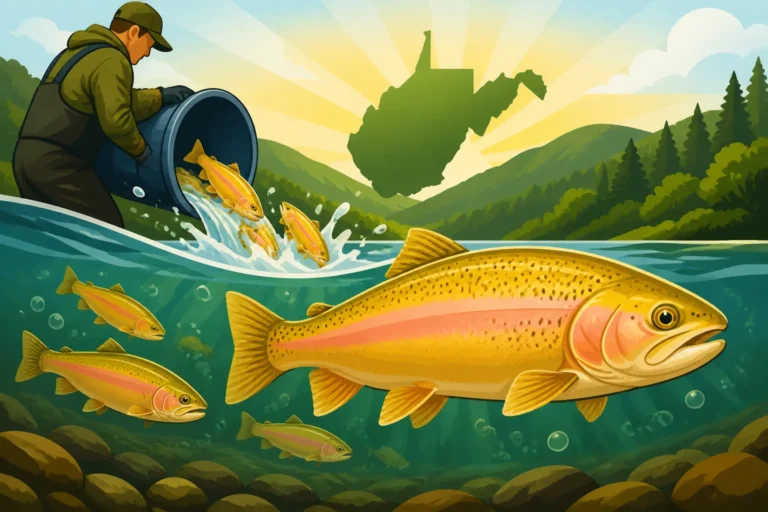
When we talk about trout fishing in West Virginia, we often quickly turn to the WVDNR's extensive stocking program. This isn't just a supplementary effort; for many anglers, it is the primary source of their trout fishing opportunities. It’s a vital program that ensures the Mountain State remains a premier destination for trout enthusiasts, from seasoned fly fishers to families introducing their kids to angling for the first time.
Why Trout Stocking is Essential for West Virginia Anglers
Many of West Virginia's beautiful streams and lakes simply don't have the natural conditions, like consistently cold water and abundant food, to support robust, year-round wild trout populations. This is especially true in lower elevation areas or during warmer months when water temperatures can quickly become too warm for trout to thrive. The WVDNR's extensive stocking program steps in to bridge that gap, creating incredible fishing opportunities that wouldn't exist otherwise. It's a huge undertaking, bringing millions of trout to eager anglers each year, often in designated put-and-take fisheries designed for high catch rates. Without it, our trout fishing landscape would look vastly different, limited to only a handful of pristine, high-elevation native brook trout streams.
This isn't just about catching fish; it's about making trout fishing accessible to a wider range of people. Families, beginners, and even seasoned anglers who enjoy a higher catch rate benefit immensely. It supports local economies, too, as folks travel to fish, stay in lodges, buy gas, and pick up last-minute tackle from local shops. The stocking program acknowledges that not everyone has the time or ability to bushwhack miles into the wilderness for wild fish, and it provides a fantastic alternative right in our communities, creating recreational value and encouraging outdoor activity for all ages.
The Types of Trout Stocked and Where They Go
When you hear about West Virginia trout stocking, you're primarily talking about Rainbow Trout. These hardy, feisty fish are the backbone of the program, known for their willingness to strike a variety of baits and lures, making them perfect for catch-and-keep opportunities. They're robust survivors in many different water types, which makes them ideal for widespread distribution. However, the WVDNR also stocks Brown Trout, known for their larger size potential and elusive nature, often in waters where they might hold over for longer periods and develop into more challenging quarry. You’ll also find Golden Rainbow Trout, particularly for special events like the annual West Virginia Gold Rush trout event dates for 2026, which is a blast and draws huge crowds looking for those unique, brightly colored fish.
These trout aren't just dumped anywhere; the WVDNR carefully selects specific waters based on public access, water quality, and angler demand. This includes a mix of rivers, streams, and lakes across the state. Some areas, like certain stretches of the Cranberry River or the Elk River tailwater, are managed differently, sometimes with special regulations or catch-and-release rules to encourage trophy fish or wild trout populations. Understanding these nuances is part of being a well-informed angler, and the stocking schedule helps you identify these specific locations. Before you head out, always double-check the West Virginia Fishing Season Dates and Closures to ensure your chosen water is open and ready for angling.
Getting the Inside Scoop: The Trout Stocking Hotline
For decades, the trout stocking hotline has been a cornerstone of West Virginia's angling community, a beacon of information for those eager to know where the fish are biting. While technology has advanced, the hotline remains a beloved and incredibly useful resource for many.
How to Use the WVDNR Trout Stocking Hotline
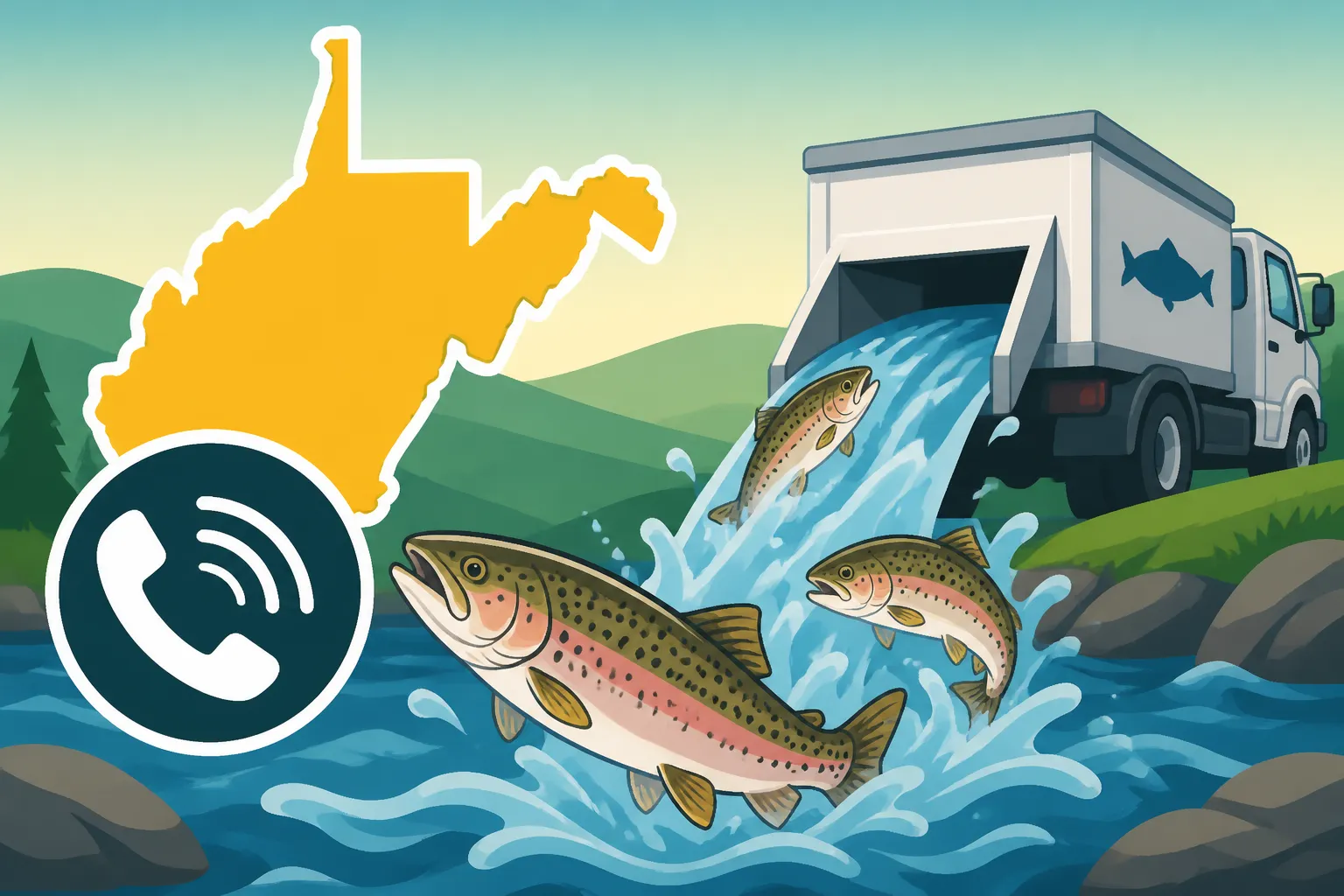
Back in the day, before widespread internet, the WVDNR Trout Stocking Hotline was the way to get your information. And while we have digital options now, it's still a fantastic resource, especially if you're out of cell service or just prefer the good old-fashioned phone call. The hotline number is 304-558-3399. It's a dedicated line that provides a pre-recorded message detailing the streams and lakes that have been stocked, or are scheduled to be stocked, in the immediate future. The WVDNR updates this message diligently, usually on a consistent schedule during peak stocking seasons.
The beauty of the hotline is its simplicity and directness. You call, you listen, you make your plans. It's usually updated once or twice a week during the peak stocking seasons, typically by Friday afternoon with the upcoming weekend's schedule, and then again early in the week with what just happened. The message is clear and concise, listing the waters by region. It's a lifesaver when you're already on the road, maybe driving through a spotty service area, and just need that quick confirmation without relying on data. Keep a pen and paper handy, or put it on speaker and use your phone's memo app, because they rattle off a lot of names and specific locations in a short amount of time!
When the Hotline is Most Useful and Its Limitations
The hotline truly shines during those prime stocking weeks in spring and fall. When everyone is eager to hit the water, it offers immediate, audible confirmation, cutting through any potential internet slowdowns or website navigation issues. It's particularly useful for folks who might not be as tech-savvy or who simply prefer an auditory update over scrolling through a website. Think of it as your trusted, reliable friend who always has the latest news, especially if you're targeting specific, popular spots listed on the West Virginia Trout Stocking Schedule for January or other monthly updates.
However, like any system, it has its limitations. Since it's a pre-recorded message, it can't offer real-time, minute-by-minute updates if conditions change rapidly, like an unexpected snowstorm or a sudden surge in water levels that forces a stocking postponement. If there's an unforeseen delay or a last-minute change to a stocking location, the hotline might not reflect it until the next scheduled update. It also doesn't provide historical data or filtering options. You're getting the current snapshot, not a deep dive into past stocking trends or the full West Virginia Fishing Seasons by Month. For that kind of detail, you'll want to turn to the online schedule, which we'll cover next.
The Digital Frontier: The Online Trout Stocking Schedule
In our increasingly connected world, the WVDNR has embraced digital platforms to provide even more comprehensive and flexible information. The online trout stocking schedule has become an indispensable tool for modern anglers, offering capabilities that a simple phone hotline simply can't match.
Navigating the WVDNR's Online Stocking Schedule
For those of us who live and breathe by our smartphones and laptops, the WVDNR's online trout stocking schedule is an invaluable tool. You can find it on the official WVDNR website, typically under the "Fishing" or "Trout" sections. The online version offers a more comprehensive and visual experience than the hotline. You'll usually see a list of stocked waters, often with the date of the stocking, the type of trout (e.g., Rainbow, Brown, Golden), and sometimes even the number of fish released. This level of detail allows for much more informed planning.
What makes the online schedule so powerful is its search and filter capabilities. You can often sort by county, water type (lake or stream), or even species, allowing you to quickly narrow down your options to specific regions or preferred fishing environments. This is incredibly helpful when you're trying to figure out which Best Trout Streams in West Virginia received a fresh batch of fish in your area, or if you're planning a trip to a specific region like the Monongahela National Forest. I often find myself pulling it up on my phone while sitting on the couch on a Thursday night, planning my attack for the weekend. Many anglers even print out relevant sections of the schedule, much like a traditional map, though remember that the online version is always the most up-to-date and should be your primary reference.
Advantages of the Online Schedule for Planning Your Trip
The sheer depth of information available online is a huge advantage. Not only can you see current stockings, but you can often view upcoming schedules, giving you a head start on planning weeks in advance. This means you can align your days off or weekend plans with projected stocking dates, maximizing your chances of encountering freshly stocked trout. Plus, the online schedule often links directly to maps or more detailed information about specific waters, which can be super helpful if you're exploring a new spot and need to understand access points or specific regulations.
Another benefit is the accessibility and cross-referencing capabilities. Whether you're at home, work, or even out in the field with a portable WiFi hotspot, you can check the schedule. If you use a tablet or smartphone, downloading a durable, waterproof case from somewhere like Amazon can really protect your device when you're streamside and need to check the schedule on the fly. This way, you can cross-reference the schedule with other resources, like local weather forecasts or water flow data, to make the most informed decision about where and when to go. It truly puts all the power of planning right at your fingertips, allowing you to react quickly to updates or adjust plans based on conditions.
Practical Strategies for Using Stocking Information
Having access to the trout stocking hotline and online schedule is just the first step. The real magic happens when you know how to leverage this information strategically to maximize your success on the water. It’s about combining timely data with practical angling knowledge.
Timing Your Visit for Optimal Post-Stocking Success
This is where the rubber meets the road! Knowing when and where fish are stocked is one thing, but timing your visit just right is an art. Many anglers like to hit the water almost immediately after a stocking. These freshly released trout, often somewhat disoriented and still in "hatchery mode," can be incredibly eager to bite. If you're looking for fast action and a good chance to fill your creel within legal limits, targeting the first 24-48 hours after a stocking is often your best bet, especially if you want to know How to Catch Trout Right After Stocking in West Virginia. These fish haven't been pressured yet and are less wary of anglers and common baits.
However, don't despair if you can't make it right away. While the initial frenzy might subside, stocked trout often disperse and settle into their new environment after a few days. After a week or so, they can become a bit more wary, but also more natural in their feeding habits, seeking out cover and more natural food sources. This is when Spring Trout Fishing Techniques for West Virginia Streams like drifting nymphs or small spinners can really shine, requiring a bit more finesse. Sometimes, hitting a stream a few days post-stocking, especially mid-week, can lead to a more peaceful, yet still productive, fishing experience, avoiding the initial crowds that flock to fresh stockings.
Essential Gear and Tackle Considerations for Stocked Trout
You don't need a massive, expensive setup to catch stocked trout, which is great news for beginners and casual anglers! A basic spinning rod and reel combo, spooled with 4-6 lb test monofilament, is perfectly adequate. For bait, think classic: corn, PowerBait (especially in bright colors like chartreuse or orange), and worms are perennial favorites that stocked trout readily take. Small inline spinners, like those from Panther Martin or Mepps, in sizes #0 to #2, are also incredibly effective. Many anglers swear by a simple bobber and hook setup, allowing the bait to drift naturally.
If you're a fly angler, don't feel left out! Stocked trout, especially shortly after release, will often readily take simple fly patterns like Woolly Buggers (black, olive, or white), San Juan Worms, or even small pheasant tail or Prince nymphs. You might consider carrying a small, portable tackle box or bag—something easily accessible from Amazon, for instance—that can hold a selection of these basics, along with essential tools. Don't forget a small pair of forceps or pliers for easy hook removal and a measuring tape if you're adhering to length limits. And of course, always check that you have your West Virginia Fishing License Guide for 2026 and any necessary Trout Stamps and Trout Fishing Rules in West Virginia before heading out.
Beyond the Basics: Making the Most of Stocking Information
Being truly successful with stocked trout means looking beyond just the schedule. It involves understanding the environment, the fish themselves, and the broader context of West Virginia's diverse fisheries.
Interpreting Stocking Reports and Environmental Factors
The stocking schedule gives you the "what" and "where," but a truly successful angler also considers the "why" and "how." For example, if you see a particular stream consistently stocked, it likely has good access and suitable water conditions. However, pay attention to environmental factors like recent rainfall, water temperature, and clarity. A heavy rain might blow out a stream, making fishing tough even if it was just stocked, as fish become disoriented and visibility plummets. Conversely, a stable period of cool weather can mean excellent conditions where fish are active and spread out.
Water temperature is critical for trout. They prefer cooler water, generally below 65°F (18°C). If you're fishing in late spring or early summer, and the water temperatures are climbing, even a recently stocked stream might see fish become lethargic or seek out deeper, cooler pockets. Use an inexpensive water thermometer (easily found on Amazon, alongside other essential gear) to gauge conditions. The WVDNR does its best to stock when conditions are optimal, but mother nature has the final say. Understanding these factors will help you adjust your tactics and expectations, turning a good day of fishing into a great one, even if the fish aren't immediately jumping onto your hook.
The Difference Between Wild and Stocked Trout Waters
While the stocking program provides abundant opportunities, it's important to differentiate between stocked waters and West Virginia's wild trout streams. Wild trout streams, particularly those holding our state fish, the native Brook Trout, often have very different regulations and fishing experiences. These streams rely on natural reproduction and are generally found in higher, more remote elevations with pristine water quality, offering a different kind of challenge and reward.
When the schedule refers to a "stocked" stream, it primarily means it's managed to provide put-and-take opportunities, with fish specifically raised for angler harvest. Some streams, however, are stocked to supplement existing wild populations, creating a "mixed" fishery where you might catch both hatchery and wild fish. You'll find specific designations for some "Special Regulation Waters in West Virginia," which might have fly-fishing-only rules, catch-and-release mandates, or size restrictions aimed at preserving wild fish or encouraging holdover trout to grow larger. Always consult the official regulations summary, or the WVDNR's detailed information, to ensure you're fishing legally and ethically, especially if you plan to practice West Virginia Catch and Release Rules for Trout in these sensitive areas.
Essential Considerations for All West Virginia Anglers
No matter how much you know about the stocking schedule, certain fundamental responsibilities and best practices apply to every angler in West Virginia. These aren't just rules; they're commitments to preserving our natural heritage and ensuring everyone can enjoy the sport.
Licensing, Stamps, and Regulations You Can't Forget
Before you even think about calling the hotline or checking the online schedule, make sure your paperwork is in order! Almost all anglers aged 15 and older need a valid West Virginia fishing license. If you're targeting trout, you'll also need a West Virginia trout stamp, which is an additional purchase that directly funds the stocking program. These are non-negotiable and easily acquired online through the WVhunt system, from a West Virginia DNR license agent list, or even over the phone. Don't let a simple oversight ruin your day or lead to a hefty fine that could have easily been avoided.
It's also crucial to be familiar with the broader West Virginia Fishing Regulations Explained. These regulations cover everything from daily creel and possession limits for various species to specific gear restrictions on certain waters and even rules for how close you can operate a boat to an angler. The rules are designed to protect our natural resources and ensure fair sport for everyone. Remember that your fishing license needs to be physically carried or accessible digitally, so consider Printing or Carrying a Digital Fishing License in West Virginia to avoid any issues if you're ever asked to present it. Ignorance of the law is not an excuse, so a quick review of the regulations summary each year is a smart move before your first outing.
Being a Responsible Angler: Ethics and Conservation
Beyond the legal requirements, being a responsible angler means practicing good ethics and conservation. This includes respecting private property (always ask for permission if unsure), packing out everything you pack in (and maybe a little extra trash you find), and being courteous to other anglers. If you're fishing immediately after a stocking, you might encounter crowds, so patience and politeness go a long way. Leave no trace of your presence behind, so the next person can enjoy the same pristine environment you did.
Conservation is also key. If you're keeping fish, only keep what you'll eat and adhere strictly to bag limits. If you're practicing catch and release, handle fish gently, minimize their time out of water, and use barbless hooks to reduce harm. Consider a rubberized net, which is much gentler on fish slime coats than traditional nylon. Remember that the trout stocking program, while fantastic, is an effort to enhance fishing opportunities; it doesn't diminish our responsibility to be good stewards of the environment. Every time you clean up a piece of monofilament from the bank or help a fellow angler, you're contributing to a better fishing future for everyone in West Virginia.
| Feature | WVDNR Trout Stocking Hotline (304-558-3399) | WVDNR Online Stocking Schedule (WVDNR Website) |
|---|---|---|
| Access Method | Phone Call | Internet Browser (Desktop/Mobile) |
| Information Type | Audio recording of recent/upcoming stockings | Text list with dates, species, sometimes quantity |
| Update Frequency | Usually 1-2 times/week during peak seasons | Generally updated as stockings occur, more dynamic |
| Search/Filter | None (listen to entire message) | Often available by county, water type, species |
| Historical Data | No | Limited (typically current/recent past, seasonal archives) |
| Best For | Quick checks, low tech situations, driving | Detailed planning, research, broad overview, mapping |
| Limitations | No visuals, can't pause/rewind easily, limited depth of data | Requires internet access, can be less immediate than a fresh phone call if not updated precisely when conditions change |
Disclaimer
Fishing regulations and stocking schedules are subject to change by the West Virginia Division of Natural Resources. Always consult the official WVDNR website or current fishing regulations summary before planning your trip to ensure you have the most up-to-date information and proper licenses.