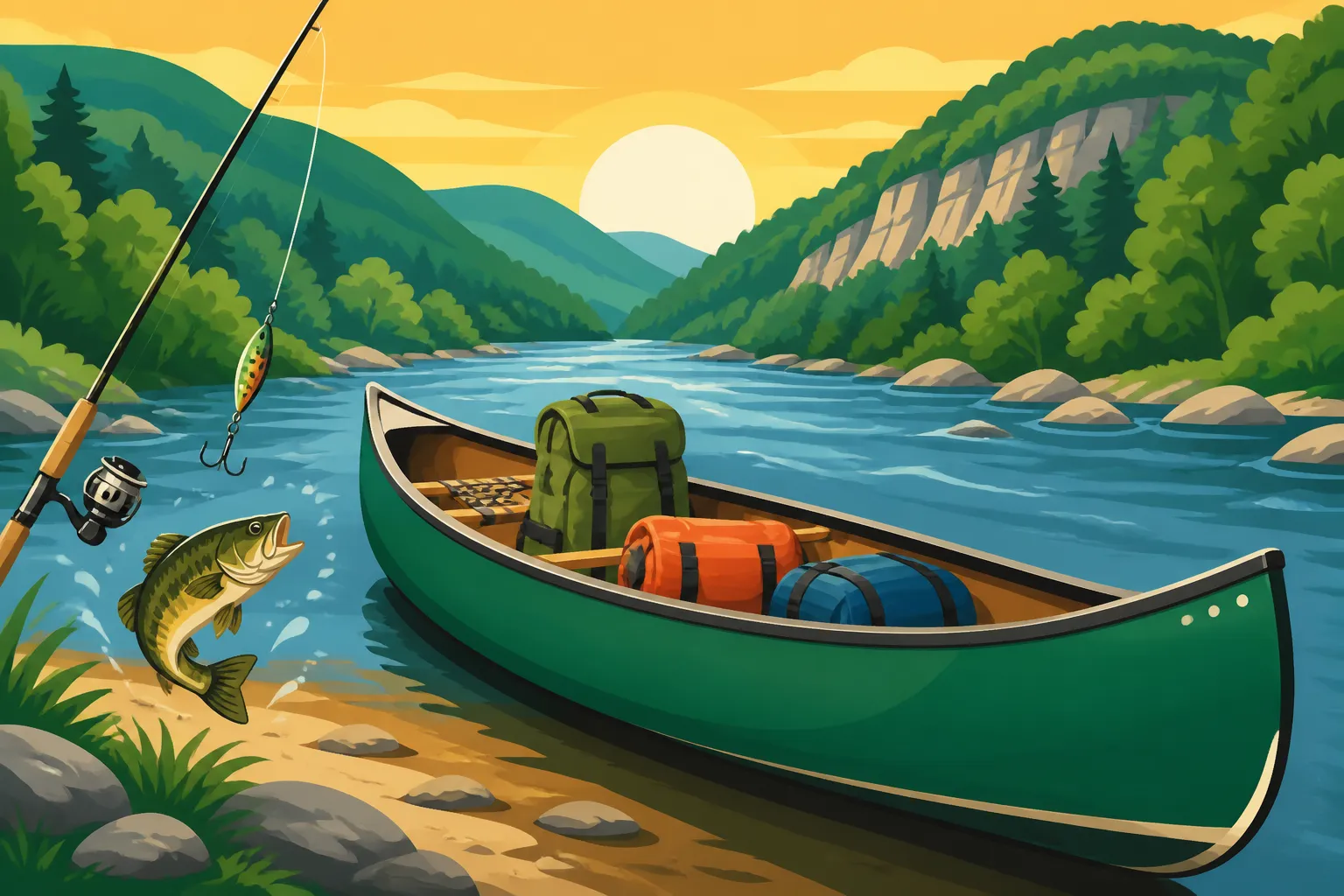
Best canoe for a multi-day river trip
Thinking about embarking on a multi-day canoe trip down one of West Virginia's stunning rivers like the Greenbrier or the New River? It's an incredible adventure, offering unparalleled peace and connection with nature, but one of the biggest headaches can be choosing the right vessel to carry you, your gear, and your dreams for days on end. This guide will help you cut through the confusion and find the best canoe built specifically for those extended journeys, ensuring your time on the water is filled with enjoyment, not discomfort or gear woes.
The Unique Demands of a Multi-Day River Trip
A quick paddle around a local lake on a sunny afternoon is a vastly different experience than spending several days traversing a river, navigating varied water conditions, and carrying all your provisions. When you're planning a multi-day excursion into West Virginia's wilderness, your canoe isn't just a boat; it's your floating home, your gear hauler, and your lifeline. This means its design and features need to be up to some serious challenges that a casual day-tripper might never even consider.
First off, sheer capacity is paramount. You're not just bringing a lunch and a water bottle; you're packing tents, sleeping bags, cooking equipment, food for multiple days, extra clothing for all weather, safety gear, and potentially fishing tackle. All of this needs to fit securely and remain dry. A small, nimble canoe perfect for an hour's paddle might quickly feel cramped and unstable once loaded down with expedition-level gear. You need space, and you need it organized effectively to maintain balance and access essentials quickly.
Beyond capacity, durability and reliability are non-negotiable. West Virginia's rivers, while beautiful, can be unpredictable. You might encounter shallow rock gardens on the South Branch of the Potomac, downed trees after a storm, or unexpected rapids on sections of the Cheat River. Your canoe needs to be able to withstand bumps, scrapes, and impacts without failing you miles from the nearest access point. A flimsy hull could mean a trip-ending leak or structural damage, turning a serene adventure into a survival situation. This isn't just about the material; it's about the entire construction of the boat.
Why Standard Canoes Fall Short for Extended Journeys
Many canoes on the market are designed with recreational use in mind – think leisurely paddles, fishing quiet coves, or short trips with minimal gear. These often prioritize lightweight construction for easy portaging or sleek designs for speed. While those features are great for their intended purpose, they often come at the expense of attributes crucial for multi-day trips.
For example, a super-lightweight canoe might be made from a material that sacrifices impact resistance for portability. You might love carrying it from the car to the water, but you'll curse it when you scrape over a submerged rock. Similarly, a canoe with a very narrow beam might be fast and efficient for paddling, but once you load it down with coolers, dry bags, and camping chairs, it can become dangerously tippy, especially in moving water or when reaching for gear. You need stability, even with a heavy load.
Another common pitfall is insufficient freeboard, which is the distance from the waterline to the top of the boat. Recreational canoes sometimes have lower sides to make them feel more open or easier to paddle. However, on a multi-day trip, especially if you encounter choppy water, unexpected waves from powerboats (if on larger rivers like the Ohio), or even just rain, a low freeboard means a higher chance of taking on water. This isn't just uncomfortable; it can ruin gear, weigh down your boat, and become a serious safety concern in colder temperatures.
The Importance of Specific Design for River Conditions
West Virginia's rivers offer a diverse range of conditions, from placid flatwater stretches to lively riffles and even some legitimate rapids. A multi-day canoe needs to handle this variety gracefully. A canoe designed primarily for lakes, for instance, might be too long and straight-keeled, making it difficult to turn quickly to avoid obstacles in a river current. Conversely, a very rockered whitewater canoe might be agile but sacrifices tracking and speed in flatwater sections, turning a long paddle into an exhausting grind.
The best multi-day river canoes strike a balance. They often feature a moderate amount of rocker (the upward curve of the keel from bow to stern) for maneuverability, but enough straight keel line to track well across longer, calmer pools. Their hull shape will typically prioritize initial stability (how stable it feels when you first get in) and secondary stability (how stable it feels when leaned over), which is vital when loading gear, standing to stretch, or encountering unexpected waves. Ultimately, the canoe you choose needs to be a versatile workhorse, capable of adapting to the changing moods of the river without compromising your comfort or safety over several days.
Understanding Canoe Constructions for Durability and Performance
When you're committing to a multi-day river trip, the material and construction of your canoe are just as crucial as its overall design. Different materials offer various trade-offs in terms of weight, durability, cost, and maintenance. Knowing these differences is key to picking a canoe that will hold up to the rigors of West Virginia's waterways and serve you well for years to come. You want something that can take a beating from rocks and shallow spots, yet still paddle efficiently when you're loaded down with all your camping essentials.
Many experienced paddlers will tell you that the "perfect" material doesn't exist; it's about finding the right compromise for your specific needs and budget. A very lightweight canoe might be a joy to portage but could be more susceptible to damage from impacts. On the other hand, a super durable boat might weigh a ton, making getting it to and from the river a chore. Considering the long haul, literally, durability often edges out extreme lightweight in the priority list for a multi-day river canoe.
Traditional vs. Modern Materials: Pros and Cons
For decades, aluminum and fiberglass were the go-to materials, and they still have their place. Aluminum canoes are incredibly durable, almost impervious to punctures, and very low maintenance. They can handle scrapes and bumps from rocky riverbeds without much fuss. However, they can be heavy, noisy on the water, and can get extremely hot in direct sun or cold in winter. Fiberglass canoes offer a smoother, quieter ride and can be lighter than aluminum, but they are more prone to impact damage like cracks or spiderwebbing, requiring more careful handling and potential repairs.
Modern materials, however, have revolutionized canoe construction. Composites like Kevlar and carbon fiber offer incredible strength-to-weight ratios, resulting in very light, stiff boats that paddle efficiently. However, they come with a hefty price tag and, while strong, can be susceptible to point impacts, which might puncture the hull if you hit a sharp rock just right. These are often preferred for expeditions where every ounce counts and portaging is frequent, but their cost and delicate nature can be a deterrent for rough-and-tumble river trips.
Here's a breakdown of common canoe materials and their suitability for multi-day river trips:
| Material Type | Pros for Multi-Day Trips | Cons for Multi-Day Trips | Best Use Case |
|---|---|---|---|
| Aluminum | Extremely durable, low maintenance, resists punctures, affordable. | Heavy, noisy, hot/cold to touch, dents easily, can stick on rocks. | Rental fleets, very rough usage, budget-conscious paddlers. |
| Fiberglass | Lighter than aluminum, quieter, good glide, easy to repair. | Prone to cracking/spiderwebbing from impacts, requires more care. | Moderate river conditions, paddlers prioritizing glide and quieter ride. |
| Polyethylene (Rotomolded) | Very durable, flexible, impact-resistant, affordable, low maintenance. | Heavy, can be difficult to repair deep gouges, doesn't glide as well. | Rocky rivers, beginners, budget-friendly options, high impact areas. |
| Royalex / T-Formex | Excellent balance of durability, flexibility, relatively light, quiet, good impact resistance. | More expensive than poly, Royalex is no longer made (T-Formex is its successor), can oilcan in hot sun. | Ideal for most multi-day river trips, whitewater, varying conditions. |
| Kevlar / Carbon Fiber | Extremely lightweight, very stiff, excellent glide, high performance. | Very expensive, susceptible to sharp point impacts (puncture), requires careful handling. | Expeditions with long portages, experienced paddlers, flatwater touring, racing. |
Note: Royalex is a classic material beloved by many river paddlers for its perfect blend of durability and relatively light weight, but production ceased years ago. T-Formex is a modern thermoplastic laminate that is designed to mimic and even improve upon Royalex's characteristics, making it a fantastic choice for rugged river use today.
Why T-Formex (or similar composites) Often Wins for Rivers
For multi-day river trips in West Virginia, you'll often hear experienced paddlers advocating for canoes made from T-Formex or similar thermoformed plastics. Why? Because they offer an exceptional balance of features. These materials are incredibly tough and resilient, capable of flexing and absorbing impacts from rocks rather than cracking or deforming permanently. This means you can scrape over shallow spots or bump into riverbanks with a lot more confidence than you might in a fiberglass or even aluminum boat. While no boat is truly indestructible, a T-Formex canoe can take a remarkable amount of abuse and still get you safely to your destination.
Beyond their impressive durability, canoes made from these materials are also reasonably lightweight, especially compared to their polyethylene or aluminum counterparts. This makes them much easier to handle on and off the water, particularly if you have to portage around obstacles or load/unload your boat frequently. They also tend to have a quieter ride than aluminum, which is a blessing when you're trying to soak in the natural sounds of the river. While they might be a bit more expensive initially than basic polyethylene models, the long-term reliability and peace of mind they offer on extended river trips are often well worth the investment. You can find excellent models from reputable brands known for their T-Formex construction at outdoor specialty stores, and sometimes even a good used one might pop up online through sites like Amazon or local classifieds.
Essential Features for Comfort and Capacity on Longer Journeys
When you're spending days, even a week, in a canoe, "nice-to-have" features quickly become "must-have" essentials. Comfort and capacity aren't just about enjoying the ride; they directly impact your safety, efficiency, and overall enjoyment of the trip. A canoe perfectly suited for multi-day West Virginia river adventures needs to be more than just seaworthy; it needs to be a comfortable, efficient, and well-organized platform for your wilderness experience.
Think about how much time you'll actually spend sitting in that canoe, paddling, relaxing, watching the riverbanks go by. If you're constantly shifting to alleviate discomfort, or struggling to find gear that's buried deep under other essentials, your focus shifts from the beauty of the Best Fishing Lakes in West Virginia or the thrill of the New River Smallmouth Bass Fishing to your own physical woes. This is where thoughtful design and essential features truly shine, transforming a potentially arduous journey into an enjoyable expedition.
Seating and Ergonomics for Extended Paddling
The seating in a multi-day canoe is arguably one of the most critical comfort factors. Traditional molded plastic seats or simple wooden thwarts can become incredibly uncomfortable after a few hours, let alone several days. Look for canoes that offer adjustable, contoured seats, or at least have a design that easily accommodates aftermarket seat pads or backrests. Some canoes even come with sliding bow seats, which are fantastic for solo paddling or for trimming the boat when carrying different loads.
Beyond the seats themselves, consider the overall ergonomics of the paddling position. Can you sit comfortably upright? Do your knees have enough room? Is the gunwale (the top edge of the canoe) at a comfortable height for paddling without straining your shoulders? These small details make a massive difference in preventing fatigue and soreness. After all, you'll be exerting yourself for long stretches, often against currents, and a well-fitting paddling position can translate to more efficient strokes and less strain on your body. You might even want to consider outfitting your canoe with comfortable, clip-in backrests, often found at places like Bass Pro Shops, that can make those long stretches much more pleasant.
Storage and Organization: Keeping Gear Dry and Accessible
Multi-day trips mean serious gear, and how that gear is stored and accessed is paramount. Look for canoes that offer ample internal volume, not just length. A wide, deep hull provides more capacity for dry bags, coolers, and camping equipment. Integrated tie-down points or D-rings are crucial for securing your load, preventing it from shifting dangerously or, worse, falling overboard if you hit a rough patch. Losing essential gear miles from civilization is a nightmare scenario, and securing your load effectively mitigates that risk significantly.
Many tripping canoes feature specific design elements to aid in organization. These might include molded-in stern and bow flotation tanks that double as dry storage compartments, or a relatively flat bottom section that accommodates large coolers or storage bins more easily. Some paddlers even create custom systems with thwarts and bungee cords to keep critical items within easy reach. The goal is to have a place for everything, and for everything to stay in its place, dry and accessible. For example, a good Best Dry Bag for Kayak Fishing (which works just as well for canoes) is essential for clothes, sleeping bags, and electronics, while a robust cooler is key for food.
Stability and Tracking: Navigating West Virginia's Rivers
For multi-day trips, stability is a complex beast. You need a canoe that feels solid when loaded down, not just when empty. This is where a slightly wider beam and a well-designed hull shape come into play. A flatter bottom will offer great initial stability, which is reassuring when you're getting in and out, or rummaging for gear. However, a slight V-hull or shallow arch can offer better secondary stability, meaning it's harder to flip even when leaned over, which is crucial for maneuvering in currents or dealing with unexpected waves.
Tracking, or the ability of the canoe to hold a straight line, is equally important, especially on long flatwater sections of rivers like the New River Gorge. A canoe that constantly wants to turn makes for an exhausting paddle, as you're continually correcting its course. Look for canoes with a moderate keel line or a subtle V-shape in the hull. While too much keel can make turning difficult in faster currents, a bit of keel helps resist wind and current, allowing you to paddle more efficiently. The right balance here means less effort, more distance covered, and more energy left for enjoying the scenery or reeling in a fish. You don't want to be fighting your boat for days on end; you want it to be an extension of your paddling intentions, effortlessly guiding you through the stunning West Virginia landscape.
Packing and Preparing Your Canoe for the Journey
Once you've chosen your trusty vessel, the next crucial step is learning how to properly pack and prepare it for a multi-day river trip. This isn't just about throwing your gear in; it's a strategic art form that impacts everything from the canoe's stability and speed to your comfort and safety. A poorly packed canoe can be tippy, difficult to paddle, and leave you fumbling for essentials when you need them most. In the unpredictable wilderness of West Virginia, being prepared means thinking through every detail before you even push off from the bank.
Consider the entire scope of your trip: the length, the expected weather, the type of water, and your planned activities. Are you just paddling and camping, or are you hoping to do some serious Fly Fishing for Trout in West Virginia? Each variable will influence what you bring and how you pack it. It's a balance between bringing enough to be comfortable and safe, and not bringing so much that your canoe becomes overloaded and unwieldy. Every item has a place, and every placement has a purpose, especially when you're out there for multiple days.
Essential Gear for Multi-Day Canoe Trips
Beyond the obvious camping gear like tents, sleeping bags, and cooking stoves, there are some specific items that are absolute must-haves for canoe tripping. First and foremost, a comprehensive first-aid kit is non-negotiable, well-stocked for cuts, blisters, insect bites, and more serious emergencies. Communication devices, like a fully charged cell phone in a waterproof case or a satellite messenger, are also vital, especially if you're venturing into remote areas where cellular service might be spotty.
Navigation tools, such as waterproof maps and a compass, or a reliable GPS device, will keep you on track. Always have backup methods for starting a fire, like waterproof matches and a lighter, even if you plan to use a fire starter. A multi-tool, headlamps with extra batteries, sun protection (hat, sunglasses, sunscreen), and insect repellent are also high on the list. Don't forget a sturdy repair kit for your canoe, including duct tape, marine-grade epoxy, and patches – a small leak can quickly become a big problem. And of course, always wear a life jacket! Life Jacket Requirements for West Virginia Boaters are there for a reason, and it's always better to be safe than sorry.
Strategic Packing for Balance and Accessibility
The golden rule of canoe packing is to distribute weight evenly from bow to stern and side to side. An unbalanced canoe will be difficult to paddle and unstable, making it prone to capsizing. Heavy items should be placed low in the boat, ideally near the center, to keep the center of gravity low. This enhances stability. Lighter, bulkier items can go in the ends, or stacked carefully on top of heavier gear.
Think about what you'll need during the day versus what you'll only need at camp. Items for immediate access – water, snacks, sunscreen, camera, rain gear, fishing tackle – should be in small dry bags or containers that are easily reachable without having to unpack your entire boat. Everything else should be securely packed in larger dry bags or waterproof containers, lashed down to prevent loss if you capsize. Using different colored dry bags can also help with organization, allowing you to quickly identify "food bag" versus "sleeping gear bag." You can find a vast array of dry bags and storage solutions through retailers like Amazon, offering different sizes and features to suit your specific needs.
Safety Considerations on West Virginia Rivers
Safety on a multi-day river trip goes beyond just wearing a life jacket, though that is the absolute foundation. Always inform someone of your itinerary, including your put-in and take-out points, and your expected return time. This "float plan" is critical for search and rescue efforts if you don't check in. Be aware of weather forecasts and river conditions. West Virginia's rivers can swell rapidly after heavy rains, turning calm stretches into treacherous ones. Always respect the power of the water.
Know your limits and the limits of your canoe. If a section of river looks too rough, consider portaging around it. Look out for strainers (downed trees or debris in the water) which can be extremely dangerous. Understand how to read river currents, identify hazards, and, if necessary, how to self-rescue or rescue a capsized canoe. Taking a basic swiftwater rescue course can provide invaluable skills for navigating moving water safely. Remember, the goal is to have an incredible adventure, and coming home safe and sound is the most important part of that journey. Before heading out, make sure you're familiar with all West Virginia Boating Laws for Anglers too, just to be sure.
Disclaimer
This article is for general informational purposes only and does not constitute professional advice. Laws, prices and regulations vary by location and change over time. Consult a qualified professional for guidance on your specific situation.