Best boat for fishing the Ohio River
Fishing the mighty Ohio River presents a unique blend of challenge and reward. This isn't your average quiet lake or small stream; it's a bustling waterway with commercial traffic, varying depths, and currents that demand a specific type of vessel for both safety and successful angling. If you're dreaming of reeling in a trophy walleye, a monster flathead, or a feisty smallmouth from its waters, understanding the best boat for the job is absolutely critical. This guide will walk you through the ins and outs of choosing a boat that can handle the Ohio River's specific demands, ensuring your fishing trips are productive and, most importantly, safe.
Understanding the Ohio River's Demands on Your Vessel
The Ohio River is a powerhouse of a waterway, far from a docile fishing pond. Its sheer size, commercial traffic, and dynamic underwater environment mean that not just any boat will do. Before you even think about boat types, you need to grasp what this river is truly like.
Navigating Commercial Traffic and Large Waterways
One of the most defining characteristics of the Ohio River is its constant commercial activity. You're sharing the water with massive barges and towboats that create significant wakes and demand respect. These vessels are huge, fast, and cannot stop or turn quickly. If you're out in a small, unstable boat, those wakes can be more than just annoying; they can be downright dangerous. You need a boat that can cut through or ride over substantial waves without feeling like you're about to capsize. This isn't just about comfort; it's about safety. Furthermore, knowing the rules of the road, so to speak, is paramount. You can find essential information on navigating this busy environment and other legal requirements in guides like West Virginia Boating Laws for Anglers.
When a towboat passes, especially when it's pushing multiple barges, the water can become incredibly turbulent. These wakes can bounce off the shorelines and return, creating a confused sea state. A boat with a deep-V hull, for instance, is designed to slice through these conditions much more effectively than a flat-bottomed jon boat, which might pound uncomfortably or even take water over the bow. The sheer width of the river in many stretches also means you could be quite a distance from the nearest shore, so having a vessel that instills confidence in open, potentially rough water is non-negotiable.
Current, Depths, and Structure
The Ohio River is not a uniform depth, nor does it have a consistent current. Near dams and locks, the current can be incredibly swift, creating dangerous eddies and boils. In other areas, you might find vast, relatively calm pools that are hundreds of feet deep, while just around the bend, there could be shallow flats or rocky bars. Fishing these varied environments successfully requires a boat that can adapt. You might be targeting walleye in deep channels or sauger near current breaks, or perhaps chasing Smallmouth Bass Fishing in West Virginia along rocky banks.
These variations demand a boat with good maneuverability, especially if you're trying to hold a position over structure or drift fish a specific seam. A trolling motor with GPS anchoring capabilities can be a game-changer for maintaining position in current without constantly running your main engine. The bottom composition also varies wildly, from soft mud to rocky outcrops and submerged timber. A boat with a robust hull and prop protection can save you a lot of headaches (and repair bills) if you accidentally stray into a shallower, rockier area. Understanding the river's underwater contours is also key, and a quality fish finder is an absolute must-have accessory.
Types of Boats Best Suited for the Ohio River
Given the diverse conditions and fishing opportunities on the Ohio River, several types of boats can be effective, each with its own strengths and weaknesses. The "best" choice really comes down to your primary target species, fishing style, and comfort level with the river's demands.
The Versatility of Multi-Species Boats
If you're looking for a true all-rounder that can handle the Ohio River with grace, a multi-species boat is often the top recommendation. These boats are typically designed with a deep-V hull, offering excellent stability and a smooth ride in choppy water – perfect for those barge wakes. They come equipped with features that cater to various fishing techniques, from trolling for walleye to casting for bass. Brands available at places like Bass Pro Shops often feature these versatile models.
A good multi-species boat will usually have a decent-sized livewell, ample storage for rods and tackle, and a spacious deck that allows for comfortable casting. Their deeper hulls mean you can safely navigate larger, deeper sections of the Ohio River, and they often have enough power to get you to your fishing spots quickly, which is a huge advantage on such a vast waterway. They strike a balance between the speed of a bass boat and the ruggedness of a larger utility boat, making them incredibly adaptable for different conditions and fish species you might encounter. If you're someone who loves the challenge of Walleye Fishing in West Virginia one day and then Muskie Fishing in West Virginia the next, a multi-species boat offers the flexibility you need.
Bass Boats
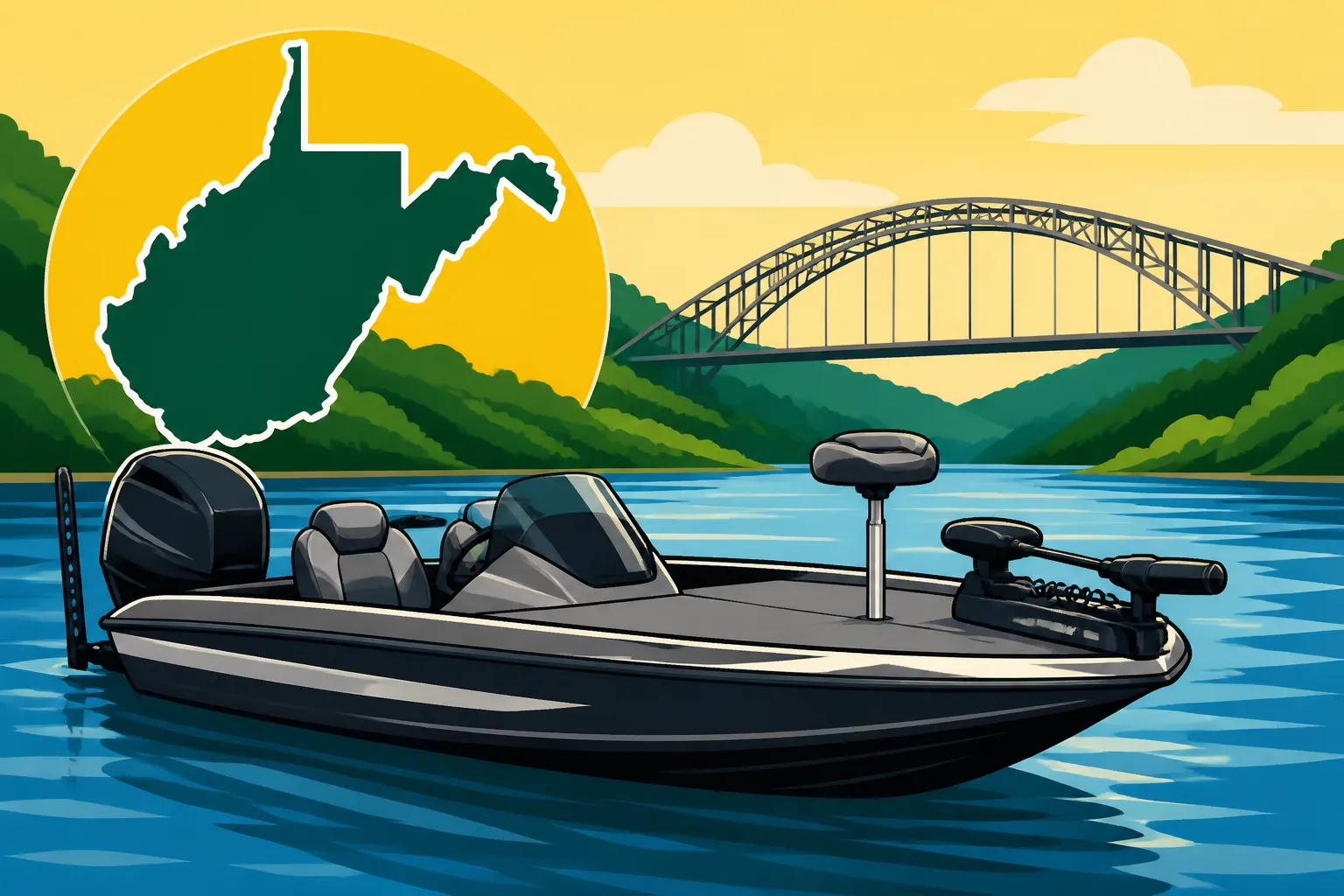
For anglers solely focused on tournament-style bass fishing, a dedicated bass boat might seem like an obvious choice. These boats are known for their incredible speed, shallow draft for accessing skinny water, and expansive casting decks. They are typically equipped with powerful trolling motors and advanced electronics, ideal for finding and staying on bass.
However, bass boats do have some significant drawbacks on the Ohio River. Their low profile and often flatter hulls can make for a very rough and wet ride in heavy chop caused by commercial traffic or strong winds. While they can get into shallower backwaters, they might struggle with stability in the main river channel when the water gets rough. If you're fishing mostly protected coves or backwaters where bass tend to congregate, a bass boat could work. But for consistent fishing across the diverse main channel, you need to weigh the speed advantage against the comfort and safety aspects. They are built for speed and quick access, which is great for smallmouth on protected river sections, but maybe not for the entire breadth of the Ohio.
Jon Boats and Flat-Bottom Boats
Jon boats, and other flat-bottomed utility boats, are often the entry point for many anglers due to their affordability and simplicity. They are excellent for accessing very shallow water and are incredibly stable for their size when the water is calm. For smaller rivers or peaceful lake coves, they're fantastic.
On the Ohio River, however, a standard jon boat needs careful consideration. While they can navigate shallower side channels and provide a stable casting platform, their flat bottom is very susceptible to pounding in even moderate chop. Those barge wakes can be particularly jarring and potentially unsafe in a smaller jon boat. If you opt for a jon boat, make sure it's on the larger end (16-18 feet minimum, with wider beams) and equipped with higher sides to handle some chop. They are best utilized in calmer pools, backwater areas, or when the river is exceptionally flat. For the main channel, especially on busy days, they can be a white-knuckle experience. They are also less equipped for advanced electronics and extensive storage compared to more specialized fishing boats.
Dedicated Catfish Rigs and Pontoons
For serious catfishermen targeting species like channel cats and flatheads, particularly during night fishing excursions, a dedicated catfish rig or even a pontoon boat can be an excellent choice. These boats prioritize stability, open deck space, and the ability to mount multiple heavy-duty rod holders. Pontoons, in particular, offer unparalleled stability and deck space, making them ideal for a group of anglers or for those who bring a lot of gear. Their comfortable seating and often a canopy can make long days or nights on the water much more enjoyable. How to Catch Catfish in West Virginia Lakes provides some great general catfish advice, which also translates to the river.
While pontoon boats aren't designed for speed or navigating rough water at high speeds, their stability in current and wakes at reasonable speeds is a huge plus. They allow for comfortable bottom fishing or anchoring in strong currents. Catfish rigs, often customized from larger jon boats or modified utility boats, feature reinforced transoms for larger outboards, robust livewells for bait, and sometimes even a small cabin or console for protection from the elements during extended trips.
Essential Features for Ohio River Fishing Boats
Beyond the basic boat type, specific features become critical when you're navigating and fishing a river as demanding as the Ohio. These elements contribute directly to your safety, comfort, and fishing success.
Power and Propulsion
Having adequate and reliable power is non-negotiable on the Ohio River. You need an outboard motor that can safely get you upriver against strong currents, quickly move you out of the way of commercial traffic, and get you back to the ramp efficiently if weather conditions turn. Underpowering your boat is a recipe for frustration and potential danger. Consult your boat's manufacturer for the maximum horsepower rating and aim to be close to it, especially for a large river.
Beyond the main outboard, a quality trolling motor is a game-changer. Models with GPS Spot-Lock or Anchor Mode capabilities are incredibly useful for holding your position over a submerged rock pile or current seam without having to drop an anchor or constantly adjust with the main engine. This is particularly valuable when you're targeting fish like walleye or sauger that hold tight to specific structures in the current. Brands like Minn Kota and MotorGuide, often found at Bass Pro Shops or online at Amazon, offer excellent options in this category.
Stability and Safety Features
The Ohio River can get rough quickly, so stability is paramount. Look for boats with a wide beam (width) and, as mentioned, a deeper V-hull for larger water penetration. High gunwales (sides) are also important, as they provide a safer feeling in choppy conditions and help keep water out of the boat. Remember to always have enough Life Jacket Requirements for West Virginia Boaters on board for everyone, and ensure they are easily accessible.
Beyond inherent boat design, consider additional safety gear:
- Navigation Lights: Crucial for early morning or late evening fishing, and especially if you're out past dark for species like catfish.
- Communication: A VHF marine radio is a smart investment, as cell service can be spotty in some river stretches.
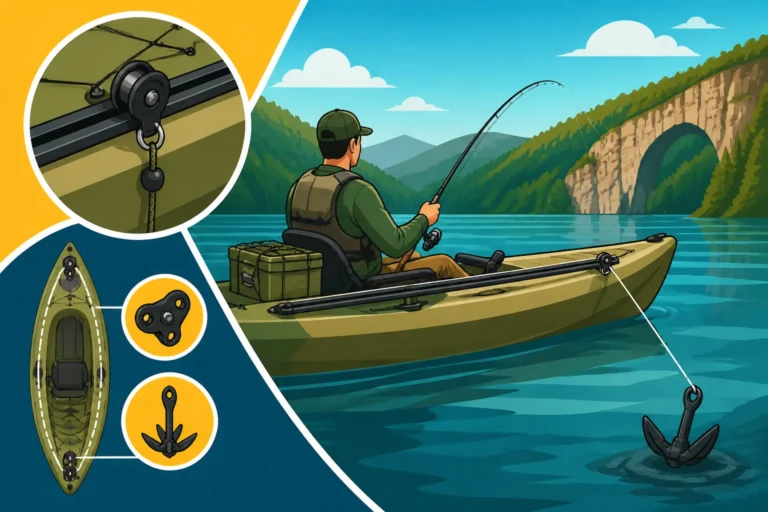
- Anchoring System: A robust anchor system suitable for river currents, often with two anchors (one bow, one stern) for superior positioning and safety.
- Fenders: Essential for protecting your boat if you need to tie up at a public dock or lock.
- Horn/Whistle: Required for signaling other vessels, especially the large commercial traffic.
Electronics and Navigation
Modern fishing success often hinges on advanced electronics, and the Ohio River is no exception. A good fish finder with GPS capabilities is your most valuable tool for locating fish and understanding the river's complex underwater topography. You'll want a unit that offers high-definition down imaging and side imaging to scan wide areas for structure and schools of baitfish. Best Fish Finders for West Virginia Lakes provides a good overview of what to look for, much of which applies to river fishing too.
Integrated GPS mapping allows you to mark your hot spots, navigate safely through channels, and return to exact locations. Many anglers also utilize specialized mapping chips for the Ohio River that provide incredibly detailed contours and navigation aids. Look for reputable brands like Humminbird, Lowrance, or Garmin, which are widely available through retailers and online marketplaces. Having a reliable compass, even with GPS, is also a wise backup.
Storage and Comfort
Long days on the Ohio River demand a comfortable and organized boat. Ample storage for rods, tackle boxes, coolers, and safety gear helps keep the deck clear and safe. Look for boats with dedicated rod lockers, dry storage compartments, and insulated coolers or livewells.
Consider seating comfort, especially if you plan on long fishing sessions. Swivel seats are a plus, allowing you to easily turn and cast. For those hot summer days, a Bimini top or other shade solution can provide welcome relief. If you do a lot of night fishing for species like catfish, having good deck lighting is also a huge plus, allowing you to rig baits and handle fish safely in the dark.
Making Your Choice: Budget, Maintenance, and Logistics
Once you have a handle on the types of boats and essential features, it's time to get practical. The decision isn't just about the boat itself; it's about the entire ownership experience, from purchase to launching and maintenance.
New vs. Used Boats
The budget is often the biggest factor in any boat purchase. New boats offer the latest technology, warranties, and the peace of mind that comes with a fresh start. However, they come with a higher price tag. Reputable dealerships, including those associated with larger retailers like Bass Pro Shops, will have a good selection and financing options.
Used boats, on the other hand, can offer significant savings and often come with upgraded electronics or accessories that the previous owner added. The key with used boats is thorough inspection. Always get a professional marine survey before buying a used vessel, especially one that will be operating on a demanding river like the Ohio. Check the engine's hours and condition, inspect the hull for damage, and verify that all electrical systems are in good working order. Don't be afraid to ask for maintenance records. A good used boat can be an incredible value, but a bad one can quickly become a money pit. You might find listings on online marketplaces or through local dealers.
Trailering and Launching Considerations
The size of your boat directly impacts your ability to trailer and launch it. A larger boat might require a more powerful tow vehicle and a bigger, heavier-duty trailer. Consider the public access points along the Ohio River – some ramps are better suited for smaller boats, while others can accommodate larger vessels. West Virginia Boat Registration Requirements also apply to trailers in some cases, so be sure you're up to snuff there.
Practicing your trailering and launching skills, especially with a larger boat, is crucial. The Ohio River can have strong currents at ramps, which adds another layer of challenge. Look for ramps with ample parking and good maneuvering space. Sometimes, a wider, shorter boat can be easier to manage at a crowded ramp than a long, narrow one. Don't forget to account for ongoing costs like trailer maintenance, tires, and boat launch fees, if applicable.
Maintenance and Long-Term Ownership
Boats, especially those used in demanding environments like the Ohio River, require regular maintenance. This includes routine engine servicing, hull cleaning, checking electrical connections, and winterization if you live in a colder climate. Regular upkeep extends the life of your boat and prevents costly breakdowns that could ruin a fishing trip or, worse, leave you stranded on the river.
Keep an eye on your boat's registration and titling, ensuring all paperwork is current. Consider proper storage during the off-season to protect your investment from the elements. A well-maintained boat not only performs better but also retains more of its value should you decide to upgrade in the future. Investing in quality boat covers and seeking professional service for major maintenance tasks is always a smart move for long-term ownership.
Choosing Your Ohio River Adventure Vehicle
Ultimately, the best boat for fishing the Ohio River is one that fits your fishing style, budget, and comfort level with the river's unique challenges. A multi-species boat often hits the sweet spot for versatility, handling rough water while providing features for various fish. However, a larger, well-equipped jon boat or even a specialized catfish rig or pontoon could be ideal depending on your focus. Always prioritize safety, ample power, and robust electronics.
Here’s a quick overview to help you visualize the choices:
| Boat Type | Key Advantages for Ohio River | Potential Disadvantages for Ohio River | Ideal for |
|---|---|---|---|
| Multi-Species (Deep V) | Excellent rough water handling, stable, versatile for diverse fishing techniques, good power. | Higher initial cost, requires larger tow vehicle. | All-around angler, walleye, muskie, bass, rough water conditions, long runs. |
| Bass Boat | High speed, shallow draft for backwaters, large casting decks, specialized bass electronics. | Low profile struggles in rough water/large wakes, less stable in chop. | Dedicated bass anglers, protected coves, quick access to specific spots. |
| Jon Boat (Larger) | Affordable, good for shallow access, stable in calm water, customizable. | Pounding ride in chop, less safe in large wakes, limited range in rough conditions. | Budget-conscious anglers, calmer backwaters, catfishing, utility use. |
| Pontoon Boat | Exceptional stability, huge deck space, comfortable for groups, great for catfishing. | Slow speed, not designed for rough water travel, larger to trailer/dock. | Groups, leisurely fishing, dedicated catfishing, family outings, extreme comfort. |
No matter which boat you choose, remember that the Ohio River is a powerful and dynamic environment. Respect its size, be aware of its currents, and always prioritize safety. With the right vessel, you'll unlock incredible fishing opportunities and create lasting memories on one of West Virginia's most iconic waterways. Don't forget to review guidelines like Operating a Boat Near an Angler in West Virginia to ensure a harmonious experience for everyone on the water.
Disclaimer
This article is for general informational purposes only and does not constitute professional advice. Laws, prices and regulations vary by location and change over time. Consult a qualified professional for guidance on your specific situation.