Best chatterbait for early spring bass
The chilly grip of winter might be loosening its hold, but early spring fishing in West Virginia can still be a tricky proposition. Bass are transitioning from their deep winter haunts to pre-spawn staging areas, often making them lethargic and less willing to chase. This guide will cut through the uncertainty, helping you understand how a chatterbait can become your secret weapon for tempting those early season hawgs out of hiding and into your livewell.
Why the Chatterbait is Your Early Spring Secret Weapon
Early spring can be a frustrating time for bass anglers in West Virginia. The water is often cold, sometimes murky from snowmelt or spring rains, and the bass aren't quite ready to go full throttle. This is precisely where the chatterbait, or bladed jig, truly shines. Its unique design and action make it incredibly effective at triggering bites from otherwise sluggish fish.
The Undeniable Appeal of Vibration and Flash
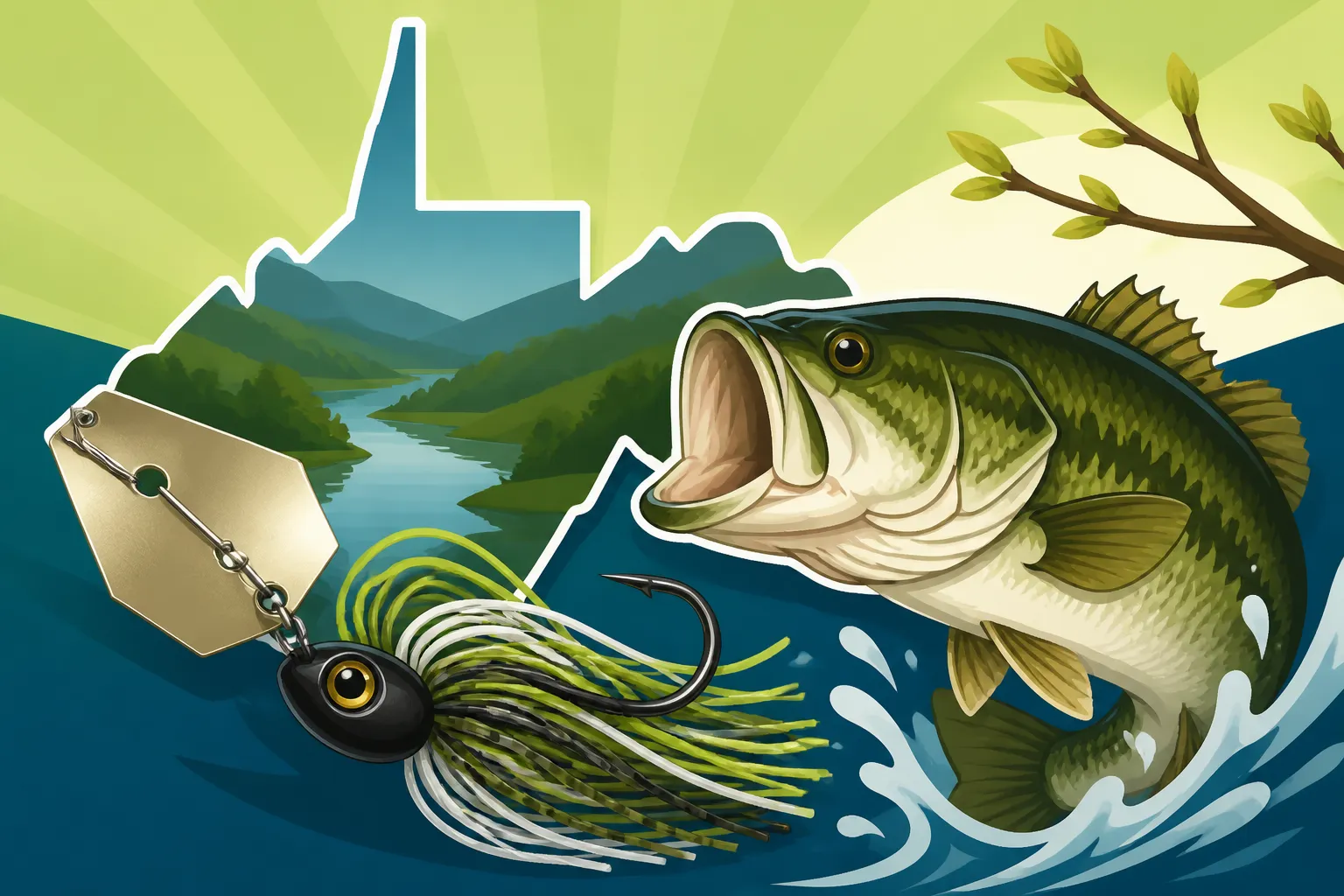
What makes a chatterbait so special? It all comes down to its incredible ability to create a commotion in the water. Unlike a spinnerbait that has rotating blades, or a jig that relies mostly on its skirt and trailer, a chatterbait features a hexagonal blade attached to the jig head. As you retrieve it, this blade rapidly oscillates, hitting the lead head and sending out powerful, low-frequency vibrations. Think of it like a distressed baitfish frantically trying to escape or a crawfish scuttling across the bottom.
Bass, even when they're not actively feeding, are highly attuned to these vibrations. Their lateral line system is a marvel of nature, allowing them to detect subtle movements and pressure changes in the water. The chatterbait's intense thumping and shimmering action isn't just visually appealing; it's a sensory overload that bass simply can't ignore, often triggering a purely reactive strike rather than a predatory one. This is especially crucial in cold water, where a bass might not expend energy chasing a meal but will instinctively lash out at something invading its personal space or making too much noise. The flash from the blade also adds another dimension, catching any available light and making it highly visible, even at a distance.
Cutting Through the Cold, Murky Veil
Early spring in West Virginia often brings with it stained or muddy water conditions. Rivers swell with runoff, and even lakes can have reduced visibility from inflows. This can be a huge challenge when trying to present a lure. Finesse baits, while effective in clear water, often get lost in the murk. This is where the chatterbait truly excels at penetrating that "cold, murky veil."
Its strong vibration and pronounced profile mean that bass can find it even when they can't see it clearly. The thumping action acts like a sonar beacon, drawing fish in from a greater distance. Moreover, many chatterbaits come with brightly colored blades or skirts, which can offer increased contrast in stained water, making them stand out even more. Imagine a bass holding tight to a log in the turbid waters of the Kanawha River Fishing Spots; a subtle jig might pass by unnoticed, but the relentless thumping and flash of a chatterbait will certainly get its attention. This ability to command attention in less-than-ideal water clarity conditions is a key reason why it's such a potent tool for early spring bass fishing in our mountain state.
Decoding West Virginia's Early Spring Bass Patterns
Before you even tie on a chatterbait, understanding where West Virginia's bass are likely to be hiding in early spring is paramount. Their behavior is largely dictated by water temperature, available forage, and their primal urge to reproduce.
Locating Pre-Spawn Power Zones
As water temperatures slowly climb from the low 40s into the 50s, bass begin to migrate from their deepest winter holes towards shallower spawning flats. However, they don't just rush into the skinny water. They'll stage in "power zones"—transitional areas that offer easy access to deeper water for safety and warmth, while also being close to those future spawning grounds. Think of these as their waiting rooms.
In West Virginia's lakes like Summersville Lake Bass Fishing or Stonewall Jackson Lake Fishing, these areas often include long, tapering points that extend into the main lake, secondary humps, channel swings along creek beds, or rock veins and riprap banks. These spots provide ambush points for feeding bass, often holding baitfish that are also moving shallower. For river smallmouth, like those found in the New River Smallmouth Bass Fishing or the South Branch Potomac, look for current breaks near deeper pools, eddies behind large boulders, or the slack water along bluff walls that transition into shallower gravel bars. These areas offer both protection from the current and proximity to potential spawning sites. Bass will often congregate in these zones, making them prime targets for a well-placed chatterbait.
The Temperature Tango: How Water Influences Bass Location
Water temperature is the ultimate maestro orchestrating early spring bass movements. Just a few degrees can make a world of difference in where bass position themselves and how aggressively they feed. In the early stages of spring, when water temperatures are still in the low 40s to low 50s, bass will seek out the warmest available water.
This often means shallower, north-facing banks that receive more direct sunlight throughout the day. Darker bottom compositions, like mud or rock, absorb and retain heat better than sand or gravel, making them magnets for cold-blooded bass. Look for protected coves, small pockets, or creek arms that are out of the main current and have shallower, dark bottoms. Even a slight increase in temperature in these areas can attract a significant number of fish. As the water warms further into the mid-50s, bass become more active and willing to roam, but they will still relate to those key staging areas and temperature breaks. Use your boat's electronics to find subtle temperature differences, or simply feel the water as you move along the bank. These small shifts in temperature will guide you directly to the fish, making your chatterbait presentation much more effective.
Essential Chatterbait Attributes for Appalachian Anglers
Not all chatterbaits are created equal, especially when you're targeting early spring bass in the diverse waters of West Virginia. Selecting the right one involves a combination of weight, blade style, and hook quality.
Weight, Blade, and Hook Harmony
When it comes to chatterbait weight for early spring, it's a balancing act between getting to the fish and maintaining the right action. Generally, 1/4 ounce to 1/2 ounce are the most versatile options.
- 1/4 ounce: Ideal for shallower flats, fishing over sparse grass, or when bass are extremely lethargic and a slower fall is needed. It allows for a slower retrieve while still generating that characteristic thumping action.
- 3/8 ounce: This is often the sweet spot, providing enough weight for decent casting distance and moderate depth, making it incredibly versatile for most early spring scenarios in West Virginia's lakes and rivers. It's heavy enough to get down a bit, but light enough to be worked slowly.
- 1/2 ounce: Useful for deeper staging areas, fishing in stronger current in rivers like the Ohio River Fishing Rules for West Virginia Anglers, or when you need to make longer casts into the wind.
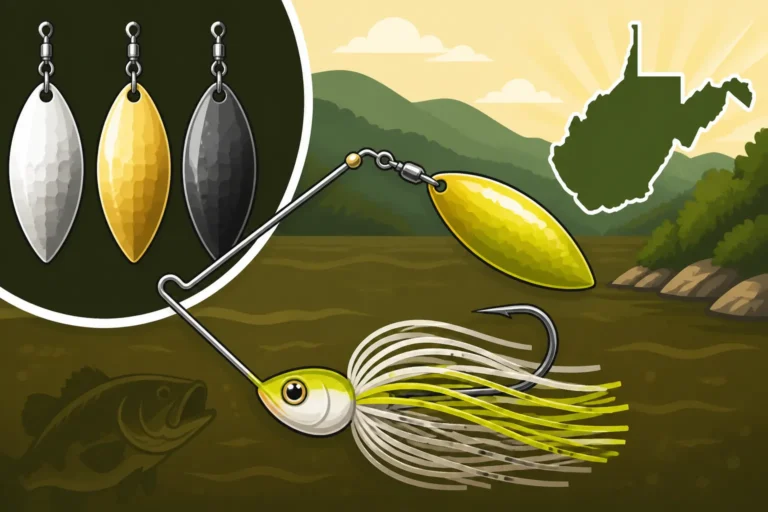
The blade style is also critical. The classic hexagonal blade is what gives the chatterbait its signature thump and erratic action. Look for blades made of stainless steel for durability and consistent vibration. Some variations might have slightly different shapes or materials, but for early spring, the traditional hex blade delivers the best low-frequency thumps that attract cold-water bass.
Finally, don't overlook hook quality. Early spring bass can be big, and they often engulf the bait. A stout, super-sharp hook is non-negotiable. It needs to penetrate tough bass jaws, hold firm during the fight, and withstand the abuse of fishing around heavy cover like submerged timber or rocky bottom. Cheap hooks will bend or break, leading to heartbreaking lost fish. Many premium chatterbaits, like those from Z-Man, come equipped with high-quality hooks right out of the package.
Skirt Aesthetics and Trailer Dynamics
The visual appeal of your chatterbait, created by its skirt and trailer, plays a huge role in attracting bass, especially when the water has some color. Choosing the right combination can be the difference between a frustrating day and a successful one.
For early spring, natural colors tend to be most effective, mimicking common forage like crawfish or shad.
- Green Pumpkin: A perennial favorite, versatile for many water clarities, mimicking crawfish or various baitfish.
- Black and Blue: Excellent for stained or muddy water, and also a fantastic choice on cloudy days or in low light conditions. This color provides a strong silhouette against the murky background.
- White or Shad Patterns: Great for clearer water, especially if you know bass are keying on baitfish. Adding a touch of chartreuse to a white skirt can also increase visibility in slightly stained conditions.
- Brown Craw: Perfect when bass are feeding heavily on crawfish, often found near rocky banks or gravel bottoms.
The trailer is what truly customizes your chatterbait's action and profile. It adds bulk, changes the fall rate, and provides additional movement.
- Paddle Tail Swimbait: A popular choice, as it adds extra thump and vibration, mimicking a fleeing baitfish. Its tail kicks frantically, enhancing the overall erratic action of the chatterbait.
- Craw Imitation: When bass are feeding on crawfish, a soft plastic craw trailer is hard to beat. It gives the bait a more natural, bottom-crawling profile, making it look like an easy meal.
- Fluke-style Bait: Offers a more subtle, darting action compared to a paddle tail, which can be effective when bass are particularly finicky or in clearer water.
- Soft Plastic Jerkbait: Can be rigged to give a slightly longer, more slender profile, mimicking longer baitfish.
Experiment with trailer size and orientation. Sometimes, a larger trailer will slow the fall of the bait and give it a bulkier profile, while trimming a trailer can make the bait appear smaller and more streamlined. You can find a huge variety of chatterbaits, skirts, and soft plastic trailers from reputable brands like Z-Man, Strike King, and Berkley at your local Bass Pro Shops or through the vast selection available on Amazon. Don't be afraid to mix and match to find what the bass are reacting to on any given day.
Precision Presentation: Fishing Chatterbaits Like a Pro
Having the right chatterbait and understanding where the bass are is only half the battle. How you present that bait is crucial, especially in early spring when bass can be less aggressive.
The Art of the Slow Roll and Pop
In cold, early spring water, bass are often lethargic. Their metabolism is slower, and they're less inclined to chase a fast-moving meal. This means your retrieve speed is paramount. The "slow roll" is your bread and butter here. Cast your chatterbait out and retrieve it just fast enough to keep the blade thumping and the bait moving steadily. You want it to crawl along, deflecting off any cover, but not racing past the fish. The beauty of the chatterbait is that even at slow speeds, the blade still generates that irresistible vibration.
However, sometimes a purely steady retrieve isn't enough to trigger a strike. This is where the "pop" or "stop-and-go" retrieve comes into play. After a few turns of the reel handle, pause for a second or two, letting the bait fall slightly (it will still wobble on the fall!). Then, give your rod tip a sharp, upward snap – a "pop" – to make the chatterbait jump and dart forward, mimicking a panicked baitfish. Immediately follow this with a slow roll or another pause. This erratic action often triggers a reaction strike from bass that might have been following the bait but were hesitant to commit. Think about how you might fish a jig around a rock pile on Summersville Lake; the chatterbait can be worked in a similar fashion, but with the added vibration.
Another effective technique, especially around submerged timber or rocky ledges, is the "rip-and-kill." Cast beyond your target, retrieve until the bait hits the cover, then give a sharp rip of the rod to pull it free. Let it flutter on a slack line for a moment, then resume your retrieve. That sudden change in direction and the subsequent "death wobble" on the fall can be incredibly effective at drawing strikes from lurking bass.
Covering Water and Targeting Structure
The chatterbait is an excellent tool for covering water efficiently, especially when you're trying to locate those elusive early spring staging fish. Don't be afraid to fan-cast an entire area, making casts at different angles to cover as much ground as possible. This helps you determine where bass might be positioned along a point or across a flat.
Once you identify potential holding areas—whether it's a channel swing on a lake or a current seam in a river—then you can start making more targeted presentations. Pay close attention to your retrieve; if you feel your chatterbait making contact with the bottom or deflecting off a piece of cover like a rock or a log, brace yourself! Many strikes occur immediately after the bait ricochets off an obstruction. That sudden change in direction and vibration often triggers a reaction.
For river smallmouth, focus on casting upstream and allowing the current to help carry your chatterbait into current seams, eddies, and behind submerged boulders. This allows for a more natural presentation. In lakes, target those transitions—where deep water meets shallow, or where soft bottom meets hard. The chatterbait's ability to bump and grind along the bottom, mimicking a crawfish, makes it incredibly effective in these areas. You can combine this with insights from articles like Best Kayak Fishing Spots in West Virginia to find access to these prime locations.
Maximizing Your Catch with Strategic Color and Trailer Pairings
The sheer number of chatterbait colors and trailer options can feel overwhelming, but a few strategic pairings for early spring in West Virginia will significantly boost your confidence and catch rate.
Tried-and-True Color Patterns
When bass are in their early spring transition, simplicity and realism often win the day. Here are some staple color patterns that consistently produce:
- Green Pumpkin: This is arguably the most versatile color you can throw. It mimics a wide array of forage, from various species of crawfish to small sunfish and even some baitfish. It performs well in everything from clear to lightly stained water. If you're unsure what the bass are keying on, start with green pumpkin. It's a reliable choice for nearly any lake or river in West Virginia.
- Black and Blue: When the water is heavily stained, muddy, or the sky is overcast and cloudy, black and blue is your go-to. The dark silhouette provides excellent contrast against a dark background, making it easier for bass to see and track. It's also fantastic in low-light conditions like dawn, dusk, or even during a rain shower. Bass often associate this color with crawfish or dark baitfish.
- White / White and Chartreuse: If you're fishing clearer water and you suspect bass are targeting shad or other silvery baitfish, pure white or a white/chartreuse combination can be incredibly effective. The chartreuse adds a bit of flash and visibility, which is helpful in slightly stained water or on bright, sunny days when you want to make a statement. This pattern can be deadly when fishing along riprap or open water points where baitfish congregate.
Customizing for Optimal Action and Profile
The trailer you choose and how you rig it can dramatically alter your chatterbait's presentation, often being the subtle difference that triggers a bite.
- Paddle Tail Swimbait: For maximum vibration and a prominent baitfish profile, a paddle tail swimbait is hard to beat. Rig it so the paddle tail points down, allowing it to kick freely as the chatterbait moves. This combination is great for covering water and for those reaction strikes. Brands like Keitech or Zoom make excellent paddle tail swimbaits that pair well.
- Craw Imitation: When fishing around rocks, wood, or any area where crawfish might hide, a craw trailer adds realism. Rig it so the claws are extended outward, mimicking a defensive crawfish. This makes the chatterbait look bulkier and slows its fall slightly, which can be crucial for cold-water bass that prefer a slower, more deliberate presentation. Many anglers trim a few inches off the head of the craw to make it fit snugly against the jig head and ensure the claws have plenty of action.
- Fluke or Split-Tail Trailer: For a more subtle, darting action that can be deadly in clearer water or when bass are finicky, a fluke-style bait or a split-tail trailer is a great option. These provide a more erratic, less thumping action than a paddle tail, often mimicking a struggling baitfish. They can be particularly effective when paired with a white or shad-colored chatterbait.
- Grub or Small Worm: In very cold water, or when bass are extremely inactive, a small grub or a portion of a straight-tail worm can add a very subtle, quivering action to your chatterbait, presenting a less intimidating profile.
Don't be afraid to experiment with trimming your skirt. Sometimes, a shorter skirt exposes more of the trailer, giving the bait a different look. Conversely, a longer, fuller skirt can create more bulk. The key is to observe how the bait looks and acts in the water and then adjust based on the conditions and the fish's mood. Pairing your chatterbait with the right Best Spinning Rods for Smallmouth Bass can also make a huge difference in your ability to cast accurately and feel those subtle bites.
It's truly amazing how a simple bladed jig can transform your early spring bass fishing experience in West Virginia. By understanding why they work, where to cast them, and how to fine-tune your presentation, you'll be well on your way to catching some fantastic fish.
Chatterbait Selection for West Virginia Early Spring Conditions
| Condition | Recommended Chatterbait Weight | Recommended Skirt Color | Recommended Trailer Type | Retrieve Style | Notes |
|---|---|---|---|---|---|
| Cold, Stained Water | 3/8 oz – 1/2 oz | Black/Blue, Dark Green Pumpkin | Paddle Tail Swimbait, Craw | Slow Roll, Stop-and-Go | Focus on strong vibration and dark silhouette. |
| Cold, Clear Water | 1/4 oz – 3/8 oz | Green Pumpkin, White/Shad | Fluke-style, Subtle Paddle Tail | Slow Roll, Rip-and-Kill | More natural colors, less aggressive trailer action. |
| Transitioning Banks | 3/8 oz | Green Pumpkin, Natural Craw | Craw, Paddle Tail Swimbait | Bottom Contact, Stop-and-Go | Mimic crawfish or baitfish moving shallower. |
| Current Breaks (Rivers) | 3/8 oz – 1/2 oz | Green Pumpkin, White/Chartreuse | Paddle Tail Swimbait | Steady Retrieve, Deflect Off Cover | Maintain contact with current breaks; larger profile for visibility. |
| Sparse Grass/Laydowns | 1/4 oz – 3/8 oz | Green Pumpkin, White | Paddle Tail Swimbait, Fluke | Slow Roll over tops, Rip-and-Kill | Weedless design is crucial; rip free from snags. |
Disclaimer
This article is for general informational purposes only and does not constitute professional advice. Laws, prices and regulations vary by location and change over time. Consult a qualified professional for guidance on your specific situation.