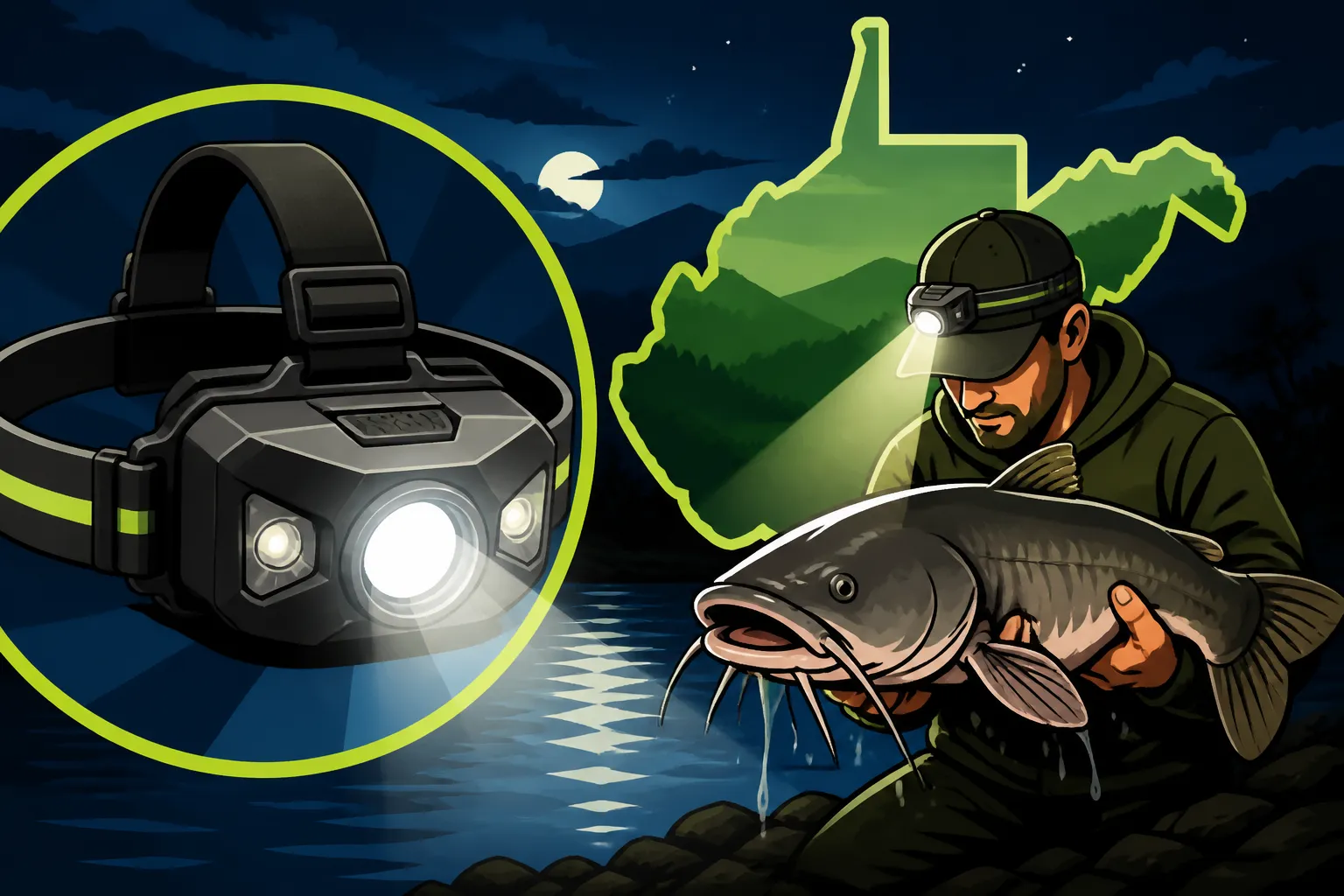
Best headlamp for night catfish fishing
Night catfishing in West Virginia is an incredible experience, but it presents some unique challenges, not least of which is visibility when you're fumbling with hooks, bait, or a thrashing flathead in the dark. Finding the right headlamp isn't just about seeing; it's about safety, efficiency, and maintaining your night vision. This comprehensive guide will illuminate the path to choosing the best headlamp for your nocturnal angling adventures, ensuring your next trip out after dark is productive and frustration-free.
Why a Quality Headlamp is Essential for Night Catfishing
When the sun dips below the Appalachian ridges and the stars begin to pepper the West Virginia sky, the world transforms. What was a familiar shoreline by day becomes a labyrinth of shadows and unseen obstacles. This is where a reliable headlamp moves from a convenience to an absolute necessity for any angler serious about Catfish Fishing in West Virginia after dark. It's more than just light; it's your primary tool for navigating the night safely and effectively.
Safety First on the Water After Dark
Trying to navigate a dark riverbank or a boat deck without adequate lighting is a recipe for disaster. Uneven terrain, slippery mud, tangled lines, or even an unexpected drop-off can turn a peaceful night of fishing into a painful one. A good headlamp casts a beam exactly where your eyes are looking, allowing you to clearly see your footing, identify potential hazards like submerged logs or rocks, and avoid tripping over gear. It also makes getting in and out of your vehicle or boat much safer when you're loaded down with rods and tackle. Whether you're carefully walking the banks of the Ohio River or moving around in your jon boat on Summersville Lake, proper illumination protects you from bumps, bruises, and worse.
Practicality and Hands-Free Operation
Imagine trying to thread a tiny piece of bait onto a hook, tie a complex knot, or even just unhook a feisty channel catfish in the dark, all while juggling a flashlight in your mouth or under an arm. It's a clumsy, frustrating dance that often leads to dropped items or missed opportunities. This is precisely where a headlamp shines, pun intended. Its hands-free design means you can use both hands for the delicate tasks of rigging and baiting, for managing your line, or for safely handling a slippery fish. When you're trying to quickly rebait a hook after a missed strike or untangle a snag in the current, having a steady, focused light source pointed exactly where you need it makes all the difference in your efficiency and enjoyment of the night.
Stealth and Respect for Wildlife
While cats aren't typically known for being line-shy, unnecessary bright lights can certainly disrupt the natural environment and even spook other nocturnal creatures. Furthermore, blinding other anglers with a powerful beam is a definite no-no in the unwritten rules of night fishing etiquette. Many quality headlamps come equipped with a red light mode, which is incredibly useful. Red light preserves your own night vision, meaning when you turn the red light off, your eyes don't have to readjust as drastically to the darkness. It also allows you to see enough to perform tasks without casting a harsh, intrusive white beam across the water or towards other anglers. It’s about being effective without being disruptive, respecting both the fish you're targeting and the tranquility of the night fishing experience.
Key Features to Look for in a Night Catfishing Headlamp
Not all headlamps are created equal, especially when it comes to the specific demands of Night Fishing Techniques for West Virginia Lakes. Knowing what features truly matter will help you cut through the marketing jargon and find a tool that genuinely enhances your time on the water. It's about finding the right balance of power, practicality, and resilience.
Brightness and Beam Options
Brightness, measured in lumens, is often the first thing people look at. While a super bright headlamp can be impressive, it's not always necessary, nor is it always desirable for night catfishing. You'll want enough power to see distant snags or to navigate a trail, but also lower settings for close-up tasks. Look for headlamps that offer multiple brightness levels. A high lumen count (say, 300-600 lumens or more) is great for scanning the riverbank or spotting a distant marker, but for tying knots or baiting, a much lower setting (20-50 lumens) is perfect.
Beyond sheer brightness, consider the beam type. Some headlamps offer a "flood" beam, which provides a wide, diffused light ideal for general area illumination – great for setting up camp or sorting tackle. Others have a "spot" beam, which is a focused, narrow light that projects further, perfect for identifying structure across the water or checking your line far out. The best headlamps for fishing often combine these, allowing you to switch between a wide flood, a focused spot, or even a hybrid of the two. This versatility ensures you have the right light for every situation, whether you're working right in front of you or peering into the darkness.
Red Light Mode: Crucial for Night Vision
This feature is truly non-negotiable for serious night anglers. White light, especially bright white light, causes your pupils to constrict, effectively destroying your natural night vision. When you turn that bright light off, it takes a good 15-20 minutes for your eyes to fully adapt back to the darkness, making it hard to see stars, distant objects, or even your bobber against the dark water. Red light, on the other hand, does not have this effect. It allows you to maintain your night vision while still providing enough illumination to perform tasks like re-baiting, adjusting your Best Rig for Bottom Fishing Catfish on the Ohio River, or checking your gear.
Using a red light also makes you less disruptive to other anglers and wildlife, as discussed earlier. It's a respectful and smart choice. Most modern fishing-specific headlamps will have a dedicated red light mode, often accessible with a quick button press to avoid accidentally blasting white light. Some even have a dim red light setting, which is perfect for subtle illumination without being overly bright, maintaining the peaceful ambiance of a quiet night on the water.
Battery Life and Power Source
There's nothing worse than your light dying halfway through a prime catfishing session. Battery life is paramount. Consider how long you typically fish at night. A headlamp that boasts 100 hours of runtime might sound impressive, but check what lumen setting that's for – it's usually the lowest. Always look at the battery life for the brightness settings you anticipate using most often. Headlamps usually come with either standard disposable batteries (AA or AAA) or rechargeable lithium-ion batteries.
Rechargeable batteries are often more economical in the long run and more environmentally friendly. Many modern headlamps feature a USB charging port, allowing you to easily top them up from a power bank right on the bank or in your truck. Some even have a battery indicator, so you're not left guessing how much juice you have left. If you opt for disposable batteries, always carry spares. For longer trips, or if you're out chasing those monster flatheads on the Kanawha River for multiple nights, a headlamp that can swap between rechargeable packs and standard batteries offers the ultimate flexibility.
Durability and Water Resistance
Fishing environments are notoriously tough on gear. Your headlamp needs to withstand splashes, accidental drops, and potentially even being submerged. Look for a headlamp with a good Ingress Protection (IP) rating. An IPX4 rating means it can handle splashes from all directions, which is generally sufficient for rain and spray. An IPX7 rating means it can be submerged in up to 1 meter of water for 30 minutes, which is excellent for peace of mind if it accidentally goes overboard. An IPX8 rating offers even better protection for deeper or longer submersion.
Beyond water resistance, consider the overall construction. A headlamp made from durable, impact-resistant materials will hold up better to the inevitable bumps and knocks that happen during a night of fishing. Look for sealed seams and robust casings. While you might initially save a few dollars on a cheaper, less durable model, you'll likely end up replacing it sooner, making the initial investment in a well-built, water-resistant headlamp a wise choice. You'll be glad you did when that unexpected West Virginia drizzle turns into a full-blown downpour.
Comfort and Fit for Long Nights on the Bank
You could have the brightest, most feature-packed headlamp in the world, but if it's uncomfortable to wear for hours on end, you simply won't use it. Comfort is crucial, especially when you're settling in for a long vigil waiting for that trophy Flathead Catfish in the Ohio River. A well-fitting headlamp becomes an extension of yourself, almost unnoticeable as you focus on the fishing.
Adjustable Straps and Ergonomics
The strap system is the first line of defense against discomfort. Look for a headlamp with a wide, elastic, and easily adjustable strap. A wider strap distributes the weight more evenly across your forehead, preventing uncomfortable pressure points. Some higher-end models even feature an overhead strap for additional stability, which can be a godsend if you're constantly looking up, down, or moving quickly. This extra strap helps prevent the headlamp from slipping, especially when you're leaning over to land a fish or rummaging through your tackle box.
The overall ergonomics and weight of the headlamp also play a huge role. Lighter headlamps are generally more comfortable. If the battery pack is located on the back of the head, it can help balance the weight of the lamp itself, reducing front-heavy strain. Soft, breathable materials on the contact points will also prevent chafing and sweat buildup, which can be a real nuisance on a humid West Virginia summer night. When trying one on, imagine wearing it for several hours, not just a few minutes, to truly assess its comfort.
Ease of Use with Cold or Wet Hands
Night fishing often means cold fingers, wet hands, or both. Fiddling with tiny, unresponsive buttons can be incredibly frustrating. A good fishing headlamp will feature large, tactile buttons that are easy to locate and operate, even when your hands are numb from the cold or slick with fish slime. Some designs even allow for glove-friendly operation, which is a big plus during those chilly late-fall or early-spring catfishing trips.
Simple, intuitive controls are also key. You shouldn't need a manual to switch between brightness modes or activate the red light. Often, a single button press or a quick sequence should be all it takes. This might sound like a small detail, but in the heat of the moment, when a big fish is on the line and you need to adjust your light without fumbling, these user-friendly features make a huge difference in reducing stress and keeping you focused on the catch.
Top Headlamp Recommendations for West Virginia Catfish Anglers
Choosing the right headlamp can feel overwhelming with the sheer number of options out there. To simplify things, let's categorize some common types and what they offer, keeping in mind the diverse needs of West Virginia anglers chasing everything from a feisty channel cat to a monster flathead. Whether you're a casual bank angler or a dedicated night owl, there’s a perfect beam waiting for you. You'll find a wide variety of these options available at outdoor retailers like Bass Pro Shops or through online marketplaces like Amazon.
Entry-Level Options for the Casual Angler
For those who only hit the water at night a few times a year, or are just getting into Bottom Fishing for Catfish in West Virginia Rivers, an entry-level headlamp can be a perfectly capable choice. These models focus on essential functionality without breaking the bank. They typically offer a decent white light beam, often with a few brightness settings, and usually include a red light mode. Their brightness might range from 100 to 300 lumens, which is more than enough for most close-range tasks and short-distance navigation.
You might find them powered by AAA batteries, so be sure to carry spares. While they might not boast the highest IP ratings or the most rugged construction, many still offer splash resistance for light rain. Brands like Energizer or inexpensive models from outdoor brands found on Amazon often fit this category. They are reliable enough for occasional use, such as baiting your hook with nightcrawlers or safely walking to your favorite Best Shore Fishing Spots Near Charleston West Virginia. Just remember to check their battery life claims against your expected usage.
Mid-Range Performers for Regular Excursions
If you find yourself frequently fishing after dark, stepping up to a mid-range headlamp offers a significant improvement in features, durability, and comfort. These headlamps usually feature brighter outputs (300-600+ lumens), more advanced beam patterns (often with flood and spot options), and better battery management. Many in this category will feature rechargeable lithium-ion batteries, often with USB charging capabilities, which is a huge convenience.
Durability and water resistance also improve in this segment, with many offering IPX4 or IPX5 ratings, making them more resilient to the elements typical of West Virginia's rivers and lakes. Look for brands like Black Diamond, Petzl, or Coast, which offer excellent value in this range. They often provide more comfortable headbands, easier-to-operate buttons, and more robust construction. This category is ideal for anglers who spend several hours a night fishing or venture out regularly for Night Fishing Techniques for West Virginia Lakes. They strike a great balance between performance and cost.
Premium Choices for the Dedicated Night Angler
For the angler who lives for the night bite, investing in a premium headlamp is a worthwhile decision. These are the workhorses designed for extended use, extreme conditions, and demanding situations. Expect powerful brightness (600+ lumens, often peaking much higher), sophisticated beam technology, and long-lasting, often interchangeable or hybrid battery systems. Many premium models feature reactive lighting technology, which automatically adjusts brightness based on ambient light, saving battery and optimizing visibility.
They typically boast high IP ratings (IPX7 or IPX8), meaning they can handle heavy rain and accidental submersion without skipping a beat. Brands like Zebralight, Fenix, or high-end Petzl models are known for their exceptional build quality, advanced features, and superior comfort for prolonged wear. These headlamps are often equipped with intelligent battery indicators, lock-out functions to prevent accidental activation in your pack, and highly adjustable straps for a secure, comfortable fit. If you're planning multi-day trips or targeting specific species like big muskie at night in addition to catfish, the enhanced reliability and performance of a premium headlamp make it an indispensable piece of your Best Muskie Gear for West Virginia Rivers.
Here's a quick comparison of some general headlamp characteristics:
| Feature/Category | Entry-Level | Mid-Range | Premium |
|---|---|---|---|
| Brightness (Lumens) | 100-300 | 300-600+ | 600+ (often higher burst) |
| Beam Options | Basic Flood/Spot | Flood, Spot, Hybrid | Advanced, Reactive, Adjustable |
| Red Light Mode | Common | Standard | Standard, often with dimming |
| Battery Type | AAA/AA (Disposable) | Rechargeable (USB) | Rechargeable (USB, Hybrid) |
| Battery Life (typical) | Moderate (4-20 hrs on med) | Good (8-40 hrs on med) | Excellent (15-100+ hrs on med) |
| Water Resistance (IP Rating) | IPX3-IPX4 (Splash) | IPX4-IPX5 (Splash/Light Rain) | IPX7-IPX8 (Submersible) |
| Durability | Good | Better | Excellent (Impact-resistant) |
| Comfort/Fit | Basic Adjustable Strap | Better Strap, Balanced Weight | Ergonomic, Overhead Strap, Lightweight |
| Ease of Use | Simple Buttons | Intuitive Buttons, Glove-Friendly | Advanced Controls, Lockout Function |
| Typical Use Case | Occasional night trips, emergencies | Regular night fishing, varied tasks | Dedicated night angler, harsh conditions |
No matter which headlamp you choose, remember that proper maintenance, like cleaning battery contacts and storing it in a dry place, will extend its life. A reliable headlamp is an investment in your safety and success, allowing you to fully embrace the magic of fishing under the West Virginia stars.
Disclaimer
This article is for general informational purposes only and does not constitute professional advice. Laws, prices and regulations vary by location and change over time. Consult a qualified professional for guidance on your specific situation.