Best rain jacket for spring fishing trips
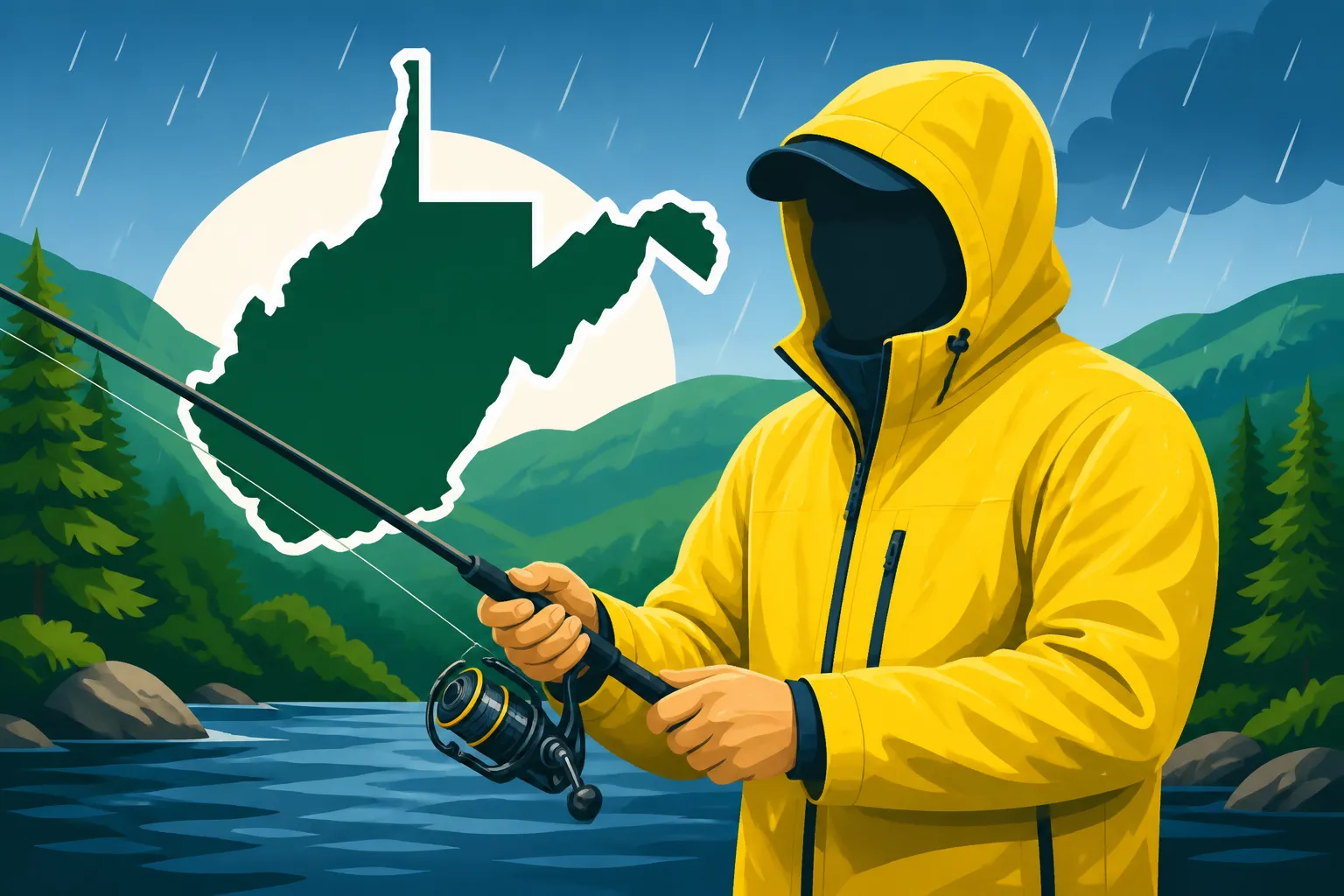
Oh, spring fishing in West Virginia! It's a truly magical time, full of fresh blooms, rising waters, and the promise of hungry fish. But let's be honest, it's also a season of wild unpredictability. One minute you're basking in warm sunshine, the next a sudden, chilling downpour has you scrambling for cover. There's nothing quite like being soaked to the bone when the fish are finally biting, turning what should be a peaceful outing into a miserable slog. This guide is dedicated to helping you navigate those fickle conditions by choosing the best rain jacket to keep you dry, comfortable, and focused on the thrill of the catch, no matter what mountain weather decides to do.
The Unpredictable Charm and Challenge of Spring Fishing in West Virginia
Spring in the Mountain State is a beautiful, vibrant season, but it's also notorious for its rapidly changing weather patterns. One moment you're enjoying a glorious morning chasing trout on a mountain stream, thinking about Spring Trout Fishing Techniques for West Virginia Streams, and the next, a cold front rolls in, bringing with it a sudden deluge of rain. This isn't just a minor inconvenience; getting wet and cold quickly zaps your energy, impacts your dexterity, and can even become a safety concern if you're far from warmth.
Why West Virginia Weather Demands Serious Rain Gear
It's not just the rain itself that makes a good jacket essential; it's the combination of elements. Spring rains can be surprisingly cold, often accompanied by brisk winds that cut right through inadequate layers. When you're standing in a river or casting from a boat, that wind chill factor is amplified, making a light drizzle feel like an arctic blast. Furthermore, as an angler, you're often exposed for hours on end, not just for a quick dash from the car to the store. This prolonged exposure means your rain gear needs to be more than just water-resistant; it needs to be genuinely waterproof and capable of enduring continuous precipitation while keeping you comfortable. Thinking about West Virginia Fishing Seasons by Month really highlights how varied the conditions can be from early spring to late spring.
The Angler's Dilemma: Staying Dry Without Overheating
Here's where the challenge really kicks in: while you need to stay dry from the outside, you also need to avoid getting soaked from the inside by your own sweat. Spring fishing often involves physical activity—wading, hiking to remote spots, casting repeatedly—which generates body heat. If your rain jacket isn't breathable, that internal moisture has nowhere to go, leading to a clammy, uncomfortable feeling that can be just as bad as being rained on. The best rain jackets for fishing strike a delicate balance, offering robust protection from the elements while allowing your body to regulate its temperature effectively. Without this balance, a day that started with excitement can quickly devolve into a struggle against discomfort.
Key Features to Look for in a West Virginia Fishing Rain Jacket
When you're out there on the water, whether it's the legendary New River or a quiet state park lake, your rain jacket is your first line of defense against the elements. It’s not just about being waterproof; it's about smart design that enhances your fishing experience. Let's delve into the crucial features that truly make a difference.
Superior Waterproofing and Breathability
This is the holy grail for any fishing rain jacket. You need a jacket that can absolutely repel water, even in a prolonged downpour. Look for jackets with a DWR (Durable Water Repellent) finish on the outer fabric, which causes water to bead up and roll off. More importantly, delve into the waterproof membrane technology. Options like Gore-Tex, eVent, or various proprietary membranes are designed to have microscopic pores that are too small for liquid water droplets to pass through, but large enough for water vapor (sweat) to escape. This is what gives you that critical breathability.
A high waterproof rating is essential, but don't overlook breathability. Imagine hiking along the bank to get to a prime spot, or fighting a feisty smallmouth bass. You're exerting yourself, generating heat. Without proper breathability, that sweat condenses inside your jacket, making you feel wet and clammy, even if the rain hasn't penetrated. Many quality jackets feature pit zips (zippers under the armpits) which are fantastic for quickly dumping excess heat without fully opening the front of the jacket. When considering Best Rain Gear for West Virginia Anglers, this balance of keeping water out and letting vapor escape is paramount.
Durable Construction and Thoughtful Design
Fishing is tough on gear. You're brushing against thorny bushes, leaning against rough boat sides, and constantly moving. A flimsy rain jacket simply won't hold up. Pay attention to the fabric's denier rating; higher numbers generally mean more durability. Ripstop fabrics are excellent as they prevent small tears from spreading. Seam sealing is also non-negotiable—every seam should be fully taped or welded to prevent water ingress. Even the most waterproof fabric is useless if water can seep through the stitching.
Beyond durability, thoughtful design makes a huge difference for anglers. Consider:
- Adjustable Hood: A hood that offers good peripheral vision and can be cinched down securely, even over a ball cap, is crucial. You don't want rain dripping down your neck or your hood blowing off in the wind.
- Cuff Closures: Adjustable cuffs (Velcro or elastic) are vital to prevent water from running down your arm when you lift it to cast or handle a fish.
- Pocket Placement: Pockets should be strategically placed, often higher up, so they remain accessible even when wearing a wading belt or a life vest (if you're following Life Jacket Requirements for West Virginia Boaters). Water-resistant zippers on pockets are a huge bonus for keeping your phone or wallet dry.
- Articulated Sleeves: Sleeves that are pre-shaped at the elbow allow for a greater range of motion, which is incredibly important for comfortable casting. You don't want your jacket to restrict your swing.
- Drop-Tail Hem: A longer back hem offers extra coverage when bending, sitting, or wading, preventing water from splashing up onto your lower back.
Comfort, Fit, and Layering Potential
Comfort is subjective, but a good fishing rain jacket should feel good to wear for extended periods. It shouldn't be too restrictive, especially across the shoulders and chest where you need maximum mobility for casting. A slightly looser fit allows for layering underneath, which is essential for adapting to West Virginia's unpredictable spring temperatures. You might start with just a base layer, but need to add a fleece or even an insulated vest as the day cools or the rain sets in. Brands like Bass Pro Shops offer a variety of fits, so trying them on with your typical fishing layers can be very helpful.
| Feature | Why It Matters for West Virginia Fishing | Priority Level |
|---|---|---|
| Waterproof Rating | Keeps you dry in heavy, prolonged spring downpours. | High |
| Breathability | Prevents internal clamminess from sweat during active fishing. | High |
| Seam Sealing | Crucial for preventing water leaks through stitched areas. | High |
| Durable Fabric | Withstands snags from brush, boat edges, and repeated use. | Medium |
| Adjustable Hood | Stays put in wind, allows peripheral vision, keeps head/neck dry. | High |
| Adjustable Cuffs | Stops water from running down arms while casting or handling fish. | High |
| Water-Resistant Zips | Protects valuables in pockets from moisture. | Medium |
| Articulated Sleeves | Allows for unrestricted casting motion and comfort. | Medium |
| Drop-Tail Hem | Provides extra coverage when bending, sitting, or wading. | Low |
| Pit Zips | Quick ventilation to dump heat without removing the jacket. | Medium |
Choosing the Right Type of Rain Jacket for Your Angling Adventure
With so many options out there, from lightweight shells to more robust models, it can feel overwhelming to pick the "best" one. The truth is, the best rain jacket for you depends on your specific fishing style and the conditions you expect to encounter most often in West Virginia.
Lightweight Shell Jackets: The Versatile All-Rounder
If you're an angler who values packability and versatility, a lightweight shell jacket is often an excellent choice. These jackets are typically uninsulated, relying purely on their waterproof/breathable membrane to keep you dry. They are fantastic for those unpredictable spring days where you might start with blue skies but expect a pop-up shower. They pack down small, making them easy to stash in a Best Tackle Bag for Bank Fishing or a kayak dry bag.
Their main advantage is adaptability. You can layer a light fleece or even a warmer puffy jacket underneath on colder days, giving you maximum flexibility to adjust to changing temperatures. This is especially useful if you're hiking into a remote trout stream or doing a lot of wading in the Best Fly Fishing Rivers in West Virginia, where exertion levels can vary. Many anglers find a good quality shell jacket to be their workhorse, covering most of their spring fishing needs. However, remember they offer no inherent warmth, so your layering strategy is key.
Insulated Rain Jackets: For Colder, Wetter Conditions
For those brave souls who don't let truly cold, wet weather keep them off the water, an insulated rain jacket might be the answer. These jackets combine a waterproof outer shell with an integrated layer of insulation, whether it's synthetic fill or down. They are designed to provide warmth and protection in one go, simplifying your layering system.
These are particularly well-suited for early spring trips, especially if you're out on larger, exposed lakes like Summersville or Tygart, or if you're fishing a cold tailwater. If you're planning a trip when West Virginia Trout Season and Stocking Rules just kick off, and there's still a chill in the air, the added warmth can be a game-changer, keeping you comfortable even when the thermometer dips and the rain keeps falling. The trade-off is often bulk and less versatility in warmer conditions, as you can't easily shed the insulation. They also tend to be heavier and less packable than shells.
Fishing-Specific Rain Jackets: Designed with Anglers in Mind
While any good outdoor rain jacket can technically keep you dry, fishing-specific rain jackets really shine because they're designed with the angler's unique needs in mind. These jackets often feature:
- Angler-Friendly Pockets: Think larger pockets for tackle boxes, plier sleeves, and secure, often zippered, chest pockets for licenses or phones, ensuring your Printing or Carrying a Digital Fishing License in West Virginia is always safe.
- Abrasion-Resistant Zones: Reinforced fabric on the shoulders or elbows, where you might carry a pack or lean against boat surfaces, adds longevity.
- Integrated Retractors and D-Rings: Small, convenient features for attaching tools like nippers or forceps, keeping them handy without fumbling.
- Water-Resistant Zippers Throughout: Not just on pockets, but often on the main zipper, sometimes with a storm flap for extra protection.
Brands that specialize in fishing apparel, often found at retailers like Bass Pro Shops or even on Amazon, understand these nuances. They design their jackets to minimize snag points, maximize range of motion for casting, and provide strategic storage, allowing you to focus on the fish, not your gear. While they might come at a slightly higher price point, the specialized features can significantly enhance your comfort and efficiency on the water, making them a worthwhile investment for dedicated anglers.
Caring for Your Rain Jacket to Maximize Its Life
You've invested in a great rain jacket to keep you dry during those West Virginia spring fishing excursions. Now, how do you make sure it lasts season after season? Proper care and maintenance are absolutely crucial, not just for longevity, but for maintaining its waterproof and breathable performance.
Cleaning and Re-Waterproofing
The biggest mistake people make with their rain gear is neglecting to clean it. Dirt, oils, insect repellent, and even fish slime can clog the microscopic pores of your jacket's waterproof/breathable membrane, reducing its breathability. They also degrade the DWR finish, causing the fabric to "wet out" (absorb water) rather than bead it up.
Regular cleaning is simple:
- Read the Label: Always start by checking the care instructions on your jacket's tag.
- Use Specialized Cleaners: Avoid harsh detergents, fabric softeners, or bleach, which can damage the membrane and DWR. Instead, use a technical wash specifically designed for waterproof breathable fabrics. You can find these at most outdoor retailers or online.
- Machine Wash: Close all zippers and Velcro fasteners. Wash on a gentle cycle with warm water.
- Tumble Dry (Low Heat): The heat from a dryer helps reactivate the DWR finish. If your jacket is still wetting out after cleaning and drying, it might be time to reapply a DWR treatment. These come as spray-on or wash-in products and are readily available from outdoor brands. This process helps your jacket perform its best, shedding water effectively.
Proper Storage and Handling
How you store and handle your jacket when you're not on the water is just as important as how you clean it.
- Avoid Compressing for Long Periods: While lightweight shells are designed to pack down, try to store your jacket loosely hung in a closet when not in use. Prolonged compression can weaken the membrane and insulation.
- Keep Away from Extreme Heat: Don't leave your jacket in a hot car for extended periods or near direct heat sources, as high temperatures can degrade waterproof membranes and seam tapes.
- Handle with Care: Be mindful of sharp hooks, knives, or other fishing tools that can easily snag or puncture the fabric. While durable, these jackets aren't indestructible. A small tear can compromise the entire waterproof barrier. Many anglers carry a small repair kit, just in case, especially when venturing into remote areas for Best Trout Streams in West Virginia.
- Check Zippers and Cuffs: Periodically inspect zippers for smooth operation and clean any grit or debris from them. Ensure Velcro cuffs are clean and still offer a secure closure. Small issues caught early can prevent bigger problems down the line.
By giving your rain jacket a little love and attention, you'll ensure it continues to be a reliable partner on all your West Virginia fishing adventures, keeping you dry and comfortable when you need it most. After all, you want to spend your time enjoying the scenic beauty and the thrill of the catch, not shivering in discomfort because your gear failed. A well-maintained jacket is an essential part of your overall Best Tackle for West Virginia Smallmouth Bass or trout setup.
Disclaimer
This article is for general informational purposes only and does not constitute professional advice. Laws, prices and regulations vary by location and change over time. Consult a qualified professional for guidance on your specific situation.