Best jig head weight for walleye trolling
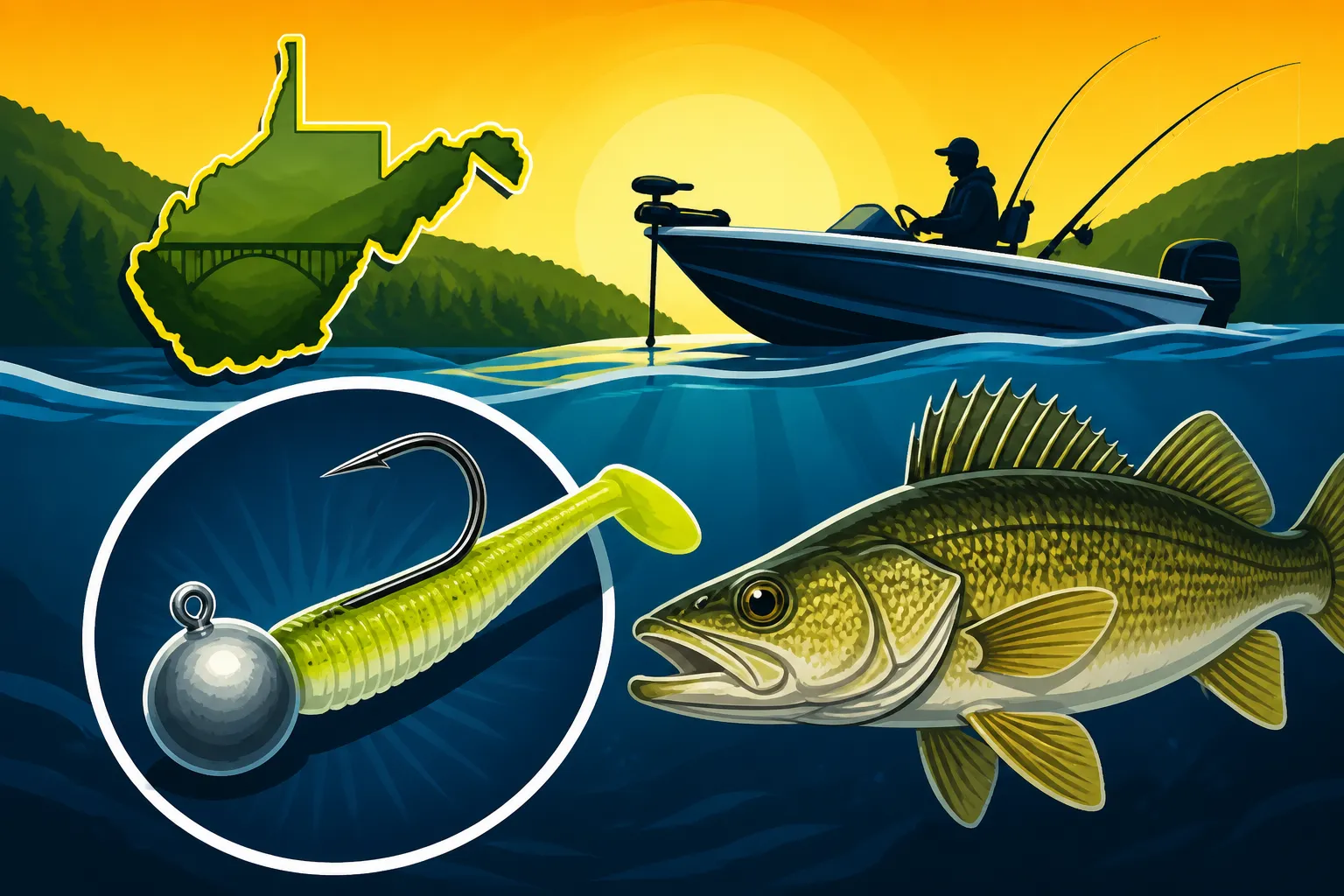
Oh, the age-old question that plagues every walleye angler, especially when you're trying to troll those elusive Mountain State giants! It's incredibly frustrating when you're out on a beautiful West Virginia lake like Summersville or Tygart, dragging a jig, and you just can't seem to find that sweet spot where your bait is ticking the bottom without getting constantly snagged. You know the walleye are down there, hugging that structure, but getting your presentation just right feels like a dark art. This guide is here to shed some light on the best jig head weights for walleye trolling, helping you understand the variables so you can confidently pick the perfect weight for any West Virginia condition and start bringing more fish to the boat.
The Nuance of Walleye Trolling with Jigs in West Virginia
Let's be real, trolling for walleye with jigs isn't always as straightforward as casting and retrieving. There are so many moving parts: your boat is moving, the current might be moving, and your jig needs to maintain a very specific position relative to the bottom. It's a dance, and the jig head weight is your primary choreographer. If you've ever spent a day snagging every rock or, conversely, wondering if your jig was even reaching the fish, you know this struggle is real.
Why Jig Head Weight is Your Secret Weapon
Think of your jig head weight as the key to unlocking the precise depth and action you need. Walleye are often bottom-oriented feeders, especially during certain times of the year or in specific conditions. When they're not actively chasing bait in open water, they're often tucked into structure – rocky ledges, submerged humps, old creek channels, or even brush piles. Trolling with a jig allows you to systematically cover these bottom-hugging areas where walleye are likely to be ambushing prey.
However, if your jig is too light, it'll ride too high in the water column, sailing over the fish's heads and never getting into their strike zone. Too heavy, and you'll be constantly digging into the bottom, leading to frustrating snags, lost tackle, and wasted fishing time. The goal is to feel that delicate "tick-tick-tick" on the bottom – just enough contact to know you're in the zone, but light enough to lift over obstructions. This constant interaction with the bottom is what makes a properly weighted jig so effective for triggering strikes from walleye. Without the right weight, you're either missing the action or losing your gear.
The Trolling Jitter: Challenges Unique to Trolling Jigs Versus Casting or Vertical Jigging
Trolling jigs for walleye presents a different set of challenges compared to other jigging methods. When you're vertical jigging, you're usually stationary or slowly drifting, allowing you to maintain very precise bottom contact with minimal line out. Casting involves a different trajectory and retrieve, often focusing on structure you can see or pinpoint. Trolling, on the other hand, means your boat is in constant motion, and your line is often extended far behind you, sometimes with multiple lines out.
This extended line and boat movement introduce drag and make it harder to feel what your jig is doing. Factors like line diameter, boat speed, and even the subtle pushes and pulls of underwater currents become magnified. A slight change in boat speed can lift a jig off the bottom or bury it deep. Plus, when you're trolling, you're often covering a lot of ground, meaning the depth and bottom composition can change rapidly. One minute you're on a flat, the next you're approaching a drop-off or a rocky hump. This constant variability demands an adaptable approach to jig weight and a keen sense of what your rod tip is telling you.
Key Factors Dictating Your Walleye Jig Head Choice
Choosing the right jig head weight isn't a "one-size-fits-all" deal; it's a careful calibration based on several environmental and equipment factors. If you walk into a Bass Pro Shops or browse online at Amazon, you'll see a dizzying array of jig heads. Knowing which one to grab comes down to understanding the conditions you'll be fishing.
Depth and Structure: Getting into the Strike Zone
The most obvious factor is the depth you're trying to fish. It makes sense, right? Fishing in 5 feet of water requires a very different approach than fishing in 35 feet. However, it's not just about reaching the bottom; it's about how the jig reaches and interacts with the bottom at that depth.
- Shallow Depths (under 10 feet): In shallower water, you generally need lighter jigs, perhaps 1/8 to 1/4 ounce. The goal here is to keep the jig from digging into the bottom too aggressively. Walleye in shallow water might be spookier, and a lighter jig can offer a more subtle, natural presentation. You want to feel it gently ticking the bottom, not plowing it.
- Moderate Depths (10-25 feet): This is often the sweet spot for many West Virginia walleye fisheries. Here, weights from 1/4 to 1/2 ounce are common. You're trying to maintain good contact without too much resistance. This range allows for versatility, letting you speed up or slow down your troll while still staying in the zone.
- Deep Depths (over 25 feet): When walleye push into deeper water, especially in summer on lakes like Summersville, you'll need heavier jigs, often 3/8 ounce up to 3/4 ounce or even 1 ounce in extreme cases. The heavier weight helps your jig get down quickly and stay down despite the longer line required. Remember, the deeper you go, the more line stretch and drag you'll encounter, making a heavier jig crucial for maintaining bottom contact.
Beyond just depth, consider the type of structure. Are you trolling over a relatively clean, sandy bottom? Or are you navigating a minefield of submerged timber, jagged rocks, and weed beds? A lighter jig might be less prone to snagging in snaggy areas, while a heavier one could get hung up more easily. Sometimes, a bullet-shaped or stand-up jig head design can also help reduce snags compared to a traditional round head.
Current and Boat Speed: The Water's Influence
Current is a huge, often overlooked factor, especially if you're fishing a river system like sections of the Ohio River or the larger impoundments where subtle flows exist. Even in large lakes, wind can create currents that impact your presentation.
- Heavy Current: If you're trolling in noticeable current, you'll need to go heavier on your jig head. The current will lift and push your jig, so more weight is required to counteract this force and keep your bait near the bottom. This is where those 1/2 to 3/4 ounce jigs really shine. Trying to use a light jig in strong current is like trying to fly a kite without wind – it just won't work effectively.
- No Current/Still Water: In calm lake conditions, you can often get away with lighter jig heads. With no current to fight, your jig can sink more naturally, and less weight is needed to maintain depth. This is where finesse presentations with lighter 1/8 or 1/4 ounce jigs can be very effective, especially if the walleye are finicky.
- Boat Speed: This factor is directly tied to weight. The faster you troll, the more water pressure pushes your line and jig up, so you'll need a heavier jig to stay at the desired depth. Conversely, if you slow down your troll, you might need to lighten your jig to prevent it from burying in the bottom. There's a delicate balance here, and experienced anglers often adjust their jig weight on the fly to match their speed and the fish's preferred retrieve. This constant adjustment is part of the art of Trolling Techniques for West Virginia Lake Walleye.
Line Type and Diameter: The Invisible Hand
Your fishing line isn't just there to connect you to the fish; it profoundly affects how your jig behaves underwater. Different line types have different densities and diameters, which in turn affect drag and sink rate.
- Monofilament Line: Mono is buoyant and has more stretch. Its larger diameter creates more drag in the water, causing your jig to ride higher than it would on other line types. If you're using mono, you might need to slightly increase your jig head weight to compensate and achieve the same depth as you would with fluorocarbon or braid.
- Fluorocarbon Line: Fluoro is denser than mono and sinks, plus it has less stretch. Its lower diameter also reduces water resistance. This means a given jig weight on fluorocarbon will sink faster and run deeper than on monofilament. It offers excellent sensitivity, which is a huge plus for feeling subtle bottom contact and light walleye bites. Many anglers prefer a Best Fluorocarbon Line for Clear River Water for its combination of low visibility and sink rate.
- Braided Line: Braid has virtually no stretch and a very thin diameter for its breaking strength, leading to minimal drag and maximum sensitivity. This means a jig on braid will sink the fastest and run the deepest compared to the same weight on mono or fluorocarbon. The extreme sensitivity of braid allows you to feel even the lightest "ticks" on the bottom or the most subtle walleye takes. However, braid is highly visible, so it's almost always paired with a fluorocarbon or monofilament leader. Using braid with a leader, you might be able to drop down a jig head size compared to pure mono for the same depth.
Bait and Presentation: The Final Touch
What you attach to your jig head also influences its descent and action. A bulky plastic grub, a large minnow, or a substantial nightcrawler will create more drag than a small soft plastic or a bare jig head.
- Live Bait: When tipping your jig with a large minnow or a juicy nightcrawler, the bait itself adds mass and creates drag. You might need to adjust your jig weight slightly to account for this added resistance, especially with larger baits. A heavier jig can sometimes help keep a lively minnow from swimming your jig off the bottom.
- Soft Plastics: The size and profile of your soft plastic grub or paddle tail will impact the jig's sink rate and action. A streamlined plastic will allow the jig to cut through the water more efficiently, while a bulkier, ribbed plastic might slow its descent. Experimentation is key here – sometimes a bulkier plastic on a slightly lighter jig can create a seductive "float and flutter" that walleye can't resist.
Matching Jig Head Weights to West Virginia Walleye Trolling Scenarios
Now that we've covered the individual factors, let's put it all together and talk about practical applications for typical West Virginia walleye scenarios. Remember, these are guidelines, and conditions can vary widely from one side of a lake to another, or even hour by hour.
Shallow Water (Under 10 feet): The Finesse Approach
When you're targeting walleye in shallow flats, around points, or near submerged weed beds that top out close to the surface, a lighter touch is usually best. This could be early in the season, during low-light conditions, or after a recent stocking where fish are cruising shallower contours.
- Recommended Weights: 1/8 ounce to 1/4 ounce.
- Why it works: These lighter weights allow your jig to maintain a natural, horizontal presentation without constantly bogging down in the bottom. You want a subtle "tick" on the bottom, mimicking a crawfish scurrying or a baitfish grazing. This light contact minimizes snags in often cluttered shallow areas and avoids spooking fish in clearer, shallower water.
- Typical Scenario: Trolling slowly along a 6-foot deep flat on Sutton Lake in the spring, using a small grub or a minnow. You're feeling occasional light contact, letting the jig bounce softly over minor undulations.
Moderate Depths (10-25 feet): The Versatile Range
This is probably the most common depth range for walleye trolling in many of West Virginia's larger impoundments like Stonewall Jackson Lake or Tygart Lake. Fish here are often holding on primary and secondary breaks, humps, or channel edges.
- Recommended Weights: 1/4 ounce to 1/2 ounce.
- Why it works: This range provides excellent versatility. A 1/4 ounce might be perfect for a slower troll over a 15-foot flat, while a 3/8 or 1/2 ounce is ideal for picking up the pace or working a 20-25 foot channel swing. You're looking for consistent bottom contact, enough to feel the contours, but not so much that you're constantly snagging. These weights allow you to adapt to slight changes in depth or current without having to re-tie.
- Typical Scenario: Working a submerged river channel at 20 feet deep on Bluestone Lake, experimenting with a slightly faster troll. A 3/8 ounce jig tipped with a plastic paddle tail or a crawler harness might be ideal, allowing that consistent "tick" even at moderate boat speeds.
Deep Water (Over 25 feet) or Strong Current: Heavy Artillery
When walleye move to the cooler, deeper sections of reservoirs during summer, or when you're contending with significant current in a river system, you'll need to beef up your jig head. This is also applicable if you're trying to achieve a faster trolling speed to cover more water or trigger aggressive strikes.
- Recommended Weights: 3/8 ounce to 3/4 ounce, potentially 1 ounce in extreme current or depth.
- Why it works: Heavy jigs are essential for cutting through the water column quickly and staying anchored near the bottom despite long lengths of line and increased drag. Without sufficient weight, your jig will "fly" too high, making it impossible to stay in the walleye's deep-water haunts. While snags can be more prevalent with heavier jigs, the trade-off is often worth it for getting into the strike zone.
- Typical Scenario: Trolling a 35-foot deep hump on Summersville Lake in mid-summer, or perhaps trying to fish a deep current seam on the Ohio River. A 1/2 ounce or even 3/4 ounce jig might be necessary to get your bait down effectively and maintain that critical bottom contact. This is often where anglers consult their Best Fish Finders for West Virginia Lakes to pinpoint those deeper structures.
Walleye Trolling Jig Head Weight Quick Reference
To help you visualize, here's a general guide. Remember to adjust based on current, line type, and bait!
| Scenario | Depth (feet) | Current | Boat Speed | Recommended Jig Weight (oz) |
|---|---|---|---|---|
| Shallow, Slow, Finesse | 0-10 | Light | Slow | 1/8 – 1/4 |
| Moderate, Standard | 10-20 | Moderate | Medium | 1/4 – 3/8 |
| Moderate, Aggressive | 15-25 | Moderate | Fast | 3/8 – 1/2 |
| Deep, Standard | 25+ | Light | Medium | 1/2 – 3/4 |
| Deep, Strong Current | 25+ | Strong | Medium-Fast | 3/4 – 1 |
Remember, these are starting points. The real answer often lies in how your jig feels through your rod and line.
Elevating Your Walleye Trolling Game Beyond Just Weight
While jig head weight is paramount, it's just one piece of the puzzle. To consistently fool West Virginia walleye while trolling, you need to pay attention to your entire setup and approach.
The "Feel" Factor: Learning to Read Your Line and Rod
This is arguably the most important skill for successful walleye jig trolling. You need to develop a tactile connection with your jig. With the right rod, you should be able to feel every bump, tick, and grind of your jig on the bottom.
- The Ideal Contact: You want to feel a rhythm of "tick-tick-pause-tick-tick." This means your jig is making intermittent contact with the bottom, but not dragging continuously. If it's silent, you're likely too high; if it's constant grinding or snagging, you're too heavy.
- Interpreting Bites: Walleye bites, especially when trolling, can be incredibly subtle. Sometimes it's a soft "thump," other times it's just a feeling of your jig getting "heavy" or your line suddenly going slack for a split second. A sensitive rod and line are crucial for detecting these nuances. You can find a wide range of sensitive rods perfect for this at retailers like Bass Pro Shops.
- Adjusting on the Fly: As depth changes, don't be afraid to make small adjustments. A quick lift of the rod tip can clear a small snag. A momentary increase in boat speed can lift your jig over a hump. If you suddenly lose bottom contact, a slight decrease in speed or a quick pause might get you back in the zone.
Rod, Reel, and Line Setup: The Right Tools for the Job
Your equipment plays a massive role in how effectively you can troll jigs. Using gear that's too heavy or too light will hinder your ability to feel the bottom and detect those subtle walleye bites.
- Rods: Look for a rod with a sensitive tip and a good backbone. A medium-light to medium power rod, typically 6'6" to 7'6" in length, with a fast or extra-fast action, is often ideal. The sensitive tip allows you to feel those delicate bottom ticks and light bites, while the backbone gives you the power to set the hook and fight a walleye. Check out a guide on Best Fishing Rods for West Virginia Rivers for more details on suitable rod types.
- Reels: A smooth spinning reel in the 2000-3000 series or a baitcasting reel with a reliable drag system is perfect. The key is smooth line retrieve and a drag that won't falter when a good walleye takes off.
- Line: As discussed, braided line with a fluorocarbon leader is often preferred for its sensitivity and low stretch, allowing you to feel everything. If you prefer mono, use a high-quality, low-stretch option. Remember that line diameter and type will directly influence the effective weight of your jig head.
Experimentation is Key: Don't Be Afraid to Change it Up
No two days on the water are exactly alike. The fish's mood, the water clarity, the weather – all these things can influence how walleye react to your presentation. Don't get stuck on one jig head weight if it's not working.
- Start with a Baseline: Use the guidelines above to pick a starting weight based on your depth, current, and speed.
- Observe and Adjust: Pay attention to what your rod is telling you. If you're constantly snagging, go lighter. If you're not feeling the bottom at all, go heavier. If you're getting short strikes or no bites, try changing up your bait, but also consider if your jig is presenting naturally.
- Vary Your Presentation: Sometimes, subtle changes in boat speed, line out, or even a slight twitch of the rod can make a huge difference. The goal is to make your jig look as natural and appealing as possible to those hungry walleye. You might even find that some walleye respond better to a faster presentation while others prefer a slower, more deliberate troll. Knowledge about Best Time of Day to Catch Walleye in West Virginia can also help inform these decisions.
Learning the art of choosing the right jig head weight for walleye trolling in West Virginia takes practice, but by understanding these factors and paying close attention to what your gear and the fish are telling you, you'll be well on your way to more successful and less frustrating days on the water. Now go forth, experiment, and enjoy the thrill of hooking into those elusive Mountain State walleye!
Disclaimer
This article is for general informational purposes only and does not constitute professional advice. Laws, prices and regulations vary by location and change over time. Consult a qualified professional for guidance on your specific situation.