Best fluorocarbon leader for clear water bass
There's nothing quite as frustrating as spotting a big, wary bass lurking in crystal-clear West Virginia waters, only for it to vanish the moment your line comes into view. Our beautiful rivers and lakes, with their pristine clarity, often make bass incredibly line-shy, turning what should be an exciting catch into a missed opportunity. This comprehensive guide will delve into the world of fluorocarbon leaders, explaining why they are your secret weapon for fooling even the most discerning clear-water bass and how to get the most out of them.
The Unseen Advantage: Why Fluorocarbon Reigns Supreme for Clear Water Bass
When you're staring into water so clear you can count the rocks on the bottom, the last thing you want is a highly visible fishing line spooking your target. This is where fluorocarbon leaders truly shine, offering a significant edge over traditional monofilament or braided lines, especially when targeting bass that have seen it all.
The "Invisible" Illusion
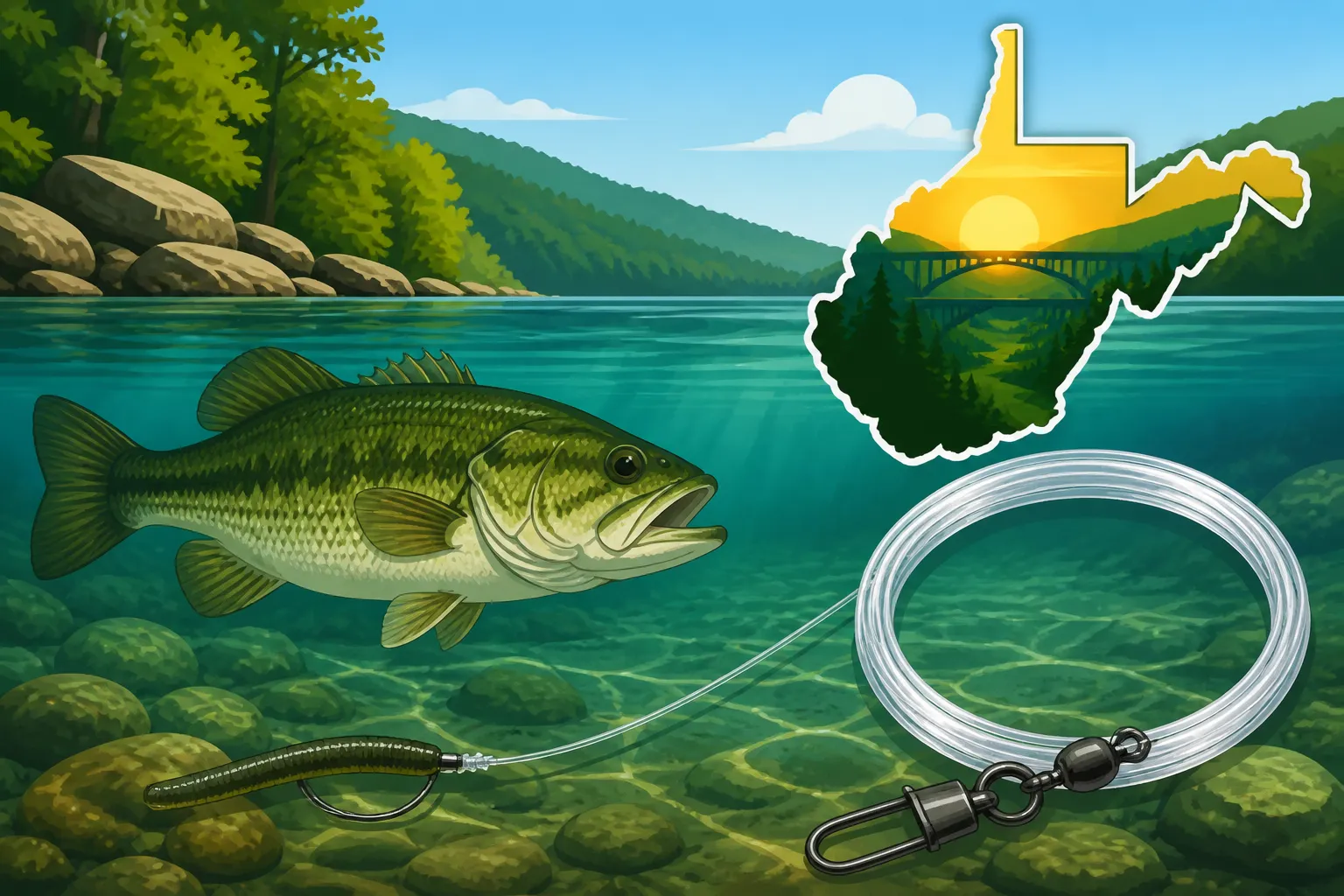
The primary reason fluorocarbon has become a staple for clear water scenarios is its near-invisibility underwater. Unlike monofilament, which has a refractive index that's quite different from water (making it stand out like a neon sign), fluorocarbon's refractive index is incredibly close to that of water itself. Think of it like a chameleon blending into its surroundings; the light bends through it almost seamlessly.
This optical illusion is crucial for tricking bass, particularly in the gin-clear sections of the New River or the crystal-blue depths of Summersville Lake. Bass are sight feeders, and if they can easily detect your line, they're far more likely to turn their noses up at your perfectly presented bait, no matter how enticing it looks. Using a fluorocarbon leader creates a natural presentation that makes your lure or bait appear to be free-swimming, unattached to any visible line, which can be the difference between a frustrating refusal and a solid hook-up.
Sensitivity and Strength Under Pressure
Beyond its stealth, fluorocarbon offers a fantastic combination of sensitivity and strength that is indispensable for bass fishing. Fluorocarbon is less stretchy than monofilament, meaning it transmits vibrations from bites, subtle bottom changes, and even the action of your lure directly to your rod tip with remarkable efficiency. This heightened sensitivity allows you to detect the most delicate takes, especially when bass are sluggish or just nipping at your bait.
Furthermore, fluorocarbon is incredibly abrasion resistant. This is a huge benefit when fishing around common bass haunts like rocky bottoms, submerged timber, or thick brush piles—all prevalent features in many West Virginia waterways. A fluorocarbon leader can withstand a surprising amount of abuse against sharp structures that would quickly fray and compromise a monofilament line, giving you confidence when fighting a hard-pulling bass in challenging environments. It's also dense, causing it to sink faster than monofilament, which can be advantageous when you want your lure to get down to the strike zone quickly or stay deeper in the water column.
Overcoming Bass's Wariness
West Virginia bass, especially those in popular fishing spots that see a lot of angler pressure, can become incredibly wary. They learn quickly, and a visible line is often the first thing they identify as "unnatural." This is particularly true for larger, more experienced fish that have escaped capture before. A fluorocarbon leader addresses this specific challenge head-on.
Imagine you're casting a finesse worm into a shallow, calm cove on Bluestone Lake, trying to tempt a sluggish largemouth. If that bass sees a thick, shiny line extending from your lure, its natural instinct is to be suspicious. By attaching a fluorocarbon leader, you eliminate that visual cue, allowing the bass to focus solely on your bait. This subtle change in presentation can often be the deciding factor in triggering a strike from those notoriously finicky fish. It’s about building confidence in your setup, knowing you've minimized one of the biggest deterrents to a bass taking the bait. For more on targeting these elusive fish, you might find Smallmouth Bass Fishing in West Virginia to be an illuminating read.
Choosing the Right Fluorocarbon Leader: Key Considerations
Selecting the perfect fluorocarbon leader isn't a one-size-fits-all situation. Several factors come into play, from the size of the bass you're targeting to the specific conditions you're fishing in. Understanding these nuances will help you rig up for maximum success.
Pound Test and Diameter: Finding the Balance
The pound test of your fluorocarbon leader directly correlates with its diameter and strength. Generally, the clearer the water and the more pressured the fish, the lighter you'll want to go on your leader. However, you also need enough strength to handle the fish you expect to catch and withstand potential abrasion.
For smallmouth bass in exceptionally clear rivers like the New River, where fish can be incredibly picky, a 6 to 8-pound test fluorocarbon leader is often ideal. This lighter line offers maximum stealth. For largemouth bass in slightly stained or deeper clear lakes, or when targeting larger fish, you might bump up to 10 or even 12-pound test. The key is to find the lightest line that still provides adequate strength for your fishing situation. Too heavy, and you lose the "invisible" advantage; too light, and you risk break-offs. It's a delicate balance that often comes with experience.
| Leader Pound Test | Target Species/Size | Typical Water Clarity | Recommended Lure Types |
|---|---|---|---|
| 6 lb | Smallmouth, Finesse | Ultra-Clear, High Pressure | Drop Shots, Finesse Worms, Small Jigs |
| 8 lb | Medium Bass, Trout | Clear to Lightly Stained | Small Crankbaits, Jerkbaits, Tubes |
| 10 lb | Larger Bass (General) | Clear to Moderate Stain | Spinnerbaits, Medium Crankbaits, Texas Rigs |
| 12 lb | Trophy Bass, Cover | Moderately Clear, Heavy Cover | Jig & Pig, Larger Swimbaits, Frogs |
| 15 lb+ | Heavy Cover, Muskie | Stained, Very Heavy Cover | Flipping/Pitching Jigs, Large Topwaters |
Length Matters: Short vs. Long Leaders
The length of your fluorocarbon leader can significantly impact your presentation and knot integrity. There's no hard-and-fast rule, as it often depends on personal preference and fishing style, but some guidelines can help.
A shorter leader, typically 18 inches to 3 feet, is common when you're frequently re-tying lures or fishing in situations where the main line might still be somewhat visible (though less so if using braid). This length provides enough separation between your main line and the lure to leverage the fluorocarbon's stealth without becoming cumbersome for casting. However, a shorter leader means more frequent re-tying of your main line knot, especially if you get a lot of abrasion near the lure.
A longer leader, anywhere from 4 to 10 feet or more, maximizes the stealth advantage and is particularly useful in extremely clear, open water. With a longer leader, your lure is presented far away from any visible main line. This is especially effective when fishing clear flats or targeting very skittish bass. The downside is that casting can be more challenging, especially with spinning gear, as the knot connecting your main line to the leader might go through the rod guides. You'll need to develop a smooth casting stroke to avoid snags and maintain knot integrity. When river fishing, especially for species like smallmouth, understanding these subtle distinctions can make all the difference, as explored in How to Catch Smallmouth Bass in West Virginia Rivers.
Brand Considerations and Quality
Not all fluorocarbon is created equal. The quality of the material can vary greatly between brands, affecting everything from knot strength and abrasion resistance to suppleness and overall manageability. Investing in a reputable brand is usually worth it to avoid frustrating break-offs and ensure consistent performance.
Many anglers have their personal favorites, but brands like Seaguar, Sunline, and Berkley Vanish are often highly regarded for their fluorocarbon leader materials. These brands offer different lines tailored for specific applications, such as their "InvizX" or "Gold Label" options, which are often thinner yet incredibly strong. You can usually find a good selection of these at sporting goods stores like Bass Pro Shops, where you can compare different options in person. For online shoppers, Amazon also carries a wide array of fluorocarbon leader materials from virtually every manufacturer, making it convenient to research and select the best fit for your West Virginia fishing adventures. When stocking up, it's always wise to have a few different pound tests on hand to adapt to changing conditions on the water.
Rigging Your Fluorocarbon Leader for Success
Once you've chosen the right fluorocarbon leader, the next critical step is properly rigging it. The knots you use and how you connect your leader to your main line are paramount for maintaining strength, sensitivity, and ultimately, ensuring you don't lose that trophy bass.
Knots for Fluorocarbon: What Works Best
Fluorocarbon can be a bit finicky with knots. Its stiffer, less stretchy nature means some knots that work perfectly for monofilament can slip or break when tied with fluorocarbon. It's essential to use knots specifically designed to cinch down tightly and distribute tension evenly without cutting into the line itself.
For tying your fluorocarbon leader to your lure, the improved clinch knot or the Palomar knot are fantastic choices. The Palomar knot is particularly strong and easy to tie, even with stiffer fluorocarbon, and it's highly recommended. Always make sure to wet your line generously with saliva before cinching down any knot with fluorocarbon. This lubrication prevents friction burn, which can weaken the line significantly. Pull slowly and steadily to ensure the knot seats properly. If you're using larger diameter fluorocarbon, a Non-Slip Mono Loop Knot can be excellent for lures that need maximum freedom of movement, like jerkbaits or swimbaits, allowing them to exhibit their full action.
Connecting to Mainline: Swivel or Direct Knot?
The connection between your braided main line (which is common for its strength and sensitivity) and your fluorocarbon leader is perhaps the most crucial knot in your entire setup. There are two primary approaches: using a swivel or tying a direct line-to-line knot.
Using a Swivel: A high-quality barrel or ball-bearing swivel can be a simple and effective way to connect your main line to your leader. You simply tie your braided main line to one end of the swivel and your fluorocarbon leader to the other. This method is generally quicker and less intimidating for beginners. It also helps reduce line twist, which can be an issue with certain lures. The downside is that the swivel adds a small piece of hardware that can be seen by fish, and it creates a "hinge point" that could potentially snag weeds or debris. However, in many situations, the benefits outweigh the drawbacks, especially if you're using a small, dark swivel.
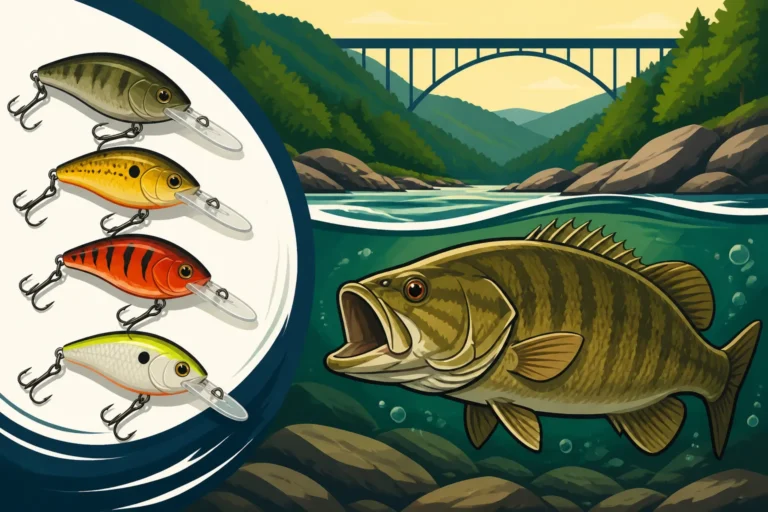
Direct Line-to-Line Knots: For the most seamless and strongest connection, many experienced anglers opt for a direct line-to-line knot. The FG knot is widely considered the strongest and most streamlined knot for connecting braid to fluorocarbon, sliding through rod guides with minimal friction. It requires a bit of practice to master but is incredibly reliable once tied correctly. Other excellent options include the Alberto knot (also known as the Modified Albright) and the Double Uni knot. The Double Uni is easier to tie on the water but can be bulkier than the FG or Alberto. Whichever knot you choose, remember to wet the line thoroughly before cinching and pull firmly to ensure it's tight. A well-tied direct knot creates a nearly invisible and incredibly strong connection, allowing your fluorocarbon leader to do its job unimpeded. To learn more about effective lure choices, check out Best Crankbaits for West Virginia Smallmouth Bass.
Leader-to-Lure Connections: Presentation is Key
Once your leader is connected to your main line, the final step is attaching your lure or hook. As mentioned, the improved clinch or Palomar knots are generally excellent for direct connections. However, sometimes you want your lure to have even more freedom of movement, especially with certain crankbaits, jerkbaits, or topwater lures.
For these situations, a small, strong snap or a snap swivel can be used. A snap allows for quick lure changes, which is a huge advantage when you're trying to dial in the bite. Just be sure to use high-quality, muted-finish snaps that are appropriately sized for your lure and leader strength. An oversized or shiny snap can negate the stealth benefits of your fluorocarbon leader. When using a snap, tie your fluorocarbon leader directly to the snap using an improved clinch or Palomar knot. This approach ensures your lure can swim with its intended action, giving it the most natural presentation possible. Understanding these connections is as important as choosing the right rod, as discussed in Best Fishing Rods for West Virginia Rivers.
Maintenance and Best Practices for Longevity
Fluorocarbon leaders are an investment, and like any good piece of fishing gear, they perform best with proper care and attention. A little maintenance goes a long way in ensuring your leaders remain strong, stealthy, and reliable trip after trip.
Checking for Abrasion
After every fish, or even after a few casts in rough terrain, it's absolutely crucial to run your fingers carefully along the entire length of your fluorocarbon leader, especially the last few feet closest to your lure. You're feeling for nicks, scuffs, or any rough spots that indicate abrasion. Even a tiny imperfection can compromise the line's integrity, turning a strong leader into a weak link that will break under pressure.
If you detect any sign of abrasion, don't hesitate: cut off the damaged section and re-tie your lure. It's far better to sacrifice a few inches of leader than to lose a trophy bass due to a preventable break-off. In environments like the rocky bottom sections of the New River or around the submerged brush piles of Summersville Lake, checking for abrasion frequently is non-negotiable. This diligent inspection will save you heartache and lost lures. You might also want to consult New River Smallmouth Bass Fishing for specific challenges in that area.
Storage and Handling
The way you store and handle your fluorocarbon leader material can greatly impact its performance. When you buy a spool of fluorocarbon, keep it in its original packaging as much as possible, away from direct sunlight and extreme heat, which can degrade the line over time. Avoid kinks or sharp bends in the line, as these can create permanent weak points.
When cutting a new section for a leader, use sharp scissors or line clippers to make a clean cut. Ragged edges can make knot tying difficult and weaken the knot. If you pre-tie leaders, store them on small leader wheels or wraps to keep them straight and organized, preventing tangles and memory issues. Many anglers carry a small tackle box or bag specifically for their leader spools and pre-tied setups, ensuring they're protected and ready for quick deployment on the water. This also applies to other types of gear, such as what's recommended in Best Kayak for the New River or Best Baits for Smallmouth Bass on the New River.
When to Replace Your Leader
Knowing when to completely replace your fluorocarbon leader isn't just about visible damage; it's also about preventing potential issues before they arise. Even without obvious nicks, a leader that has been used extensively can develop "memory" (it retains the coil from the spool), become slightly stretched, or degrade from UV exposure.
As a general rule, if you've been fishing hard all day, especially with a lot of fish catches or contacts with structure, it's a good idea to consider replacing your leader entirely for your next outing. For casual fishing, if the leader feels stiff, has a lot of coil memory, or if you've had to re-tie your lure multiple times, it’s probably time for a fresh one. Don't push your luck. A fresh, properly tied fluorocarbon leader is a small price to pay for the confidence it gives you when that big bass finally bites. Thinking about optimal timing for fishing, Best Time of Year to Fish in West Virginia offers broader seasonal insights.
Disclaimer
This article is for general informational purposes only and does not constitute professional advice. Laws, prices and regulations vary by location and change over time. Consult a qualified professional for guidance on your specific situation.