Best Tackle for West Virginia Smallmouth Bass
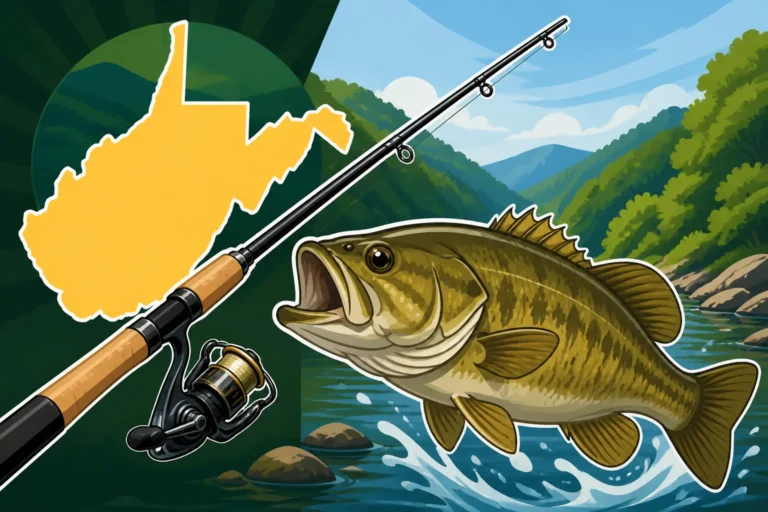
Fishing for smallmouth bass in West Virginia's rivers and lakes is an incredibly rewarding experience, but the sheer volume of tackle options out there can leave even seasoned anglers feeling overwhelmed. Choosing the right gear is absolutely essential for consistently hooking into those feisty bronzebacks. This comprehensive guide will cut through the clutter, helping you understand exactly what tackle you need to conquer West Virginia's diverse smallmouth waters, from the fast-flowing New River to the clear, rocky bottoms of Summersville Lake.
Understanding West Virginia Smallmouth Bass Behavior & Habitat
Before you even think about what lure to tie on, it's crucial to understand the fish you're targeting. West Virginia's smallmouth bass are creatures of habit, but those habits can vary wildly depending on whether they're in a sprawling reservoir or a roaring river. Knowing their environment and what they're naturally eating will drastically improve your tackle choices and, ultimately, your success.
River vs. Lake Smallmouth Differences
West Virginia is blessed with both incredible smallmouth rivers and productive smallmouth lakes, and the differences in these environments directly impact how the bass behave and what tackle works best. River smallmouth, like those found in the New River or the South Branch Potomac, are typically leaner, meaner, and incredibly strong due to constantly battling current. They tend to relate to current breaks, eddies, rocky points, and submerged timber, actively hunting for food that drifts by. Their diet often consists of crawfish, hellgrammites, minnows, and small baitfish, requiring lures that mimic these prey items and can be presented effectively in moving water. You'll often find them tucked behind boulders or in deeper runs, ready to ambush.
Lake smallmouth, on the other hand, such as those in Summersville Lake or Tygart Lake, often grow larger and chunkier. They might not fight the current, but they're masters of open water and deep structure. These bass relate to points, humps, ledges, submerged islands, and deep rock piles. Their food sources are similar but often include a higher proportion of schooling baitfish like shad, as well as crawfish and perch. Fishing for lake smallmouth often involves covering more water, using electronics to find deep structure, and presenting lures that can reach those depths or imitate schools of bait. The tackle needs for these two distinct environments will shift quite a bit.
Key Forage and Their Influence on Lure Choice
Smallmouth bass are opportunistic predators, but they definitely have preferences, and those preferences are usually dictated by what's readily available in their environment. Understanding their primary food sources is like having a secret weapon for selecting the perfect lure. In West Virginia, crawfish are arguably king for river smallmouth. These crustaceans live among the rocks and gravel, and a smallmouth will rarely pass up an easy meal. This means jigs with crawfish-imitating skirts, soft plastic craws, and even small crankbaits in natural brown, green, or orange patterns are absolute must-haves.
Beyond crawfish, various baitfish are critical. Minnows, shiners, darters, and even juvenile panfish are on the menu. This calls for lures that mimic baitfish profiles and erratic movements: jerkbaits, small swimbaits, flukes, and spinnerbaits. Insects also play a role, especially hellgrammites, which are abundant in many of our rivers. Dark-colored tubes, grubs, and creature baits can imitate these bug-like morsels perfectly. When smallmouth are focused on a specific food source, matching the hatch, so to speak, can be the difference between a slow day and a banner one. For more insights on what these bronze beauties crave, check out Best Baits for Smallmouth Bass on the New River.
Seasonal Movements and Water Conditions
Smallmouth bass are incredibly sensitive to water temperature and flow, leading to predictable seasonal movements that will dictate your tackle choices. In early spring, as water temperatures rise from the chilly winter, smallmouth begin to move from their deep wintering holes to shallower, sun-warmed areas, often congregating near spawning grounds. This is a great time for slower presentations with jigs, suspending jerkbaits, or even slowly worked crankbaits. As the water warms further and they move into their spawning phase, they can become quite aggressive, but also protective.
Summer brings warmer water, and smallmouth will often seek out current breaks, deeper pools, or submerged cover for cooler, oxygenated water. This is prime time for topwater action in the mornings and evenings, and faster moving baits like crankbaits and spinnerbaits during the day. As fall approaches and water temperatures drop again, smallmouth go on a feeding frenzy, trying to fatten up for winter. They can be incredibly aggressive, chasing larger baitfish patterns with big crankbaits, swimbaits, and even muskie-sized bucktails if you're chasing truly giant smallmouth. During the colder months, they retreat to deep, slow pools, making slow-moving jigs and finesse presentations key. Always consider the current conditions – clear water often calls for more natural colors and subtle presentations, while stained or muddy water might require brighter colors and more vibration.
The Essential Rod & Reel Combos for Smallmouth
Your rod and reel are the direct connection to the fish, and choosing the right combination can dramatically improve your casting accuracy, sensitivity, and ability to fight powerful smallmouth. While there's no single "best" setup for everything, having a few versatile combos in your arsenal will prepare you for nearly any situation West Virginia's smallmouth waters throw at you.
Spinning Rods for Finesse & Versatility
Spinning gear is often the first choice for smallmouth anglers, especially when using lighter lines and smaller baits. A good spinning rod and reel combo offers unparalleled versatility, making it ideal for casting lightweight lures with precision, such as small jigs, soft plastic tubes, or tiny crankbaits. For West Virginia smallmouth, a medium-light to medium power spinning rod, typically 6'6" to 7'2" in length, with a fast or extra-fast action, is a fantastic all-around option. This setup provides enough backbone to handle a feisty bass but maintains the sensitivity needed to detect subtle bites.
The fast action means the rod bends mostly in the tip, allowing for excellent lure control and quick hooksets. Pair this with a reliable spinning reel in the 2000-3000 size range. Look for smooth drag systems, as smallmouth are notorious for their sudden, powerful runs. Many anglers start their smallmouth journey with spinning gear because it's easier to learn, less prone to backlashes, and incredibly effective for finesse techniques, which often shine in clear rivers and when fish are finicky. You can find excellent options from brands like Shimano and Daiwa, readily available at retailers like Bass Pro Shops or through online shops on Amazon. If you're looking for more details on this foundational setup, consider reading Best Spinning Rods for Smallmouth Bass.
Baitcasting Setups for Power & Precision
While spinning gear handles the finesse, baitcasting setups are where you turn for power, accuracy, and casting heavier lures. For smallmouth anglers targeting bigger fish or fishing in areas with dense cover, a baitcasting combo is indispensable. A medium-heavy power baitcasting rod, typically 6'8" to 7'6" in length, with a fast action, is a common choice. This setup excels with larger crankbaits, spinnerbaits, heavier jigs, and bigger topwater lures. The increased power allows for more aggressive hooksets and better control when battling a strong fish near structure.
Baitcasting reels offer superior line control and torque, making them ideal for pulling fish out of current or submerged timber. Gear ratio is also an important consideration: a faster gear ratio (7.1:1 or higher) is great for quickly working lures or taking up slack after a strike, while a slower gear ratio (6.4:1 or lower) provides more power for deep-diving crankbaits or winching in stubborn fish. Mastering a baitcaster takes a little practice to avoid backlashes, but the benefits in terms of precision, power, and handling heavier presentations are well worth the effort.
Matching Rod Action and Power to Lure Weight
One of the most common mistakes anglers make is using the wrong rod for their chosen lure. Rod power refers to the rod's strength or its ability to handle line and lure weights. It ranges from ultralight to heavy. Rod action describes where the rod bends when pressure is applied, typically fast (bends in the tip), moderate-fast (bends in the top third), or moderate (bends in the middle). For smallmouth, having rods with different powers and actions allows you to optimize your presentation and hook-setting ability.
For instance, a medium-light, fast-action spinning rod is perfect for tiny 1/16 oz jigs or small soft plastics, offering maximum feel and castability for these delicate baits. On the other hand, a medium-heavy, fast-action baitcasting rod is ideal for throwing 1/2 oz spinnerbaits or deep-diving crankbaits. The stiffer backbone allows you to drive the hook through tough mouth cartilage and gives you the leverage to cast heavier baits accurately. Using a rod that's too light for a heavy lure will hinder casting distance and accuracy, and a rod that's too heavy for a light lure will make it difficult to feel bites and impart proper action. It's a balance, and understanding this relationship is key to becoming a more effective smallmouth angler.
Line Choices: Connecting You to the Fight
The fishing line is your only connection to the fish, and its importance cannot be overstated. With smallmouth bass, especially those in clear West Virginia waters, the wrong line choice can spook fish, hinder your lure's action, or even lead to lost fish. Understanding the different types of lines and when to use them is a critical part of building an effective tackle setup.
Braided Line for Sensitivity and Strength
Braided line has become a favorite among many smallmouth anglers, and for good reason. Its primary advantages are its incredible sensitivity, strength-to-diameter ratio, and lack of stretch. Braided line transmits even the most subtle bites directly to your rod tip, which is a huge advantage when fishing deep water or when smallmouth are barely tapping a lure. You can feel every bump, every rock, and every light bite. Its strength means you can use a thinner diameter line compared to mono or fluoro, which can improve casting distance and cut through vegetation more easily.
However, braided line is highly visible, which can be a deterrent in clear water. It also floats, which isn't ideal for all presentations. This is why many anglers pair braided mainline (typically 10-20 lb test for smallmouth) with a fluorocarbon leader. The braid gives you the sensitivity and strength, while the virtually invisible fluorocarbon leader provides stealth at the business end. This combination is particularly effective for jigs, soft plastics, and any technique where feeling the bottom or a light bite is paramount.
Fluorocarbon Leaders for Stealth
Fluorocarbon line is arguably the most essential leader material for smallmouth bass fishing, especially in West Virginia's clearer rivers and lakes. The primary advantage of fluorocarbon is its refractive index, which is very similar to water, making it nearly invisible underwater. This stealth factor is crucial for wary smallmouth that might shy away from a visible line. Beyond its invisibility, fluorocarbon offers excellent abrasion resistance, which is vital when fishing around rocky bottoms, submerged timber, or shell beds where smallmouth often hide.
It also sinks, which can help get your lures down faster and keep them in the strike zone, especially with jigs and soft plastics. Typically, anglers will use 6-12 lb test fluorocarbon for smallmouth leaders, connecting it to a braided mainline with a strong knot like the FG knot or a double-uni knot. The length of your leader can vary, but a 3-6 foot leader is a common starting point, allowing for multiple re-ties if needed. When smallmouth are finicky or the water is crystal clear, a good fluorocarbon leader can make all the difference. You can find high-quality fluorocarbon from brands like Seaguar and P-Line, readily available on Amazon or in specialty tackle shops. Learn more about its advantages in Best Fluorocarbon Line for Clear River Water.
Monofilament for Topwater & Shock Absorption
While braid and fluorocarbon dominate many techniques, good old monofilament still has a vital place in the smallmouth angler's tackle box. Monofilament's key characteristics are its buoyancy, stretch, and ease of use. The stretch in monofilament acts like a shock absorber, which can be beneficial when fighting hard-charging smallmouth, preventing hooks from tearing out of their mouths. It's also more forgiving when a fish makes a sudden run or jumps.
The buoyancy of monofilament makes it an excellent choice for topwater lures, as it helps them float and walk across the surface more effectively. If you're throwing poppers, walking baits, or buzzbaits, a 10-14 lb test monofilament can give your lures the perfect action and increase your hook-up ratio. It's also generally more affordable than fluorocarbon or braid. While not as sensitive as braid, for certain applications, monofilament can be the superior choice. Many anglers will keep a dedicated topwater rod spooled with mono, ready for those explosive surface strikes.
Topwater Temptations: Explosive Strikes
There's nothing quite like the heart-stopping excitement of a smallmouth bass exploding on a topwater lure. These surface strikes are often aggressive and visual, making topwater fishing one of the most thrilling ways to target these hard-fighting fish. West Virginia's rivers and lakes offer fantastic topwater opportunities, especially during warmer months or low-light conditions.
Poppers and Walk-the-Dog Lures
Poppers and walk-the-dog style lures are two iconic topwater baits that every smallmouth angler should have. Poppers, with their cupped faces, create a "pop" and splash when twitched, mimicking a struggling baitfish or an insect falling into the water. This sound and commotion can draw smallmouth from surprisingly deep water or heavy cover. Colors like natural shad, chrome, or even frog patterns work well. The key is to vary your retrieve, sometimes a quick pop-pause, other times a series of rapid pops followed by a longer pause, letting the ripples dissipate.
Walk-the-dog lures, like the classic Heddon Super Spook, glide and zigzag across the surface when retrieved with a rhythmic side-to-side twitching motion. This imitates a frantic baitfish trying to escape. The walk-the-dog retrieve takes a little practice to master, but once you get it down, it's incredibly effective. These lures excel in open water and over submerged grass beds, where bass can track them from a distance. Both poppers and walkers are fantastic when smallmouth are active and looking up, especially in the early mornings, late evenings, or on overcast days. For more tips on getting those surface strikes, check out Best Topwater Lure for Dawn Smallmouth Fishing.
Buzzbaits and Prop Baits
When you want to create a ruckus on the surface, buzzbaits and prop baits are your go-to options. Buzzbaits feature a propeller blade that rotates and gurgles on the surface as you retrieve them, creating a distinct commotion that aggressive smallmouth can't resist. They are excellent for covering water quickly, especially over shallow flats, around stump fields, or along weed lines. The constant noise and splash trigger reaction strikes, and bass often inhale them with incredible force. White, chartreuse, or black skirts are popular choices, often with a trailer hook to catch short strikers.
Prop baits, like the Berkley Choppo or Rapala X-Rap Pop, feature one or two small propellers on the nose or tail (or both) that spin and churn water, creating a disturbance similar to a fleeing baitfish. These baits can be retrieved steadily for a constant buzz or twitched and paused to create a more subtle commotion. Prop baits are often a good choice when fish are hitting buzzbaits but aren't quite committing, as they can be worked slower and more deliberately. Both types of lures are fantastic for enticing explosive topwater strikes from aggressive smallmouth, particularly in stained water where the sound and vibration help fish locate the bait.
Subsurface Staples: Cranking, Jigging, and Jerking
While topwater action is exhilarating, most smallmouth fishing happens beneath the surface. Crankbaits, jigs, and jerkbaits are the bread and butter of many anglers, offering versatile ways to target smallmouth at various depths and in different conditions. Mastering these presentations will significantly expand your smallmouth catching capabilities.
Crankbaits for Covering Water
Crankbaits are fantastic search baits, allowing you to cover vast amounts of water quickly and efficiently. They come in a dizzying array of shapes, sizes, and diving depths, making them incredibly versatile. Shallow-diving crankbaits (0-5 feet) are perfect for fishing over shallow flats, along rocky banks, or around visible cover in rivers. Medium-diving crankbaits (6-12 feet) excel on points, humps, and ledges in lakes, or in deeper river runs. Deep-diving crankbaits (13+ feet) are essential for targeting offshore structure in reservoirs.
The key to successful crankbait fishing is to select a bait that "grinds" the bottom or bumps into structure, mimicking a crawfish or baitfish rooting around. The deflection off these obstacles often triggers a strike. Look for natural crawfish patterns (browns, greens, oranges) or baitfish patterns (shad, perch) depending on the forage. Retrieving a crankbait at different speeds and incorporating pauses can also be highly effective. The vibration and erratic action are irresistible to active smallmouth. Brands like Rapala, Strike King, and Norman offer excellent crankbait options for West Virginia smallmouth. For specific recommendations, check out Best Crankbaits for West Virginia Smallmouth Bass.
Jigging for Structure-Oriented Bass
Jig fishing is a classic and incredibly effective technique for smallmouth bass, particularly when they are holding tight to structure or are less active. Jigs imitate everything from crawfish to baitfish to hellgrammites, and their versatility is unmatched. The most common jigs for smallmouth are skirted jigs (often called football or arkie jigs) and hair jigs. Skirted jigs, paired with a craw-style trailer, are excellent for imitating crawfish, especially when fished slowly along the bottom, hopping or dragging them over rocks and ledges.
Hair jigs, often made with bucktail or marabou, are incredibly effective in cold water or when fish are finicky. Their subtle breathing action is irresistible. Micro jigs, often 1/8 oz or lighter, are fantastic for ultralight spinning gear in clear, shallow streams, mimicking small insects. The key to jigging is maintaining bottom contact and feeling for subtle changes or light taps. Vary your retrieve, from sharp hops to slow drags, until you find what the fish prefer. Jigging is often a more deliberate, slower presentation, but it consistently catches some of the biggest smallmouth, especially those relating to deep river pools or submerged lake structure. If you’re looking for options, you'll find a great selection of hair jigs and skirted jigs at Bass Pro Shops.
Jerkbaits for Mimicking Dying Baitfish
Jerkbaits are phenomenal lures for imitating injured or dying baitfish, and they are incredibly effective for smallmouth bass throughout much of the year, especially in cooler water. These slender, hard-bodied baits are designed to be retrieved with a "twitch, twitch, pause" cadence, creating an erratic, darting action followed by a tantalizing suspension. It's during that pause that many smallmouth will smash the bait, unable to resist an easy meal.
Jerkbaits are particularly deadly in clear water conditions where smallmouth rely heavily on their sight. Look for realistic baitfish patterns in shad, minnow, or perch colors. Suspending jerkbaits, which hover at a specific depth during the pause, are often preferred as they stay in the strike zone longer. When retrieving, experiment with the length of your pauses – sometimes a short pause is all it takes, other times a long, drawn-out pause of 5-10 seconds can trigger a strike from a hesitant fish. Using a baitcasting setup with a medium-action rod can help with casting accuracy and impart the right action to the lure.
Soft Plastics: Versatility for Every Scenario
Soft plastics have revolutionized smallmouth bass fishing, offering an unparalleled level of versatility, realism, and effectiveness. From imitating crawfish to baitfish to worms, there's a soft plastic for nearly every situation and retrieve. Their lifelike action and endless rigging possibilities make them indispensable in any West Virginia smallmouth angler's tackle box.
Tubes and Grubs for Crawfish Imitation
Tubes and grubs are quintessential smallmouth soft plastics, especially in rocky river environments where crawfish are abundant. Tubes, with their hollow bodies and tentacled skirts, perfectly mimic a fleeing or defending crawfish when dragged, hopped, or twitched along the bottom. They are often rigged with an internal jig head or a Texas rig for fishing in heavy cover. Popular colors include greens, browns, and pumpkinseed, often with flecks of orange or red to imitate crawfish shells. The subtle glid-ing action as a tube falls is often too much for a smallmouth to resist.
Grubs, typically single-tail or double-tail varieties, offer a different action. When retrieved steadily, the tail kicks and vibrates, mimicking a swimming baitfish or an active crawfish. They can be rigged on a standard jig head for swimming presentations or on a stand-up jig head for bottom hopping. Both tubes and grubs are excellent choices when smallmouth are feeding on the bottom or are looking for a compact, natural presentation. They are especially productive in clear rivers like the New River, where matching the hatch with accurate crawfish imitations is key. If you're looking for specific tube jig colors, you might find this article helpful: Best Tube Jig Color for Smallmouth Bass.
Senkos and Stick Baits for Subtle Approaches
Sometimes, you need a lure with a more subtle, natural fall to entice finicky smallmouth, and that's where Senkos and other stick baits shine. These simple, cylindrical soft plastics might not look like much, but their unique salt impregnation and density cause them to fall with a tantalizing, shimmying action that bass find irresistible. They are incredibly effective when wacky rigged (hooked through the middle) or Texas rigged, allowing for a weightless presentation that slowly flutters through the water column.
The beauty of a Senko is its simplicity. Cast it out, let it sink on a slack line, and watch for any twitch or movement in your line – that's often a bite. The slow, natural fall imitates a dying baitfish or a worm, and it's a presentation that often works wonders in calm water, around docks, or when fish are pressured. Colors like green pumpkin, watermelon, and black with blue flecks are perennial favorites. While often associated with largemouth, smallmouth are equally eager to devour a properly presented stick bait.
Creature Baits and Swimbait Presentations
Creature baits and swimbaits add another dimension to your soft plastic arsenal. Creature baits are designed with various appendages – flappers, claws, tentacles – that create a lot of subtle movement and vibration underwater. They are excellent for imitating crawfish, hellgrammites, or other invertebrate forage. Rigged on a Texas rig or a jig head, they can be pitched into heavy cover, flipped under docks, or slowly dragged along the bottom. The unique profiles and actions often trigger curious or aggressive strikes from smallmouth.
Swimbaits, on the other hand, are designed to closely imitate baitfish. These soft plastics, often paddle-tail or boot-tail designs, have a lifelike swimming action when retrieved. They can be rigged on a jig head, a swimbait hook, or as a trailer on a spinnerbait. Smallmouth will often key in on these as they chase schools of baitfish in lakes or larger river sections. Varying the retrieve speed, from a slow wobble to a fast burn, can help you find what the fish are looking for. For targeting larger smallmouth, especially with bigger profiles, check out Best Swimbait Size for Big Smallmouth.
Terminal Tackle & Essential Accessories
While the flashiest lures often get the most attention, the small, often overlooked components of your tackle setup—your terminal tackle—are just as vital. The right hooks, weights, and swivels ensure your lures perform as intended and, crucially, keep that hard-fighting smallmouth securely hooked. Beyond that, a few essential accessories can make your time on the water much more enjoyable and productive.
Hooks, Weights, and Swivels
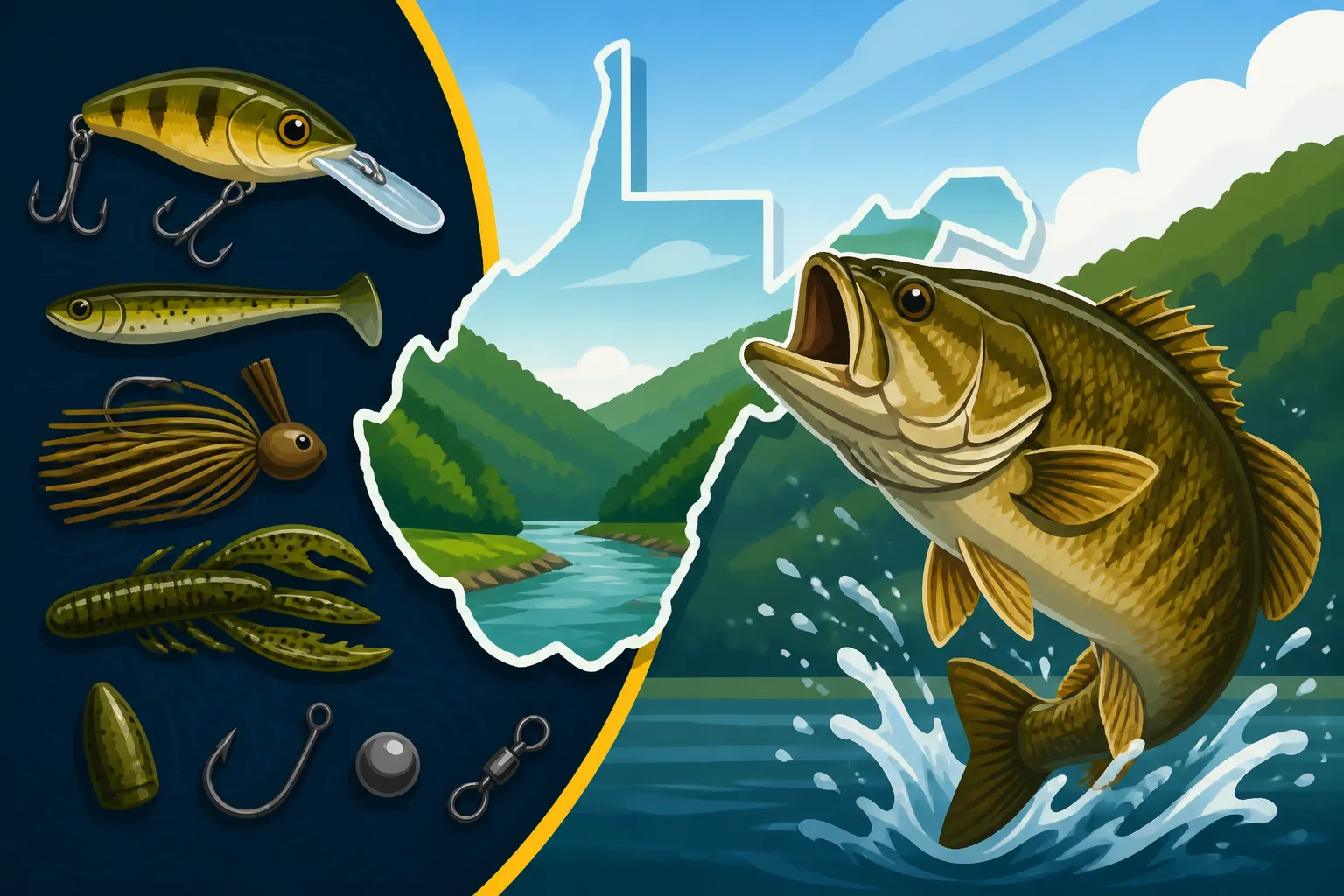
Getting your terminal tackle right is non-negotiable for smallmouth. For soft plastics, you'll need a variety of hooks:
- Jig Heads: Come in various weights (1/16 oz to 1/2 oz or more), hook sizes, and shapes (round, football, stand-up). Match the weight to the current and depth, and the hook size to your plastic. A football head jig is great for rocky bottoms, while a round head offers versatility.
- EWG (Extra Wide Gap) Hooks: Perfect for Texas rigging worms, tubes, and creature baits, allowing for weedless presentations and excellent hooksets. Sizes 1/0 to 3/0 are common for smallmouth.
- Wacky Rig Hooks: Small, light-wire hooks designed for wacky rigging Senkos. Often come with a weed guard to prevent snagging.
Weights:
- Bullet Weights: For Texas rigs, in tungsten or lead. Tungsten is denser, more sensitive, and smaller in profile. Weights from 1/8 oz to 3/8 oz are common for smallmouth plastics.
- Drop Shot Weights: Cylinder or round weights with a swivel on top, used for drop shot rigs. Their design helps prevent snagging on rocky bottoms.
- Split Shot/Pinch-On Weights: Useful for adding small amounts of weight to light lines or for slip-bobber setups.
Swivels:
- Barrel Swivels: Help prevent line twist, especially important when using spinnerbaits or certain retrieve methods.
- Snap Swivels: Allow for quick lure changes, often used with crankbaits or spinnerbaits, but some anglers prefer direct tie for better action.
Always choose high-quality components. A cheap hook can straighten out, and a faulty swivel can cost you a trophy smallmouth.
Pliers, Nets, and Other Must-Haves
Beyond your rods, reels, and terminal tackle, a few key accessories will significantly enhance your smallmouth fishing experience and ensure responsible handling of fish.
- Fishing Pliers: Absolutely essential for removing hooks safely and quickly, cutting line, and crimping weights. A good pair of multi-tool pliers with a sharp line cutter is invaluable. Look for models with a long nose to reach deeply embedded hooks.
- Landing Net: A rubberized or knotless mesh landing net is crucial for landing lively smallmouth, especially if you're practicing catch-and-release. The soft mesh protects the fish's delicate slime coat and fins, minimizing damage. A net with a long handle is particularly helpful for river fishing or when fishing from a boat or kayak. Consider a net specifically designed for bass, which often has a larger hoop than a trout net but not as deep as a muskie net. For safely landing a fish, especially larger ones, a good net makes a huge difference.
- Line Cutter/Scissors: Whether it's integrated into your pliers or a dedicated tool, a sharp line cutter is necessary for clean cuts, especially with braided line.
- Sun Protection: Sunglasses (polarized are a game-changer for spotting fish and structure), a wide-brimmed hat, and sunscreen are critical for comfort and safety during long days on the water.
- Measuring Device/Scale: If you're keen on tracking your catches, a tape measure and a digital scale are great for recording fish length and weight. Always check local regulations for specific slot limits or size requirements.
- First Aid Kit: A small, waterproof kit with basics like bandages, antiseptic wipes, and pain relievers is always a good idea. Hooks can be sharp, and accidents happen.
Having these items readily accessible in your tackle bag will ensure you're prepared for whatever the day brings and can focus on the fishing, not scrambling for tools.
Putting it All Together: Building Your Smallmouth Tackle Box
Building the "perfect" smallmouth tackle box isn't about having everything, but about having the right things for the conditions you'll face. It's a dynamic process that evolves with experience, but starting with a solid foundation and understanding how to adapt your choices will put you miles ahead.
Seasonal Tackle Box Adjustments
The beauty of smallmouth bass fishing in West Virginia is its seasonal diversity, but this also means your tackle box shouldn't remain static.
- Spring: As water temperatures climb into the 50s and low 60s, smallmouth move shallower. Focus on suspending jerkbaits (especially early spring), smaller jigs, tubes, and crankbaits in crawfish or shad patterns. Spinnerbaits and chatterbaits can also be very effective for aggressive, pre-spawn fish. Keep your presentations slower.
- Summer: When water temperatures are warm (mid-60s to 70s+), smallmouth are active and aggressive. This is prime time for topwater lures (poppers, buzzbaits, walk-the-dog baits) in low light. During the day, switch to faster moving baits like medium-diving crankbaits, spinnerbaits, and swimbaits, particularly around current breaks and deeper structure. Jigs and creature baits still work well for fish holding tight to cover.
- Fall: As water cools, smallmouth go on a feeding binge. They'll often chase larger baits. Think bigger crankbaits, swimbaits, and even larger jerkbaits. They become very aggressive and willing to hit a variety of lures. Focus on areas where baitfish are congregating.
- Winter: Smallmouth become lethargic and retreat to deep, slow-moving pools or thermal refuges. Finesse techniques are key. Hair jigs, small blade baits, and slowly presented drop shot rigs with tiny plastics are the most effective. Your presentations should be very subtle and slow. For more in-depth seasonal strategies, you'll want to check out Best Time of Year to Fish in West Virginia and West Virginia Fishing Seasons by Month.
Budget-Friendly Tackle Building
It's easy to get carried away and spend a fortune on tackle, but you absolutely don't need to. You can build a highly effective smallmouth tackle box on a budget.
- Start with Versatility: Instead of buying 10 different colors of crankbaits, get 2-3 proven colors (e.g., shad, crawfish, chartreuse) in a few key diving depths. The same goes for soft plastics: a few bags of tubes, grubs, and stick baits in green pumpkin, watermelon, and black/blue will cover most situations.
- Focus on Essentials First: A good quality spinning rod and reel combo is a fantastic starting point. Then add a reliable baitcasting combo when your budget allows. Prioritize good line – it's your connection to the fish.
- Buy in Bulk (Smartly): Terminal tackle like hooks and weights can often be bought in larger packs for less per unit. Brands like Eagle Claw and Gamakatsu offer great quality hooks at reasonable prices.
- Sales and Discounts: Keep an eye out for sales at local tackle shops, Bass Pro Shops, or online retailers like Amazon. End-of-season sales can be a great way to stock up.
- DIY: Learning to pour your own jigs or custom-paint lures can be a fun and cost-effective way to expand your tackle.
- Learn to Tie Knots: Strong, reliable knots save money by preventing lost lures and fish. Practice your improved clinch, Palomar, and FG knots until they're second nature.
Remember, the most expensive tackle doesn't guarantee more fish. Understanding how to use the tackle you have, and adapting it to the conditions, is far more important. A well-chosen, lean tackle box, backed by knowledge and persistence, will outfish a sprawling, unorganized collection every time.
| Lure Type | Best Conditions / Applications | Key Characteristics to Look For | Pros | Cons |
|---|---|---|---|---|
| Poppers | Low light, calm water, aggressive fish, shallow cover | Cupped face for splash, natural or bright colors | Exciting surface strikes, draws fish from cover | Less effective in choppy water or deep areas |
| Walk-the-Dog | Open water, over submerged grass, active fish | Slim profile, internal rattles (optional), realistic baitfish patterns | Covers water quickly, irresistible side-to-side action | Requires practice to master retrieve, not for heavy cover |
| Buzzbaits | Shallow water, stained water, aggressive fish, quick search | Propeller blade for commotion, white, chartreuse, black skirts | Creates a lot of noise and splash, triggers reaction strikes | Less effective in clear water or when fish are finicky |
| Crankbaits | Covering water, targeting specific depths/structure, all seasons | Diving lip size (depth), natural baitfish/crawfish colors, rattles | Extremely versatile, good for searching, triggers reaction strikes | Can snag easily in heavy cover, difficult to feel subtle bites |
| Jigs (Skirted) | Bottom fishing, heavy cover, crawfish imitation, slower retrieve | Weight (1/8-1/2oz), skirt color (crawfish), weed guards (optional) | Excellent for imitating crawfish, good feel for bottom | Can get snagged, slower presentation |
| Jigs (Hair) | Cold water, clear water, finicky fish, subtle presentation | Bucktail/marabou, natural colors, small profile | Very subtle, lifelike action, often catches big fish | Slower retrieve, less vibration, can tangle easily |
| Jerkbaits | Clear water, cooler water, imitating dying baitfish | Suspending action, realistic baitfish colors, internal rattles | Irresistible darting action, effective in cold water | Can be finicky with retrieve, not ideal for heavy cover |
| Tubes | Bottom fishing, crawfish imitation, rocky rivers, current breaks | Green pumpkin, watermelon, brown/orange colors, salt impregnation | Excellent crawfish imitation, versatile rigging | Can be slow to fish, sometimes require precise presentation |
| Senkos/Stick | Finicky fish, subtle presentation, calm water, light cover | Weightless shimmy, natural colors (green pumpkin, watermelon) | Incredibly effective on tough days, easy to rig and fish | Very slow fall, not ideal for covering water quickly |
| Swimbaits | Imitating baitfish, targeting active fish, covering water | Paddle tail or boot tail, realistic colors, various sizes | Realistic action, good for attracting larger fish | Can be expensive, less weedless than other soft plastics |
Disclaimer
This article is for general informational purposes only and does not constitute professional advice. Laws, prices and regulations vary by location and change over time. Consult a qualified professional for guidance on your specific situation.