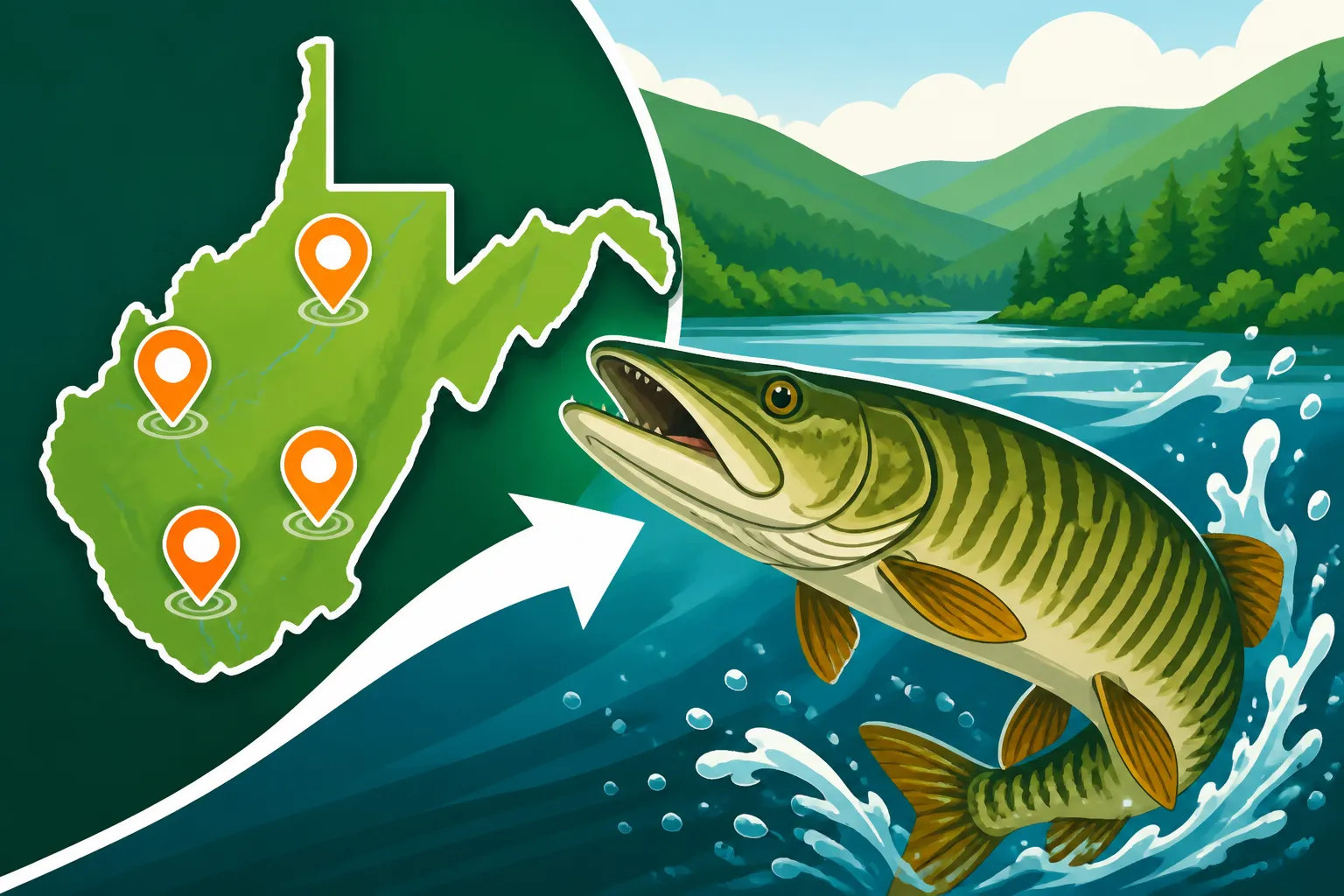
Where tiger muskies are stocked in West Virginia
Finding the elusive tiger muskie in West Virginia can feel a bit like searching for a cryptid – everyone talks about them, but pinning down exactly where to find them can be a challenge. These unique hybrids aren't naturally occurring in our Mountain State waters, so knowing where the West Virginia Division of Natural Resources (WVDNR) stocks them is key to increasing your chances of a successful and thrilling encounter. This comprehensive guide is here to shed light on exactly that, giving you the insider scoop on which lakes and reservoirs are home to these hard-fighting fish.
What Exactly Are Tiger Muskies and Why Are They Stocked?
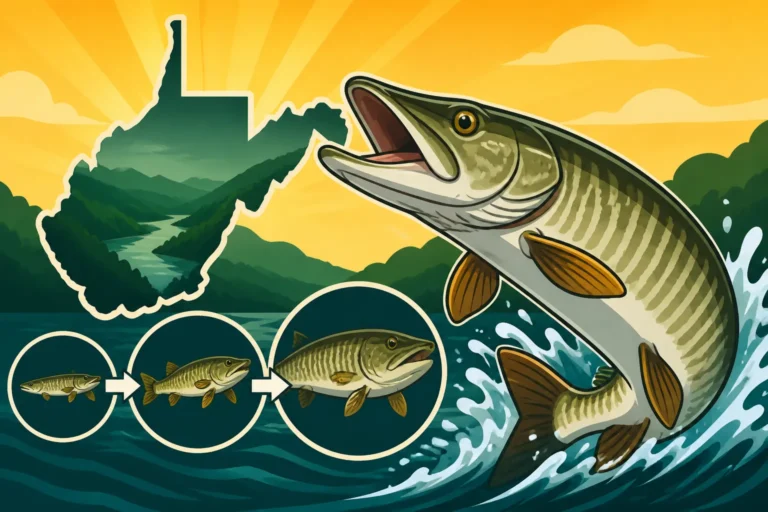
Before we dive into the "where," let's take a moment to understand the "what" and "why." A tiger muskie isn't a separate species but rather a sterile hybrid cross between a muskellunge (muskie) and a northern pike. They inherit the best traits of both parents: the muskie's size and powerful fight, combined with the northern pike's aggressive nature and faster growth rate. Their distinctive striped pattern, reminiscent of a tiger, makes them instantly recognizable and a true prize for any angler.
The Hybrid Advantage for Anglers
These fish are specifically bred in hatcheries for a few compelling reasons that directly benefit the recreational angler. First, their sterile nature means they won't reproduce in the wild, which gives wildlife agencies greater control over fish populations. They can be stocked without concern for them overpopulating or disrupting native species through reproduction. Second, they grow remarkably fast, reaching impressive sizes quicker than purebred muskies, meaning anglers don't have to wait as long for trophy-sized fish to develop.
Think about it: you get the thrill of targeting a large, toothy predator that fights like a freight train, but without the long wait associated with purely wild muskie populations to reach those dimensions. They're basically a fast-track to exciting, big-fish action, and that's something any angler can appreciate after hours on the water.
Ecological Roles and Stocking Goals
While their primary role is to provide a fantastic sport fishing opportunity, tiger muskies also play an ecological part in the lakes they inhabit. As top-level predators, they can help manage populations of undesirable or overabundant forage fish, contributing to the overall health and balance of the aquatic ecosystem.
The WVDNR's goal in stocking them is to diversify angling opportunities and provide unique challenges. It’s about offering something different from your typical bass or panfish trip, giving anglers a chance to pursue a truly apex predator. They represent a significant investment in time and resources for the WVDNR, from rearing them in hatcheries to transporting and releasing them into designated waters. This commitment ensures that West Virginia anglers have access to a diverse and exciting fishing experience.
The Primary Waters for Tiger Muskie Stocking in West Virginia
Now, for the information you've been waiting for! While stocking programs can shift over time based on various factors, there are several key West Virginia lakes and reservoirs that have historically been, and continue to be, prime locations for tiger muskie stockings. These are generally larger impoundments with ample forage fish, providing the ideal habitat for these aggressive hybrids to thrive and grow to impressive sizes.
It's important to remember that these fish, even after stocking, can be quite elusive. They're predators, and they're always on the move, hunting. Just because a lake is stocked doesn't mean they'll be easy to catch, but it significantly increases your odds compared to waters where they aren't present.
Major Tiger Muskie Stocking Locations
When planning your tiger muskie hunt, these waters should be at the top of your list. They represent some of the most consistent stocking efforts and offer the best chance of encountering these striped giants.
- Stonecoal Lake (Lewis County): This lake is often at the top of the list for tiger muskie enthusiasts. Its deep, clear waters and abundant forage base make it a fantastic environment for these fish to grow. Anglers here often report good success, and it’s a popular spot for those looking to target a true trophy. The lake's structure, with its submerged timber and varying depths, provides plenty of ambush points for these powerful predators.
- Stephens Lake (Raleigh County): Located near Beckley, Stephens Lake is another consistent stocking point for tiger muskies. While perhaps not as large as some other reservoirs, it still offers an excellent opportunity, particularly for southern West Virginia anglers. The lake provides good shore access in many areas, making it a viable option even for those without a boat, though a boat or kayak will expand your reach significantly.
- Mount Storm Lake (Grant County): Known for its warmer waters due to its role in power generation, Mount Storm Lake offers a unique environment that tiger muskies can thrive in. The warmer temperatures can translate to a longer growing season and active fish, even during times when other lakes might be slower. This lake’s expansive nature requires a good boat to cover water effectively, but the rewards can be substantial. You can often find fantastic deals on larger lures and heavy-duty rods suitable for this kind of fishing on Amazon if you're gearing up.
- Tygart Lake (Taylor County): In the northern part of the state, Tygart Lake offers a sprawling body of water where tiger muskies have been stocked. This lake is known for its dramatic cliffs and deep channels, providing diverse habitat. While it's a popular spot for many species, those targeting tiger muskies here will often focus on points, drop-offs, and areas with submerged cover where baitfish congregate.
- East Lynn Lake (Wayne County): Down in the southwestern region, East Lynn Lake is another significant impoundment that sees tiger muskie stockings. Its relatively undeveloped shoreline and numerous coves create excellent habitat. Anglers here can expect a challenge but also the potential for a memorable catch. Targeting areas with standing timber or rock outcroppings can be particularly productive.
Here’s a quick overview of these prime tiger muskie destinations:
| Lake Name | County | Key Characteristics | Primary Muskie Type Stocked | Notes |
|---|---|---|---|---|
| Stonecoal Lake | Lewis | Deep, clear water, good structure, excellent forage | Tiger Muskie | Top destination for trophy potential |
| Stephens Lake | Raleigh | Convenient access, solid population, good for southern WV | Tiger Muskie | Smaller, but consistent catches possible |
| Mount Storm Lake | Grant | Warmer water, long growing season, expansive | Tiger Muskie | Requires boat to cover effectively |
| Tygart Lake | Taylor | Large, deep, diverse structure, northern WV access | Tiger Muskie | Also good for walleye and bass |
| East Lynn Lake | Wayne | Undeveloped shoreline, numerous coves, good habitat | Tiger Muskie | Remote feel, excellent predator fishing |
While these are the main players, it's always a good idea to check the latest WVDNR stocking reports, as programs can occasionally include other waters or shift priorities based on environmental factors or success rates. West Virginia Trout Stocking Hotline and Schedule provides a good example of how the DNR communicates stocking information for other species, and similar resources exist for warmwater fish.
How to Stay Updated on Tiger Muskie Stocking Schedules
Knowing where tiger muskies have been stocked is one thing, but knowing the most current information on future stockings or recent releases can give you a significant advantage. The WVDNR is transparent about its stocking efforts, but it’s up to us as anglers to seek out that information. Don't rely on old news; fishing conditions and stocking plans can change, so always seek the freshest data.
Leveraging Official WVDNR Resources
Your absolute best resource for current and historical stocking information is the West Virginia Division of Natural Resources itself. Their website is a treasure trove of data, often updated regularly, especially during active stocking seasons.
- WVDNR Website: Navigate to the fisheries section of the WVDNR website. They typically have a dedicated page for fish stocking, which might list specific species or provide links to reports. You're looking for warmwater fish stocking schedules or reports, as tiger muskies fall under this category. This is often where you'll find the most precise dates and locations. They also publish annual fishing regulations summaries, which might include specific regulations related to tiger muskies in certain waters. You can learn more about Reading the West Virginia Fishing Regulations Summary there.
- WVDNR News Releases and Social Media: Follow the WVDNR's official social media channels or sign up for their news alerts. They often post announcements about significant stockings, including those for tiger muskies, especially if they are major events or involve popular waters. This can be a quicker way to get real-time updates than constantly checking a webpage.
- Direct Contact: If you can't find the information online, don't hesitate to call the WVDNR district office responsible for the specific lake you're interested in. A friendly chat with a fisheries biologist or technician can sometimes provide insights that aren't readily available in public reports.
Staying informed about stocking schedules is a crucial step for any dedicated angler. It helps you time your trips for optimal success and ensures you're fishing in waters that actually have the species you're targeting.
Local Intel and Online Communities
While official sources are paramount, don't underestimate the value of local intelligence. Other anglers are often excellent sources of real-time information and insights.
- Local Bait and Tackle Shops: These places are goldmines of information. The folks running them live and breathe fishing, and they often hear about recent stockings, local success stories, and general conditions directly from anglers and sometimes even DNR staff. They can tell you what lures are currently working and which parts of the lake are producing. This type of local knowledge is invaluable.
- Online Fishing Forums and Social Media Groups: Join West Virginia-specific fishing forums or Facebook groups. Many passionate anglers share their experiences, including when and where they've had success, which can hint at recent stockings or active populations. Just remember to take everything with a grain of salt and always verify with official sources when possible. These communities can be a great way to learn about West Virginia fishing seasons by month or Best muskie waters in West Virginia from other anglers.
- Fishing Guides and Charters: If you're serious about catching a tiger muskie, consider hiring a local guide who specializes in muskie fishing. They often have the most up-to-date information on fish activity, current stocking impacts, and effective techniques, saving you a lot of trial and error.
By combining official WVDNR resources with local insights, you'll be well-equipped to know not just where tiger muskies are stocked, but when and where they're most likely to be biting. You might even find some specialized muskie gear or maps of these lakes on Amazon that can give you an edge.
Tips for Targeting Tiger Muskies in West Virginia's Stocked Waters
Finding out where tiger muskies are stocked is the first step; the next is knowing how to catch them. These aren't your average panfish; tiger muskies are apex predators that require specific gear, techniques, and, most importantly, patience. If you're new to muskie fishing, prepare for a steep but incredibly rewarding learning curve.
Essential Gear for Tiger Muskie Success
You can't bring a knife to a gunfight, and you certainly can't bring ultralight tackle to a tiger muskie battle. These fish are big, powerful, and have teeth that can easily shred lighter lines and cheaper lures. Investing in the right gear is non-negotiable for success and for the safety of both you and the fish.
- Heavy-Duty Rods and Reels: You'll need a stout baitcasting rod, typically 7 to 9 feet long, with a heavy or extra-heavy action. Pair this with a robust baitcasting reel capable of handling heavy lines and providing significant cranking power. Look for reels with strong drag systems to manage powerful runs. Best Muskie Gear for West Virginia Rivers goes into more detail on this.
- Strong Line and Leaders: Spool up with at least 65-80 pound braided line. Braid offers incredible strength and sensitivity. Crucially, you'll need a heavy-duty leader, usually 80-130 pound fluorocarbon or wire, at least 12-18 inches long, to prevent bite-offs from their razor-sharp teeth. Never skip the leader!
- Large Lures: Forget tiny spinners or worms. Tiger muskies want a meal. Stock up on large bucktails, inline spinners, crankbaits (6-12 inches), glide baits, soft plastic swimbaits, and jerkbaits. Colors can vary, but natural patterns, bright patterns for stained water, and black for low light are good starting points. You can find a huge array of these specialized lures on Amazon.
- Landing Net and Tools: A large, muskie-specific landing net with a rubberized, knotless mesh is essential for safely landing and handling these fish. Also, carry long-nosed pliers, bolt cutters (for cutting hooks if necessary), and jaw spreaders to safely remove hooks and minimize harm to the fish. Muskie handling tools are a must for safe catch and release.
Techniques and Strategies for These Elusive Predators
Tiger muskies are often called "the fish of 10,000 casts" for a reason – they test your persistence. However, some strategies can significantly improve your odds.
- Cover Water Effectively: These fish are roamers. Don't sit in one spot for too long. Cast widely, troll, or drift to cover as much water as possible. Focus on structural elements like points, humps, weed edges, submerged timber, and sharp drop-offs. These are prime ambush points where baitfish congregate.
- Vary Your Retrieve: Don't get stuck in a rut with one retrieve speed. Experiment with fast retrieves, slow retrieves, pauses, and erratic movements. Sometimes a sudden jerk or stop is what triggers a strike. Think about what a fleeing or injured baitfish would do.
- The "Figure Eight": This is a classic muskie technique and often where a strike finally happens. When your lure is nearing the boat, instead of reeling it in, plunge your rod tip into the water and draw a large figure eight pattern with your lure next to the boat. Muskies often follow a lure right to the boat, and this maneuver can be the final trigger.
- Focus on Prime Times: While muskies can be caught any time, low-light conditions (dawn, dusk, overcast days) often increase their activity. Also, pay attention to lunar phases and barometric pressure changes, as some anglers swear by these factors for muskie fishing. Early spring and late fall can be particularly productive as they feed heavily. You can find more specific advice on Best time of year to fish in West Virginia for these species.
- Patience and Persistence: This cannot be stressed enough. Muskie fishing is a mental game. You will make countless casts without a bite. Celebrate every follow, every flash, and every bump, as they are indicators that you're in the right area. The reward of landing one of these magnificent fish is worth every bit of the effort. Don't give up! Muskie Fishing in West Virginia further explores the dedication required.
Remember, the goal is not just to catch a fish, but to catch it safely and release it unharmed to fight another day. Proper handling and release techniques are paramount for the survival of these incredible sport fish.
Disclaimer
This article is for general informational purposes only and does not constitute professional advice. Laws, prices and regulations vary by location and change over time. Consult a qualified professional for guidance on your specific situation.