Is Walleye Good to Eat?
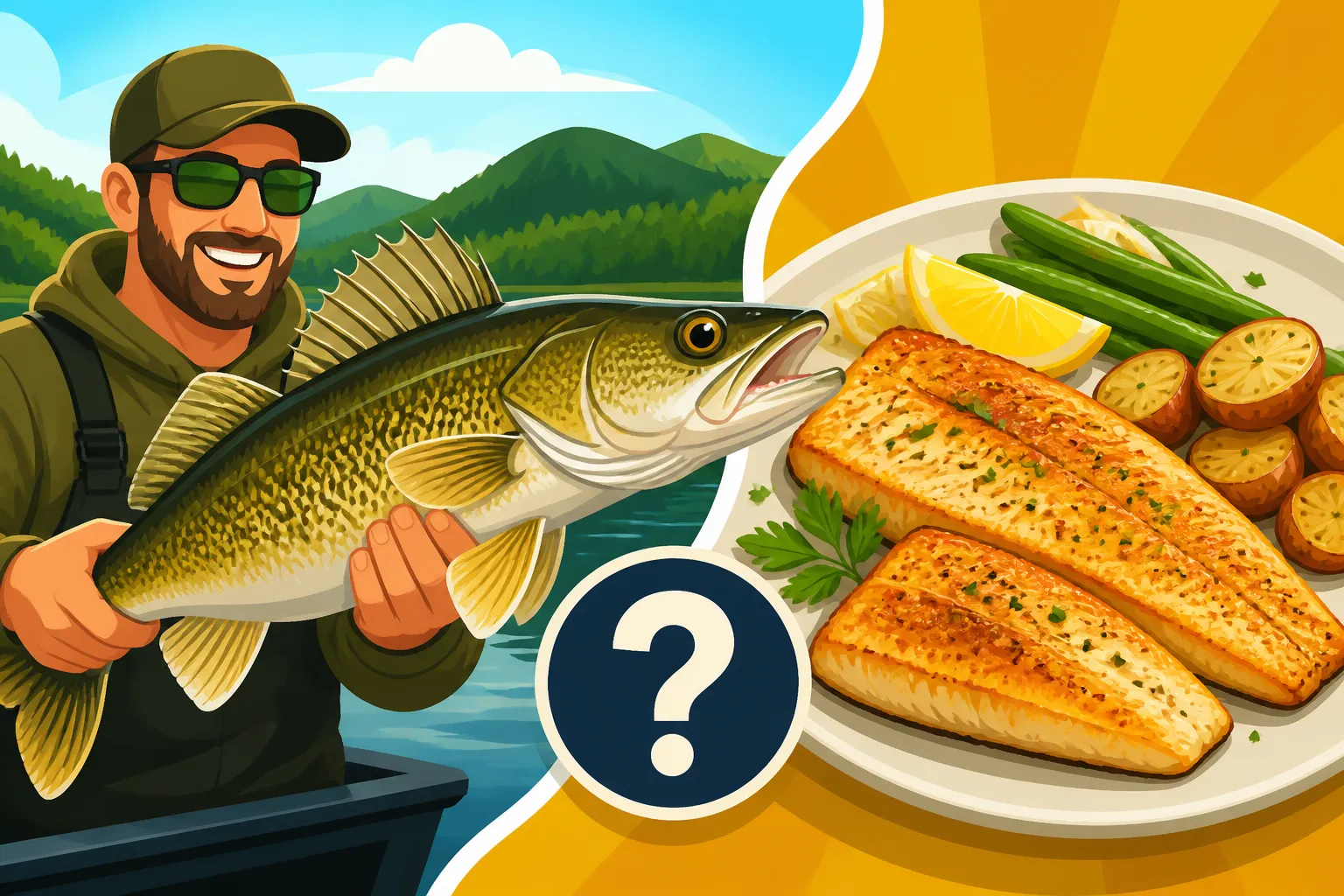
You've just reeled in a beautiful walleye from a pristine West Virginia lake or river, and now the big question hangs in the air: "Is walleye good to eat?" If you're pondering whether this magnificent catch is truly worth bringing to the dinner table, you're not alone. Many anglers, new and seasoned, want to know if their effort will be rewarded with a delicious meal. This comprehensive guide will dive deep into why walleye are considered one of the finest freshwater fish for eating, what makes them so special, and how to prepare them to maximize their delectable flavor, especially here in the Mountain State.
Why Walleye Are Prized on the Dinner Plate
When you talk to serious anglers and chefs about the best-tasting freshwater fish, walleye almost always comes up in the conversation. There's a reason for this consistent high praise. It’s not just hype; there’s a distinct culinary experience that walleye offers, setting it apart from many other species found in our waters. From its delicate texture to its subtle, clean flavor, it’s a fish that truly satisfies.
For those who might be wary of freshwater fish having a "muddy" or "fishy" taste, walleye are often the exception that proves the rule. They inhabit cleaner, colder waters, which directly contributes to their superior taste. This preference for specific environments, like many of West Virginia's deeper lakes and flowing rivers, is a significant factor in their culinary appeal. You won't find them rooting around in murky, stagnant ponds, and your palate will thank you for it.
The preparation itself is also incredibly straightforward because the fish's natural qualities shine through. You don't need heavy sauces or complex marinades to mask undesirable flavors; instead, simple seasonings enhance what's already there. This ease of preparation is another reason why it's a favorite for many busy anglers who want to enjoy their catch without a lot of fuss after a long day on the water.
The Flavor Profile: Delicate, Sweet, and Clean
Let's get right to the heart of it: walleye boast a flavor profile that is truly delicate, subtly sweet, and remarkably clean. Unlike some stronger-tasting freshwater species, walleye doesn't have an overpowering "fishy" aroma or taste. This makes it incredibly appealing even to those who aren't usually big fans of seafood. Imagine a flavor that's mild enough to be universally enjoyed, yet distinct enough to be memorable. That's walleye.
The sweetness isn't sugary; it's a natural, subtle sweetness that comes from its diet and habitat. Many describe it as having a faint nuttiness, almost akin to a very mild scallop or even a high-quality cod. This nuanced flavor means it pairs wonderfully with a wide array of seasonings, from a simple squeeze of lemon and a dash of salt and pepper to more complex herb blends. It's truly a blank canvas for your culinary creativity.
This clean taste is especially prevalent in walleye caught from the clear, cold waters typical of many West Virginia fishing spots. The pristine environment, combined with the walleye's diet of small baitfish and invertebrates, ensures that the fish itself is free from off-flavors. When you consider where these fish live, it makes perfect sense that they would develop such a pure taste.
Texture and Flakiness: Firm Yet Tender
Beyond flavor, the texture of walleye is a major selling point. The flesh is firm, yet tender, and cooks up beautifully flaky. When properly cooked, the meat separates into moist, delicate flakes that practically melt in your mouth. It's not mushy, nor is it tough; it strikes a perfect balance that's incredibly satisfying to eat.
This firm texture also makes walleye easy to handle when cooking. It holds its shape well, whether you're pan-frying a fillet, grilling it, or baking it whole. You don't have to worry about it falling apart on you as you flip it or transfer it from pan to plate. This structural integrity means you get to enjoy every succulent piece without frustration.
The flakiness contributes to the overall mouthfeel, providing a pleasant contrast between the lightly crisped exterior (if pan-fried) and the moist interior. This combination of textures adds to the appeal, making each bite an experience. It’s a texture that speaks of freshness and quality, a hallmark of Walleye Fishing in West Virginia.
Versatility in the Kitchen: From Pan-Fried to Baked
One of the great joys of catching walleye is its sheer versatility in the kitchen. Whether you're a seasoned chef or someone who barely knows their way around a skillet, walleye is forgiving and delicious in almost any preparation. This adaptability means you can enjoy your catch in countless ways, never getting bored.
For many, the classic preparation is pan-frying. A simple dredge in seasoned flour or cornmeal, followed by a quick fry in butter or oil, yields a golden-brown crust and a moist, tender interior. This method highlights the fish's natural flavors beautifully. It’s quick, easy, and a perennial favorite.
But don't stop there! Walleye can also be baked with herbs and lemon, grilled for a smoky flavor, broiled for a quick healthy meal, or even used in fish tacos. Its delicate nature means it absorbs flavors well without being overwhelmed, making it perfect for experimenting with different spices and marinades. You can even find specialized cookware on platforms like Amazon that can help you achieve that perfect cook, from non-stick pans to fish spatulas.
Factors Influencing Walleye Taste and Quality
While walleye generally has an excellent reputation, not all walleye are created equal. Several factors play a significant role in the ultimate taste and quality of the fish that lands on your plate. Understanding these elements can help you appreciate your catch even more and ensure you’re doing everything you can to bring home the best possible meal. This is particularly relevant in West Virginia, where our diverse aquatic environments can impact fish characteristics.
From the pristine conditions of a high-mountain lake to the flowing currents of a major river, the environment shapes the fish. Think about it: a walleye living in a clean, cold, oxygen-rich environment with an abundant supply of natural prey will inherently taste better than one from a stressed, warm, or polluted habitat. This ecological connection is a crucial part of why West Virginia anglers often rave about their local catches.
Anglers also have a role to play after the fish is caught. How you handle your walleye from the moment it leaves the water until it's in your cooler can make a huge difference in its ultimate quality. Proper care ensures that the delicate flesh retains its premium taste and texture, avoiding any off-flavors or mushiness that can develop with mishandling.
Water Quality and Environment: Purity You Can Taste
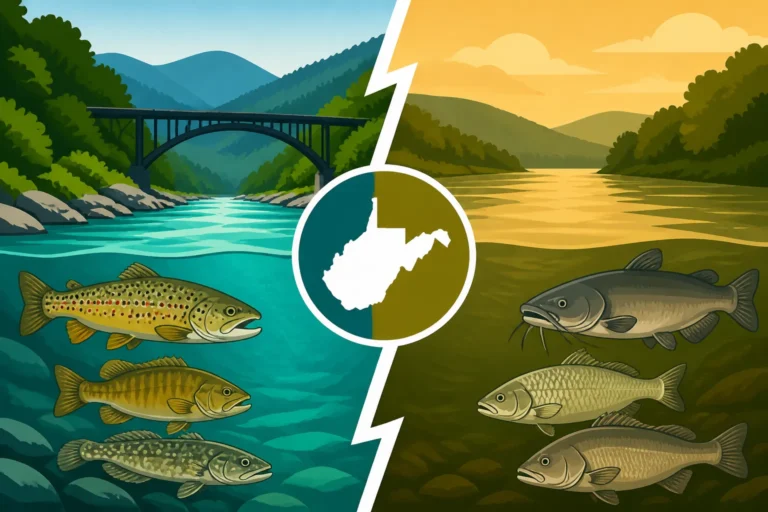
The quality of the water a walleye lives in is arguably the most critical factor influencing its taste. Walleye prefer clean, cool, well-oxygenated water, and West Virginia offers plenty of such environments. Our state is known for its beautiful, relatively unspoiled rivers and lakes, many of which provide ideal habitats for these prized game fish.
Fish from these pristine environments tend to have a much cleaner, milder flavor. They don't absorb undesirable tastes from their surroundings, which can happen in muddy or polluted waters. For instance, walleye from a clear, deep reservoir like Summersville Lake are often lauded for their exceptional taste, a direct result of the lake's ecological health. Similarly, those caught in the flowing currents of larger rivers are constantly exposed to fresh water, which keeps their flesh firm and clean-tasting.
This connection between environment and taste is why knowledgeable anglers prioritize fishing in waters known for their quality. It's not just about finding fish; it's about finding good-tasting fish. When you catch a walleye in West Virginia, you can often be confident that you're getting a product shaped by some of the cleanest freshwater habitats around.
Diet of the Fish: What They Eat, How They Taste
Just like with any animal, the saying "you are what you eat" holds true for walleye. Their diet directly impacts the flavor and texture of their flesh. Walleye are primarily piscivorous, meaning they feed on other fish. In West Virginia waters, their diet often consists of small baitfish like shad, shiners, minnows, and yellow perch, as well as crayfish and various aquatic insects.
A diverse and healthy diet of natural prey contributes to firm, flavorful meat. Fish that feed on a varied diet in a healthy ecosystem will typically taste better than those in an environment with a limited or poor-quality food source. The high-protein, natural diet helps build lean, white muscle tissue that is so characteristic of good-tasting walleye. If you're wondering What walleye eat in West Virginia lakes, it's these abundant, natural food sources that give them their excellent flavor.
Conversely, fish that primarily consume vegetation or bottom-dwelling organisms in murky environments might develop a less desirable taste. Fortunately, this isn't typically the case for walleye, as their predatory nature keeps their diet clean and their flavor profile exquisite. So, when you're targeting walleye, you're targeting a natural predator with a naturally delicious diet.
Handling and Care After Catch: Preserving Freshness is Key
Even the best-tasting walleye can be ruined by poor handling after it's caught. Preserving the freshness of your catch from the moment it leaves the water until it reaches your cooler is paramount. This isn't just about food safety; it's about maintaining that delicate flavor and firm texture we all crave.
The absolute best practice is to dispatch the fish quickly and humanely, then immediately get it on ice. A quality cooler packed with plenty of ice will rapidly drop the fish's core temperature, slowing down enzymatic reactions that lead to spoilage and off-flavors. Don't let your walleye sit in a warm livewell or on a hot boat deck for an extended period; that's a recipe for disappointment. Some anglers even prefer to bleed their fish immediately after catching, as this can further improve the meat's quality by removing blood that can impart a stronger flavor.
When you get home, process your fish promptly. Fillet them clean, removing any skin and dark meat along the lateral line, which can sometimes carry stronger flavors. Rinse the fillets in cold water and pat them dry before packaging them for the freezer or cooking them fresh. A vacuum sealer can be an invaluable tool for freezing, protecting the fillets from freezer burn and extending their quality for months. Proper care is a simple step that makes a world of difference.
Common Misconceptions and West Virginia's Walleye
It's common to hear generalizations about all freshwater fish, but it's important to remember that not all species are the same, and not all environments are identical. The idea that all freshwater fish have a "muddy" taste is a persistent myth that unjustly groups many delicious species, including walleye, into a category they don't deserve. Let's debunk that and highlight why West Virginia walleye, in particular, often defy such stereotypes.
Understanding these nuances helps us appreciate the specific qualities of our local fisheries. West Virginia's geology and hydrology create diverse aquatic habitats, from the rugged mountains to the wide rivers, each with its own characteristics. These regional differences can mean a lot for the fish that call them home, offering unique advantages for the walleye angler.
Furthermore, regulations like West Virginia Walleye Daily and Possession Limits are in place not just for conservation, but also to ensure a healthy, sustainable fishery, which contributes to overall fish quality. A well-managed fishery typically means healthier, better-tasting fish for everyone.
The "Muddy" Taste Myth: A Walleye Exception
The "muddy" taste often associated with freshwater fish is usually due to geosmin, a natural organic compound produced by certain blue-green algae and bacteria in some aquatic environments. Fish that live in shallow, warm, stagnant, or nutrient-rich waters and feed heavily on these organisms can accumulate geosmin in their flesh. This is why species like carp or catfish from certain ponds might sometimes have this off-flavor.
However, walleye are typically an exception to this rule. As discussed, they prefer cooler, cleaner, and often deeper waters. Their diet also leans heavily on other fish, which further minimizes their exposure to geosmin-producing organisms. This habitat preference and predatory diet mean that genuine "muddy" walleye is a rarity, especially if caught from prime West Virginia walleye spots.
If you ever do encounter a slight off-flavor, it's more likely due to improper handling after the catch rather than the fish's natural environment. By taking care to quickly clean and chill your walleye, you virtually eliminate the risk of any undesirable taste, confirming that the "muddy" taste myth simply doesn't apply to this fine table fare.
West Virginia Walleye Specifics: Mountain State Quality
West Virginia offers exceptional conditions for walleye, making our local catches particularly renowned. The state's geography provides a variety of habitats, from large impoundments to wild, free-flowing rivers, many of which are known for their cool, clear waters. These conditions are ideal for walleye, contributing to their superior taste and quality.
Lakes like Summersville Lake and Tygart Lake are prime examples where walleye thrive in deep, clear waters. The cold depths of these reservoirs, often fed by mountain streams, mean the walleye here are consistently firm and clean-tasting. For those keen on Summersville Lake Walleye Fishing or exploring Tygart Lake Walleye Fishing Spots, you're likely to experience some of the best eating walleye around. These environments foster healthy fish populations with excellent table quality.
Even in our larger river systems, such as sections of the Ohio River, where anglers keep an eye on the Ohio River Walleye Aggregate Limit for West Virginia Anglers, the constant flow and diverse forage contribute to high-quality walleye. Our commitment to maintaining healthy aquatic ecosystems across the state directly translates to a better experience for anglers both on the water and at the dinner table.
Preparing and Cooking Your West Virginia Walleye
Alright, you've caught your walleye, handled it with care, and now it's time for the ultimate reward: cooking it! The beauty of walleye lies not just in its flavor, but also in how easy and versatile it is to prepare. You don't need to be a gourmet chef to turn your catch into an unforgettable meal. Simple methods often yield the best results, allowing the fish's natural deliciousness to shine.
We'll walk through some essential steps, from filleting to popular cooking techniques, ensuring that your West Virginia walleye is cooked to perfection. Remember, less is often more when it comes to such a delicate fish. You want to enhance, not overpower, its subtle flavors.
Consider your tools, too. A sharp fillet knife is non-negotiable for clean cuts. A good quality cutting board is essential. And for those keen on getting every detail right, you can find a range of specialized cooking implements on sites like Amazon, from fish spatulas that won't tear delicate fillets to seasoned cast iron pans that give that perfect crust.
Simple Filleting Tips for Maximum Yield
Getting clean fillets from your walleye is the first step to a great meal. A sharp, flexible fillet knife is your best friend here. Walleye have relatively straightforward bone structures, making them easier to fillet than some other species.
Start by laying the fish flat on its side. Make a cut behind the pectoral fin, down to the backbone, but not through it. Then, turn your knife parallel to the backbone and run it along the rib cage, separating the fillet from the bones. Once you've reached the tail, you can either cut the fillet completely off or leave a small tab of skin at the tail end to help with skinning.
To skin the fillet, lay it skin-side down. Hold the tail-end tab firmly, angling your knife slightly downwards towards the cutting board. Work your knife slowly, wiggling it gently between the skin and the flesh, pushing away from you. This should separate the skin cleanly, leaving you with a pristine, boneless fillet. Trim any remaining pin bones or dark meat, and your fillet is ready for cooking or freezing. Taking the time to do this carefully means more delicious fish for you!
Popular Cooking Methods and Their Appeal
Walleye's firm, flaky flesh is suitable for a wide variety of cooking methods, each bringing out different aspects of its flavor and texture.
- Pan-Frying: This is the most classic and arguably most popular method. Dredging fillets in seasoned flour, cornmeal, or a simple breading, then pan-frying in butter or a mix of butter and oil, creates a beautiful golden crust while keeping the inside moist and tender. It’s quick, easy, and yields that irresistible crispy edge.
- Baking: For a lighter, healthier option, baking walleye fillets is fantastic. Place them on a baking sheet, drizzle with olive oil, sprinkle with herbs (dill, parsley, thyme work wonderfully), lemon slices, and a dash of salt and pepper. Bake until the fish is opaque and flakes easily with a fork. This method preserves the delicate flavors without adding extra fat.
- Grilling: Grilling offers a wonderful smoky flavor. Use a fish basket or foil packet to prevent sticking and breakage. Brush the fillets with olive oil and season well. Grill over medium heat until cooked through. This is particularly delicious with thicker fillets.
Each method accentuates different qualities, but all highlight why walleye is such a prized catch.
| Cooking Method | Best For | Flavor Profile Enhancement | Texture Result | Prep Time (Fillet to Plate) |
|---|---|---|---|---|
| Pan-Frying | Classic, Crispy | Rich, buttery, savory crust | Crispy exterior, moist, flaky interior | 10-15 minutes |
| Baking | Healthy, Delicate | Herbs, citrus, subtle | Very moist, tender, delicate flakes | 20-25 minutes |
| Grilling | Smoky, Outdoor | Charred notes, robust seasoning | Firm, slightly chewy, smoky flakes | 15-20 minutes |
| Broiling | Quick, Caramelized | Intense, quick sear, light crust | Tender, slightly firm, juicy | 8-12 minutes |
Recipe Ideas and Pairings: Enhancing the Walleye Experience
Now that you know how to cook your walleye, let's talk about enhancing the experience. Walleye pairs well with a variety of side dishes and flavors. Because of its mild taste, it rarely clashes with other ingredients.
For a simple yet elegant meal, serve pan-fried walleye with a side of wild rice pilaf and steamed asparagus or green beans. A squeeze of fresh lemon juice over the top before serving will brighten the flavors beautifully. If you're looking for something a bit more adventurous, consider making walleye tacos with a crunchy slaw and a zesty lime crema. The fish holds up perfectly to the vibrant flavors.
Another fantastic option is to create a simple foil packet for baking or grilling. Combine walleye fillets with thinly sliced potatoes, onions, a pat of butter, and a sprinkle of Old Bay seasoning or your favorite fish blend. Seal the packet and cook until everything is tender. This method keeps the fish incredibly moist and infuses it with the flavors of the vegetables. Whatever your preference, you'll quickly discover why walleye consistently earns its reputation as one of the best eating fish our West Virginia waters have to offer.
Disclaimer
This article is for general informational purposes only and does not constitute professional advice. Laws, prices and regulations vary by location and change over time. Consult a qualified professional for guidance on your specific situation.