Are There Protected or Endangered Fish Species in West Virginia?
It’s easy to think of West Virginia as a wild and untamed land, where nature is boundless and untouched. But the truth is, even in our beautiful mountains and hollows, some of our most precious natural resources, including certain fish species, are facing real threats. This guide will dive deep into the world of West Virginia's protected and endangered fish, explaining what that means, why it matters, and what we, as anglers and outdoor enthusiasts, can do to help safeguard them for future generations.
Understanding What "Protected" and "Endangered" Means for West Virginia Fish
When we talk about fish being "protected" or "endangered," it's not just a casual term we throw around. These are specific classifications with legal weight, put in place to ensure the survival of species whose populations are in decline or are threatened by various factors. It's a serious matter, and for anglers, it means understanding certain rules and responsibilities whenever you’re out on the water.
Federal vs. State Designations
You might hear about a species being protected under federal law, like the Endangered Species Act, or under state-specific regulations here in West Virginia. Both are incredibly important. Federal protections cover species whose plights span state lines or are considered of national significance. These are often the ones you hear about in national news. State designations, on the other hand, focus on species that might be thriving elsewhere but are particularly vulnerable within West Virginia's borders, or those unique to our specific ecosystems. Often, these categories overlap, meaning a fish could be listed as both federally and state endangered. This multi-layered protection offers the best chance for recovery, but it also means anglers need to be aware of all applicable regulations.
The Criteria for Listing a Species
So, how does a fish end up on these critical lists? It's not a decision made lightly. Scientists, biologists, and conservation experts spend countless hours studying populations, habitat health, reproductive success, and potential threats. They look at population numbers, historical data, and projections for the future. If a species' numbers have declined significantly, if its habitat is shrinking or degrading, if it faces severe predation, disease, or other human-caused threats, it might be considered for listing. "Endangered" generally means a species is in imminent danger of extinction throughout all or a significant portion of its range. "Threatened" is a step below that, meaning it's likely to become endangered in the foreseeable future. Understanding these distinctions helps us grasp the urgency behind these classifications and the strict rules that come with them.
Key Protected and Endangered Fish Species in West Virginia
West Virginia is a state renowned for its diverse aquatic ecosystems, from the cold, clear mountain streams to the wide, powerful rivers like the Ohio and New. This diversity, however, also means a variety of unique fish species, some of which are sadly teetering on the brink. While you might be more familiar with our robust populations of smallmouth bass or the plentiful stocked trout, there are smaller, less-known fish that are critical to our aquatic health and desperately need our protection.
The Candy Darter: A Colorful Gem in Peril
One of the most talked-about federally listed fish species in West Virginia is the West Virginia candy darter protected status. This small, brilliantly colored fish is a true gem of our freshwaters, boasting vibrant reds, oranges, and blues, especially during spawning season. It's truly a sight to behold if you're lucky enough to spot one. Unfortunately, the Candy Darter is listed as federally endangered, which means its continued existence is seriously threatened.
Their range is incredibly limited, primarily found in tributaries of the Gauley, Greenbrier, and New River drainages in West Virginia, and a small part of Virginia. What makes them so vulnerable? Hybridization with the much more common variegate darter is a significant factor. When these two species interbreed, the unique genetic makeup of the Candy Darter is diluted, threatening its distinct identity. Habitat degradation, often from sedimentation caused by logging, mining, and development, also plays a massive role. They need clean, clear, well-oxygenated water with rocky bottoms to thrive, and when silt chokes these habitats, it chokes out the darters. If you're fishing in these sensitive areas, it's vital to be aware that every effort to prevent erosion and keep our waters clean helps these little fish survive. You can find excellent resources, including specific identification guides for darters, on platforms like Amazon, which can be invaluable when exploring these unique waterways.
The Diamond Darter: A Federally Endangered Mystery
Another critically important, yet often unseen, species in our state is the What the diamond darter is and why it is protected. The Diamond Darter is another tiny fish, perhaps not as flashy as its Candy Darter cousin, but equally significant to our aquatic biodiversity. This species is also federally endangered and is found in an even more restricted range, primarily in the Elk River and a few other small populations within the Kanawha River system.
The Diamond Darter's decline is largely attributed to habitat alteration, similar to the Candy Darter. Siltation, pollution, and changes in water flow have drastically impacted the specific riffle and run habitats they need for spawning and foraging. They require very particular conditions: clean, flowing water over sand and fine gravel substrates where they can burrow. Human activities that disturb stream banks, increase runoff, or introduce pollutants directly threaten these delicate environments. While you are highly unlikely to encounter one while casting for West Virginia Walleye Daily and Possession Limits or even smaller game fish, knowing they exist and are under threat should reinforce the importance of protecting our river systems. For anglers, practicing good stewardship, like not leaving trash behind and reporting pollution, makes a real difference.
Other Potentially Vulnerable Species and Local Concerns
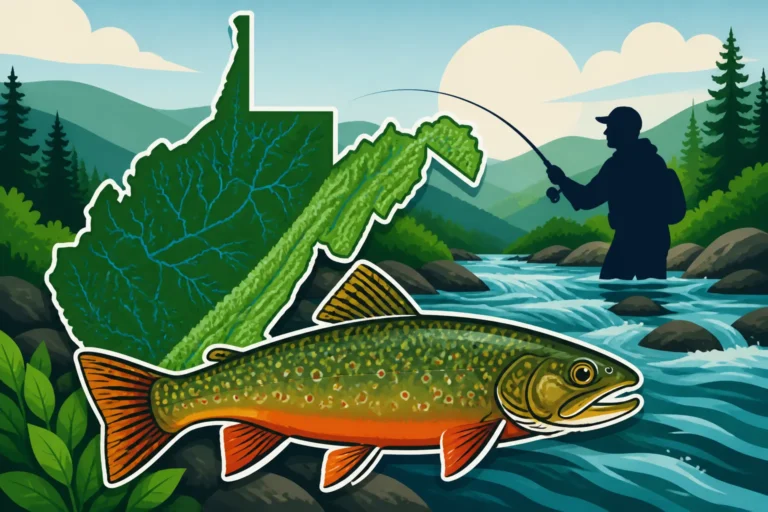
While the Candy and Diamond Darters are the headliners in West Virginia's endangered fish story, they aren't the only ones facing challenges. Other species, though not federally listed, might be considered "species of concern" at the state level. These are species whose populations are declining or whose habitats are threatened, warranting close monitoring. Our beautiful Brook Trout: West Virginia's Native and State Fish, for example, while generally stable, face threats from increasing water temperatures and habitat loss in some of their historic mountain stream ranges.
It's a stark reminder that even robust populations can become vulnerable without careful management and environmental protection. For those interested in delving deeper, the Endangered and Protected Fish Species in West Virginia topic provides an even more comprehensive look at these fragile populations. Always consult the official West Virginia fishing regulations summary, readily available online, to stay informed about any changes or new listings.
Why Fish Become Endangered: The Threats They Face
Understanding which fish are protected is only half the battle; knowing why they need protection is crucial for prevention and effective conservation. It's rarely one single factor but usually a complex web of environmental pressures that push a species towards the brink. And often, these pressures are directly or indirectly linked to human activity.
Habitat Loss and Degradation
This is perhaps the biggest culprit in the decline of fish populations, not just in West Virginia, but worldwide. Fish need specific places to live, feed, and reproduce – their habitat. When that habitat is destroyed or degraded, they simply cannot survive.
- Sedimentation: Imagine your home slowly filling with mud and dirt. That's what sedimentation does to fish habitats. Practices like improper logging, mining operations, road construction, and agricultural runoff can wash tons of sediment into streams and rivers. This silt smothers rocky bottoms, burying crucial spawning grounds for darters, trout, and many other species. It fills in the deep pools where fish seek refuge and makes it impossible for aquatic insects, their food source, to thrive. The clear waters that define many of our mountain streams are particularly vulnerable to this.
- Pollution: From industrial discharges to agricultural pesticides and urban stormwater runoff, pollutants poison our waterways. Chemicals, excess nutrients (like nitrogen and phosphorus from fertilizers), and even everyday trash can make water uninhabitable for sensitive fish. A seemingly small oil leak from a boat or the improper disposal of chemicals at home can have devastating downstream effects on aquatic life.
- Changes in Water Flow and Temperature: Dams, water withdrawals for agriculture or industry, and even culverts that block fish passage can drastically alter natural water flow regimes. This can fragment populations, isolating fish and preventing them from reaching spawning grounds. Climate change also plays a significant role, increasing water temperatures in streams that are naturally cold, making them unsuitable for cold-water species like trout and darters that need that chilly environment to thrive.
Invasive Species and Disease
Sometimes the threat comes not from what we take away, but what we inadvertently introduce.
- Invasive Species: Non-native plants and animals can outcompete native fish for food and habitat, prey on them directly, or introduce diseases. In West Virginia, the issue of Invasive Fish Species in West Virginia Waters is a concern. For instance, the common variegate darter, while native, is often found hybridizing with the Candy Darter, diluting its gene pool and contributing to its decline. Other invasives, like rusty crayfish, can decimate aquatic vegetation and compete with native species.
- Disease: Just like people, fish can get sick. When populations are stressed due to poor habitat or pollution, they become more susceptible to diseases. Introduction of non-native fish for stocking, without proper disease screening, can also spread pathogens to wild populations, with devastating effects.
Overfishing (Less Common for Endangered Species)
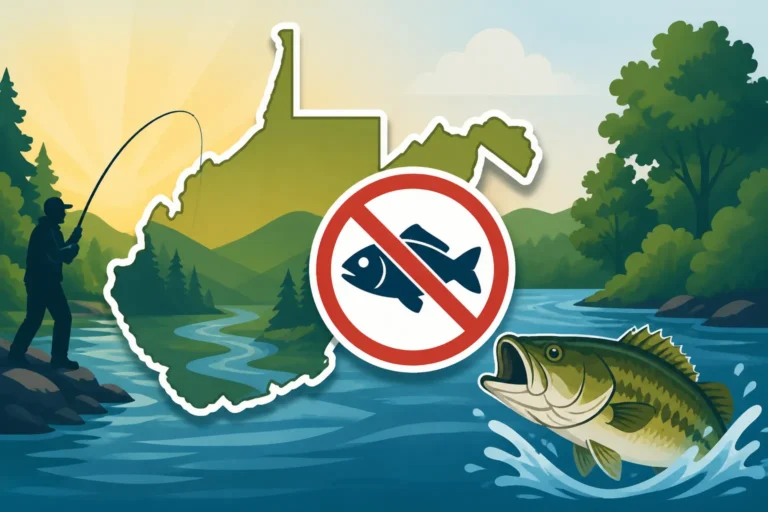
While overfishing is a major concern for many popular game species, it's generally less of a direct threat to federally listed endangered fish in West Virginia simply because most anglers aren't targeting them, and if they are, the regulations are extremely strict (usually prohibiting any take). However, it's a reminder of why West Virginia Bag and Possession Limits by Species and size limits exist for game fish – to prevent their populations from becoming threatened in the first place. For any species, harvesting more fish than can be naturally replenished will eventually lead to decline.
What Anglers Can Do: Be a Champion for Conservation
It’s easy to feel overwhelmed by the scale of these environmental challenges, but as anglers, we are often the first line of defense for our waterways. We spend time on the rivers and lakes, we observe changes, and we have a vested interest in keeping our aquatic ecosystems healthy. Every action, no matter how small, contributes to the bigger picture of conservation.
Know the Regulations and Identify Your Catch
This is paramount. Before you even cast a line, be familiar with the fishing regulations for the specific waters you're visiting. The West Virginia Division of Natural Resources (WVDNR) publishes an annual summary that details all the rules, including any special regulations for sensitive areas or species. If you're fishing in a known habitat for endangered species, such as parts of the New River Gorge or Elk River, pay extra attention. The WVDNR website, WVhunt.com, is an excellent resource, and knowing How to buy a West Virginia fishing license online also usually gives you access to the most current regulations.
It's also crucial to accurately identify your catch. While most endangered fish in West Virginia are small darters that aren't typically targeted by anglers, accidents can happen. If you suspect you've caught a protected species, handle it with extreme care. Keep a fish identification guide handy – a waterproof version, easily purchased on Amazon, is ideal for the unpredictable outdoor environment. Familiarize yourself with the unique markings of species like the Candy Darter or Diamond Darter.
Practice Responsible Catch and Release
Even for species that aren't endangered, practicing good West Virginia Catch and Release Rules for Trout is a sign of respect for the fish and ensures a healthy fishery for everyone. For any fish you plan to release:
- Minimize handling: Keep the fish in the water as much as possible.
- Use appropriate gear: Barbless hooks reduce harm. A rubberized landing net (you can find many great options on Amazon for all sizes of fish, from panfish to muskie) protects their slime coat and fins far better than knotted nylon nets.
- Handle with wet hands: Dry hands can remove the protective slime coat, making fish susceptible to disease.
- Support the fish: Hold larger fish horizontally and support their belly. Avoid holding them by the jaw or gills unless absolutely necessary and done with great care.
- Revive gently: If a fish looks sluggish, hold it gently in the current until it can swim away under its own power.
Be an Advocate for Clean Water and Healthy Habitats
Our responsibility extends beyond just fishing practices. We need to be stewards of the environment:
- Reduce your footprint: Pack out everything you pack in, and if you see litter, pick it up. Participate in local river clean-ups.
- Report pollution: If you notice unusual discharges, fish kills, or other signs of pollution, report them immediately to the WVDNR or the Department of Environmental Protection (DEP). Your observation could prevent a disaster.
- Support conservation efforts: Many local and state organizations are working tirelessly to protect West Virginia's waterways and its inhabitants. Consider donating, volunteering, or simply spreading awareness. Understanding the unique ecosystems of places like New River Gorge National Park can inspire even greater advocacy.
- Educate others: Share your knowledge with fellow anglers, friends, and family. The more people who understand the importance of these species, the stronger our collective voice for conservation becomes.
By embracing these practices, we can all do our part to ensure that West Virginia's aquatic biodiversity, including its most vulnerable fish species, not only survives but thrives for generations to come.
Disclaimer
This article is for general informational purposes only and does not constitute professional advice. Laws, prices and regulations vary by location and change over time. Consult a qualified professional for guidance on your specific situation.