Where the biggest brown trout live in West Virginia
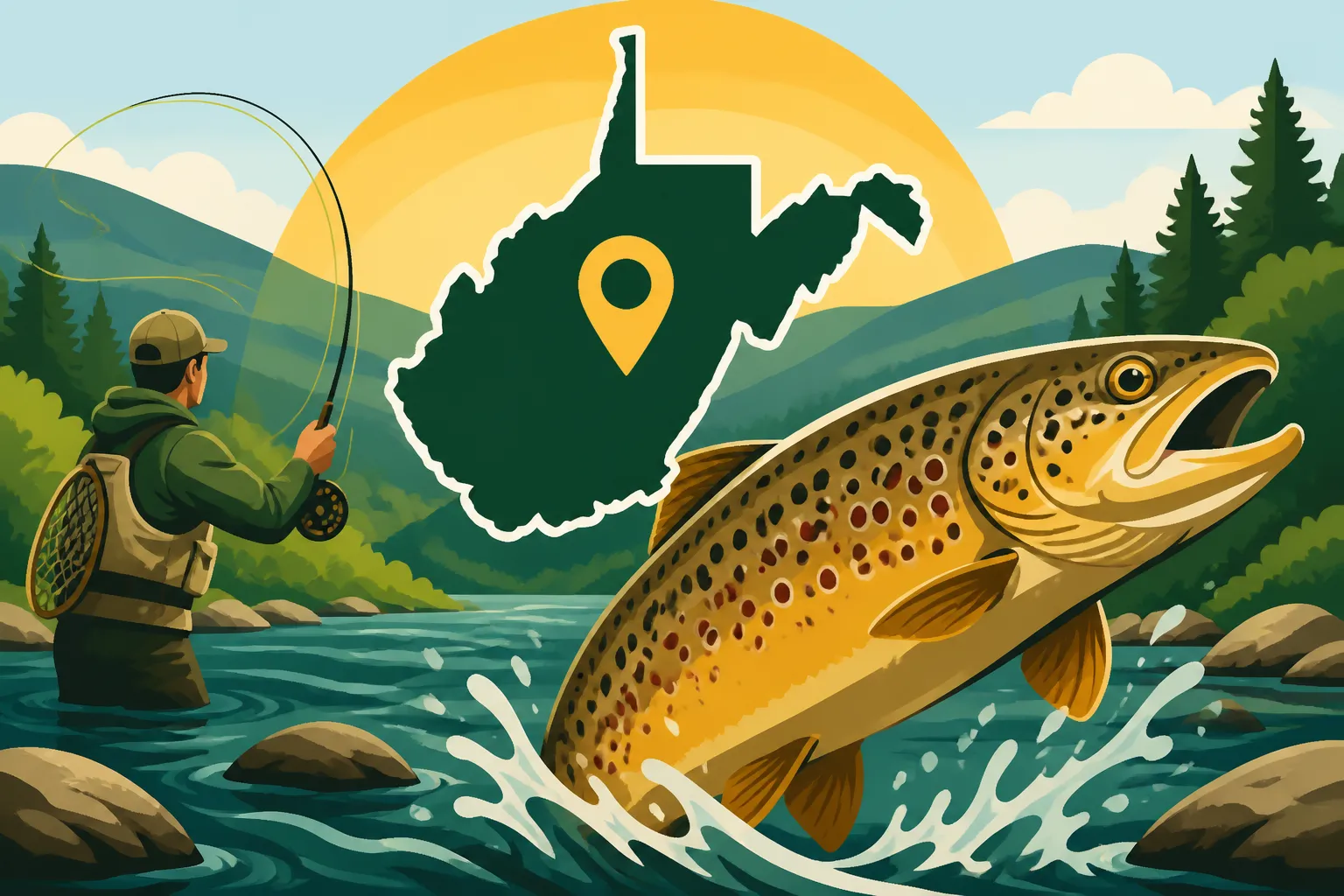
Finding truly giant brown trout in West Virginia can feel like searching for a needle in a haystack, especially when so many of our beautiful streams are known for their plentiful, but often smaller, stocked rainbow and brook trout. If you're tired of hearing whispers of mythical monsters and want to know where to legitimately increase your chances of tangling with a West Virginia brown trout of impressive size, this guide is designed to cut through the noise and point you in the right direction.
Understanding West Virginia's Brown Trout Habitat
Brown trout are fascinating fish, hardy and adaptable, but when it comes to growing truly large, they become quite discerning about their surroundings. They're not just looking for cold water; they're looking for stability, abundant food, and plenty of cover. Understanding these preferences is key to knowing where the biggest ones reside.
Preferred Environments for Big Browns
Unlike some of our native brook trout that thrive in tiny, high-gradient mountain trickles, brown trout, especially the lunkers, gravitate towards larger, more stable river systems. They need consistent cold water, yes, but also depth, structure, and a rich invertebrate and baitfish population. Think about it: a big fish needs a big meal. Shallow, crystal-clear streams might hold plenty of smaller fish, but they often lack the sustained food sources and deep hiding spots that allow brown trout to put on serious weight and age. These larger browns are often ambush predators, waiting patiently for a meal to drift by or patrolling deeper pools.
They particularly love overhead cover – undercut banks, fallen logs, large boulders, and even submerged bridge abutments provide crucial sanctuary. This cover isn't just for hiding from predators; it's also where they escape strong currents and find thermal refuge during warmer months. Moreover, the stability of a river's flow and its overall health contribute significantly to the growth potential of its fish. Rivers that maintain consistent flows, even through dry spells, and have clean, well-oxygenated water are much more likely to harbor older, larger brown trout.
Tailwaters: Prime Big Trout Real Estate
When it comes to consistent conditions and abundant food, tailwater fisheries are often the undisputed champions for growing massive trout. What's a tailwater, you ask? It's the section of a river directly below a large dam. The water released from the bottom of these reservoirs is consistently cold, providing a stable thermal environment even during the dog days of summer. This means trout don't have to stress about water temperatures getting too warm, which can stunt their growth or even be lethal.
Beyond temperature, tailwaters are often incredibly rich in nutrients and insect life. The constant flow brings a steady buffet of aquatic invertebrates, creating a perfect ecosystem for trout to feed and grow quickly. Some tailwaters also have an abundance of smaller fish species that become prime forage for large brown trout, acting as protein-packed meals. Because of these ideal conditions, trout in tailwaters often live longer and reach impressive sizes that are rarely seen in smaller, more volatile freestone streams. It's truly a unique environment that acts as a super-highway for trout growth, making them hotspots for anglers chasing trophy fish.
Remote Mountain Streams: The Wild Card
While tailwaters offer the most consistent opportunity for large brown trout, don't discount some of West Virginia's more remote mountain streams entirely. These are often less accessible, requiring a hike or even an overnight trip to reach, but the effort can sometimes be rewarded. In these wilder settings, brown trout that are descended from original stockings have adapted to their surroundings, and in some rare cases, can grow quite large. This isn't usually due to an abundance of food, but rather a combination of age, genetics, and low fishing pressure.
The biggest browns in these streams are often survivors, old and wily, having learned to avoid anglers and find the choicest lies. Their growth might be slower than their tailwater cousins, but their sheer age allows them to accumulate significant size. They are often less numerous, making them true trophies for those willing to put in the legwork. These fish are also incredibly beautiful, displaying vibrant colors forged in their wild, rugged environments. Brook Trout: West Virginia's Native and State Fish often reside in these same remote waters, but brown trout are a different beast entirely, requiring different tactics and offering a different kind of challenge.
Top Rivers and Streams Known for Trophy Brown Trout
West Virginia boasts several waters that are truly legendary for their brown trout, offering the best chances to encounter a fish that will make your heart pound. These aren't just "good" trout streams; these are places where big browns have a legitimate chance to thrive.
The Elk River: A Legend for Large Browns
When serious anglers talk about trophy brown trout in West Virginia, the Elk River is almost always at the top of the list. Specifically, the tailwater section below Sutton Dam is a true gem. This area is renowned for its consistent cold water releases, which create an almost year-round trout fishery. It's a place where brown trout not only survive but truly flourish, often reaching sizes that would be considered giants almost anywhere else. Elk River Trout Fishing is a pursuit many dedicate their angling lives to.
The Elk River tailwater features a mix of deep pools, riffles, and long, slow runs, providing diverse habitats for trout to grow. The sheer biomass of aquatic insects, from midges and caddis to stoneflies and mayflies, provides an endless food supply. Beyond the bugs, the river also supports a healthy population of baitfish, which larger browns absolutely key in on. Anglers here often employ a variety of techniques, from sophisticated nymphing setups to casting large streamers designed to imitate those protein-rich meals. You'll find anglers using everything from specialized fly rods for delicate presentations to spinning gear throwing larger lures, all hoping to entice one of the river's elusive behemoths.
The Cranberry and Williams Rivers: Monongahela's Gems
Nestled deep within the Monongahela National Forest, the Cranberry and Williams Rivers represent another tier of West Virginia's premier brown trout fisheries. These rivers are largely freestone (meaning their flow and temperature are more subject to natural weather patterns) but benefit from high elevations, dense forest cover, and special regulations that promote trophy fish. The Cranberry River, in particular, has extensive catch-and-release sections, which allow fish to grow to impressive sizes over many years. Cranberry River Fly Fishing is an experience many cherish.
Both the Cranberry and Williams offer stunning scenery and a challenging but rewarding fishing experience. While they might not produce the sheer number of large browns that the Elk tailwater does, the fish you do encounter here are often incredibly healthy, wild, and hard-fighting. They've earned their size by surviving in a wild environment. These rivers demand a different approach, often requiring more stealth, precise presentations, and an understanding of wild trout behavior. The access can be more difficult, with long stretches accessible only by foot, but the solitude and potential for a truly wild trophy brown make the effort worthwhile for many. You'll often find these fish holding in deep, dark pools or tight against large boulders and fallen timber.
Other Notable Waters to Explore
While the Elk, Cranberry, and Williams are the big names, West Virginia has other waters where determined anglers might find an unexpected brown trout surprise. The Dry Fork and Shavers Fork, for instance, particularly in their special regulation sections, are known primarily for their wild brook trout populations, but they also harbor some brown trout that can, on occasion, reach respectable sizes. These streams are more challenging due to their often smaller size and denser canopy, but their wild nature means any larger brown you hook is a true triumph.
Additionally, certain stretches of the South Branch of the Potomac River, particularly its upper reaches and sections with good structure, can hold larger browns, especially those that have managed to survive and grow after stocking or in tributaries. The key across all these secondary locations is less about consistent trophy potential and more about finding those isolated pockets of ideal habitat where a brown trout has managed to thrive, outsmarting predators and anglers alike. Persistence, a keen eye for fish-holding structure, and a willingness to explore are your best friends in these waters.
Tactics for Targeting West Virginia's Biggest Browns
Hooking a true trophy brown trout isn't just about showing up; it's about preparation, strategy, and understanding the specific habits of these larger, often warier fish. They don't get big by being careless.
Gear Up for Success
When you're after big browns, your gear needs to be up to the task. For fly anglers, a 5-weight or 6-weight rod is often ideal, offering enough backbone to cast larger streamers and handle a powerful fish, while still being delicate enough for nymphing. Leaders and tippet should be robust; trying to land a 20-inch brown on 5X tippet in heavy current is a recipe for heartbreak. Consider stepping up to 3X or even 2X for streamers. Spinning gear users will want a medium-light to medium power rod with a fast action, paired with a reliable reel spooled with 6-8 lb test line, often with a fluorocarbon leader for stealth. Stronger hooks on lures are a good idea, as these fish can straighten out lesser hooks. You can find excellent gear options, from specialized fly lines to durable wading boots, on platforms like Amazon, ensuring you're ready for the challenge. For more specific recommendations, check out Best Gear for West Virginia Trout Fishing.
Beyond the rod and reel, think about the ancillary gear. A sturdy, deep landing net with rubberized mesh is crucial for safely handling and releasing big fish. A quality pair of polarized sunglasses will help you spot subtle movements or hidden structure in the water, which can make all the difference. And don't forget appropriate clothing; West Virginia weather can be unpredictable. Breathable waders for summer or insulated waders for colder seasons will keep you comfortable, allowing you to focus on the fishing.
Reading the Water for Trophy Lies
Big brown trout are masters of efficiency. They want to expend minimal energy for maximal reward, and they prioritize safety. This means they'll often be found in specific "lies" – spots in the river where they can rest, hide, and ambush food. Look for deep pools with plenty of structure, such as large boulders, undercut banks, or submerged logs. The "head" of a pool, where current flows in, can be a great ambush point, as can the "tail" of a pool where food funnels out.
Seams where fast water meets slow water are also prime real estate, as food drifts down the fast current but the fish can hold in the slower, less strenuous water. Don't overlook shadows, especially on sunny days. A big brown might be tucked tight against an overhanging branch or in the shadow of a large rock. These fish are incredibly wary, so approach these spots with stealth. Avoid casting your shadow over the water and keep a low profile. Often, the biggest fish are not in the most obvious spots but in the trickiest, most well-protected areas. Observing the river for a few minutes before casting can reveal subtle clues about where a trophy might be holding.
Seasonal Considerations and Strategies
The best time to target big brown trout can vary, but generally, spring and fall offer excellent opportunities. In spring, as water temperatures begin to rise but remain cool, browns become more active, feeding heavily after a long winter. This is a great time for streamers and larger nymph patterns. Fall, however, is arguably the prime season, particularly as brown trout begin their spawning rituals. During this pre-spawn period, they become aggressive and are often more willing to strike larger, more provocative offerings like big streamers or even jointed swimbaits.
Summers can be challenging, especially on freestone streams, as water temperatures can climb, pushing brown trout into deep, cold refuge or making them less active. In tailwaters, however, the consistent cold water means summer can still be productive, often requiring deeper nymphing rigs or fishing during the cooler parts of the day, like dawn or dusk. Winter can also yield results for dedicated anglers, often with smaller nymphs fished slowly and deeply. Understanding West Virginia Fishing Seasons by Month and how they impact brown trout behavior is crucial for success.
Conservation and the Future of West Virginia's Trophy Browns
Catching a magnificent brown trout is a thrill, but ensuring these incredible fish continue to thrive in West Virginia's waters requires responsible angling and a commitment to conservation. Our actions today directly impact the fishing opportunities of tomorrow.
Catch and Release Best Practices
When you hook into a truly large brown trout, especially in a wild or special regulation fishery, the best practice is to release it safely. These older, larger fish are often the backbone of the fishery, contributing significantly to reproduction and maintaining genetic diversity. Familiarize yourself with proper West Virginia Catch and Release Rules for Trout. Use barbless hooks or crimp down barbs to make hook removal easier and less traumatic for the fish. Fight the fish efficiently to minimize stress, but avoid "horsing" it in, which can cause internal damage.
Once landed, handle the fish as little as possible. Keep it in the water, especially if it's a large one. If you must remove it for a quick photo, wet your hands thoroughly and support its belly to avoid damaging its internal organs or removing its protective slime coat. Remove the hook gently with forceps or pliers. Allow the fish to recover in the current, holding it upright until it can swim away under its own power. A healthy release ensures that trophy brown can continue to grow and reproduce, perhaps offering another angler the same unforgettable experience down the line.
Protecting Their Habitats
Beyond individual catch and release practices, the long-term health of West Virginia's trophy brown trout populations depends on protecting and improving their habitats. This means advocating for clean water, supporting efforts to prevent pollution, and preserving riparian zones (the vegetation along stream banks). Healthy riparian zones provide shade, which keeps water temperatures cool, and contribute to a stable stream ecosystem by reducing erosion and filtering runoff.
Participate in local conservation groups or support organizations dedicated to river and trout habitat restoration. Small actions, like properly disposing of trash and not disturbing stream banks, all contribute to the overall health of the environment that these incredible fish call home. Remember, a clean, healthy river isn't just good for the fish; it's good for everyone who enjoys the beauty and recreation that West Virginia's waterways offer.
Here’s a quick overview of some prime brown trout waters in West Virginia:
| River/Stream | Primary Characteristics | Why It's Good for Big Browns | Key Techniques | Average Access Difficulty |
|---|---|---|---|---|
| Elk River | Tailwater below Sutton Dam, cold, consistent flow | Abundant food (bugs & baitfish), stable temps, deep structure | Nymphing, Streamers, Spinners, Jerkbaits | Moderate (some wading) |
| Cranberry River | Freestone, high elevation, regulated C&R, Monongahela | Long-term growth due to regulations, wild environment | Fly fishing (nymphs, dries, streamers), stealth | Difficult (long hikes) |
| Williams River | Freestone, high elevation, Monongahela | Good forage, varied structure, lower pressure in upper reaches | Fly fishing (nymphs, dries), light spin gear | Moderate to Difficult |
| Dry Fork | Wild, smaller mountain stream, remote | Wild genetics, low pressure, established holdovers | Small nymphs, dries, careful wading | Difficult (bushwhacking) |
| Shavers Fork | Wild, smaller mountain stream, remote | Wild genetics, good cover, limited access | Small flies, careful wading, precise casts | Difficult (steep terrain) |
| South Branch Potomac | Larger freestone, varied habitat | Some stocked browns, good forage, deeper pools in sections | Spinners, crankbaits, streamers, nymphing | Easy to Moderate |
Disclaimer
This article is for general informational purposes only and does not constitute professional advice. Laws, prices and regulations vary by location and change over time. Consult a qualified professional for guidance on your specific situation.