Are Snakehead Fish Found in West Virginia?
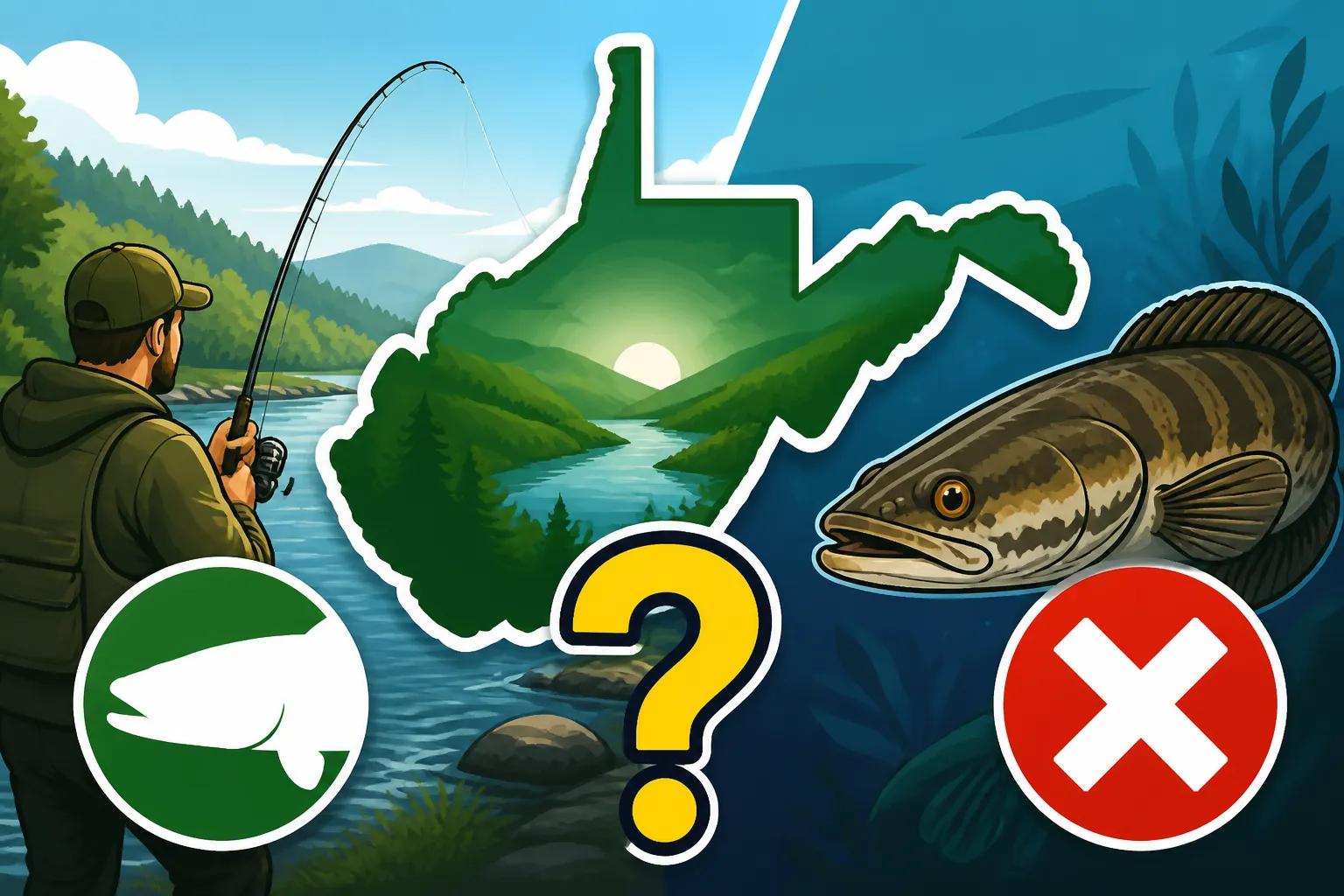
It’s a question that keeps many of us West Virginia anglers up at night: are snakehead fish, those aggressive, air-breathing predators, making their way into our beloved mountain state waters? The fear is real, and the potential impact on our native fish populations is something no one wants to imagine. This comprehensive guide is here to tackle that concern head-on, providing you with the most up-to-date information on the presence of snakeheads in West Virginia, how to identify them, and what crucial steps to take if you ever encounter one.
Understanding the Threat: What Are Snakehead Fish?
Before we dive into their presence (or lack thereof) in West Virginia, it's really important to understand what a snakehead fish is and why it's such a significant concern for fisheries management and anglers alike. These aren't just any new fish in the pond; they represent a serious ecological threat wherever they establish populations.
The Invasive Nature of Snakeheads
Northern Snakeheads, specifically, are native to parts of Asia and Africa. They were first introduced into North American waters through various means, often unintentionally through the live food fish market or sometimes intentionally by individuals releasing them from aquariums. The problem is, once they're in a new environment, they tend to thrive. They're incredibly adaptable, able to tolerate a wide range of water conditions, from brackish estuaries to freshwater ponds and rivers. Their ability to breathe air means they can survive out of water for extended periods, even "walking" short distances across land from one water body to another if conditions are wet enough. This characteristic alone sets them apart from most native fish and makes containment incredibly difficult.
What makes them truly fearsome is their predatory nature. They're voracious eaters, preying on whatever fish, amphibians, and even small mammals they can catch. Imagine a fish that can wipe out local baitfish populations, outcompete native bass for food, and then reproduce rapidly with little natural predation. That's the snakehead in a nutshell. Their presence can severely disrupt local ecosystems, impacting everything from trout streams to warmwater lakes. When you think about the delicate balance of our Appalachian waterways, the thought of such a disruptive force is genuinely alarming.
Why West Virginia Anglers Should Care
As West Virginia anglers, we have a deep connection to our rivers and lakes. We cherish our Best Fishing Lakes in West Virginia and Best Fishing Rivers in West Virginia, the thrill of catching a feisty smallmouth bass on the New River or a beautiful trout in the Cranberry. The introduction of an invasive species like the northern snakehead poses a direct threat to these cherished experiences and the fish we love to pursue. They can outcompete native species for food and habitat, prey on young sport fish, and potentially introduce diseases.
Consider the ripple effect: if snakeheads establish themselves, they could decimate populations of forage fish, which in turn would impact the larger predatory fish we target, like muskie, bass, and walleye. The vibrant biodiversity that makes our West Virginia fishing so unique could suffer irreparable harm. Beyond the ecological impact, there's the economic impact on bait shops, guide services, and tourism that relies on healthy fish populations. It’s not just about losing a few fish; it's about safeguarding the future of fishing in our state. That's why being informed and vigilant is crucial for every angler.
Are Snakeheads in West Virginia Waters? The Current Situation
This is the million-dollar question for many anglers, and it's something the West Virginia Division of Natural Resources (WVDNR) takes very seriously. Thankfully, for the most part, West Virginia has been able to keep these invaders at bay.
Documented Sightings and Confirmed Presence
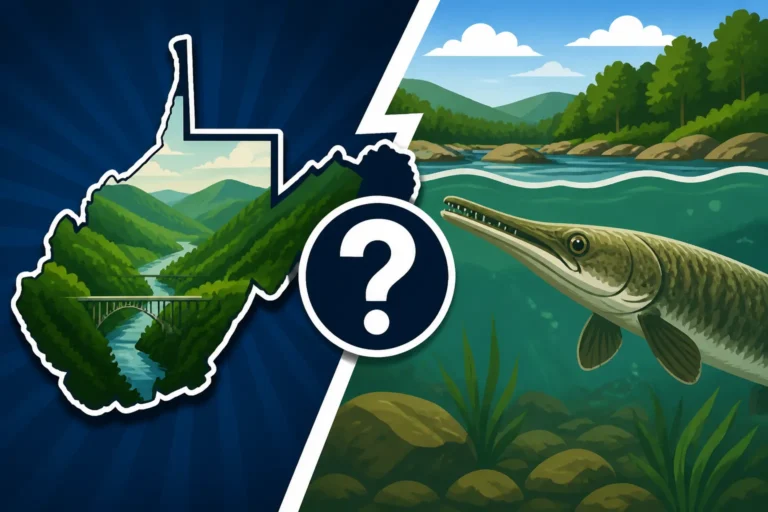
As of now, West Virginia has been fortunate. There have been no confirmed breeding populations of northern snakehead fish reported within our state's waters. This is fantastic news, but it doesn't mean we can let our guard down. We are surrounded by states where snakeheads have been found, notably Maryland and Virginia, where they've become established in certain river systems, including tributaries that flow into the Potomac River basin. While the Potomac forms part of West Virginia's eastern border, confirmed sightings on our side of the main stem or its direct tributaries feeding into it have been extremely rare and isolated.
Historically, there have been a handful of individual snakeheads reported and removed from various bodies of water, usually isolated incidents believed to be the result of illegal releases rather than an established, reproducing population. For example, a few years back, an individual snakehead might have been caught in a private pond or a small creek. Each of these instances triggers immediate investigation and rapid response from the WVDNR to prevent establishment. The WVDNR and other state agencies maintain constant vigilance, sampling, and monitoring efforts, especially in border waters and areas where such introductions are most likely. It's a testament to these efforts and the vigilance of local anglers that we haven't seen widespread establishment.
How Snakeheads Could Enter West Virginia
While we've been largely spared, it's important to understand the pathways through which these fish could potentially make their way into West Virginia. One of the most common vectors is illegal stocking or release by individuals. Someone might buy a snakehead at a live fish market, get it as a novelty pet, and then release it into a local pond or stream when it outgrows its tank or becomes too difficult to manage. This is incredibly irresponsible and detrimental to our ecosystems. Always remember that releasing non-native species is illegal and can have devastating consequences.
Another pathway is through interconnected waterways. The Potomac River system, which borders West Virginia, is a known habitat for snakeheads in upstream states. While our direct tributaries into the Potomac haven't shown established populations, it's not impossible for individual fish to swim into West Virginia waters. Heavy rain events and flooding can also expand their range, allowing them to move into new areas, sometimes even overland, as mentioned earlier. We also need to consider bait bucket transfers, though this is less common for snakeheads given their size. Anglers traveling between states should always be mindful of not inadvertently transferring any invasive species, including baitfish, from one watershed to another. Education and responsible angling practices are our first line of defense against these unwelcome guests. This is why understanding West Virginia Fishing Regulations Explained is so crucial, as they often contain rules against transferring live fish.
Identifying a Snakehead: What to Look For
Okay, so you're on the water, maybe fishing for Smallmouth Bass Fishing in West Virginia or enjoying a day on one of our beautiful lakes, and you catch something that just doesn't look quite right. Your heart starts pounding. Is it a snakehead? Knowing how to properly identify one is absolutely critical. A misidentification could lead to unnecessary panic, but more importantly, a missed identification could mean an invasive species goes unreported.
Key Characteristics of Northern Snakeheads
Northern snakeheads have several distinct features that set them apart from native fish. Pay close attention to these details:
- Body Shape: They have a long, slender, cylindrical body, much like a snake, which is where they get their name. This is quite different from the typically deeper, more compressed bodies of many native West Virginia fish.
- Head: Their head is very snake-like, flattened with large scales on top. Their eyes are located more towards the side and top of their head, giving them a reptilian appearance.
- Dorsal Fin: A single, very long dorsal fin runs almost the entire length of their back. This is a key identifier. It's continuous and doesn't have any significant breaks or spines like some other fish might.
- Anal Fin: Similar to the dorsal, their anal fin is also long, though shorter than the dorsal, extending about two-thirds the length of their underside.
- Pectoral Fins: Their pectoral fins are relatively small.
- Coloration: They typically have a mottled, blotchy pattern of dark brown or black on a lighter tan or golden background, which helps them camouflage in weedy or woody cover. This pattern can vary but is generally distinctive.
- Teeth: If you can safely get a look, they have a mouth full of sharp, needle-like teeth, clearly designed for predation.
- Pelvic Fins: They possess pelvic fins, unlike some look-alikes.
Remember, when you're trying to identify a fish, getting a clear picture is incredibly helpful. If you have a waterproof phone case (you can find plenty of options on Amazon), snap a few photos from different angles. It's better to be safe than sorry when it comes to potential invasives.
Common Look-Alikes (and how to tell them apart)
It's easy to mistake a snakehead for some of our native fish, especially when you're caught off guard. The most common look-alike in West Virginia is the Bowfin (also known as dogfish or mudfish). Here’s how to tell them apart, along with a few other species:
| Feature | Northern Snakehead | Bowfin (Amia calva) | Chain Pickerel (Esox niger) | Burbot (Lota lota) |
|---|---|---|---|---|
| Dorsal Fin | Very long, continuous, runs almost entire back | Very long, continuous, but rounded, wave-like motion | Shorter, single, located far back near tail | Two dorsal fins, one short, one long |
| Tail Fin | Rounded | Rounded | Forked | Rounded, but with a single barbel on chin |
| Pelvic Fins | Present, located just behind pectoral fins | Present, located beneath pectoral fins | Present, located abdomen | Present |
| Head Scales | Large, snake-like scales on top of head | Head lacks large scales | Scales absent on lower half of gill cover | Head lacks large scales, barbels on snout |
| Anal Fin | Long, extends about two-thirds underside | Shorter, about half length of underside | Shorter, located directly under dorsal fin | Shorter |
| Eye Spot | No distinct eye spot on tail | Often has a distinct black spot (ocellus) on tail | No distinct eye spot | No distinct eye spot |
| Body Markings | Mottled, blotchy brown/black on lighter background | Mottled, olive to brown, often darker lateral stripe | Chain-like pattern of dark markings on light background | Mottled brown/yellowish, long, tapered body |
| Mouth/Teeth | Large mouth, sharp needle-like teeth | Large mouth, sharp teeth | Duck-bill snout, very sharp teeth | Large mouth, small teeth |
Another occasional confusion might be with a Chain Pickerel, though they have a more duck-bill shaped mouth and a distinct chain-like pattern, plus a dorsal fin located much further back. Even a Burbot, if you’re fishing far north in its range, could be mistaken due to its long body, but it has a very distinct single chin barbel and two dorsal fins. The most critical features for distinguishing a snakehead are that long, uninterrupted dorsal fin, the snake-like head, and the lack of a prominent eye-spot on the tail (which bowfin often have). When in doubt, take those pictures!
What to Do If You Catch a Snakehead in West Virginia
Okay, you've confirmed it. You've got a snakehead on the end of your line. This is where your actions become absolutely vital to protecting West Virginia's waterways. This is not the time for catch-and-release; it's time for immediate action. What to do if you catch an invasive fish species in West Virginia are very clear, and for good reason.
The "Do Not Release" Mandate
If you catch a snakehead, the mandate from the WVDNR is unequivocally clear: DO NOT RELEASE IT BACK INTO THE WATER. This is not a suggestion; it is a critical directive to prevent the establishment and spread of this destructive invasive species. While it might go against the ingrained catch-and-release ethos many of us practice, particularly for species like trout or muskie, the snakehead is an exception where conservation means elimination.
The WVDNR strongly encourages anglers to humanely kill any northern snakehead they catch immediately. This can be done by stunning it with a blunt object, completely severing the head, or gutting it. The goal is to ensure it cannot survive or reproduce. Don't feel bad about this; you are actively contributing to the health of our native fish populations and ecosystems by removing this threat. You're doing your part to protect the fishing heritage of West Virginia for future generations. It’s a tough decision for an angler who respects all life, but this is a necessary sacrifice for the greater good.
Reporting Your Catch and Safe Handling Practices
After dispatching the fish, your next critical step is to report your catch to the West Virginia Division of Natural Resources. This is incredibly important because it allows the WVDNR to monitor for potential incursions, understand where these fish are showing up, and take any necessary containment or eradication measures.
Here's how to report and some safe handling tips:
- Take Photos: Before you do anything else, take several clear photos of the fish. Get shots of its entire body, its head (especially the top for those snake-like scales), and its fins. These photos are invaluable for WVDNR biologists to confirm the identification. Make sure your phone or camera is ready, perhaps kept in a waterproof bag you might have picked up on Amazon.
- Note Location: Accurately record the exact location where you caught the fish. GPS coordinates from your phone are best, but a detailed description of landmarks or the nearest access point is also very helpful. Note the date and time.
- Contact the WVDNR: Immediately contact the WVDNR district office responsible for the area where you made the catch. You can usually find their contact information on the WVDNR website or in the annual West Virginia Fishing Regulations Summary. Explain where and when you caught the fish, and be ready to share your photos.
- Dispose Properly: After reporting and taking photos, do not transport the live fish. You've already dispatched it. The WVDNR may want to collect the specimen for further study. If they don't, dispose of the fish properly, ensuring it won't re-enter the water or spread diseases. Do not discard it on the bank where it could attract scavengers or decompose improperly.
When handling a snakehead, be extremely cautious. They have sharp teeth and can thrash violently even out of water. Use a sturdy pair of pliers or gloves, which you can easily find on Amazon, if you need to handle it for photos or dispatching. Avoid touching the fish with bare hands if possible. Your vigilance and responsible actions are key to keeping West Virginia snakehead-free. This commitment to our waterways is part of what makes our angling community so special, and every one of us plays a role in protecting it.
Disclaimer
This article is for general informational purposes only and does not constitute professional advice. Laws, prices and regulations vary by location and change over time. Consult a qualified professional for guidance on your specific situation.