Difference between wild and stocked trout in West Virginia
One of the most common questions I get from fellow anglers hitting West Virginia's beautiful streams and rivers is, "Is there a real difference between a wild trout and one that's been stocked?" It's a great question, and honestly, the answer is a resounding "yes!" Many folks assume a trout is a trout, but understanding the nuances between wild and stocked fish can completely change your approach, your expectations, and ultimately, your enjoyment of a day on the water. This guide is here to unravel those distinctions, helping you become a more informed and successful angler in the Mountain State.
The Tale of Two Trout: Why It Matters to Anglers
When you think about trout fishing in West Virginia, you might picture pristine mountain streams or bustling put-and-take fisheries. Both are valid experiences, but the fish in those waters often tell very different stories. The reality is, not all trout are created equal, and knowing the difference isn't just a fun bit of trivia; it profoundly impacts your fishing strategy and even your conservation mindset.
Why Distinguishing Trout Types is More Than Just a Fun Fact
For many, a fish on the end of the line is a triumph, regardless of its pedigree. But for those of us who spend a lot of time on the water, whether it's fly fishing a secluded backcountry creek or soaking bait in a heavily stocked lake, being able to tell a wild trout from a stocked one offers a deeper connection to the sport. It's about understanding the ecosystem, respecting the fish, and appreciating the journey each fish has taken.
Consider the regulatory aspect. Sometimes, specific waters have different rules depending on whether they're managed for wild or stocked populations. Bag limits, tackle restrictions, or even season dates can vary, and mistaking one for the other could lead to an unintentional violation. For instance, West Virginia Trout Season and Stocking Rules often highlight specific regulations for different types of waters. Beyond the legalities, there's the personal challenge. Landing a truly wild fish, one that has survived and thrived entirely on its own, feels like a different kind of accomplishment. It speaks to a successful hunt, a well-presented fly, or a perfectly placed lure that tricked a naturally wary creature. On the other hand, a stocked trout provides fantastic opportunities for beginners, kids, or anyone just looking for consistent action without the intense scouting and finesse required for wild fish. Both are valuable, but they offer different experiences.
The Angler's Dilemma: Expectations vs. Reality on the Water
Imagine heading out with visions of battling hard-fighting, brightly colored trout in a remote setting, only to find that the fish you're catching are a bit sluggish and uniformly silvery. This mismatch between expectation and reality can be a real buzzkill. It's not that stocked trout aren't fun to catch, but if you're mentally prepared for a wild trout experience, the difference can be noticeable.
This distinction also influences tackle choices. You might be carefully tying on a tiny dry fly, trying to "match the hatch" for a finicky wild brook trout, when a simpler presentation with a worm or a shiny spinner would be far more effective for recently stocked fish. Many anglers, myself included, have spent countless hours trying to outsmart a wild trout with a complex setup, only to realize later that we were fishing a put-and-take area where the fish are still acclimating to a natural diet. Understanding the likely origin of the fish in a given water body allows you to set realistic expectations and select appropriate gear, minimizing frustration and maximizing your chances of success. It's about playing the right game for the right fish, and that often means understanding whether they're wild survivors or hatchery-raised opportunists.
Unpacking the Characteristics of Wild West Virginia Trout
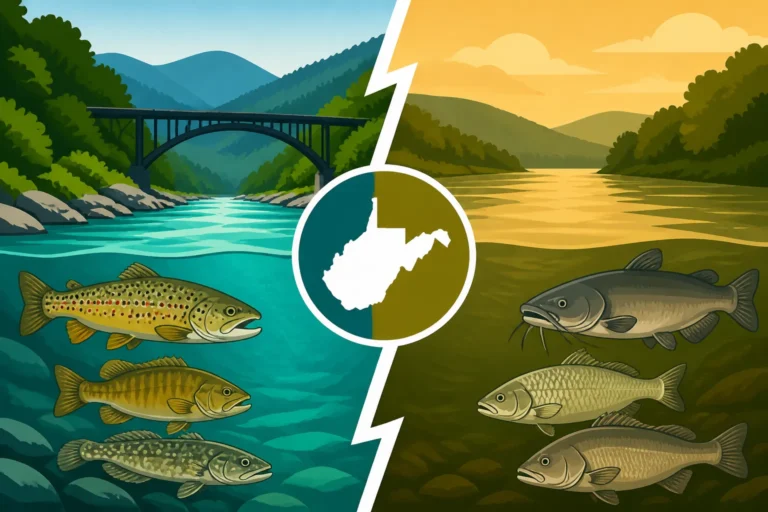
West Virginia is blessed with incredible wild trout fisheries, particularly in its higher elevation streams and remote backcountry. These fish are true survivors, and their physical appearance, behavior, and habitat preferences reflect a lifetime of adapting to challenging natural environments. They are the epitome of what many anglers dream of catching.
Physical Traits: Built for Survival in Mountain Streams
When you finally land a truly wild West Virginia trout, the first thing you'll likely notice is its stunning appearance. These fish are typically vibrant, lean, and incredibly strong. Their colors are often richer, more intense, and beautifully camouflaged for their natural surroundings. Think deep greens, vivid reds, and iridescent purples, often with distinctive patterns that blend perfectly with rocky stream bottoms and dappled sunlight.
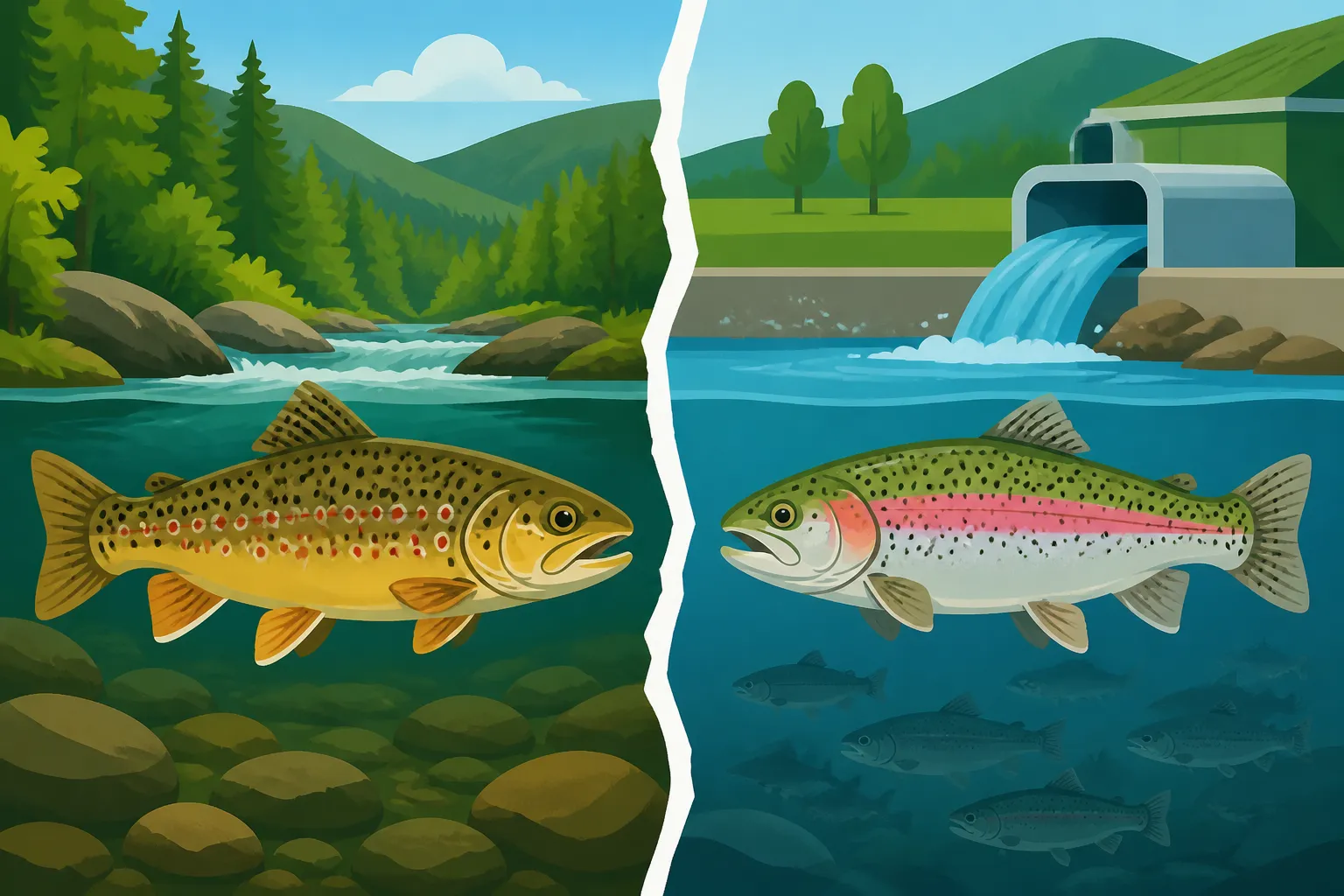
A key indicator of a wild trout is its fins. Look closely: wild trout will have perfectly formed, unclipped, and often razor-sharp fins. Their dorsal, pectoral, pelvic, and caudal (tail) fins will be strong and intact, without any signs of wear, fraying, or stunting. This is because they've had ample space to grow and develop their musculature in natural currents, rather than being confined in a hatchery raceway. Their body shape is also torpedo-like and streamlined, reflecting a life spent fighting currents and hunting live prey. Many wild trout, especially Brook Trout: West Virginia's Native and State Fish, will also display incredibly unique and intricate markings, like the worm-like vermiculation patterns on a brook trout's back, or the distinct red bands and spots of a wild rainbow or brown. These aren't just pretty; they're badges of a life lived wild.
Behavioral Patterns: Wily, Elusive, and Often Territorial
Catching a wild trout is often a testament to patience, stealth, and skill, precisely because these fish are incredibly wary. They've learned to avoid predators – both avian and terrestrial – and are highly sensitive to disturbances like shadows, heavy footsteps on the bank, or unnatural movements. This wariness is hardwired into their DNA.
Their feeding habits are also a stark contrast to their stocked counterparts. Wild trout subsist entirely on natural forage: aquatic insects (like mayflies, caddisflies, and stoneflies), terrestrial insects that fall into the water, small minnows, crawfish, and even tiny amphibians. This means they are selective eaters, often "keying in" on specific insect hatches or food sources. They hold in specific lies – behind rocks, in seams, under cut banks – where they can ambush prey with minimal energy expenditure while remaining hidden. When hooked, wild trout are renowned for their aggressive, acrobatic fights, often making powerful runs and spectacular jumps. They fight for their lives, and that raw power is unmistakable. They know their territory and will use every ounce of it to their advantage, making for an exhilarating battle on appropriate Best Gear for West Virginia Trout Fishing.
Natural Habitat and Reproduction: The Circle of Life
Wild trout thrive in specific types of habitats that provide all their fundamental needs: cold, clean, highly oxygenated water, stable stream beds with ample cover, and access to suitable spawning grounds. In West Virginia, you'll find these conditions in the headwaters of many mountain streams, often within forested areas that provide shade and prevent excessive water temperature fluctuations. What water temperature trout need to survive is critical for these fish.
These trout reproduce naturally, typically by laying eggs in gravel nests called "redds" in the fall (for brook and brown trout) or spring (for rainbow trout). Their offspring inherit the instincts for survival in the wild, perpetuating the cycle. This natural reproduction is a hallmark of a truly wild trout fishery, distinguishing it from waters that rely solely on human intervention for their trout populations. Preserving these habitats and ensuring successful natural reproduction is a cornerstone of responsible wild trout management, something that many organizations and anglers in West Virginia champion. Best Trout Streams in West Virginia are often those that support these thriving wild populations.
Getting to Know West Virginia's Stocked Trout
Stocked trout play a crucial role in West Virginia's fisheries program, providing widespread angling opportunities for thousands of people each year. They are a different breed, literally, and understanding their journey from hatchery to stream helps explain their unique characteristics.
Physical Appearance: The Hatchery's Signature
When you pull a freshly stocked trout from the water, you might notice some distinct differences from its wild cousin. The most immediate sign is often the condition of its fins. Due to living in crowded hatchery raceways, stocked trout frequently have fins that appear worn, rounded, frayed, or even partially missing. The caudal (tail) fin, in particular, can sometimes be stubby or damaged. This is a tell-tale sign that the fish has spent its early life in an artificial environment.
Their coloration can also be less vibrant, often appearing paler or more silvery compared to the deep, rich hues of wild fish. While they might still have some spots, they often lack the intricate, natural camouflage patterns seen on wild trout. Furthermore, stocked trout tend to be more uniform in size, as they are often raised to a specific length before being released. You won't typically see the wide range of sizes that indicate multiple age classes and natural reproduction. They might also appear a bit "plumper" or softer-bodied initially, a result of a consistent, high-protein pellet diet rather than the rigorous demands of hunting natural food in a strong current.
Behavioral Quirks: The "Easy Catch" (Sometimes)
One of the primary reasons for stocking trout is to provide accessible fishing, and their behavior often reflects this goal. Stocked trout, especially those recently released, tend to be far less wary than wild fish. They haven't had to develop the same level of caution against predators or learn to be selective about their food. This means they are often less spooked by shadows, noise, or even human presence, making them considerably easier to catch for many anglers.
Their diet history also plays a huge role. Having been raised on fish pellets, they often respond well to baits that mimic this familiar food source, such as PowerBait or corn. They might also strike readily at shiny lures or natural baits like worms, not out of hunger for a specific insect hatch, but out of a general opportunistic feeding instinct. You'll often find them congregating in larger schools, especially right after stocking, rather than holding discreet, territorial lies. While they can still put up a decent fight, particularly if they've been in the wild for a while and started to acclimate, their initial battles might feel less intense and prolonged than those of truly wild fish. The initial few days after a stocking event can be a frenzy, as these fish are actively looking for food.
The Stocking Program: A Boost for Angler Opportunity
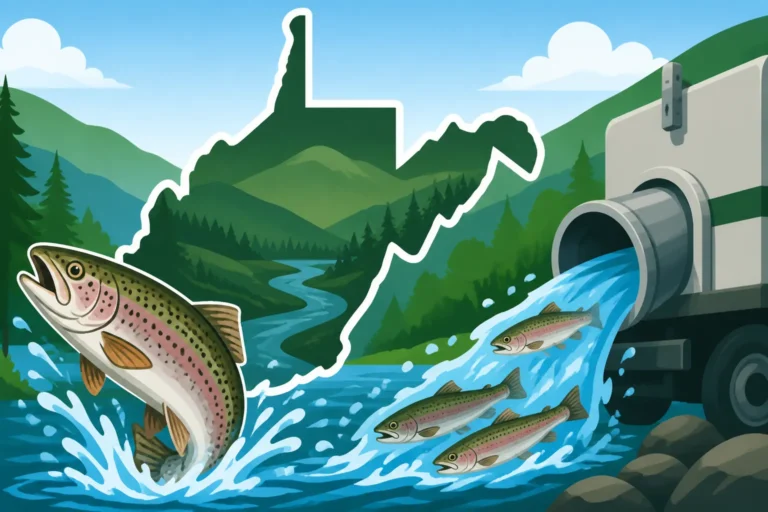
West Virginia's trout stocking program is a massive undertaking, designed to enhance angling opportunities across the state. Millions of trout are raised in state hatcheries and then distributed into designated "stocked trout waters" annually. These waters include many lakes, ponds, and river sections that might not otherwise support natural trout populations due to warmer temperatures or unsuitable spawning habitat.
The majority of these fish are Rainbow Trout Stocking in West Virginia, but brown trout and even golden rainbow trout are also stocked. The schedules are often publicly available, and many anglers eagerly await the West Virginia Trout Stocking Hotline and Schedule to plan their trips. This program ensures that even those without access to remote, wild streams can experience the thrill of catching trout. It introduces new anglers to the sport, provides a readily available food source for those who enjoy harvesting fish, and generally boosts outdoor recreation. It's a managed system designed for volume and accessibility, contrasting with the more delicate ecological balance of wild trout streams.
The Fishing Experience: A Different Kind of Challenge
Whether you're targeting wild or stocked trout, both offer immense satisfaction. However, the techniques, gear, and mindset you bring to the water will likely shift depending on which type of fish you're pursuing. It’s all part of the wonderful diversity of West Virginia fishing!
Tackle and Techniques for Wild Trout: Finesse and Stealth
When you're chasing wild trout, especially in West Virginia's smaller, clearer mountain streams, stealth is paramount. These fish are incredibly wary, and a heavy-footed approach or a brightly colored shirt can send them darting for cover. You'll want to move slowly, stay low, and minimize your profile. Fly Fishing for Trout in West Virginia is a popular and often highly effective method, requiring delicate presentations with small flies that imitate natural insects.
Light tackle is also essential. For spin anglers, this means ultralight rods and reels spooled with very light line, often 2-4 pound test. Small spinners, tiny spoons, or micro jigs are your best friends. The key is presenting your offering naturally, allowing it to drift or swim convincingly without a heavy splash. Reading the water becomes critical – identifying pockets, seams, and eddies where a wild trout might be holding, out of the main current but ready to ambush prey. Many anglers also practice West Virginia Catch and Release Rules for Trout with wild fish, using barbless hooks and proper handling techniques to ensure their survival and maintain these precious populations. It's a game of subtlety, observation, and respect for a truly wild creature.
Approaches for Stocked Trout: Variety is the Spice of Life
Fishing for stocked trout can be a much more forgiving and often highly productive experience, especially for those who are new to fishing or simply looking for consistent action. Because these fish are less wary and accustomed to an artificial diet, a wider array of baits and lures will often prove successful.
Classic baits like live worms, corn, or commercial dough baits like PowerBait are incredibly effective, particularly when fished on the bottom with a small weight or suspended under a bobber. For lure anglers, flashy spinners, spoons, and small crankbaits are excellent choices. Spring Trout Fishing Techniques for West Virginia Streams often involve these methods as freshly stocked fish are eager to bite. The presentation doesn't always need to be as delicate; a splashier retrieve can even attract attention. You'll often find groups of anglers gathered at popular stocking locations, sharing tips and enjoying the camaraderie. While the fight might not always be as long or acrobatic as a wild trout, the sheer numbers and willingness to bite make for a fun day on the water, providing ample opportunity to hone your casting and landing skills. Don't be afraid to experiment with different colors and sizes; I've found some surprising hits on unusual choices I picked up from Amazon.
Conservation and Ethics: Protecting Both Populations
Regardless of whether you're targeting wild or stocked trout, practicing responsible angling ethics is always important. For wild trout, this often means prioritizing catch-and-release, using barbless hooks, and minimizing handling time to protect these valuable, self-sustaining populations. Their survival is crucial for the health of the ecosystem.
For stocked trout, while harvesting is often encouraged and part of the program's intent, it's still about being a respectful and responsible angler. This includes proper disposal of trash, respecting private property, and understanding local regulations regarding West Virginia trout limit per day. If you do decide to keep some fish for the table, ensure you know how to properly clean and store them. Ultimately, both types of trout contribute to the rich tapestry of West Virginia fishing, and our shared responsibility is to ensure these opportunities remain vibrant for generations to come.
Here's a quick overview of the key differences:
| Feature | Wild Trout | Stocked Trout |
|---|---|---|
| Physical Appearance | Vibrant, rich colors, intricate patterns | Paler, silvery, more uniform coloration |
| Fin Condition | Perfect, strong, intact fins | Worn, frayed, rounded, or damaged fins |
| Body Shape | Lean, streamlined, muscular | Sometimes plumper, softer-bodied initially |
| Behavior | Extremely wary, elusive, selective feeders | Less wary, opportunistic, congregate |
| Diet | Natural insects, minnows, crawfish | Hatchery pellets (initially), then natural food |
| Fight | Strong, acrobatic, sustained | Varies, often less intense initially |
| Habitat | Cold, clear, oxygenated headwaters | Wider range of waters, including warmer lakes |
| Reproduction | Natural, self-sustaining populations | Primarily hatchery-dependent |
| Survival Rate | High, adapted to natural environment | Lower, especially immediately after stocking |
| Typical Size | Varies greatly, can be smaller or trophy | More uniform size at stocking |
Disclaimer
This article is for general informational purposes only and does not constitute professional advice. Laws, prices and regulations vary by location and change over time. Consult a qualified professional for guidance on your specific situation.