Are Carp Good to Eat from West Virginia Rivers?
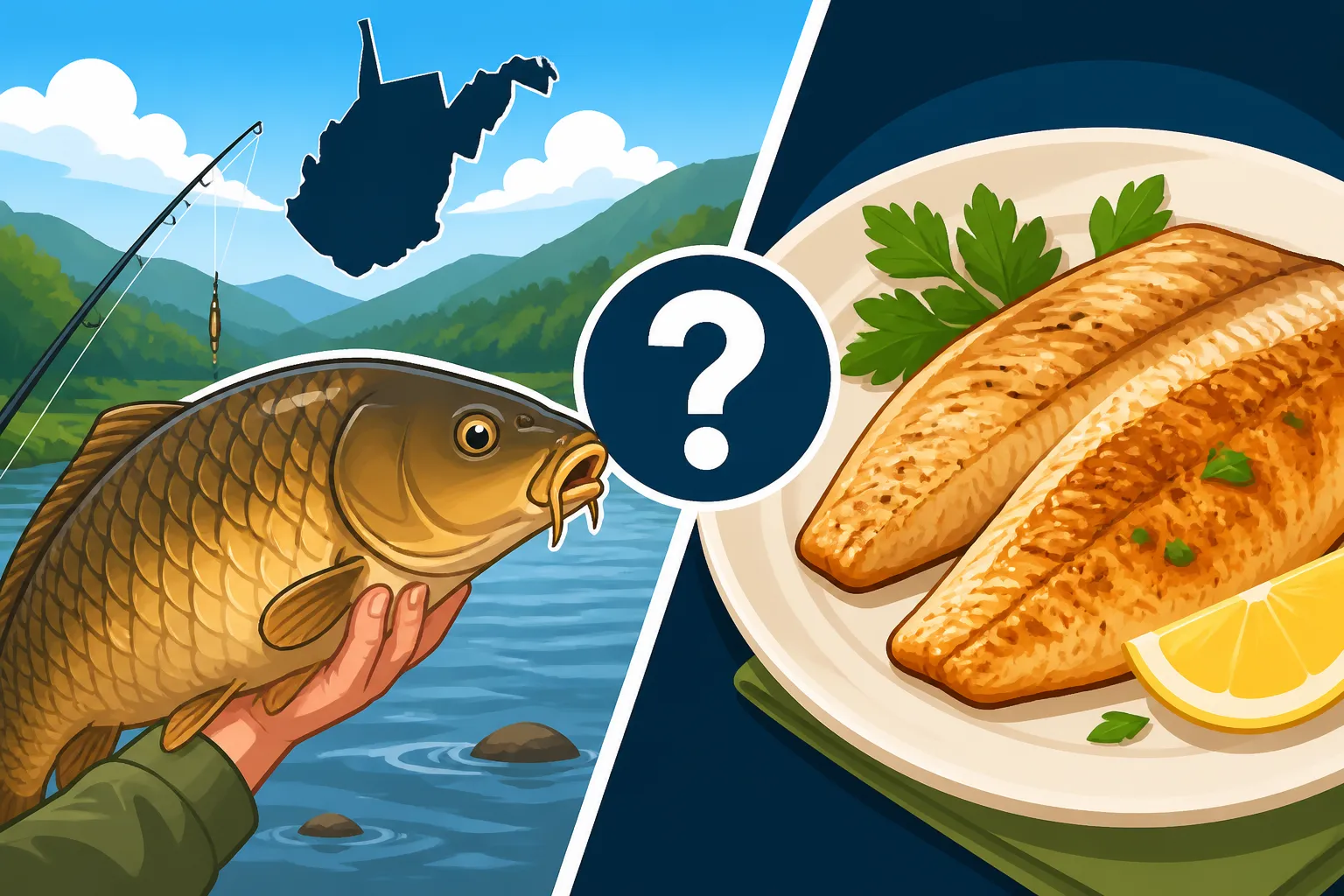
It's a question that sparks a lot of debate among anglers across the Mountain State: are carp from West Virginia rivers actually good to eat? For many, the very idea might conjure images of muddy flavors and bony fillets, but for others, it represents a delicious, underutilized resource. This guide is here to cut through the myths and give you the realistic lowdown on preparing and enjoying carp caught right here in West Virginia's beautiful waterways.
The Carp Conundrum: Why the Bad Rap?
Let's be honest, carp don't always get the respect they deserve in many angling circles. Often viewed as "trash fish" or rough fish, they're not typically the glamorous catch many anglers dream of. This perception, unfortunately, translates directly into how people view them on the dinner plate. The truth is, a lot of the stigma around eating carp comes from historical prejudice, a lack of understanding about proper preparation, and some genuine concerns about where they've been caught. It’s not fair to lump all carp into one category, just as you wouldn't dismiss all fish. You might be surprised at the culinary potential that awaits if you're willing to give them a fair shot.
Many of us grew up hearing tales of carp tasting "muddy" or being too bony to bother with, and these ideas stick with you. It’s a completely natural assumption, especially when you see them rooting around in riverbeds. However, much like catfish, another bottom-dwelling species that is widely enjoyed, the taste of carp is heavily influenced by its environment and, crucially, how it’s handled after being caught. Don't let old wives' tales prevent you from exploring a new protein source, especially when you consider the abundance of Common carp size and habits in West Virginia rivers.
Bottom Feeders and Their Diet
One of the biggest reasons carp get a bad rap for taste is their reputation as bottom feeders. They forage along the riverbed, sifting through sediment for insects, larvae, crustaceans, and plant matter. It's this habit that leads many to believe their flesh will taste inherently "muddy." While it's true that a carp's diet can influence its flavor, it's not a death sentence for your dinner plans. Think about it: many prized species, like certain types of catfish, also spend their lives on the bottom, and we love them! The key is understanding that "bottom feeder" isn't synonymous with "bad tasting."
The specific diet can vary depending on the body of water. A carp caught from a clear, flowing river with plenty of natural food sources might taste very different from one caught in a stagnant, silty pond. For instance, carp from the New River, with its cleaner, faster-moving water, might have a much milder flavor than those from a slow, warm backwater slough along the Ohio River. Their diet is diverse, and this adaptability helps them thrive, but it also means their flavor profile isn't always consistent.
Water Quality and Habitat
Just as crucial as their diet is the overall water quality and habitat from which the carp is caught. A carp living in clean, cool, oxygenated water will generally have firmer, milder-tasting flesh than one from warm, murky, stagnant conditions. This is where local knowledge truly comes into play. Anglers who frequently fish specific stretches of our Best Fishing Rivers in West Virginia can often tell you which areas produce cleaner-ttasting fish, regardless of species.
West Virginia has a vast network of rivers and lakes, and the water quality can differ significantly from one location to another. Rivers like the New River Gorge or parts of the Greenbrier River tend to have clearer, cooler water, while certain impoundments or slower river sections might be warmer and murkier. If you're planning to try carp for dinner, choosing your fishing spot wisely can make a world of difference. Always check for Which West Virginia waters have fish consumption advisories before you plan to eat any fish, carp or otherwise, to ensure safety.
Preparing Carp for the Table: Techniques to Improve Flavor
So, you've landed a nice carp, maybe from a cleaner section of the Kanawha River or the Potomac. Now what? The real magic happens in the preparation. This isn't like cleaning a trout or a panfish; carp require a bit more attention to detail to transform them into a delicious meal. But don't be intimidated! With a few simple steps, you can significantly improve the flavor and texture, making them worthy of your dinner table.
Many anglers shy away from carp because of the perceived difficulty, but it's really about knowing the right techniques. Think of it as a culinary adventure. You're taking a fish that many overlook and turning it into something special. It’s incredibly satisfying to overcome that initial skepticism and create a meal that truly changes perceptions. It starts from the moment the fish leaves the water.
Bleeding and Field Dressing
This is perhaps the single most important step for improving the flavor of any fish, and carp are no exception. Blood left in the flesh can lead to a strong, "gamey" or "muddy" taste. As soon as you catch a carp you intend to eat, bleed it immediately. You can do this by cutting the gills or severing the caudal artery near the tail. This allows the blood to pump out while the heart is still beating.
After bleeding, gut the fish as soon as possible. Remove the entrails and thoroughly rinse the body cavity with cool, clean water. If you're out on the river, having a cooler with ice is crucial. Get that fish on ice quickly to slow down spoilage and prevent off-flavors from developing. This immediate care dramatically affects the final taste, far more than you might realize. Many anglers keep a small, sharp knife handy for this exact purpose, easily found on Amazon or any sporting goods store.
Soaking and Cleaning
Once you've bled and gutted your carp, the next step is to further clean and potentially soak the fillets to draw out any remaining undesirable flavors. After filleting, which we'll cover next, you can soak the carp pieces in a brine solution (saltwater), milk, or even a mixture of water and vinegar for several hours, or even overnight, in the refrigerator. Milk is a popular choice as its lactic acid is believed to neutralize some of the stronger flavors.
Change the soaking liquid periodically if it becomes discolored. This process helps to leach out any residual blood or impurities that might contribute to a muddy taste. Think of it like preparing venison or other wild game; sometimes, a little extra care in the soaking stage makes all the difference between a tough, gamey meal and a tender, flavorful one. This step is particularly effective if you suspect the carp came from waters that might impart a stronger flavor.
Filleting and Dealing with Y-Bones
Now, for the big one: the Y-bones. This is often the primary reason anglers avoid carp, as these bones can make filleting a challenge. However, with the right technique, you can easily navigate them. Start by cutting a fillet off the side of the fish, just like you would with any other species. Once you have the main fillet, you'll feel a row of small, flexible Y-bones running along the lateral line.
Here’s a common method: lay the fillet skin-side down. Locate the Y-bones, which will feel like a firm ridge. Make a cut above the bones, parallel to them, down to the ribs. Then, make a second cut below the bones, again parallel, to completely remove the strip containing the Y-bones. You’ll be left with two boneless strips of meat from each fillet. It takes a little practice, but it's much easier than trying to pick them out at the dinner table. A good, flexible fillet knife, like those you might find on Amazon, makes this process much smoother. Remember, patience is key, and watching a few online tutorials can be a huge help if you're a visual learner.
Delicious Carp Recipes: Beyond the Fryer
Okay, you've got your beautiful, boneless carp fillets. Now comes the fun part: cooking them! Forget the idea that carp can only be deep-fried to hide its flavor. While fried carp can be delicious, there are so many other ways to prepare this versatile fish that truly highlight its texture and mild, sweet notes (yes, sweet!). Don't limit yourself; explore different culinary avenues.
Many people are surprised to learn that carp, when prepared correctly, has a firm, flaky, white flesh that can stand up to a variety of cooking methods. It's not unlike some freshwater game fish in its texture, perhaps a bit richer. The goal here is to accentuate its natural flavor, not to mask it. Think about the flavors that complement white fish, and you're already on the right track.
Smoking and Pickling
Smoking carp is a fantastic way to impart deep, rich flavor and tenderize the meat. The firm flesh of carp holds up wonderfully to the smoking process. After brining your fillets (a good brine recipe with brown sugar, salt, and spices works wonders), smoke them slowly over hickory, apple, or cherry wood chips until they are flaky and golden. Smoked carp can be eaten on its own, flaked into dips, or used in sandwiches. It’s absolutely delicious and a great way to use larger fish.
Pickling is another traditional method, especially popular in Eastern European cuisines. Pickled carp, often served cold, has a tangy, savory flavor and a firmer texture. The pickling brine, typically vinegar-based with spices like bay leaf, mustard seed, and peppercorns, further tenderizes the small bones (if any were missed) and infuses the fish with incredible flavor. This is an excellent option for preserving your catch and enjoying it later. You can find many recipes for both smoking and pickling online, and the necessary supplies, from brining buckets to smoking chips, are readily available.
Grilling and Baking
For a healthier and equally flavorful approach, grilling or baking carp fillets are excellent choices. Carp has enough fat content to remain moist during these cooking methods, preventing it from drying out. When grilling, marinate the fillets in lemon juice, olive oil, garlic, and your favorite herbs for at least an hour. Grill over medium-high heat until cooked through and flaky, usually just a few minutes per side depending on thickness.
Baking offers similar benefits. Place seasoned carp fillets in a baking dish with a splash of white wine or broth, some sliced onions, and fresh herbs. Cover with foil to steam, then uncover for the last few minutes to allow a nice crust to form. The result is a tender, moist fish with delicate flavor. Serve it with roasted vegetables or a fresh salad for a complete meal. Don't forget that a good Best Fillet Knife for Cleaning Trout will also serve you well when preparing carp for these methods.
Carp Cakes and Other Creative Dishes
If you're still hesitant about the bones or want to try something truly unique, carp cakes are a revelation. Similar to crab cakes, you can flake cooked carp meat (boiled or steamed works well for this), mix it with breadcrumbs, egg, mayonnaise, diced celery, onion, and seasonings like Old Bay or dill. Form into patties and pan-fry until golden brown. These are an absolute crowd-pleaser and often convert even the most skeptical eaters.
Beyond cakes, consider carp in stews, curries, or even tacos. Its firm flesh stands up well to bolder flavors and textures. Imagine a hearty carp chowder on a cool West Virginia evening, or spicy carp tacos with fresh salsa. The possibilities are truly endless once you approach carp with an open mind and a willingness to experiment. A sturdy Best Tackle Bag for Bank Fishing might even hold some of your favorite seasoning blends for impromptu riverside cooking experiments!
Here's a quick comparison of popular carp preparation methods:
| Method | Preparation Steps | Flavor Profile | Texture | Ideal For | Notes |
|---|---|---|---|---|---|
| Smoking | Brine fillets, smoke slowly over wood chips | Deep, smoky, rich | Flaky, moist | Large fillets, appetizers, sandwiches | Excellent for masking any residual "muddy" flavors. |
| Pickling | Cube fish, marinate in vinegar-based brine | Tangy, savory, spiced | Firm, tender | Small pieces, cold dishes, preserving | Great for softening tiny bones and enhancing flavor. |
| Grilling | Marinate fillets, grill over medium-high heat | Fresh, savory, slightly charred | Firm, moist | Fillets, quick meals, outdoor cooking | Works best with boneless fillets to avoid dryness. |
| Baking | Season fillets, bake with liquids (wine/broth) | Mild, tender, aromatic | Flaky, very moist | Fillets, healthier options, family dinners | Easy, consistent cooking; great for delicate flavors. |
| Fish Cakes | Flake cooked meat, mix with binder, pan-fry | Savory, crispy exterior | Soft, flaky interior | Appetizers, sandwiches, kids' meals | Hides bones entirely, allows for creative seasoning. |
Health Considerations and Consumption Advisories
While carp can be a delicious and abundant food source, it's absolutely vital to be aware of potential health considerations, particularly regarding environmental contaminants. This isn't just true for carp; it applies to any fish you might harvest from our waters. Being an informed angler means not only knowing West Virginia Fishing Regulations Explained but also understanding the safety of your catch.
The good news is that West Virginia's Department of Environmental Protection and the Division of Natural Resources actively monitor fish populations and issue advisories when necessary. It's your responsibility as a consumer and angler to stay informed about these recommendations. Ignorance is definitely not bliss when it comes to what you're putting on your plate.
Mercury and Contaminants
Fish, especially those higher up the food chain or those that live longer, can accumulate mercury and other contaminants like PCBs (polychlorinated biphenyls) in their flesh. Carp, being long-lived and bottom-dwelling, can be susceptible to accumulating these substances, particularly in certain industrial areas or older impoundments. Mercury levels can vary significantly from one body of water to another, and even within the same species.
The good news is that advisories are typically issued to guide safe consumption. These advisories often provide recommendations for how much of a particular species from a specific waterbody is safe to eat per week or month, especially for sensitive populations like pregnant women, nursing mothers, and young children. You can often find this information by reviewing the annual West Virginia Fishing Regulations Summary, which is often available as a PDF online. This ensures you're making safe choices for yourself and your family.
The Importance of Local Advisories
Relying on general assumptions about fish safety isn't enough. It's imperative to check the specific, up-to-date consumption advisories for the particular river or lake where you plan to fish for carp. West Virginia's DNR or Department of Health and Human Resources typically publish these guidelines annually. These advisories are based on scientific testing of fish tissue from various locations across the state and are tailored to reflect local conditions.
For instance, certain stretches of the Ohio River or Kanawha River might have different recommendations than a pristine mountain stream. These advisories take into account factors like industrial discharges, historical pollution, and the accumulation of substances like PCBs or mercury. Always consult the official West Virginia resources for the most current information on Mercury advisory fish species in West Virginia waters. Being a responsible angler means not only understanding your fishing license requirements and catch limits but also ensuring the fish you harvest is safe to eat. Remember, fishing without a license in West Virginia can result in penalties, so always stay current on regulations.
Disclaimer
This article is for general informational purposes only and does not constitute professional advice. Laws, prices and regulations vary by location and change over time. Consult a qualified professional for guidance on your specific situation.