West Virginia state record rainbow trout weight
Catching a rainbow trout in West Virginia is a special experience for any angler, but the dream of landing a true lunker – a fish of state-record proportions – is what truly fuels the passion for many of us. It’s a pursuit that combines skill, patience, and a little bit of luck, leading to moments that become legendary among fishing circles. This guide aims to shed light on the incredible achievement of the West Virginia state record for rainbow trout, explore what it takes to catch such a magnificent specimen, and offer some actionable advice for those hoping to chase their own giants in our wild and wonderful waters.
The West Virginia Rainbow Trout State Record: A Testament to Patience
For many, the idea of a state-record fish feels almost mythical, a feat reserved for seasoned veterans or those with unbelievable luck. But these records are very real, and they stand as a monument to the quality of West Virginia's fisheries and the dedication of its anglers. Knowing the benchmark for a true trophy rainbow can inspire us all to cast just one more time, explore a new bend in the river, or try a different fly.
Unveiling the Record-Breaking Catch
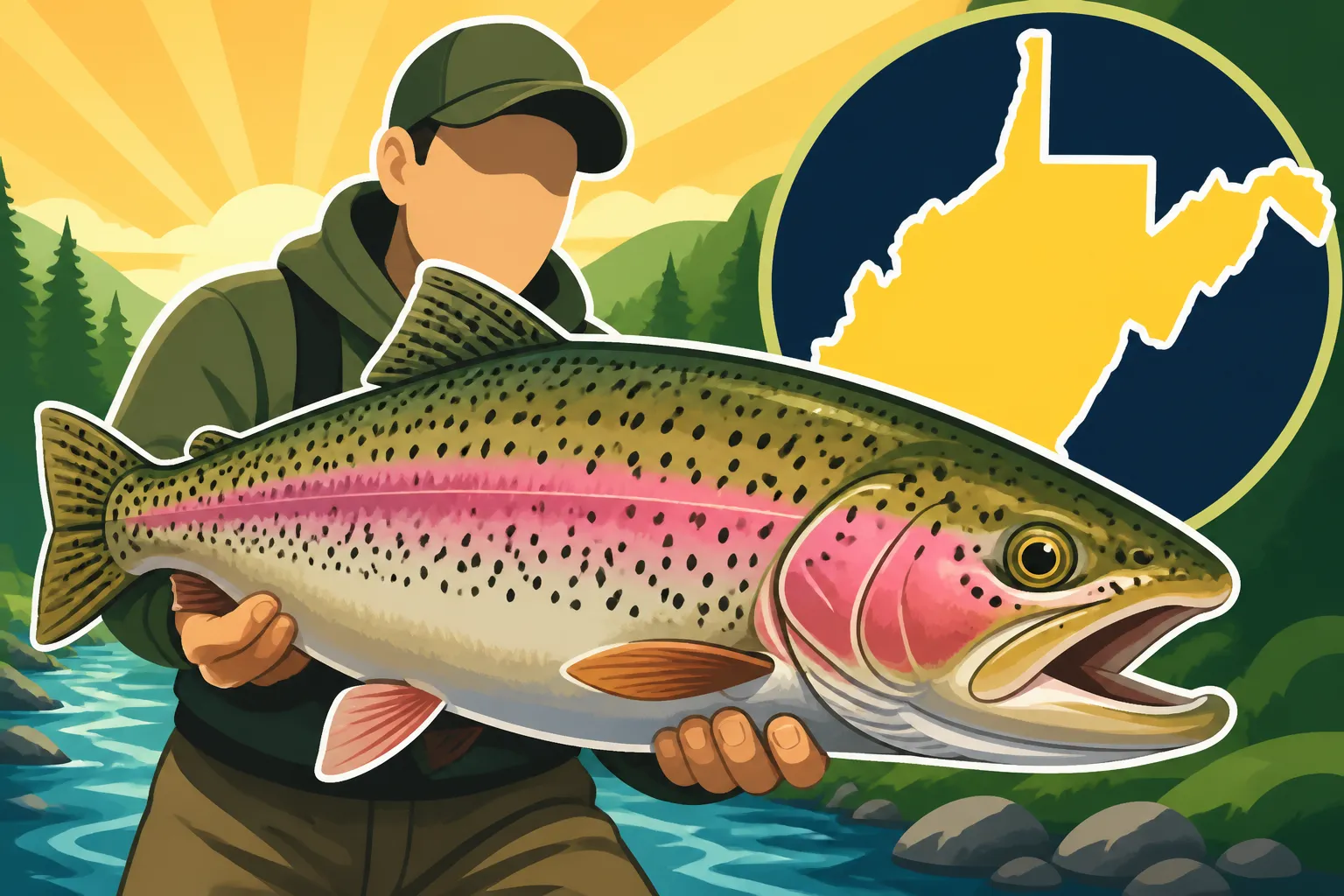
The current West Virginia state record for a rainbow trout stands at an impressive 17.38 pounds. Just imagine holding a rainbow trout of that magnitude! It's a fish that speaks volumes about the rich, cold waters it called home and the abundant food sources available to it. For many of us who regularly catch rainbows in the 12-to-18-inch range, a fish pushing nearly 18 pounds seems almost incomprehensible. It's not merely a big fish; it's an apex predator of its environment, a testament to longevity and perfect growing conditions. The story behind such a catch often involves a perfect storm of factors: the right angler, at the right place, at the right time, with the right technique, combined with a truly exceptional fish. These are the kinds of stories that get retold around campfires for generations.
Why Rainbow Trout Records Matter to Anglers
State records do more than just fill a page in a record book; they provide an aspirational goal and a tangible benchmark for what's possible in West Virginia's waters. For dedicated trout anglers, the existence of such a record is proof that our state's streams and lakes can produce truly world-class fish. It encourages us to think about conservation, the health of our aquatic ecosystems, and the importance of responsible fishing practices that allow fish to grow to such impressive sizes. Pursuing a trophy isn't just about the catch; it's about the journey, the challenge, and the deep connection we forge with nature. It’s also a powerful reminder that while many Rainbow Trout Stocking in West Virginia efforts provide smaller, catchable fish, there’s always the potential for a monster lurking.
Chasing Giants: Understanding Trophy Rainbow Trout in West Virginia
So, how does a rainbow trout get to be almost 18 pounds in West Virginia? It’s a combination of environment, genetics, and sometimes, a little help from thoughtful management. Understanding these factors can help you narrow down your search and increase your chances of hooking into a truly memorable fish.
Where Do These Big Rainbows Come From?
Most of the rainbow trout we encounter in West Virginia are a result of the extensive stocking programs carried out by the state. The West Virginia Division of Natural Resources (WV DNR) puts a tremendous amount of effort into raising and releasing trout into suitable waters across the state. While many of these are "catchable size" when stocked, a significant number of them become what we call "holdover" trout. These are fish that survive beyond the initial wave of angler pressure and continue to live and grow in the stream or lake, often feeding on natural forage. For more on this, check out What a Holdover Trout Is. In environments with abundant food sources like scuds, insect larvae, small baitfish, and crawfish, and with stable water temperatures, these holdovers can grow at an astonishing rate. Larger lakes and tailwaters, with their consistent cold water and rich invertebrate life, are often prime candidates for nurturing these giants.
Key Factors for Growing a Record-Caliber Trout
For a rainbow trout to reach record proportions, several critical elements must align. First and foremost is a consistent, high-quality food supply. This isn't just about stocking; it's about the natural ecosystem providing a buffet for these fish year-round. Second, the water quality and temperature must be ideal. Rainbow trout thrive in cold, oxygen-rich waters, and sustained periods of favorable conditions allow them to grow without stress. Finally, age plays a huge role. These massive fish aren't caught in their first or second year; they've likely evaded anglers for many seasons, growing steadily larger. Some of our state's special regulation waters, often with catch-and-release rules or specific West Virginia Bag and Possession Limits by Species, create an environment where fish can live longer and grow bigger, increasing the odds of a true trophy. Knowing Life span of a rainbow trout in the wild can help you appreciate just how long some of these fish have been growing.
| Type of Rainbow Trout | Primary Origin | Typical Size Range (Catchable) | Growth Potential | Key Traits for Anglers |
|---|---|---|---|---|
| Stocked | Hatchery | 10-14 inches | Moderate | Easily caught, often active after stocking |
| Holdover | Stocked, then survived | 14-20+ inches | High (with good food) | Warier, stronger fighters, mimics wild trout habits |
| Wild | Natural Reproduction | Varies greatly (often smaller) | Moderate to High | Extremely wary, vibrant colors, native to stream |
| Trophy (Record) | Holdover or exceptional Wild | 20+ inches, multiple pounds | Exceptional | Extremely rare, requires specific habitat & food |
Beyond the Record: Practical Tips for Catching Large Rainbow Trout
While a state record is a lofty goal, applying trophy-hunting strategies can still lead to catching some of the biggest rainbow trout you’ve ever seen. It’s about being prepared, persistent, and a bit cunning in your approach.
Tactics and Gear for Trophy Rainbows
When targeting larger rainbow trout, your approach needs to be refined. These aren't the eager, recently stocked fish you'd find right after a stocking truck leaves. These are smart, wary fish. For fly anglers, this often means presenting larger streamers, nymphs, or even dry flies that imitate substantial insects or baitfish. Think about patterns that mimic sculpins, large stoneflies, or even mice. For spin fishermen, larger inline spinners, spoons, or crankbaits that imitate baitfish can be incredibly effective. Consider using a medium-light to medium power spinning rod, paired with a reel spooled with 6-8 pound fluorocarbon or monofilament line. A quality fishing rod and reel combo, which you can easily find on platforms like Amazon, is essential for battling a powerful fish. Don't skimp on your leader material; a stealthy presentation is key in clear water. A large, rubber-mesh landing net is also crucial for safely subduing and releasing (or keeping, if within limits) a big fish. You can find excellent options for specialized gear on Amazon. For a deeper dive into general trout gear, explore Best Gear for West Virginia Trout Fishing.
Targeting Productive Waters and Seasons
The "where" and "when" are just as important as the "how" when chasing trophy rainbow trout. Look for waters known for their consistent cold temperatures and rich food sources. Tailwaters below large dams, certain deep lakes, and designated "trophy trout" or "catch-and-release" sections of rivers are often your best bets. These areas are managed to allow fish to grow to larger sizes, and the lack of harvest pressure helps ensure a healthy population of older, bigger fish. Always consult the West Virginia Fishing Regulations Explained for specific rules regarding these waters.
When it comes to timing, understanding West Virginia Trout Season and Stocking Rules is a good start, but trophy hunters often look beyond the initial stocking frenzy. While you might catch a large fish right after stocking, the true giants are often caught when conditions are less crowded, and the fish have had time to settle into a more natural feeding pattern. Early spring and late fall, when water temperatures are cool but not freezing, can be particularly productive times as large trout are often more active and aggressive feeders. Keep an eye on the West Virginia Trout Stocking Hotline and Schedule to gauge when new fish might be introduced, as the competition for food can sometimes stir up the bigger, established trout.
The Process of Officially Documenting a State Record Fish
So, you've done it! You've landed a rainbow trout that looks like it could break the state record. What now? The process of officially documenting a state record is meticulous and requires careful attention to detail to ensure accuracy and fairness for all anglers.
What to Do When You Catch a Potential Record
First and foremost, if you believe you've caught a potential state record, the immediate priority is to preserve the fish and its condition. If you intend to release the fish, take accurate measurements (length and girth) and high-quality photos, then contact the WV DNR immediately for guidance on submission if the size seems truly exceptional. However, for a state weight record, the fish generally needs to be weighed on a certified scale, which means it will likely need to be harvested.
Here's a quick checklist for a potential record fish:
- Keep it Alive (if possible and if planning release for a different record like length): If you can safely keep the fish in a livewell or a large net in the water, do so. For a weight record, this is often not feasible as the fish needs to go to a certified scale.
- Note the Location: Pinpoint the exact body of water and, if possible, the specific spot where the fish was caught. This information is crucial for DNR records.
- Contact WV DNR: As soon as possible, contact your local West Virginia Division of Natural Resources office or a game warden. They can guide you through the official process, including where to find certified scales and how to complete the necessary paperwork. Their expertise is invaluable.
- Protect the Fish: If it's a weight record and it cannot be kept alive, try to keep the fish in the best possible condition, perhaps on ice, to maintain its weight and integrity until it can be officially weighed.
The Verification Process
Once you've contacted the WV DNR, they will guide you through the verification process. This typically involves:
- Official Weighing: The fish must be weighed on a scale that has been certified for accuracy by a reputable authority, often a grocery store, a postal office, or a specific tackle shop designated by the DNR. This ensures that the weight is precise and indisputable.
- Measurement: Along with weight, official measurements of length and girth will also be taken. These measurements help confirm the species and can sometimes be used for alternative record categories.
- Species Identification: A qualified WV DNR biologist will typically need to visually inspect the fish to confirm its species. This is especially important in cases where there might be similar-looking species. Trout Species Identification Guide for West Virginia can give you a head start, but a professional confirmation is mandatory.
- Paperwork: You'll need to fill out official state record application forms, providing all the details of the catch, including the date, time, location, and witness information. Having witnesses to the catch and the weighing process can strengthen your application.
The entire process is designed to be rigorous, ensuring that only truly exceptional and accurately verified catches earn the prestigious title of a West Virginia state record. While the chances of breaking a record are slim, knowing the process empowers you to act swiftly and correctly if that once-in-a-lifetime fish does bite your hook!
Disclaimer
This article is for general informational purposes only and does not constitute professional advice. Laws, prices and regulations vary by location and change over time. Consult a qualified professional for guidance on your specific situation.