West Virginia fall trout stocking dates
There’s nothing quite like the crisp air and vibrant colors of fall in West Virginia, especially when it signals that the trout stocking trucks are about to roll. But let's be honest, trying to pin down the exact West Virginia fall trout stocking dates can feel like trying to catch a fish with bare hands – it's frustratingly elusive. Many anglers eagerly await these details, hoping to hit the waters soon after the new fish are introduced, but knowing where to look and what to expect isn't always clear. This guide will help you understand West Virginia's fall trout stocking program, how to find those crucial dates, and what factors might influence them, so you can plan your autumn angling adventures with confidence.
Understanding West Virginia's Fall Trout Stocking Program
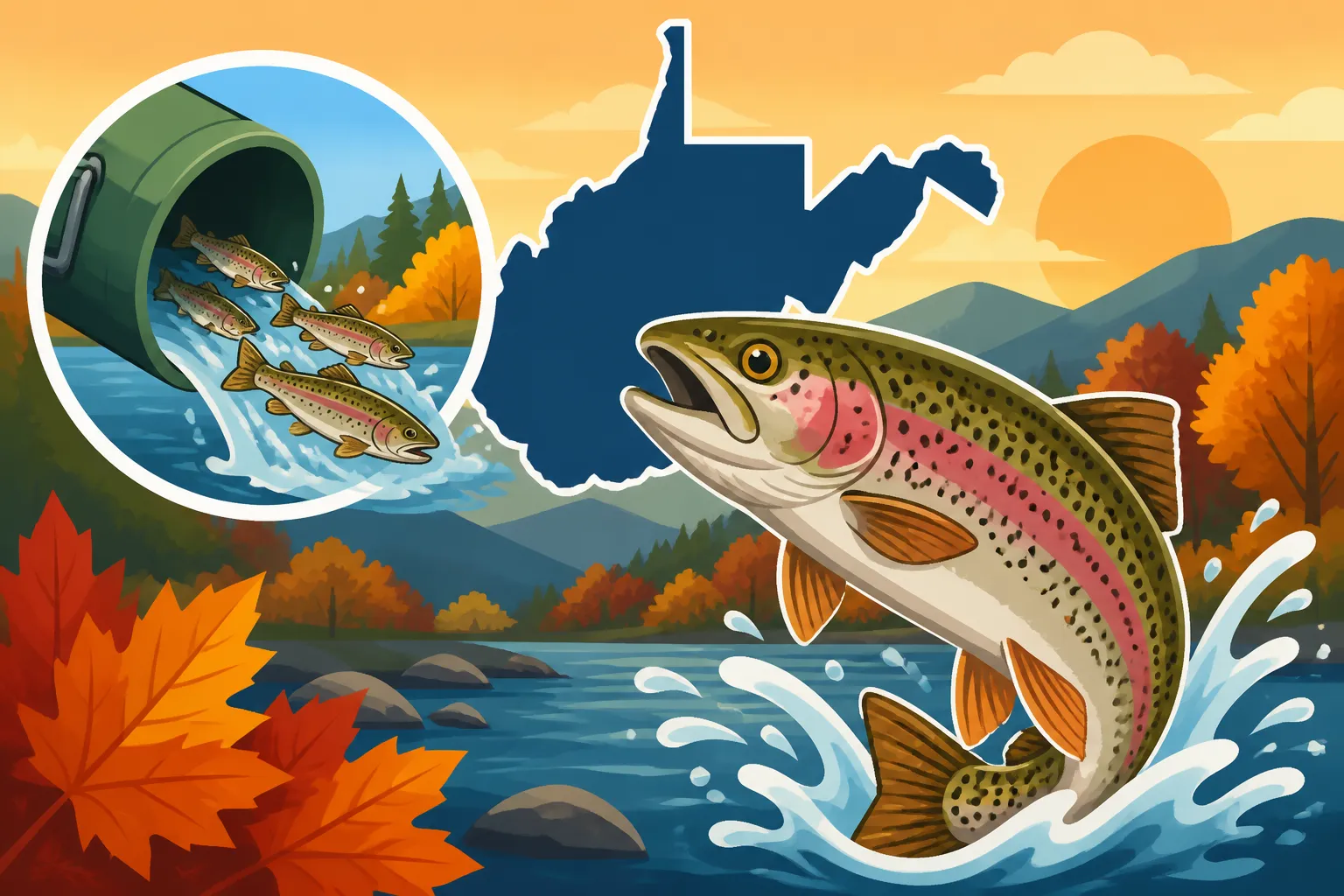
Fall trout stocking in West Virginia is a cherished tradition, extending the trout fishing season well beyond the spring rush. It provides anglers with fantastic opportunities to pursue trout in cooler water temperatures, often amidst stunning autumn foliage. It's a different vibe than the spring madness, usually a bit more serene, but just as rewarding.
The Purpose of Fall Stocking
The primary goal of the West Virginia Division of Natural Resources (WVDNR) fall stocking program is to capitalize on favorable water conditions. As summer heat fades, stream and lake temperatures drop, becoming ideal for trout to thrive. Unlike the warm summer months where trout often struggle, fall conditions allow these fish to remain active and healthy for an extended period, providing excellent angling opportunities well into winter, sometimes even offering the chance for some exciting ice fishing in colder regions. It’s all about maximizing recreational opportunities when the habitat can best support it. The WVDNR strategically places these fish to spread out the fishing pressure and provide fresh excitement for anglers in various parts of the state.
How Fall Stocking Differs from Spring Stocking
While both spring and fall stockings aim to enhance fishing, there are some notable differences. Spring stocking, often heralded by the official "opening day," tends to be a much larger, more concentrated effort, with massive numbers of fish released into a wide array of waters, including many smaller streams that might only hold trout during the coldest months. The fish are often quite active immediately after release due to the initial shock and their instinct to feed.
Fall stocking, on the other hand, usually involves fewer total fish but is just as impactful. It often targets waters that maintain suitable temperatures for trout longer into the year, like deeper lakes, larger rivers, or tailwater fisheries. The fish stocked in the fall often have more time to acclimate to their new environment, sometimes becoming a bit warier and behaving more like "wild" fish over time, especially if they become holdover trout in West Virginia. This can make them a bit more challenging, but also more rewarding to catch. The crowds also tend to thin out, offering a more peaceful experience compared to the bustling spring.
Navigating the West Virginia Trout Stocking Schedule
Finding accurate, up-to-date information on West Virginia's fall trout stocking dates is paramount for any angler hoping to intercept fresh fish. The WVDNR does an excellent job of communicating these schedules, but knowing where to look and how to interpret the information is key.
Where to Find the Official Fall Stocking Dates
The most reliable source for West Virginia fall trout stocking dates is always the official West Virginia Division of Natural Resources (WVDNR) website. They typically publish a comprehensive schedule that gets updated regularly, especially as the season approaches and sometimes even daily during active stocking periods. You’ll want to look for their "Trout Stocking Schedule" section.
Beyond the main website, the WVDNR also operates a dedicated West Virginia trout stocking hotline number. This hotline is a fantastic resource, providing recorded updates on recent and upcoming stocking events. It's especially useful for last-minute changes or for those who prefer to get their information over the phone. Many local bait shops and sporting goods stores also often post printed schedules or have staff who keep up-to-date on local stocking efforts. If you're looking for general information on licensing and regulations while you're at it, remember to check out the detailed West Virginia Fishing Regulations Explained guide.
Interpreting the Stocking Schedule
Once you've found the official schedule, understanding how to read it is the next step. Schedules are usually organized by county and then by specific water body. You'll typically see columns indicating:
- County: The county where the water body is located.
- Waterway: The specific lake, river, or stream being stocked.
- Species: Which type of trout (Rainbow, Brook, Brown, Golden Rainbow) is being stocked. Keep an eye out for mentions of the prized Golden Rainbow Trout in West Virginia!
- Approximate Date/Week: This is where it gets tricky. Sometimes you'll get a specific date, but often in the fall, it might just say "Week of X" or "Early November." This flexibility allows the WVDNR to adjust for unforeseen circumstances like weather or operational issues.
- Stocking Point: Sometimes they'll even indicate a specific access point or section of a river.
It's important to remember that these schedules are subject to change. Factors like unexpected severe weather, truck breakdowns, or even fish health concerns at the hatcheries can cause delays or alterations. Always check back frequently as your desired fishing date approaches.
Here's a sample table demonstrating how a fall stocking schedule might look:
| County | Waterway | Species | Approximate Stocking Period | Notes |
|---|---|---|---|---|
| Nicholas | Summersville Lake | Rainbow Trout | Mid-October | Deeper sections, often near boat ramps. |
| Pocahontas | Cranberry River (Catch & Release) | Brown Trout, Rainbow Trout | Early November | Specific C&R sections only. |
| Monongalia | Cheat Lake | Rainbow Trout | Late October | Near public access points. |
| Preston | Cheat River (Lower Section) | Rainbow Trout | Mid-November | Downstream of Albright. |
| Kanawha | Coonskin Park Lake | Rainbow Trout | First Week of October | Family-friendly pond. |
| Greenbrier | Greenbrier River | Rainbow Trout | Late October | Upper reaches, specific access. |
This table is purely illustrative, but it gives you an idea of the kind of information you can expect. Always refer to the official WVDNR schedule for current and accurate dates.
Key Factors Influencing Fall Stocking Dates
While the WVDNR strives to stick to its published schedule, several factors can necessitate changes. Understanding these can help you anticipate potential delays or adjustments.
Weather and Water Conditions
Weather is arguably the biggest wildcard when it comes to trout stocking. Heavy rains can cause rivers to swell and become muddy, making stocking operations difficult and potentially stressing the newly released fish. Conversely, prolonged dry spells can lead to dangerously low water levels and elevated temperatures in some streams, making them unsuitable for trout. The WVDNR prioritizes the health of the fish and the success of the stocking, so they will often postpone stockings until conditions improve. For instance, if a section of the Elk River Trout Fishing area experiences a sudden warm spell, stocking might be delayed to protect the fish.
Water temperature is critical for trout. They are cold-water species, and if stream or lake temperatures are too high, the stress of stocking can be lethal. Fall generally provides ideal conditions, but early fall can sometimes have lingering warm spells. Stocking managers monitor these conditions closely to ensure the best outcome for the fish and the anglers. You might also want to consult guides like West Virginia Fishing Season Dates and Closures to ensure you're aware of any seasonal changes that might impact your plans, beyond just stocking dates.
Hatchery Operations and Logistics
The process of raising millions of trout is a monumental undertaking. Hatchery operations involve careful breeding, feeding, and monitoring of fish health. Sometimes, unexpected issues like disease outbreaks, equipment malfunctions, or even staffing shortages can affect the availability of fish or the ability to transport them. It's a complex logistical dance to get the fish from the hatchery to the water bodies across the state, and occasionally, a truck might break down, or a delivery route might face unforeseen challenges.
The WVDNR operates several trout hatcheries across the state, including the famous Bowden Hatchery and Edray Hatchery. These facilities work tirelessly to produce healthy fish. When you see a slight delay in stocking, it’s often due to these dedicated folks ensuring everything is just right for the fish and the public. This intricate process is why precise dates aren't always set in stone far in advance.
Species Stocked in the Fall
While rainbow trout are the staple of West Virginia's stocking program year-round, fall stocking can sometimes include other species. Brown trout are frequently stocked in the fall, particularly in waters known for their ability to hold larger, more wary fish. These fish tend to be more resilient and can provide excellent fishing for months after being released. Less commonly, brook trout might be stocked, though this is usually reserved for specific conservation efforts or specialized fisheries.
The species stocked also influences the timing. Some species might be more robust in slightly warmer conditions found in early fall, while others thrive as the water gets colder. The WVDNR considers these biological factors when planning their fall releases. If you're targeting specific species, knowing which ones are typically stocked in the fall can help you narrow down your search for prime locations. For more details on various trout species, check out Trout Species Identification Guide for West Virginia.
Best Practices for Fishing Fall Stocked Trout
Once those West Virginia fall trout stocking dates are out, and you know the trucks have made their rounds, it’s time to hit the water! But fishing for newly stocked trout in the fall can be a bit different than the spring frenzy.
Gear and Tactics for Recently Stocked Waters
When trout are first stocked, especially in a new environment, they can be a little disoriented but often very willing to bite. They're looking for an easy meal, so don't overthink it initially.
- Bait Fishing: This is often incredibly effective for recently stocked trout. Popular choices include PowerBait (in various colors like "chartreuse" or "rainbow"), corn, salmon eggs, or small worms. A simple bottom rig with a small hook (size 8-12) and a split shot or two is all you need.
- Spin Fishing: Small inline spinners (like Panther Martins or Mepps Aglias), tiny spoons (Kastmasters, Little Cleos), or small jigs (1/32 to 1/8 ounce) tipped with a piece of Gulp! or a small grub are deadly. Cast upstream and retrieve with the current, or fan cast across slower pools. When stocking schedules are announced, it's a great time to make sure your tackle box is ready. You can find a wide array of these effective lures and baits online, perhaps even stocking up for the season on Amazon.
- Fly Fishing: While newly stocked trout might not be incredibly selective, an easy meal is still appealing. Woolly Buggers, San Juan Worms, Squirmy Worms, or small attractor nymphs (like a Prince Nymph or Hare's Ear) can be very effective. As they acclimate, they might start looking for natural insects, so having a few dry flies or emergers in your box for sporadic hatches is a good idea. Consider exploring Fly Fishing for Trout in West Virginia for more detailed techniques.
Remember to move slowly and quietly along the banks. Trout, especially fresh ones, can be easily spooked. Observe the water for any signs of feeding activity, and don't be afraid to try different presentations and depths until you find what they're hitting.
Finding "Holdover" Trout and Native Fish
While fresh stockers are fun, many fall anglers also cherish the opportunity to target "holdover" trout—those that survived previous stockings and have spent time in the wild—or even wild, native fish. These fish are generally much more challenging but also more rewarding.
- Holdover Trout: Look for holdovers in waters that provide good natural habitat, such as deep pools, undercut banks, submerged logs, or large rocks that offer cover and cooler water. These fish tend to be warier and will often respond better to more natural presentations like tiny nymphs, well-presented dry flies during hatches, or finesse spin-fishing techniques with realistic lures. They've learned to be picky!
- Native Fish: In some remote mountain streams, you might find native brook trout. These fish are typically smaller but incredibly beautiful. They thrive in pristine, cold, high-elevation waters. Often, these wild populations are found in specific areas, so check the WVDNR's "wild trout waters" designations. Fishing for native brook trout often requires a stealthy approach, light tackle, and precise casting with small dry flies or nymphs. If you're interested in pursuing these indigenous beauties, learning about Brook Trout: West Virginia's Native and State Fish will be incredibly helpful.
Fall is also a great time to target larger predators like muskies or smallmouth bass, which are also often very active in cooler water. If you're branching out from trout, you might want to look into How to Catch Muskie in West Virginia or How to Catch Smallmouth Bass in West Virginia Rivers.
Important Regulations for Fall Trout Fishing
Understanding and adhering to West Virginia’s fishing regulations is not just about avoiding a ticket; it's about preserving the resource for everyone. Fall trout fishing comes with its own set of rules, and it’s critical to be informed.
Daily Limits and Special Regulation Waters
West Virginia has specific daily creel (harvest) and possession limits for trout. Typically, the daily creel limit for trout is 6 fish per day, and a possession limit of twice the daily creel limit after the first day's fishing. However, these limits can vary significantly in "Special Regulation Waters." These waters are often managed for specific objectives, such as trophy trout, catch-and-release only, or fly-fishing-only sections.
It's absolutely essential to consult the current West Virginia Fishing Regulations Summary for the specific waters you plan to fish. For example, the Cranberry River has extensive catch-and-release fly-fishing-only sections where keeping fish is prohibited. Other waters might have length limits or restrictions on bait use. Ignorance of the law is not an excuse, and penalties for violations can include fines and loss of fishing privileges. A quick review of Reading the West Virginia Fishing Regulations Summary can save you a lot of trouble.
Conservation Stamps and Licensing
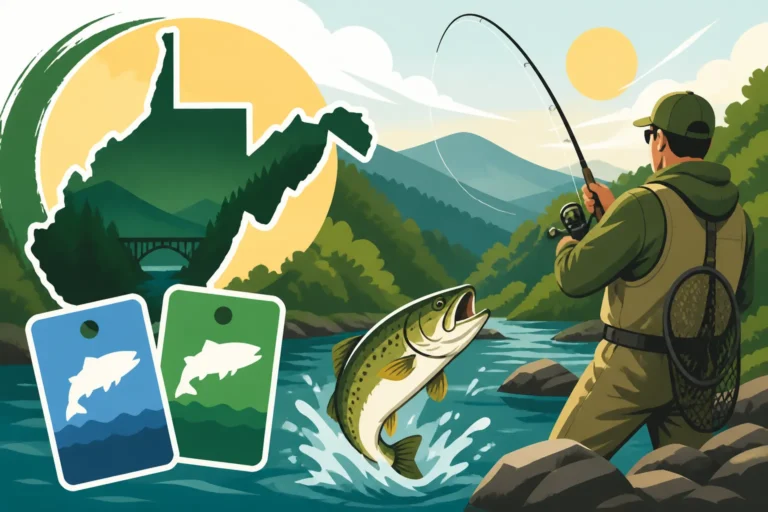
Before you even think about casting a line, you need to ensure you have the proper licensing. In West Virginia, most anglers over the age of 15 need a valid fishing license. This usually includes a base fishing license (like the Class B for residents or Class F for non-residents) and a West Virginia Conservation Stamp (Class CS).
If you plan to fish for trout, you will almost certainly need a West Virginia Trout Stamp (Class I). This stamp is a specific endorsement on your license that allows you to legally harvest trout from stocked waters. Even if you practice catch-and-release exclusively in stocked waters, you still generally need this stamp. There are some exemptions, like during free fishing days or for certain age groups, but always double-check. Don't assume – verify your requirements before you head out. Getting your license and stamps is easier than ever, and you can learn How to Buy a West Virginia Fishing License. The West Virginia Trout Stamp Cost for Residents and Nonresidents is a common question, so make sure you're up to date on those fees.
It's also worth noting that if you're an out-of-state angler, you'll need to purchase a nonresident fishing license. West Virginia offers various options, including annual licenses and shorter-term permits like the West Virginia 1-Day and 3-Day Nonresident Fishing Permits, which can be perfect for a quick fall fishing trip.
Disclaimer
The information provided in this guide is for general informational purposes only and is subject to change. While we strive to provide accurate and up-to-date content, fishing regulations, stocking schedules, and other details can be modified by the West Virginia Division of Natural Resources (WVDNR) at any time. Always consult the official WVDNR website, current year's fishing regulations summary, or the WVDNR stocking hotline before planning your fishing trip to ensure you have the most current and accurate information. Fishing involves inherent risks; please exercise caution and adhere to all safety guidelines.