Best umbrella rig for winter bass
Winter bass fishing in West Virginia can often feel like a frustrating quest for a needle in a haystack. The fish are sluggish, grouped up, and holding tight to deep structure, making traditional presentations a real challenge. But what if there was a way to make your lure look like an entire school of baitfish, practically irresistible to a cold, hungry bass? That's exactly what an umbrella rig, sometimes called an A-rig or Alabama rig, offers, and in this comprehensive guide, we're going to dive deep into how to choose and effectively fish the best umbrella rig to turn those tough winter days into successful ones.
Understanding the Umbrella Rig: Your Secret Weapon for Winter Bass
When the mercury drops and the water temperatures plummet across West Virginia's lakes like Summersville or Stonewall Jackson, bass undergo a significant shift in their behavior. They become less active, their metabolism slows down, and they tend to gang up in deeper areas, often suspending over or near hard structure like humps, points, and old creek channels. This is precisely where the umbrella rig shines, offering a presentation that can be absolutely deadly.
What Makes an Umbrella Rig so Effective in Cold Water?
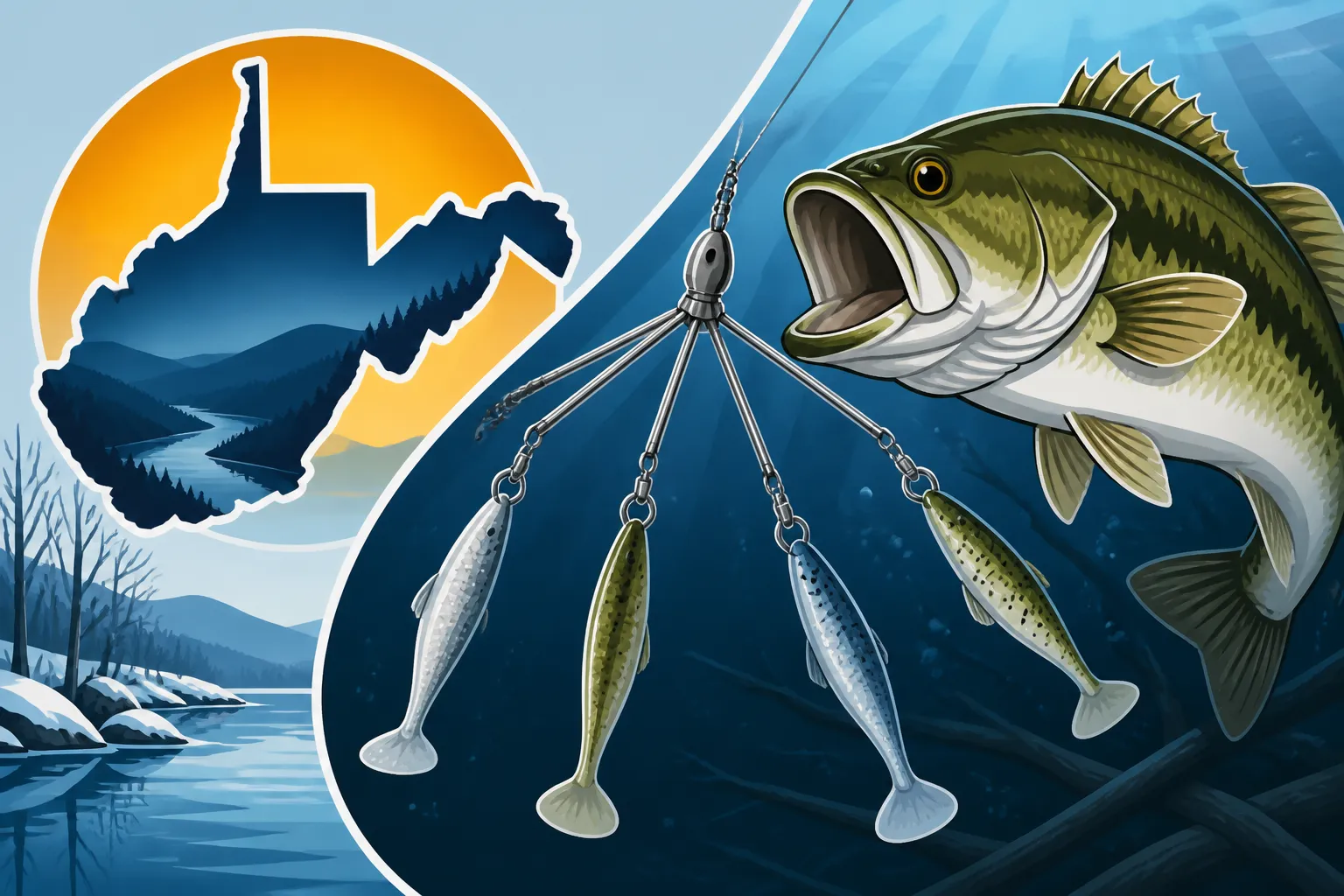
The magic of an umbrella rig lies in its ability to mimic a small school of baitfish. Imagine several jig heads, each armed with a swimbait, radiating out from a central point. When retrieved through the water, this cluster of baits looks incredibly natural to a predator like a largemouth or smallmouth bass. In winter, baitfish often school up tightly for warmth and protection, and bass, being opportunistic, are drawn to these dense aggregations. A lone swimbait might not always grab their attention when they're lethargic, but a compact, flashing school of five or six? That's a different story entirely.
The umbrella rig essentially presents a "feast" rather than a "snack." This bigger profile means more visibility in the often-clearer winter water, and the collective movement creates more vibration and flash, drawing bass in from a wider area. Because winter bass are often reluctant to chase, a slow, steady retrieve with an A-rig allows them to easily intercept what looks like an easy meal. This presentation also helps you cover a lot of water efficiently when trying to locate those elusive winter schools.
Different Styles and Configurations of Umbrella Rigs
Not all umbrella rigs are created equal, and understanding the subtle differences can make a big impact on your success. The most common designs feature a central wire arm with several additional arms branching off, typically 3 to 5. These arms are designed to hold jig heads and soft plastic swimbaits.
| Feature | Description | Ideal Winter Use |
|---|---|---|
| Arm Count | Most common are 3-arm, 5-arm, and occasionally 7-arm rigs. | 3-arm or 5-arm are generally preferred. A 3-arm is less cumbersome, while a 5-arm offers a larger bait ball profile. Check West Virginia Fishing Regulations Explained for hook limits. |
| Wire Gauge | Refers to the thickness and stiffness of the wire arms. Heavier gauge wires are more durable but less flexible. | Medium to heavy gauge is good for West Virginia winter fishing, as it handles heavier jig heads and provides better resistance against large fish. |
| Head Weight | Some rigs come with a weighted head, while others are unweighted and rely solely on the jig head weights. | Weighted heads can help with deeper presentations and casting in windy conditions, common in winter. |
| Blade Options | Some rigs include willow, Colorado, or Indiana blades attached to the arms or central body for added flash and vibration. | Subtle flash (willow blades) can be very effective in clearer, cold water without overpowering the natural baitfish imitation. |
| Snap/Swivel | The quality of the snaps and swivels where you attach your jig heads is crucial for durability and preventing line twist, especially with heavier baits and larger fish. | High-quality, strong snaps and swivels are non-negotiable to avoid lost fish and frustration. |
When fishing in West Virginia, it's paramount to be aware of the state's fishing regulations regarding hook limits. Some states restrict the number of hooks or baits you can have on a single line. Always check the current West Virginia Fishing Regulations Explained to ensure your umbrella rig setup is compliant. Typically, most anglers will run a 5-arm rig with 3 actual hooks (usually on the bottom and side arms) and 2 "dummy baits" (swimbaits without hooks) on the top arms to maintain the baitball profile while staying within legal limits.
Rigging and Modifying Your Umbrella Rig for West Virginia Winter Bass
Once you've got your basic umbrella rig, the real customization begins. This isn't a one-size-fits-all setup; adapting it to specific West Virginia conditions – be it the deep, clear waters of Summersville Lake or the slightly more stained areas of Cheat Lake – is key to eliciting strikes from those lethargic winter bass.
Choosing the Right Jig Heads and Swimbaits
This is where you truly bring your baitball to life. The size, weight, and color of your jig heads and swimbaits will all play a crucial role.
- Jig Head Weight: For deeper winter fishing, you'll generally want heavier jig heads than you might use in warmer months. Think 1/8 oz to 1/2 oz or even heavier, depending on depth and current. You might even vary the weights on the same rig, putting heavier heads on the bottom arms to help the rig track deeper and more steadily. For instance, if you're fishing a 30-foot deep creek channel, you'll need significant weight to get down there and stay there.
- Swimbait Size: Stick with more subtle, natural sizes in winter. 3-inch to 4-inch swimbaits are usually perfect, mimicking juvenile shad or shiners. Larger baits can be used, but generally, smaller profiles seem more appealing to bass that aren't aggressively feeding.
- Swimbait Color: Natural colors are your best bet in clear, cold water. Shad patterns (silvers, whites, light blues), transparent greens, and even brown/purple hues that mimic small perch or gobies can be highly effective. If the water is slightly stained, a touch of chartreuse or a pearl white can increase visibility. You can find a huge variety of swimbaits to experiment with at a store like Bass Pro Shops or through online retailers on Amazon.
Consider the "dummy bait" strategy. As mentioned, many anglers use fewer hooks than available arms to comply with regulations or simply to reduce snagging. Place your hooked swimbaits on the lower arms, which are most likely to be targeted by a bass coming up from below, and use hookless swimbaits on the upper arms to complete the school illusion.
Line and Leader Considerations for Heavy Rigs
Fishing an umbrella rig is a heavy-duty affair. You're not just casting a single lure; you're casting a rig that, with jig heads and swimbaits, can weigh several ounces. This demands robust line and leader choices.
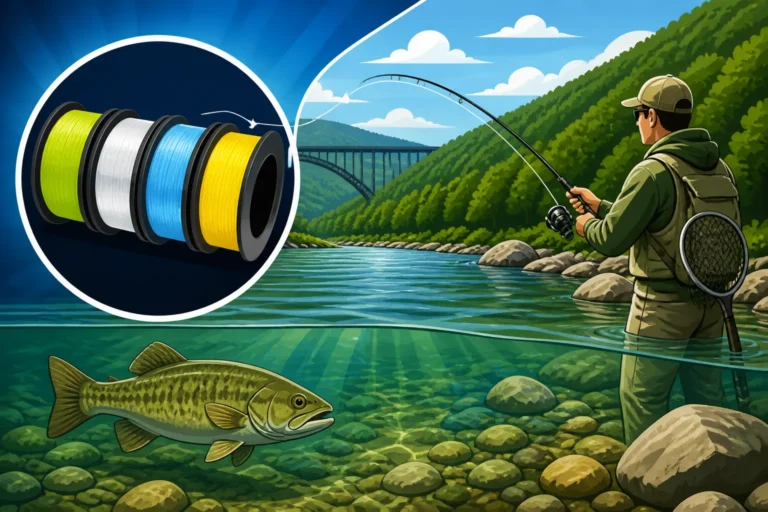
- Main Line: Braided line is almost always the preferred choice for your main line. Its zero-stretch properties give you excellent feel for what the rig is doing underwater, and its incredible strength is essential for casting and retrieving such a heavy setup, especially when a big bass latches on. A 50-65 lb braided line is a good starting point. This stout line helps prevent break-offs when setting the hook on a big fish or when you inevitably snag on underwater structure.
- Leader Material: To connect your braided main line to the umbrella rig, a strong fluorocarbon leader is highly recommended. Fluorocarbon is nearly invisible underwater, which can be crucial in clear winter conditions where bass are spooky. It also offers some abrasion resistance against rocks and logs. A 20-30 lb fluorocarbon leader is a solid choice. The length of your leader can vary, but typically 2-4 feet is sufficient to provide that invisible connection without becoming too unwieldy to cast. Best Fluorocarbon Line for Clear River Water might offer some more insights for other techniques where line visibility is key.
How to Fish an Umbrella Rig Effectively for Cold Water Bass
Deploying an umbrella rig isn't just about casting it out; it's about understanding the subtle nuances of presentation that will convince a lethargic winter bass to strike. The key in cold water is always slow and steady.
Locating Winter Bass and Optimal Retrieval Techniques
Winter bass are all about efficiency. They'll position themselves in areas where they can expend minimal energy to intercept prey. Look for them in deeper water near structure that offers a quick depth change.
- Target Areas: Focus on main lake points that drop off steeply, deep humps, creek channel swings, and submerged timber or rock piles in 20-40 feet of water. Use your fish finder to locate bait balls and schools of bass suspended nearby. Areas where baitfish congregate are prime spots. If you're fishing a deep reservoir like Sutton Lake or Bluestone Lake, these deep structures are critical. Understanding How to locate crappie in West Virginia reservoirs can sometimes offer clues to where other baitfish might be, and by extension, bass.
- Retrieve Speed: This is perhaps the most critical aspect in winter. Forget fast retrieves. You want a slow, methodical retrieve that keeps the rig in the strike zone for as long as possible. Think of a crank of the reel handle every few seconds, just enough to keep the swimbaits swimming naturally and prevent them from dragging bottom and snagging excessively. The goal is to imitate a slow-moving, vulnerable school of baitfish.
- Depth Control: Maintain contact with the bottom, but don't constantly drag it. Let the rig sink, feel it touch, then slowly reel it up a few feet, letting it fall again. This yo-yo motion can be incredibly effective, especially when bass are suspended. The heavier jig heads help keep the rig at the desired depth. You might find some useful tactics in Trolling Techniques for West Virginia Lake Walleye for maintaining depth control, as walleye also often hold to deep structure.
- Pause and Go: Incorporate pauses into your retrieve. Let the rig slowly fall for a few seconds. Often, the strike will come on the fall or just as you begin your retrieve again. This sudden change in motion can trigger a reaction strike from a hesitant bass.
- Current Awareness: If you're fishing a river system or a lake with some current, cast upstream and let the current help carry your rig downstream while you slowly retrieve, allowing it to naturally drift past potential holding areas.
Adjusting for Weather and Water Conditions
West Virginia winters can be unpredictable, bringing everything from mild, sunny days to frigid, snowy blasts. Your approach with the umbrella rig needs to be flexible.
- Clear, Sunny Days: On bright days with high pressure, bass can be even more sensitive to light and wary of unnatural presentations. Opt for more subtle, natural swimbait colors and an even slower retrieve. Bass may hug tighter to cover or suspend deeper. This is when the fluorocarbon leader truly shines.
- Cloudy, Overcast Days: These days often bring slightly more stable conditions, and bass might be a bit more willing to roam or come shallower. You might be able to use slightly brighter colors or incorporate a bit more flash (if your rig has blades). Maintain that slow retrieve, but be open to a slightly varied cadence.
- Cold Fronts: Fishing after a severe cold front can be brutal. Bass become extremely lethargic and often bury themselves deep into thick cover. An umbrella rig can still be effective, but you'll need to slow down your retrieve to an absolute crawl, practically dead-sticking it at times, and target the most obvious deep cover. For more specific cold front advice, check out Cold Front Fishing Tactics for West Virginia Bass or Fishing after a heavy rain on West Virginia rivers. These conditions often demand patience and precise placement.
- Water Clarity: In exceptionally clear water, focus on realistic baitfish patterns and minimize flashy blades unless you're trying to call fish from a distance. If the water has a bit of stain or color, brighter colors or more flash can be beneficial to increase visibility.
Essential Gear Considerations for Umbrella Rig Fishing
Successfully wielding an umbrella rig isn't just about the rig itself; it requires a specialized setup to handle the weight, the fight of multiple fish (it happens!), and the sheer power needed to cast it all day.
Rods and Reels Built for Battle
This isn't the time for your finesse gear. You need a robust combo that can stand up to the challenge.
- Rods: Look for a heavy-action baitcasting rod, typically 7'6" to 8'6" in length. The extra length helps with casting distance, managing heavier rigs, and absorbing the shock of a strike. A fast or moderate-fast tip will give you enough sensitivity for subtle bites, but the backbone needs to be substantial to drive hooks home and control big fish. Brands like St. Croix, G. Loomis, and Dobyns offer excellent choices, but even more affordable options from companies like Ugly Stik can handle the abuse. Best Fishing Rods for West Virginia Rivers might provide some additional context for robust rod choices.
- Reels: Pair that rod with a high-quality baitcasting reel with a strong drag system and a good line capacity. A low to mid-range gear ratio (around 5.X:1 to 6.X:1) is often preferred for umbrella rigs, as it encourages a slower retrieve and provides more cranking power, which is essential when fighting a big bass or multiple bass at once. A reel with a solid, all-metal frame will also provide more durability and less flex under pressure. Best Baitcasting Reels for Muskie Fishing also discusses heavy-duty reels, and while muskie are a different species, the principles of a strong, reliable reel for heavy lures translate directly.
Other Important Accessories and Tools
Don't overlook the supporting cast of gear; they can make or break your umbrella rig experience.
- Fish Finder: A quality fish finder is absolutely indispensable for winter bass fishing in West Virginia. It allows you to locate those crucial deep structures, identify bait balls, and spot suspended bass. Side imaging and down imaging technologies are particularly helpful for covering water and understanding what's beneath your boat without having to cast. Modern units from Humminbird or Garmin are game-changers for identifying structure and fish. Learn more in Best Fish Finders for West Virginia Lakes.
- Heavy-Duty Snips/Pliers: You'll be dealing with heavy wire and potentially strong hooks. Good quality pliers or snips are essential for cutting line, crimping sleeves, and safely removing hooks from a bass's mouth. Ensure they are robust enough to handle the larger gauge wire of an umbrella rig.
- Landing Net: When you're dealing with a big bass or potentially multiple fish on an umbrella rig, a large, rubberized landing net is a must. It protects the fish, helps prevent hooks from getting tangled, and makes landing much easier, especially if you're fishing alone.
Fishing an umbrella rig in winter might seem a bit intimidating at first due to its size and the specialized gear involved. However, with the right knowledge and a bit of practice, it can become one of your most productive techniques for targeting big, cold-water bass in West Virginia. Remember to always respect the fish, practice catch and release, especially for trophy-sized bass, and know the West Virginia Black Bass Limits and the New River Slot Limit to stay compliant with local regulations. Get out there, brave the chill, and discover the thrill of a hard-hitting winter bass on an umbrella rig!
Disclaimer
This article is for general informational purposes only and does not constitute professional advice. Laws, prices and regulations vary by location and change over time. Consult a qualified professional for guidance on your specific situation.