Smallmouth Bass Habits on the New River
There's nothing quite like the rush of a smallmouth bass hitting your line in the swift currents of the New River. But if you've ever spent hours casting without a bite, you know how frustrating it can be to figure out where these elusive bronzebacks are hiding and what makes them tick. This comprehensive guide will pull back the curtain on the fascinating habits of smallmouth bass in West Virginia's legendary New River, helping you understand their seasonal movements, preferred habitats, and feeding behaviors so you can become a more successful angler.
Understanding the New River Smallmouth Habitat
The New River is a truly unique fishery, and understanding its distinct characteristics is paramount to finding smallmouth bass. Unlike many lakes or slower-moving rivers, the New River's ancient, rocky bottom and varied flow create a dynamic environment that smallmouth have learned to master. They are creatures of their environment, and their habits are deeply ingrained in the river's very pulse.
Current, Structure, and Bottom Composition
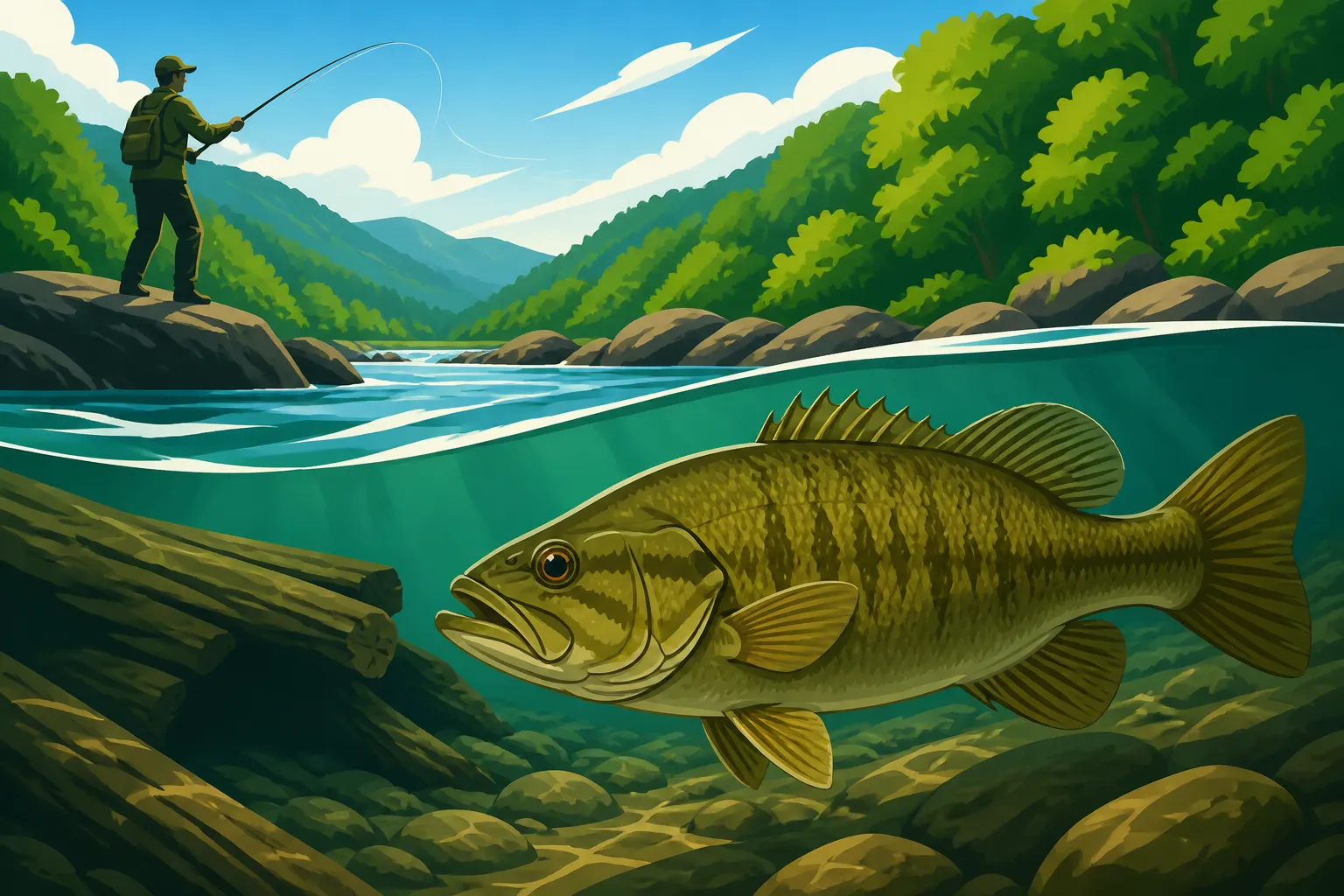
Smallmouth bass are intrinsically tied to current and structure, especially on a river like the New. They aren't going to sit in the slowest, most stagnant water for long; they thrive where the water moves, bringing oxygen and, most importantly, food. The strength of the current dictates where they position themselves, often seeking current breaks where they can ambush prey without expending too much energy. Think of them like a hunter, patiently waiting for their meal to drift by. These current breaks can be behind large boulders, submerged logs, ledges, or even subtle changes in the riverbed. How to read New River smallmouth structure is key to unlocking these spots.
Beyond current, the New River's incredible rock formations offer endless structural opportunities. From bedrock ledges to scattered boulders, gravel bars, and even subtle changes in depth, smallmouth use these features for protection, ambush points, and spawning. The river's bottom composition, primarily rock and gravel, provides ideal conditions for crayfish, their primary food source, and offers perfect nesting sites. Anglers often overlook how subtle changes in the bottom – a patch of larger rocks transitioning to smaller gravel, for instance – can be a magnet for these fish. Taking the time to observe these details, whether from a boat or by wading, can pay huge dividends.
Water Temperature and Clarity
Water temperature is arguably one of the most critical factors influencing smallmouth behavior on the New River. Like all cold-blooded creatures, their metabolism is directly linked to the water temperature, dictating their activity levels, feeding intensity, and even where they choose to reside. Smallmouth generally prefer water temperatures between the mid-50s and mid-70s Fahrenheit for optimal activity. When the water is colder, they become lethargic and seek deeper, more stable temperatures. Conversely, during the hottest parts of summer, they might seek out cooler, oxygenated water in faster currents or deeper pools. Understanding What water temperature smallmouth bass prefer can guide your seasonal approach.
Water clarity also plays a significant role in how smallmouth hunt and react to presentations. The New River, for the most part, maintains a relatively clear to slightly stained clarity, which means smallmouth rely heavily on their eyesight to hunt. This makes stealth and natural presentations crucial. However, after heavy rains, the river can become muddy, drastically changing their behavior. In these conditions, smallmouth might move to the banks or seek out slower, less turbid eddies where they can still see. They also become more reliant on lateral lines to detect vibrations, meaning baits with strong thumps or rattles can become more effective. Adapting your lure choice and presentation to the prevailing clarity is a hallmark of successful New River anglers.
Seasonal Patterns and Behavior
The New River experiences four distinct seasons, and with each change, the smallmouth bass adjust their habits, feeding patterns, and locations. Being in tune with these seasonal shifts is fundamental for consistent success. You wouldn't use the same tactics in April as you would in August, and knowing why is half the battle.
Spring: Pre-Spawn and Spawning Frenzy
As the New River begins to shake off winter's chill and water temperatures climb into the 50s, smallmouth bass enter their pre-spawn phase. This is often one of the most exciting times to fish, as these fish become incredibly aggressive, trying to pack on calories before the rigors of spawning. They move out of their deeper wintering holes and start staging in shallower, current-protected areas adjacent to future spawning grounds. Look for them in slower sections of runs, eddies, and shallower pools where sunlight can warm the water quickly. During this period, their metabolism ramps up, and they'll readily chase down larger baits.
Once water temperatures reach the mid-60s, typically from late April through May, the smallmouth begin to spawn. Males will fan out circular nests, often on gravel or small rock bottoms in shallower, well-oxygenated areas, typically in 2-5 feet of water. They aggressively guard these nests, making them highly susceptible to strikes from anything that gets too close. While tempting, many anglers practice catch and release during this sensitive period to protect the future of the fishery. Females will lay their eggs and then retreat, while males remain on the nest until the fry hatch and disperse. Targeting fish around their beds can be easy, but it's important to be mindful of the impact on the population. West Virginia Black Bass Limits and the New River Slot Limit details specific regulations during this time.
Summer: Feeding in the Fast Lane
Once the spawn is over and water temperatures settle into the 70s and even low 80s, New River smallmouth shift into their summer patterns. This is when they become true river warriors, utilizing the abundant oxygen and food delivery of the faster currents. They will often position themselves in prime ambush points within riffles, runs, and current seams, ready to dart out and snatch a passing meal. Think of the river as a conveyor belt of food, and they are strategically placed to intercept it.
During the summer, smallmouth are generally most active during the cooler parts of the day – early mornings, late evenings, or overcast days. In the intense midday sun, they might pull back into shaded areas, deeper holes, or tighter to structure. Their diet during this time is diverse, including a heavy dose of crayfish, various baitfish, and even terrestrial insects that fall into the water. This is a fantastic time for topwater action, as well as working jigs, crankbaits, and soft plastics through current seams and around rocky structures. Best Baits for Smallmouth Bass on the New River offers excellent guidance on what to throw.
Fall: The Pre-Winter Feast
As autumn descends upon West Virginia, bringing cooler air and dropping water temperatures, New River smallmouth enter another critical feeding period: the fall run. Just like in spring, they are trying to fatten up, but this time it's in preparation for the leaner winter months. Water temperatures gradually decline from the 70s into the 50s, signaling a shift in their behavior and location. Initially, they might still be found in similar summer haunts, but as the water cools, they tend to consolidate into deeper pools and runs, often relating to larger rock structures or ledges.
During fall, smallmouth can become incredibly aggressive, especially on sunny days that warm the shallower water or during stable weather patterns. They often school up more tightly, so if you find one, you're likely to find more. Their diet remains similar to summer, with crayfish and baitfish being key, but they might become more focused on larger, slower-moving meals that offer more caloric value. This is an excellent time for throwing bigger crankbaits, swimbaits, and even spinnerbaits. Understanding Best lure retrieve speed for smallmouth in fall can be a game-changer as their metabolism begins to slow.
Winter: Deep Water Retreat
Winter on the New River can be challenging, but it's far from impossible to catch smallmouth. As water temperatures dip below 50 degrees and approach the low 40s, smallmouth bass become much less active. They retreat to their deepest, most stable wintering holes, often congregating in large schools in the deepest pools, behind significant current breaks, or in areas with substantial rock ledges and boulders that offer thermal refuge. Their metabolism slows dramatically, and they become lethargic, conserving energy.
During this period, successful angling requires a much slower, more subtle approach. Smallmouth will rarely chase a fast-moving bait. Instead, they require presentations that are placed directly in front of them and fished very slowly. Jigs, finesse worms, and blade baits are often the most effective, presented with minimal movement. Strikes can be incredibly subtle, feeling more like added weight or a slight tick rather than an aggressive hit. While the bites might be fewer, the fish caught in winter can often be some of the largest and healthiest, making the effort worthwhile.
Smallmouth Diet and Foraging Strategies
What a smallmouth bass eats and how it chooses to hunt its meals is a primary driver of its behavior. On the New River, this isn't just about what's available; it's about what's most efficient and provides the most energy return. Understanding their menu helps you "match the hatch" and present irresistible offerings.
The Abundant Buffet: Crayfish and Baitfish
Without a doubt, crayfish are the cornerstone of a New River smallmouth's diet. The rocky, gravel-bottomed river provides a perfect habitat for these crustaceans, and smallmouth will gorge on them whenever possible. They are a high-protein, readily available food source, and smallmouth have evolved to be incredibly efficient at hunting them. Anglers who consistently catch fish on the New River often rely heavily on baits that imitate crayfish in both profile, color, and action, such as jigs with soft plastic trailers, tubes, and crankbaits.
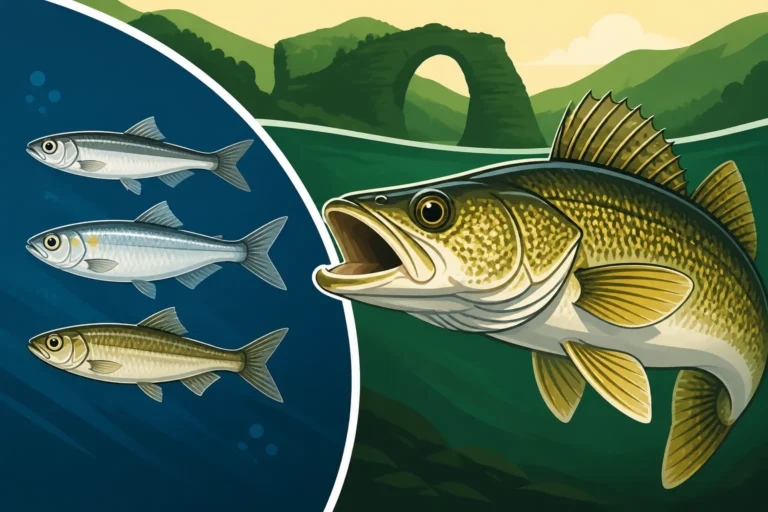
Beyond crayfish, various baitfish populate the New River and are a vital part of the smallmouth diet. Minnows, shiners, darters, and even juvenile sunfish or shad can all become targets. Smallmouth are opportunistic predators and will actively chase down schools of baitfish, especially in areas where current concentrates them or pushes them against structure. This makes lures that mimic baitfish, such as swimbaits, jerkbaits, and spinnerbaits, highly effective at different times of the year. The key is often to observe what baitfish are present in the specific section of river you're fishing and try to imitate their size and color.
Opportunistic Feeding and Insect Hatches
While crayfish and baitfish form the bulk of their diet, New River smallmouth are incredibly opportunistic feeders. They won't turn down an easy meal, which often includes various insects. During certain times of the year, particularly late spring and summer, significant insect hatches can occur, such as mayflies or caddisflies. While trout anglers often focus on these events, smallmouth will also key in on them, especially larger aquatic insects or terrestrials like grasshoppers, cicadas, or crickets that fall into the water.
This opportunistic feeding creates exciting topwater opportunities. Poppers, walk-the-dog lures, and prop baits can be deadly when smallmouth are looking up. Fly anglers, in particular, can have incredible success imitating these insects with various dry flies and poppers. Don't underestimate the power of a realistic insect imitation, especially when you observe smallmouth surfacing to feed. Sometimes, the most subtle offering can be the most effective. Many anglers search on Amazon for unique or hard-to-find insect imitations for fly fishing.
Key Behaviors and Angler Considerations
Smallmouth bass are known for their feisty nature and strong fights, but understanding their fundamental behaviors beyond just feeding can significantly improve your angling success. They are intelligent fish, highly attuned to their environment and external pressures.
Spooking and Stealth Tactics
New River smallmouth are incredibly wary, especially in clearer water. They are easily spooked by sudden movements, loud noises, or unnatural vibrations. This is particularly true in shallower water or when fishing highly pressured sections of the river. A heavy footfall on the bank, a boat bumping into rocks, or even a brightly colored line can send them scattering. Stealth is not just an advantage; it's often a necessity. Kayak Fishing Techniques for West Virginia Rivers often emphasize stealth.
To combat their wariness, anglers should employ stealth tactics. Approach fishing spots quietly, whether wading or from a boat. Make long casts to avoid getting too close to potential holding lies. Use natural, muted colors for your lures and line, especially in clear conditions. Consider using fluorocarbon leaders, which are nearly invisible underwater. Minimizing your silhouette against the skyline and making smooth, controlled movements will significantly increase your chances of getting a bite before the fish even knows you're there. Sometimes, simply kneeling in your boat or staying low to the bank can make all the difference.
Aggression and Territoriality
Despite their wariness, smallmouth bass are highly aggressive and territorial, especially the larger specimens. They are apex predators in the river, and they will defend their prime holding lies from perceived intruders, including other fish and even lures. This aggression is what makes them such a thrill to catch – they hit hard and fight dirty. This territorial instinct often means that if you find a good piece of structure with one strong fish, there might not be another large one in the exact same spot. However, smaller fish might share the same general area.
Understanding this aggression means you can sometimes provoke a strike even when a fish isn't actively feeding. A lure that invades their space, swims too close to their shelter, or mimics a struggling prey fish can trigger a reaction strike. Repeated casts to a promising spot, changing angles, or varying retrieve speeds can often convince a reluctant fish to bite. This is also why How to Catch Smallmouth Bass in West Virginia Rivers often recommends covering water and trying different presentations until you find what triggers that aggressive response.
Locating New River Smallmouth: Reading the Water
The New River is vast, and simply casting randomly won't yield consistent results. The true art of smallmouth fishing lies in "reading the water" – understanding where these fish are likely to be based on the river's features, current, and the conditions of the day.
Targeting Riffles, Runs, and Pools
The New River's geology creates a series of distinct water features: riffles, runs, and pools. Each of these can hold smallmouth, but their behavior and location within them will vary.
- Riffles: These are shallower, turbulent sections where the water flows quickly over rocks and gravel. Smallmouth typically won't hold directly in the fastest part of a riffle, but they will position themselves in the slower water just downstream, in eddies, or behind larger boulders where they can ambush prey being swept downstream. The oxygenation here is high, and food delivery is constant. These are prime areas, especially in warmer months.
- Runs: Runs are typically deeper than riffles but still have a distinct current. They are often characterized by a relatively uniform flow over a rocky bottom. Smallmouth will hold along current seams, near submerged ledges, or behind larger rocks within these runs. They use the current to their advantage, facing upstream, ready to dart out. This is a classic smallmouth habitat and often holds quality fish.
- Pools: Pools are the deepest, slowest sections of the river. While they might seem less productive due to the lack of strong current, pools are crucial, especially during colder months or periods of high flow. Smallmouth will retreat to the deepest parts of pools in winter or seek out the slower edges and eddies during periods of extreme high water. In summer, they might hold in the deepest sections of pools during the brightest part of the day, moving to shallower edges during low light. Structure within pools, such as submerged timber, large boulders, or drop-offs, is particularly important. A good New River Gorge Fishing Guide will often detail specific pools.
Anglers often combine fishing these areas by drifting downstream in a boat or wading. New River Smallmouth Bass Fishing offers great insights into which types of spots tend to hold fish.
Identifying Holding Lies and Ambush Points
Within each riffle, run, or pool, smallmouth will choose specific "holding lies" – spots where they can rest, conserve energy, and remain hidden. These are typically areas where the current is slightly broken, allowing the fish to sit comfortably without fighting the main flow. Examples include the downstream side of large boulders, seams where faster water meets slower water, or the eddy lines behind points of land or submerged logs.
"Ambush points" are often synonymous with holding lies but emphasize the predatory nature of the smallmouth. These are locations where the fish can launch a quick attack on unsuspecting prey. A classic ambush point is the edge of a current seam, where baitfish are swept past a waiting smallmouth. Another could be a submerged log or rock pile that provides cover, allowing the bass to dart out unexpectedly. Learning to identify these subtle features, even on seemingly uniform stretches of river, is a skill that takes time and practice. Observing the subtle boils, slicks, or V-wakes on the surface can sometimes give away these productive areas. Many anglers rely on gear found on Amazon to help identify submerged structure, like quality polarized sunglasses or even portable fish finders.
Conservation and Responsible Angling Practices
The New River smallmouth fishery is a precious resource, and it's up to all of us as anglers to ensure its health and vitality for future generations. Responsible angling practices go beyond just following the rules; they encompass a mindset of stewardship.
Catch and Release Best Practices
While keeping a few fish for a meal is perfectly acceptable within regulations, many New River anglers practice catch and release for smallmouth, especially the larger, trophy-sized specimens that are vital for spawning. When releasing fish, proper handling is paramount to ensure their survival. Use appropriate gear to land fish quickly, minimizing stress. Avoid playing a fish to complete exhaustion, especially in warmer water.
When handling the fish, wet your hands before touching it to protect its slime coat, which is crucial for disease resistance. Support the fish horizontally, especially larger ones, to avoid damaging internal organs or the jaw. Use needle-nose pliers or hemostats to quickly remove hooks. If a fish is deeply hooked, it's often best to cut the line as close to the hook as possible rather than trying to rip it out. Allow the fish time to recover in the water, holding it gently upright and moving it forward to push water over its gills until it swims away under its own power. Muskie catch and release survival tips also offer great advice applicable to other predatory fish like smallmouth.
Understanding Regulations and Limits
Every angler on the New River has a responsibility to know and abide by West Virginia's fishing regulations. These rules are in place to manage fish populations and ensure sustainable angling for everyone. Regulations cover aspects like daily creel limits (how many fish you can keep), possession limits (how many you can have on hand), minimum or maximum length limits (slot limits), and gear restrictions. The New River, in particular, often has specific regulations regarding black bass, so it's critical to review the official West Virginia Fishing Regulations Summary each year.
Ignoring or not knowing the regulations is not an excuse and can lead to penalties. Always carry a copy of the current regulations, either printed or digitally, along with your valid West Virginia Fishing License Guide for 2026. Taking the time to understand these rules, especially those pertaining to black bass, helps protect the smallmouth population and ensures you're fishing legally and ethically. It's about respecting the fish, the river, and the sport itself.
Disclaimer
This article is for general informational purposes only and does not constitute professional advice. Laws, prices and regulations vary by location and change over time. Consult a qualified professional for guidance on your specific situation.