Brook Trout: West Virginia’s Native and State Fish
There's something truly special about the brook trout in West Virginia, isn't there? For many of us who cherish the wild streams and pristine mountain landscapes of the Mountain State, the brook trout isn't just another fish; it's a living symbol of everything we love about our outdoor heritage. These beautiful, tenacious fish represent the heart and soul of our coldest, cleanest headwaters. But finding them, identifying them correctly, and understanding their delicate ecosystem can be a real challenge if you're new to the game, or even if you've been at it a while. This comprehensive guide will dive deep into everything you need to know about West Virginia's native and state fish, helping you appreciate their unique beauty and become a more effective and responsible angler.
Why Brook Trout Hold a Special Place in West Virginia's Heart
For generations of anglers, the brook trout has been more than just a target species; it's an emblem of wilderness and purity in West Virginia. There’s an undeniable connection to the land when you wade into a high-elevation stream, knowing that the vibrant, jewel-toned fish you're hoping to encounter are truly native to these waters. They have been here since long before our grandparents, or even their grandparents, first cast a line. This deep historical presence, coupled with their sheer beauty and the challenge they present, elevates them to a revered status among West Virginia's fishing community.
The Undisputed Native: A Glimpse into History
Imagine West Virginia before widespread settlement, before coal mines scarred the mountainsides or roads snaked through every valley. In those untouched days, the only trout swimming in our pristine, cold mountain streams were brook trout. They are truly indigenous, having evolved and adapted to the unique conditions of Appalachia over thousands of years. Unlike the rainbow and brown trout, which were introduced from other regions and continents, brook trout are the original inhabitants. Their resilience and ability to thrive in these often-harsh, nutrient-poor environments speak volumes about their hardiness.
This native status isn't just a historical footnote; it shapes how we view and manage these fish today. When you're fishing for brook trout, especially in a remote hollow, you're tapping into a direct lineage that predates human influence in many ways. It's a connection to the wild heart of West Virginia, a feeling that's hard to replicate with any other species. This profound sense of history makes every encounter with a wild brook trout feel like a special privilege, a glimpse into a bygone era of untouched wilderness.
West Virginia's State Fish: More Than Just a Title
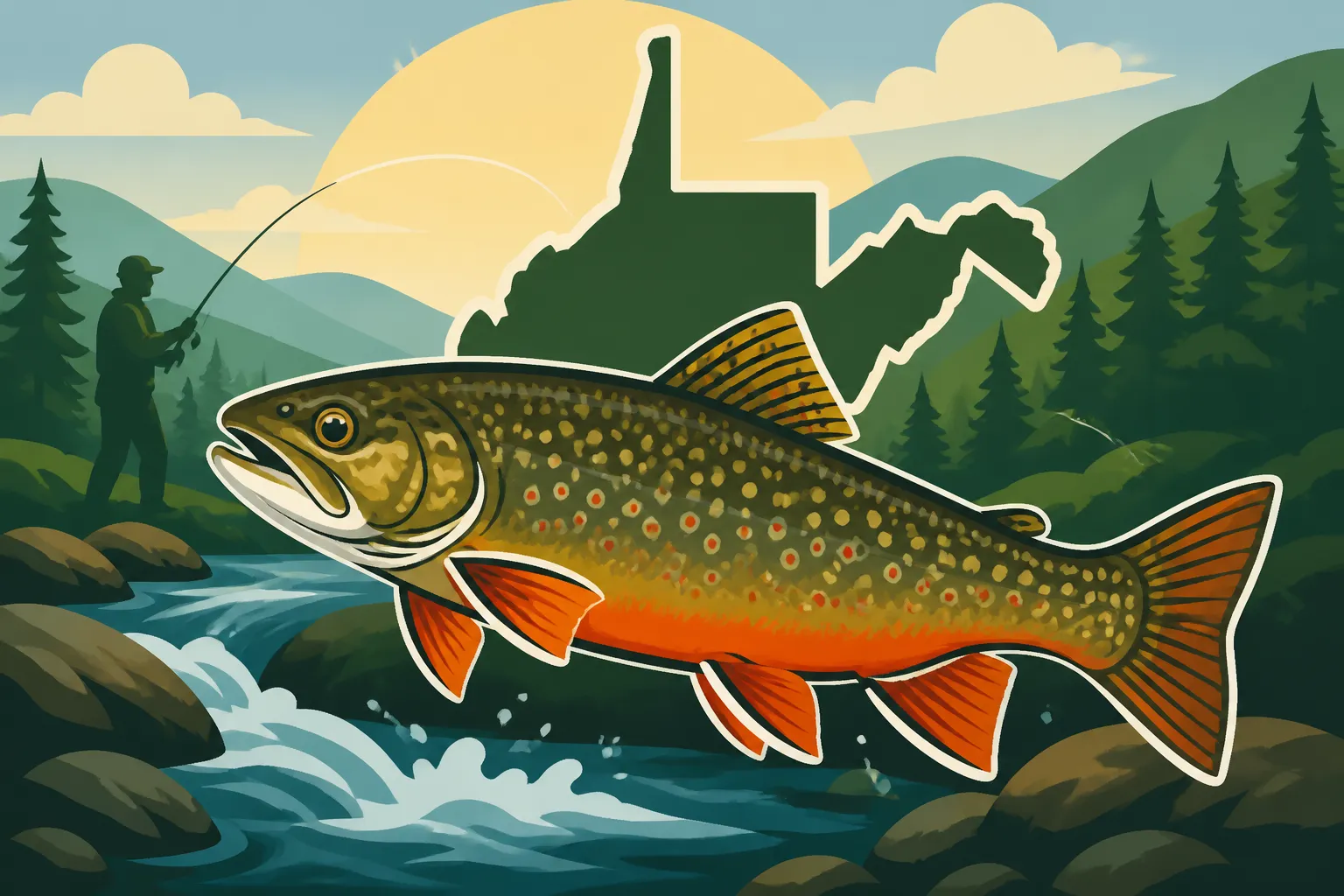
It's no accident that the brook trout was designated as West Virginia's official state fish. This designation isn't merely a formality; it reflects the deep cultural and ecological significance of this species to our state. The brook trout embodies the very essence of West Virginia's natural beauty and rugged independence. Its vibrant colors—deep olive green with a mosaic of pale spots, often with bright red or orange spots ringed with blue, and those unmistakable white-edged fins—are as striking as a mountain sunset.
Beyond their aesthetic appeal, brook trout serve as a critical indicator species. Their presence in a stream signifies excellent water quality, cold temperatures, and healthy riparian habitats. If brook trout are thriving, it's a good sign that the entire ecosystem is robust. Therefore, protecting our brook trout populations directly translates to protecting the overall health of our most precious natural resources. This responsibility is keenly felt by many West Virginians, making the state fish title a powerful call to action for conservation and responsible angling. You can learn more about the rules that protect these vital fish in the West Virginia Fishing Regulations Explained guide.
Identifying West Virginia's Brook Trout: A Guide for Anglers
One of the most satisfying aspects of catching a brook trout is the sheer joy of admiring its incredible beauty. However, in streams where multiple trout species might be present, it's important to be able to correctly identify a brook trout. Not only does it help you appreciate what you've caught, but it's also crucial for adhering to specific regulations, as some waters have different rules for native brook trout compared to stocked rainbows or browns. Getting a handle on their distinguishing features will make you a more informed angler.
Key Physical Characteristics
Wild West Virginia brook trout (scientific name: Salvelinus fontinalis) are truly a sight to behold, often described as living jewels. They possess several distinctive features that set them apart from other trout species. Let's break down what to look for:
- Coloration: Their base color is typically a dark olive green to black along the back, fading to lighter green or bronze on the sides. What truly stands out are the vivid spots: small, pale, worm-like markings called "vermiculations" cover their back and dorsal fin, resembling a marbled pattern. Along their sides, you'll see small, brilliant red or orange spots, each encircled by a distinct blue halo. This "haloed spot" is a key identifier.
- Fin Edges: Perhaps the most definitive characteristic is on their lower fins (pelvic, pectoral, and anal fins). These fins will have a striking white leading edge, often followed by a thin black line, before transitioning to red or orange. This white-black-color pattern is almost always present on brook trout and is an immediate giveaway.
- Tail Fin: Unlike rainbow trout, which often have small black spots all the way onto their tail, the brook trout's tail fin is usually plain or subtly mottled, without distinct black spots. The tail itself is typically square or only slightly forked.
- Body Shape: They tend to be a bit more "chunky" or robust in body shape compared to the sleeker, more torpedo-like rainbows or browns of similar size. Their heads are usually proportionate to their bodies, with a relatively large mouth.
When you hold one of these fish gently in the water, take a moment to really observe these patterns. The richness of their colors often intensifies in cooler, clearer waters, making them even more stunning.
Distinguishing Them from Other Trout Species
It's easy to confuse trout, especially for a beginner, but knowing the differences is important, both for appreciation and compliance. Let's compare brook trout to the two other common trout species you'll encounter in West Virginia: rainbow trout and brown trout. This table highlights the main differences:
| Feature | Brook Trout (Native) | Rainbow Trout (Introduced) | Brown Trout (Introduced) |
|---|---|---|---|
| Back Color | Dark olive/green with worm-like markings (vermiculations) | Greenish-blue to silver with many small black spots | Brown to golden-brown with dark spots, sometimes red |
| Side Spots | Red/orange spots with blue halos | Numerous small black spots | Dark spots (often X-shaped) and red spots with no halos |
| Fin Edges | Distinct white leading edge, followed by a black line | Typically plain or translucent | Plain or yellowish |
| Tail Fin | Square or slightly forked, no spots | Slightly forked with many black spots (often radial) | Square or slightly forked, few or no spots |
| Body Shape | Robust, stockier | More streamlined, torpedo-shaped | More robust than rainbow, often deeper-bodied |
| Mouth | Relatively large, extends under eye | Moderate, typically ends at eye | Large, often extends well past the eye |
Knowing these differences will not only impress your fishing buddies but also ensure you're following local West Virginia Bag and Possession Limits by Species, which can vary by species. For a comprehensive look, check out our Trout Species Identification Guide for West Virginia.
The Pristine Habitat: Where Brook Trout Thrive in West Virginia
Brook trout are picky residents. They don't just live anywhere; they demand specific, high-quality environmental conditions to survive and flourish. Understanding their preferred habitat is key to finding them and appreciating the delicate balance of the ecosystems they inhabit. It also sheds light on the challenges they face in a changing world.
Cold, Clear, and Clean: The Ideal Conditions
The mantra for brook trout is simple: cold, clear, and clean. These fish are incredibly sensitive to water temperature. Their ideal range is generally between 50-60°F (10-15°C). Water temperatures consistently above 68°F (20°C) for extended periods can be lethal. This is why you'll often find them in high-elevation streams that are fed by springs, snowmelt, or shaded by dense forest canopies. These sources keep the water consistently frigid, even during the dog days of summer.
Beyond temperature, brook trout need highly oxygenated water. This is why riffles, runs, and small waterfalls, where water tumbles and mixes with air, are prime holding areas. Turbid or silty water, often caused by erosion from logging, mining, or agricultural runoff, can smother their eggs and gills, making it impossible for them to survive. They also prefer water with a neutral to slightly acidic pH, which is typical of many Appalachian mountain streams. This particular combination of factors means that only the healthiest, least disturbed watersheds can support thriving brook trout populations.
Headwater Streams and High-Elevation Sanctuaries
In West Virginia, the search for brook trout inevitably leads you to the headwater streams—the very beginnings of our rivers, high up in the mountains. These are typically small, steep-gradient creeks, often no more than a few feet wide, tumbling over rocks and through dense rhododendron thickets. Areas like the Monongahela National Forest are classic examples, home to countless tiny tributaries that are perfect brook trout nurseries.
The dense forest canopy in these areas plays a crucial role. It provides shade, preventing the sun from warming the water too much. The leaf litter and fallen trees also contribute organic matter, creating a diverse food web for aquatic insects that brook trout feed on. The streambed itself is usually a mix of gravel, cobble, and bedrock, providing excellent cover and spawning grounds. These isolated, high-elevation sanctuaries act as refugia, places where brook trout can escape the warmer temperatures and more diverse fish populations of larger, lower-elevation rivers. Places like the upper reaches of Shavers Fork or the Cranberry River system are legendary for this reason. For specific locations, our Best Trout Streams in West Virginia guide can point you in the right direction.
Impact of Logging and Mining on Historical Habitats
It's impossible to talk about brook trout habitat in West Virginia without acknowledging the historical impact of logging and mining. In the past, extensive clear-cutting practices stripped hillsides of their protective canopy, leading to increased water temperatures and severe erosion. This siltation choked out spawning beds and reduced aquatic insect populations, devastating brook trout habitat. Similarly, acid mine drainage from abandoned coal mines, leaching heavy metals and sulfuric acid into streams, rendered many once-productive waters completely uninhabitable for brook trout and nearly all other aquatic life.
While we've made significant strides in conservation and remediation over the decades, the scars of these historical practices are still evident in some areas. Many streams that once teemed with brook trout are now devoid of them or only support marginal populations. This history underscores the importance of ongoing conservation efforts and why protecting the remaining pristine brook trout waters is paramount. It’s a stark reminder of how fragile these ecosystems are and how quickly human activity can alter them.
Life Cycle of a Wild West Virginia Brook Trout
Understanding the life cycle of a brook trout offers a deeper appreciation for their resilience and the intricacies of their mountain stream homes. From the moment they are tiny eggs nestled in the gravel to their emergence as feisty, mature adults, their journey is a testament to natural selection and survival.
Spawning Rituals in the Mountain Streams
Brook trout typically spawn in the fall, generally from late September through November, when water temperatures begin to drop. Unlike many fish that broadcast their eggs, brook trout are "redd builders." The female, often accompanied by one or more males, will select an area of clean, flowing gravel in a shallow riffle or the tailout of a pool, often where upwelling groundwater provides consistent temperatures and oxygen. Using her tail, she'll meticulously fan out a depression in the streambed, creating a small, oval-shaped nest called a redd.
Once the redd is prepared, she deposits her eggs, which are then fertilized by the male(s). After fertilization, the female covers the eggs with gravel, protecting them from predators and the elements. A single female can lay anywhere from a few hundred to several thousand eggs, depending on her size and health. These eggs will then incubate over the winter months, slowly developing in the cold, oxygen-rich environment of the gravel, a remarkable feat of natural engineering that often occurs under layers of ice and snow.
From Fry to Feisty Fighter
The incubation period for brook trout eggs can last anywhere from 70 to 100 days, sometimes even longer in colder water. By late winter or early spring, typically February through April, the tiny "alevin" hatch. These larvae still have a yolk sac attached, which provides their initial nutrition. They remain hidden in the gravel, absorbing the yolk sac. Once the yolk sac is fully absorbed, they emerge as free-swimming "fry," only an inch or so long.
At this stage, they are incredibly vulnerable to predators and the elements. They seek refuge in shallow, slow-moving areas of the stream, often near aquatic vegetation or submerged logs, where they can hide and find microscopic food. As they grow, they gradually move into faster water and begin to feed on small aquatic insects, insect larvae, and sometimes even smaller fish. Within a year, they are often 3-5 inches long, feisty, and capable of holding their own against the current, ready to continue the cycle. While brook trout typically don't grow to massive sizes in West Virginia's headwaters, a 10-12 inch wild brookie is considered a true trophy and a testament to the stream's health.
Fishing for Wild Brook Trout: A Rewarding Challenge
Catching a wild West Virginia brook trout is not just about the size of the fish; it's about the experience. It's about the hike into a remote hollow, the stealth required to approach an untouched pool, and the sheer satisfaction of outsmarting a truly wild creature. It's a different kind of fishing, one that prioritizes connection over conquest.
Gear Considerations for Native Brookies
When targeting wild brook trout, precision and subtlety are often more important than brute force. These fish, especially in small, clear mountain streams, can be incredibly spooky.
- Ultralight Spinning Gear: If you prefer spinning tackle, think very light. A 4'6" to 5'6" ultralight rod paired with a small 500 or 1000 series reel spooled with 2-4 pound test monofilament or fluorocarbon line is perfect. This setup allows for delicate presentations of tiny lures or bait, crucial for not spooking fish in shallow water. Small spinners (size 0 or 1, like Panther Martin or Mepps), tiny spoons, or micro-jigs are often effective. For a wide selection of these smaller lures, check out options available on Amazon.
- Fly Fishing Gear: For many purists, fly fishing is the quintessential way to target brook trout. A 2-weight or 3-weight fly rod, 6 to 7.5 feet in length, is ideal for the tight quarters and delicate presentations required on small streams. Pair this with a matching floating fly line and a 7.5-foot leader tapering down to 5x or 6x tippet. This setup allows you to present small dry flies, nymphs, or wet flies with minimal disturbance. Best Fly Rods for West Virginia Trout Streams can help you select the right one.
- Waders and Boots: Wading is often necessary to access many brook trout streams. Lightweight, breathable chest waders are essential, even in summer, as the water is always cold. Felt-soled wading boots offer superior grip on slick, moss-covered rocks, though rubber soles are often preferred if you're hiking a lot or worried about invasive species transfer between watersheds. Our guide on Best Waders for West Virginia Trout Streams has more detailed recommendations. A reliable wading staff is also a great idea for navigating uneven stream beds.
- Minimalist Approach: Think light. A small backpack or sling pack to carry a few fly boxes or lure boxes, a water bottle, a small net, and maybe a snack is all you need. You'll often be bushwhacking, so less is definitely more.
Respecting the Resource: Catch and Release Best Practices
Wild brook trout populations, while resilient, can be fragile, especially in smaller streams. Practicing responsible catch and release is not just a suggestion; it's often a necessity to ensure these fish continue to thrive. Many wild trout waters in West Virginia are designated as catch and release only, or have very restrictive harvest limits.
- Minimize Handling: The less you handle a fish, the better. Try to unhook it while it's still in the water. If you must remove it from the water for a quick photo, wet your hands thoroughly beforehand to protect its delicate slime coat, which acts as a barrier against disease. Hold it horizontally and support its belly.
- Barbless Hooks: Using barbless hooks, or crimping down the barb on your existing hooks, makes unhooking much easier and causes less damage to the fish's mouth. This is a simple change that makes a huge difference.
- Gentle Release: When releasing, gently hold the fish upright in the current until it regains its strength and swims away on its own. Don't just toss it back; ensure it's ready to face the stream again.
- Avoid Over-stressing: If a fish is deeply hooked or bleeding heavily, it's best to snip the line as close to the hook as possible rather than trying to remove a deeply embedded hook. This often gives the fish a better chance of survival.
Remember, the goal isn't just to catch a fish, but to ensure future generations can experience the same joy. Understanding and following West Virginia catch and release rules for trout is essential.
Fly Patterns and Lures That Fool Brook Trout
Wild brook trout aren't always easy to trick, but they are often opportunistic feeders. Matching the hatch (or at least the general insect profile) with a fly, or presenting a subtle lure, can lead to success.
- Dry Flies: In late spring through fall, when insects are active on the surface, dry flies can be incredibly effective and exciting. Think smaller patterns. Favorites include Elk Hair Caddis (size 14-18), Adams (size 12-18), Stimulators (size 12-16), and various ant or beetle patterns (size 14-18). Brook trout often aren't as selective as browns or rainbows, so a general attractor pattern can work wonders.
- Nymphs: Subsurface fishing with nymphs is productive year-round. Small Pheasant Tail Nymphs, Hare's Ear Nymphs, and Prince Nymphs (size 14-20) are staples. You can fish these under a strike indicator or use a tight-line nymphing approach. Small black stonefly nymphs are also very effective, especially in faster currents. Learning Spring Trout Fishing Techniques for West Virginia Streams often involves mastering nymphing.
- Wet Flies/Soft Hackles: These older patterns are incredibly versatile. A soft hackle retrieved on a slight swing can imitate emerging insects, and brook trout often can't resist them. Patterns like the Partrige & Orange or Starling & Herl in sizes 14-18 are good choices.
- Small Lures: For spin anglers, ultralight lures are the way to go. Small inline spinners with gold, silver, or black blades (size 0-1) are classic brook trout getters. Tiny spoons (like a gold or silver Phoebe or Kastmaster), micro-jigs (1/32 to 1/16 oz) in black, olive, or white, and even tiny crankbaits (though less common) can entice strikes. Look for these specific types of lures online, for example, a wide selection is available on Amazon.
- Live Bait (Where Permitted): In some general regulation waters, small worms (red wigglers or garden worms) or even a tiny cricket or grasshopper can be irresistible to brook trout, especially after a rain. Always check local regulations first, as many wild trout waters are artificial lures or flies only.
The key is often presentation: a delicate, drag-free drift with a fly or a slow, controlled retrieve with a lure. Stealth is your best friend when approaching a promising pool or run.
Conservation Efforts and the Future of West Virginia Brook Trout
While the brook trout is a symbol of West Virginia's wildness, its continued existence is not guaranteed. These native fish face a variety of challenges, both natural and man-made. Thankfully, dedicated efforts are underway to protect and restore their populations, ensuring they remain a part of our state's natural heritage for generations to come.
Challenges Facing Native Brook Trout
The pristine habitat requirements of brook trout make them particularly vulnerable to environmental changes and human impacts.
- Habitat Degradation: This is perhaps the biggest threat. Past and present activities like logging, road construction, and poorly managed development can lead to increased siltation, stream bank erosion, and loss of critical streamside vegetation that provides shade. Even small changes in the watershed can have a cascading effect, warming the water or reducing oxygen levels beyond what brook trout can tolerate.
- Climate Change: Rising global temperatures pose a significant, long-term threat. As air temperatures increase, so do water temperatures in many streams. This reduces the amount of available coldwater habitat, pushing brook trout further upstream into ever-smaller refugia, increasing competition, and making them more susceptible to disease.
- Non-Native Competition: The introduction of non-native rainbow and brown trout, while providing angling opportunities, has had a detrimental effect on native brook trout in many streams. Rainbows and browns are often more aggressive, grow larger, and can outcompete brook trout for food and spawning areas. In some cases, they can even prey on smaller brook trout. This competition has pushed brook trout into the most marginal, headwater habitats.
- Acid Rain: While less prevalent than in past decades, acid deposition from industrial emissions can still impact sensitive mountain streams, altering pH levels and making waters less hospitable for brook trout and the aquatic insects they feed on.
These challenges highlight why brook trout conservation isn't just a niche concern; it's fundamental to preserving the overall ecological health of West Virginia's most cherished wild places.
Restoration Projects and Protecting Wild Trout Waters
The good news is that many individuals and organizations are actively working to protect and restore West Virginia's native brook trout populations. The West Virginia Division of Natural Resources (WVDNR), along with various conservation groups and passionate anglers, are leading these efforts.
- Habitat Restoration: Projects focus on improving stream health through various means. This includes planting trees along stream banks to increase shade, stabilizing eroding banks with natural materials, and removing man-made barriers that prevent fish migration. Some projects even involve acid mine drainage remediation to bring "dead" streams back to life.
- Special Regulations: Many brook trout streams in West Virginia are managed under special regulations, such as catch-and-release only, or "artificial lures and flies only." These rules are designed to reduce angling pressure on wild populations and encourage natural reproduction. Understanding these specific rules is key to responsible angling, and you can find many detailed regulations in our article on Special Regulation Waters in West Virginia.
- Monitoring and Research: WVDNR biologists regularly monitor brook trout populations, assess habitat quality, and conduct research to better understand the fish's needs and challenges. This scientific data is crucial for informed management decisions.
- Public Awareness and Education: Educating anglers and the general public about the importance of brook trout and the threats they face is a major part of conservation. Workshops, informational materials, and community events help foster a sense of stewardship. This blog, for example, aims to contribute to that awareness.
These efforts are about more than just saving a fish; they are about preserving the unique wilderness character of West Virginia and ensuring that these iconic native fish continue to grace our mountain streams for generations to come.
Finding Your Own Brook Trout Adventure in West Virginia
The allure of a wild brook trout adventure is strong for many anglers. It's not just about the fishing; it's about the journey, the solitude, and the connection to nature that these unique environments offer. While I can't give you exact coordinates to "secret spots" (part of the adventure is finding them!), I can certainly provide guidance on how to embark on your own brook trout quest.
Accessible Wild Trout Waters
West Virginia is blessed with a vast network of headwater streams that hold wild brook trout. Many of these are within the Monongahela National Forest, which encompasses a significant portion of the state's highest and most rugged terrain. Here's what to look for:
- National Forest Lands: These are your prime target areas. The Monongahela National Forest manages numerous streams that are designated as "Wild Trout Waters" or "Native Brook Trout Waters." These designations usually mean the stream is self-sustaining, relies on natural reproduction, and is often managed under restrictive regulations to protect the wild population. Look for maps from the National Forest Service or the WVDNR that highlight these areas.
- High-Elevation Streams: Focus on streams with high gradient (steep drops) that originate at higher elevations (typically above 2,500 feet, but sometimes lower if conditions are right). These streams will naturally stay colder.
- Dense Forest Cover: Streams flowing through mature, unbroken forest cover are ideal. The canopy provides shade, stabilizes stream banks, and contributes organic matter, all crucial for brook trout.
- Remote Access: The best brook trout streams often require a hike. Don't be afraid to put in some effort. Streams closer to roads or easy access points tend to see more pressure. If you're looking for true solitude and wild fish, be prepared to walk a bit.
- WVDNR Stocking Schedules vs. Wild Trout Maps: While the WVDNR does a fantastic job with its stocking program, don't confuse stocked trout streams with wild brook trout waters. The "West Virginia Trout Stocking Hotline and Schedule" will give you information about stocked waters, but for true native brookies, you'll want to consult WVDNR's specific maps and regulations for wild trout streams. For example, the upper Cranberry River or sections of Shavers Fork are well-known wild brook trout strongholds.
Always consult the most recent West Virginia Fishing Regulations Summary (often available as a PDF online) before you go. This will provide current information on specific stream regulations, season dates, and any special restrictions. Reading the West Virginia Fishing Regulations Summary is essential reading.
Ethical Angling and Leaving No Trace
Part of the unique appeal of brook trout fishing is the pristine nature of their habitats. As anglers, we have a responsibility to keep these places wild and beautiful. The "Leave No Trace" principles are particularly important when venturing into these sensitive ecosystems.
- Plan Ahead and Prepare: Know the regulations for the specific stream you're fishing. Pack only what you need, and carry out everything you pack in. Consider biodegradable soaps if you're staying overnight.
- Travel and Camp on Durable Surfaces: Stick to existing trails to minimize erosion. When stream-side, try to minimize trampling vegetation. If you camp, use established campsites or durable surfaces away from the water.
- Dispose of Waste Properly: Pack out all trash, including fishing line, bait containers, and food wrappers. Even organic waste like apple cores can take a long time to decompose in these environments and can attract unwanted wildlife.
- Leave What You Find: Resist the urge to collect "souvenirs" like rocks, plants, or historical artifacts. Leave natural objects and cultural artifacts as you find them.
- Minimize Campfire Impacts: Use established fire rings. Keep fires small and ensure they are completely extinguished before you leave. In many wild trout areas, campfires might even be prohibited, so check regulations.
- Respect Wildlife: Observe wildlife from a distance. Do not feed animals. Store food properly to prevent attracting critters.
- Be Considerate of Other Visitors: These streams are for everyone to enjoy. Maintain a quiet presence, respect solitude, and yield to others on the trail.
By adhering to these principles, you ensure that the wild brook trout streams of West Virginia remain pristine and accessible for all to enjoy, now and in the future. The experience of fishing for West Virginia's native brook trout is about much more than just catching a fish; it's about connecting with the wild, rugged beauty of our state and doing your part to protect it.
Disclaimer
This article is for general informational purposes only and does not constitute professional advice. Laws, prices and regulations vary by location and change over time. Consult a qualified professional for guidance on your specific situation.