Best time to fish after a cold front
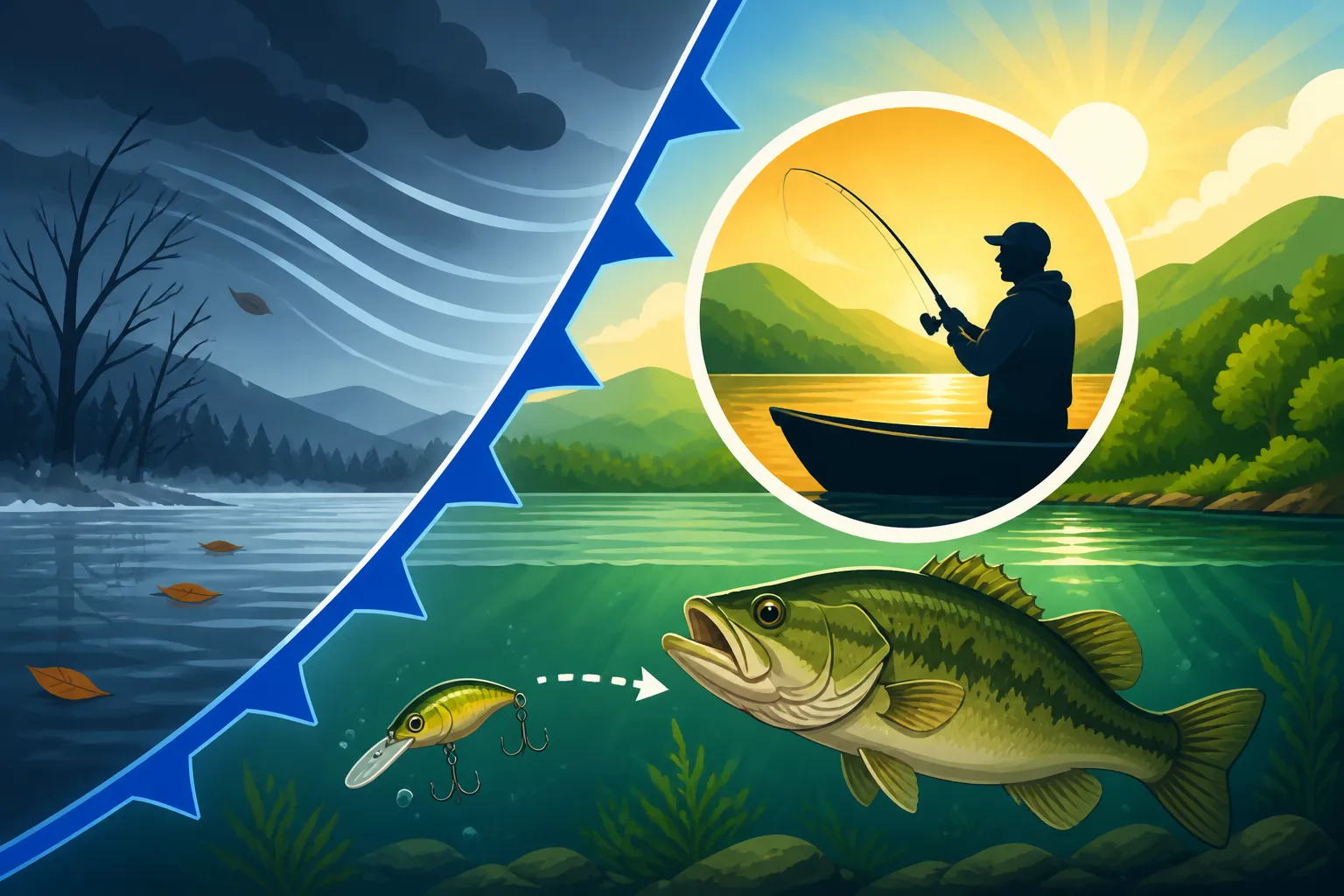
There’s nothing quite as deflating as planning a fantastic fishing trip across West Virginia, only to have a sudden cold front sweep through and seemingly shut down every bite. Many anglers feel that frustration, wondering if their day is doomed. This guide dives deep into understanding how fish react to these dramatic weather changes and, more importantly, reveals the best time to fish after a cold front has passed, offering actionable strategies to turn a tough day into a successful one.
Understanding the Impact of a Cold Front on West Virginia Fish
A cold front isn't just a drop in air temperature; it's a whole atmospheric shake-up that sends ripples through the aquatic environment, impacting everything from water chemistry to fish behavior. Understanding these fundamental shifts is the first step to figuring out how to approach the water after the front has moved on.
Why Fish Get Lockjaw After a Cold Front
Imagine you’re out enjoying a pleasant day, and suddenly the skies darken, a storm rolls in, and the temperature plummets. Your first instinct isn't usually to go grab a big meal; it's to seek shelter and conserve energy. Fish operate on a similar, albeit instinctual, level. When a cold front passes, the sudden drop in temperature, coupled with a sharp rise in barometric pressure, triggers a physiological response in fish. Their metabolism slows down significantly. They become less active, their digestion becomes sluggish, and their need to feed diminishes. It's not that they stop eating entirely, but their feeding windows become much shorter and their strikes much more subtle. They're essentially hunkering down, waiting for conditions to stabilize and become more favorable. This "lockjaw" phenomenon is a natural survival mechanism, making them incredibly difficult to entice with aggressive presentations.
How Water Temperature and Barometric Pressure Play a Role
These two factors are the primary culprits behind post-cold front fishing woes. Barometric pressure refers to the weight of the air above the water. Before a cold front, the pressure often drops, which can trigger an increase in fish activity as they sense the change and feed aggressively. Then, the front arrives, and the pressure typically rises sharply and stabilizes at a higher point. This increased pressure pushes down on the water, affecting the fish's swim bladders and general comfort. They often move deeper to equalize the pressure, or seek out submerged cover where the pressure change might be less pronounced.
Water temperature, of course, directly impacts a fish's metabolism. Even a few degrees can make a significant difference, especially in shallower waters like those found in many West Virginia streams or even the New River. When the water cools rapidly, fish become lethargic. They'll seek out thermal refuge – areas where the water might be slightly warmer, like deeper channels, springs, or dark bottom areas that absorb more sunlight. A cold front often combines these two factors, creating a double whammy for fish activity. For instance, a smallmouth bass in the South Branch Potomac River might move from its shallow feeding flats to deeper pools, becoming less inclined to chase a fast-moving lure.
Species-Specific Reactions to Cold Fronts
Not all fish react identically to cold fronts; some species are more sensitive than others. Understanding these differences can help you tailor your approach.
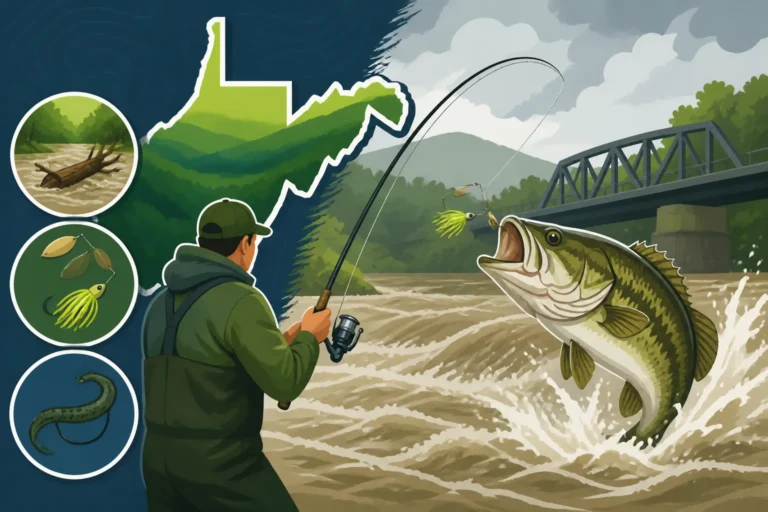
- Smallmouth Bass: Often one of the most affected. Smallmouth become incredibly wary and will move to deep holes, current breaks, or dense cover. They'll stop chasing aggressively and might only mouth a bait. You'll need to really slow down your presentation. If you're targeting smallmouth on rivers like the New River Gorge National Park, consider how they might relocate from their usual current seams to the protection of ledges or boulders. You can find out more about specific tactics in our guide on How to Catch Smallmouth Bass in West Virginia Rivers.
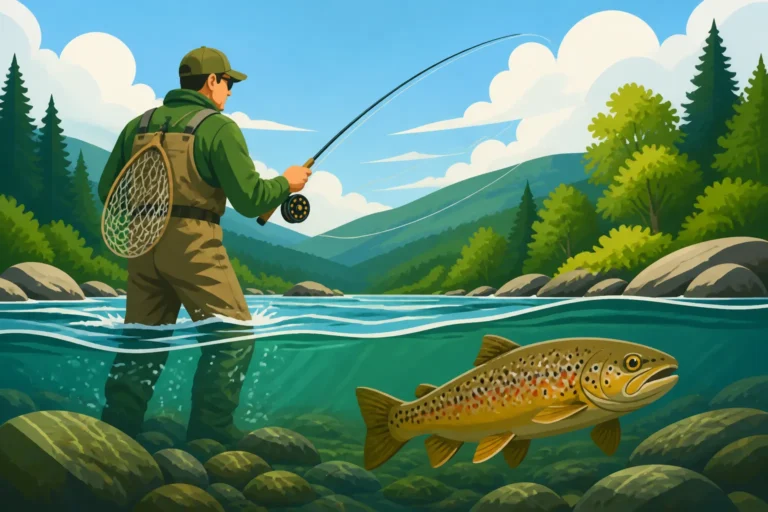
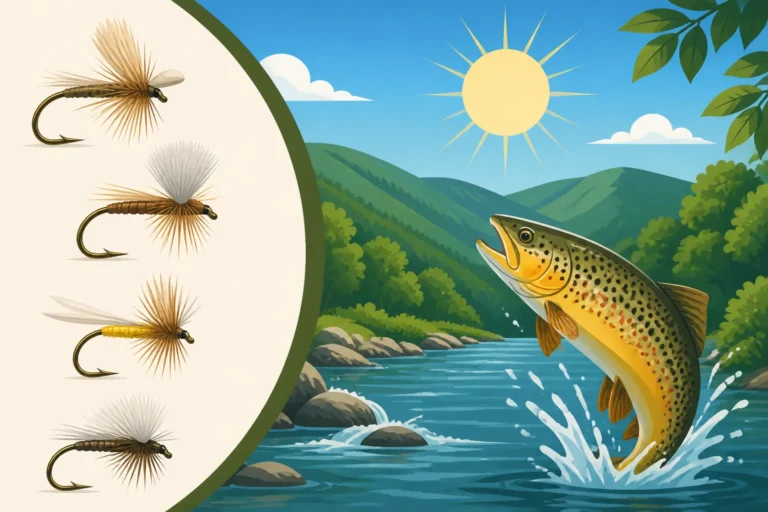
- Trout: While trout generally prefer cooler water, a sudden dramatic drop can still make them sluggish. They'll often hug the bottom, tucked into structure or deeper pools. Stocked trout, especially, can be finicky after a cold snap. Wild brook trout in high-elevation streams might be slightly less affected due to their inherent hardiness and adaptation to fluctuating mountain conditions, but even they will feed less actively. Checking the West Virginia Trout Season and Stocking Rules can help you know when and where to expect them.
- Muskie: These apex predators are notoriously fickle anyway, and a cold front only amplifies that. They might become even more ambush-oriented, burying themselves in weed beds or fallen timber. Your chances might drop, but patient, methodical presentations can still tempt a strike. For more specific insights, our article on Muskie Fishing in West Virginia is a great resource.
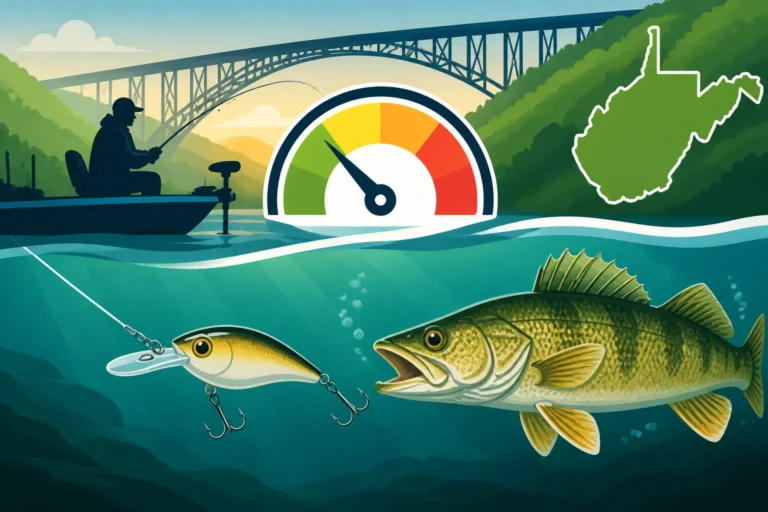
- Walleye: Often less affected than bass, especially in deeper lakes. Walleye might simply move to deeper structure, like submerged humps or rocky points, and continue to feed, albeit perhaps with less gusto. Trolling deep or jigging near the bottom can still be productive.
- Catfish: These bottom-dwelling scavengers are generally the least impacted by cold fronts. While their activity might slow somewhat, they’re still often catchable, especially flathead and channel catfish, as they rely more on scent than sight and are less sensitive to pressure changes.
- Panfish (Bluegill, Crappie): Like bass, panfish can become quite lethargic. They'll typically move to deeper brush piles, submerged timber, or docks, clustering tightly together. Finding the schools is key, and then presenting small baits very slowly.
The "Best Time" Window: When to Hit the Water
Alright, so the cold front rolled through, and the fish are being moody. When exactly should you brave the elements and try your luck? It’s not an exact science, but there’s definitely a window that offers better odds than the immediate aftermath.
The Immediate Aftermath: Patience is Key
Let's be brutally honest: the period immediately following a cold front is often the toughest time to fish. The sky might be clear and beautiful, but the fish are still reeling from the rapid changes. The high pressure has settled in, and the water temperature is still dropping or hasn't had a chance to stabilize. If you absolutely have to fish during this time, consider it a scouting mission. Focus on finding fish rather than expecting to catch a limit. This is when the fish are usually deepest, tightest to cover, and least willing to move for a meal. Trying to force a bite with aggressive tactics will likely lead to frustration and a lot of empty casts. Give it some time if you can.
The Stabilizing Period: Looking for Recovery Signs
The "best time" to fish after a cold front isn't necessarily a specific hour; it's more about the environmental recovery. You’re looking for a period of stabilization rather than a complete return to pre-front conditions. This typically means:
- Stable High Pressure: The initial sharp rise in barometric pressure is the worst. Once it levels off and stays consistently high for 24-48 hours, fish start to acclimate. They might still be sluggish, but they're less stressed.
- Gradual Warming: Even a slight increase in air temperature, especially if it leads to warmer, sunnier days, will start to warm the shallow waters. This is particularly important for species like bass and panfish. Even a few degrees can trigger them to move shallow for a brief feeding period.
- Light Winds: Post-front conditions often bring strong, blustery winds. Lighter winds make for more comfortable fishing, but more importantly, they allow the water to settle and clear. This can be crucial for finesse presentations when fish are easily spooked.
Generally, the best window begins about 24 to 48 hours after the cold front has fully passed and the weather has begun to stabilize. Sometimes, if the cold front was particularly severe, it might take even longer, perhaps 3-4 days. You're looking for that first sunny, calm day after the initial shock, or a period where the weather holds steady for a full day.
Weather Patterns to Watch For
Beyond just waiting, keep an eye on these specific patterns that signal a better chance for success:
- Bluebird Skies with Light Breeze: While bluebird skies can sometimes mean tough fishing, after a cold front, a few consecutive days of clear, sunny weather can start to warm the surface water and penetrate deeper, encouraging fish to become slightly more active. Light breezes are preferable to dead calm, as a ripple on the water can help break up your silhouette and make fish less spooky.
- The Second Day After: Often, the second full day after the frontal passage is better than the first. The initial shock has worn off, and fish are starting to settle into their new patterns.
- Pre-Frontal Warm-Up (if you can catch it): This isn't after a cold front, but it's worth mentioning. If you can sneak out before a cold front hits, when the pressure is dropping, fishing can be incredible. Fish sense the change and often feed aggressively. If you miss that window, then you're playing the waiting game.
- Overcast, Stable Days: Once the initial high-pressure, bluebird conditions give way to more stable, slightly overcast days (without another frontal system moving in), fishing can improve significantly. The lower light can make fish feel more secure in shallower water.
Consider keeping an eye on local forecasts for specific areas you plan to fish, like Summersville Lake or the Cheat River, as microclimates can sometimes mean slightly different recovery times.
Adjusting Your Strategy for Post-Cold Front Success
Knowing when to go is only half the battle. If you fish the same way you would on a perfect, stable day, you're likely to come up empty. Post-cold front fishing demands a complete shift in tactics and a boatload of patience.
Slowing Down and Finesse Tactics
This is perhaps the most critical adjustment you can make. Fish are lethargic, unwilling to chase, and often hugging tight to cover. Your presentations must reflect this.
- Patience is a Virtue: Don't rush your retrieve. Let your baits sit longer. Work a small jig or worm with agonizing slowness. Imagine the fish is barely breathing, and you're trying to put the food right in front of its nose without startling it. This might mean pausing a crankbait for 10-15 seconds, or letting a plastic worm soak on the bottom for what feels like an eternity.
- Finesse Rigs: Light line, small hooks, and natural-looking baits are your best friends. Drop shots, Ned rigs, shaky heads, and split-shot rigs are excellent choices. These allow for subtle movements and keep your bait in the strike zone longer. When targeting Smallmouth Bass Habits on the New River, this means scaling down from your aggressive topwaters to something more subtle and bottom-oriented.
- Less is More: Resist the urge to twitch and jerk aggressively. Small, controlled movements are much more effective. Think of barely shaking your rod tip to impart a subtle vibration to a soft plastic, rather than a big sweep.
Depth and Cover: Where the Fish Relocate
Fish don't just stop eating; they move to where they feel safest and most comfortable. Your job is to find those new holding patterns.
- Go Deeper: This is a general rule of thumb. Whether it's a deep hole in a river, the main lake basin, or the deepest drop-offs in a reservoir, fish will often seek refuge in deeper water where temperature and pressure changes are less drastic. For Walleye Fishing in West Virginia, this often means targeting depths you might typically ignore.
- Seek Out Heavy Cover: Submerged timber, rock piles, ledges, deep weed lines, and even dense docks can provide comfort and a sense of security for fish. They'll bury themselves deep within this cover, becoming almost invisible. Don't be afraid to put your bait right into the thickest stuff; if you're not getting snagged occasionally, you're probably not in the right spot.
- Thermal Refuges: In cold rivers, look for spring-fed tributaries or areas with darker bottoms that absorb sunlight, which can create slightly warmer pockets of water. In lakes, the deepest parts of coves or the leeward side of islands might hold more stable temperatures.
- Current Breaks: In rivers, fish will always seek out current breaks to conserve energy, but this becomes even more pronounced after a cold front. Look for eddies behind large rocks, downed trees, or inside bends of the river.
Bait and Lure Selection for Reluctant Biters
The "go-to" baits that work so well on active fish often fail spectacularly after a cold front. You need to think small, natural, and subtle.
- Small Profile, Natural Colors: Downsize your lures. Instead of a 4-inch swimbait, try a 2-inch grub. Opt for natural, muted colors like greens, browns, and blacks that imitate natural forage like crawfish, minnows, or worms. Bright, flashy colors are usually too aggressive.
- Soft Plastics: Worms, creature baits, and small grubs fished on light jig heads, Ned rigs, or drop shots are incredibly effective. Their subtle action can tempt even the most finicky fish. You can often find a good selection of these subtle, natural-colored jigs and small soft plastics on Amazon if your local tackle shop is low.
- Jigs: Small hair jigs, marabou jigs, or football jigs tipped with a small plastic trailer can be deadly when fished slowly along the bottom.
- Blade Baits & Spoons: These can be effective for vertical jigging in deep water, especially for species like walleye or even suspended bass. The flash and vibration can trigger an instinctual strike without requiring a lot of chase.
- Live Bait: When all else fails, live bait is often the most consistent producer after a cold front. A lively minnow, a juicy nightcrawler, or a well-presented salamander can be irresistible to sluggish fish. Just be sure to check West Virginia Fishing Regulations Explained for any restrictions on live bait in certain waters.
| Fish Species | Typical Post-Front Location | Recommended Tactics | Go-To Baits/Lures |
|---|---|---|---|
| Smallmouth Bass | Deep holes, current breaks, heavy cover | Slow jigs, drop shots, Ned rigs | Small tubes, worms, crawfish imitations |
| Trout | Bottom of deep pools, under structure | Small nymphs, worms, PowerBait, small spinners | Tiny jigs, soft hackles, live worms |
| Muskie | Deep weed lines, fallen timber, ambush points | Slow retrieves, jerkbaits, large soft plastics | Gliders, large swimbaits, jerkbaits |
| Walleye | Deep main lake basins, drop-offs, humps | Vertical jigging, slow trolling | Jigging spoons, blade baits, crawler harnesses |
| Catfish | Deeper channels, bottom structure | Bottom fishing, scent-based baits | Cut bait, chicken liver, prepared baits |
| Panfish | Deep brush piles, docks, submerged timber | Ultralight jigging, live bait | Tiny jigs, wax worms, small minnows |
The Importance of Presentation and Patience
It cannot be stressed enough: your presentation must be impeccable. Line watching becomes paramount, as bites will often be incredibly subtle – a slight tick, a spongy feeling, or simply the line moving sideways. Set the hook on anything that feels remotely different. And patience? You'll need it in spades. This isn't about catching a fish on every other cast; it's about making a dozen perfect casts to one potential fish. Each retrieve might feel interminably long, but it's often the only way to convince a cold-front fish to bite. Don't be discouraged by long stretches without a bite; stay focused and keep believing that a fish is there, waiting for just the right offering.
Gear and Preparation for the Challenge
Fishing after a cold front isn't just about tactics; it's also about being properly equipped and prepared for potentially difficult conditions.
Essential Gear for Cold Front Conditions
The weather might be clear, but it's often still chilly, especially early in the day or when dealing with wind. Dressing in layers is crucial.
- Warm, Layered Clothing: Start with a good base layer (merino wool or synthetic), add a fleece or insulated mid-layer, and finish with a waterproof and windproof outer shell. Even if it looks sunny, mornings can be brisk.
- Insulated Gloves and Hat: You lose a lot of heat through your extremities. Warm hands are essential for tying knots and feeling subtle bites.
- Waders and Boots: If you're wading West Virginia Trout Streams, ensure your waders are in good condition and your boots provide excellent traction, especially if the water is cold and rocks are slick. You might consider checking out our guide on Best Waders for West Virginia Trout Streams.
- Quality Rain Gear: Even if the forecast is clear, localized showers or just persistent dampness can make you miserable. Good rain gear, like options found on Amazon, can keep you dry and comfortable. Find more details in our post on Best Rain Gear for West Virginia Anglers.
- Sensitive Rods and Light Line: A rod with a fast action and a sensitive tip will help you detect those light bites. Couple it with light fluorocarbon or braided line with a fluorocarbon leader for maximum sensitivity and invisibility in often clear, cold water.
- Landing Net: With fish often lightly hooked on finesse baits, a good landing net can prevent heartbreak at the boat or bank. Make sure it's fish-friendly for catch and release.
Checking Forecasts and Water Conditions
Always do your homework before heading out.
- Detailed Weather Forecasts: Look beyond just the temperature. Pay attention to wind speed and direction, barometric pressure trends, and precipitation chances. A stable, rising pressure and decreasing wind are good signs.
- Water Temperature: If you have a fish finder with a temperature gauge, pay close attention to water temps. Smallmouth bass, for example, have preferred water temperature for smallmouth bass fishing, and a sharp drop will tell you they're likely shut down. If the temperature starts to slowly creep back up, even a degree or two, it can signal improving conditions.
- Water Clarity: Cold fronts can sometimes bring heavy rains or snowmelt, leading to turbid water. If the water is muddy, it adds another layer of challenge. Clearer water, after some time has passed, often means fish are starting to see and respond to baits again.
- Local Reports: Check with local bait shops or online fishing forums for recent reports. Other anglers’ experiences can give you valuable real-time insight into how the fish are reacting in specific West Virginia lakes or rivers.
By combining an understanding of fish behavior with the right tactics and preparation, you can transform those frustrating post-cold front days into surprisingly productive outings. Remember, fishing isn't just about catching; it's about understanding and adapting.
Disclaimer
This article is for general informational purposes only and does not constitute professional advice. Laws, prices and regulations vary by location and change over time. Consult a qualified professional for guidance on your specific situation.