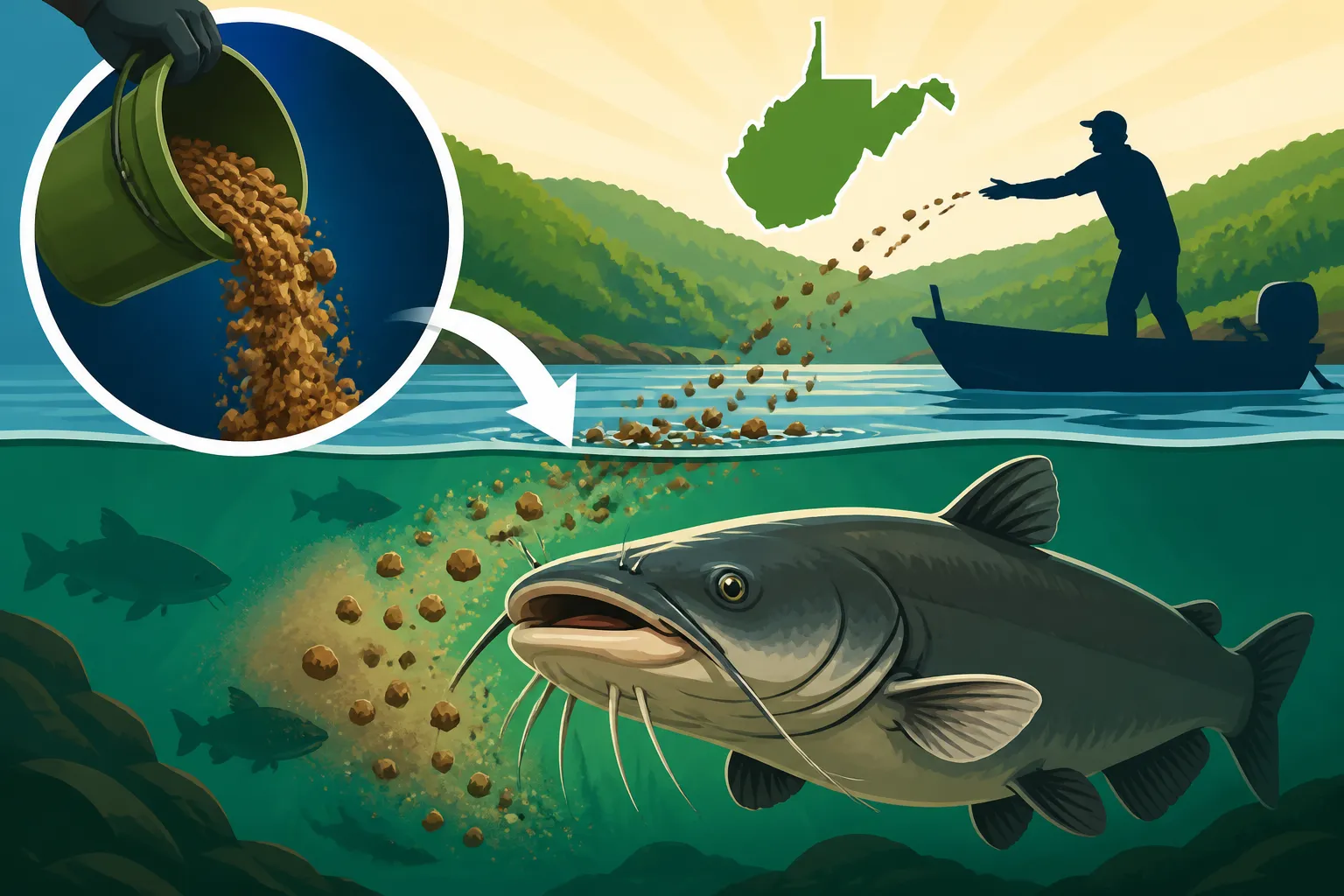
Best chumming technique for catfish
If you've spent countless hours staring at a still fishing line, wondering why those elusive West Virginia catfish aren't biting, you're not alone. Catfish are masters of the deep, often requiring a little extra persuasion to come out and play. This guide is all about mastering the art of chumming – creating an irresistible scent trail that draws catfish right to your hook, turning those quiet moments into exciting catches.
What is Chumming and Why It Works for West Virginia Catfish
Chumming, in its simplest form, is the practice of strategically dispersing small particles of bait or attractant into the water to draw fish to your fishing location. It's not about feeding the fish a full meal, but rather creating an aromatic beacon that stimulates their senses and guides them to where you want them to be. For catfish in West Virginia's rivers and lakes, this technique can be an absolute game-changer.
The Olfactory Advantage: How Catfish Find Food
Catfish are primarily nocturnal hunters, and while they have decent eyesight, their most powerful tools are their sense of smell and their barbels. Think of their barbels like ultra-sensitive chemical detectors, constantly sampling the water for even the faintest traces of food. Chumming directly taps into this incredible sensory system. When you release a cloud of scent and small food particles into the water, it disperses with the current, creating an invisible, yet undeniable, path straight to your fishing spot.
Imagine a slow-moving river like the Kanawha or a vast lake like Summersville. A single piece of bait might sit unnoticed for hours. But a continuous plume of enticing aroma? That's a different story. It tells every catfish downstream, "Dinner is being served, and it's right up ahead!" This makes chumming especially effective in darker, murkier waters where visibility is low, or during low-light conditions when catfish are most active. It’s also incredibly effective for species like channel catfish, which are opportunistic feeders and highly responsive to scent.
Beyond Just Attracting: Stimulating a Feeding Frenzy
Chumming does more than just attract fish; it can also put them into an active feeding mode. When catfish encounter a widespread, though diffuse, food source, it triggers a competitive instinct. They're not just looking for a meal; they're actively searching for the source of the meal, and they tend to be less cautious when they believe there's an abundance of food. This can make them more aggressive and more likely to strike your baited hook.
It’s a subtle dance. You're not trying to fill them up, but rather to pique their interest and encourage them to investigate. The small particles in your chum keep them in the area, browsing and searching, until they stumble upon your perfectly presented hook bait. This is a common strategy employed by seasoned anglers targeting various species, from the smallest panfish to the largest muskie, but it’s particularly potent for catfish due to their strong reliance on smell.
Choosing Your Catfish Chum: Ingredients and Recipes
The effectiveness of your chumming technique hinges greatly on what you put into your chum mix. Catfish aren't particularly picky eaters, but certain ingredients and preparations can significantly boost your success. The goal is to create something smelly, palatable, and slow-releasing.
The Classics: Tried-and-True Chum Ingredients
When it comes to catfish, strong, pungent smells are your best friends. Think about what a catfish naturally eats or is attracted to.
- Fermented Grains: This is probably the most popular and effective chum base. Old corn, oats, or even wheat allowed to sour (ferment) create a powerfully attractive smell. The fermentation process breaks down the starches, releases potent odors, and makes the grains slightly softer, which helps in dispersal. To ferment corn, simply place it in a bucket with water, cover loosely, and let it sit in the sun for several days until it develops a strong, sweet-sour aroma. Just be mindful of local ordinances, as some areas might have restrictions on certain baiting practices.
- Stale Bread and Cereal: Old bread, donuts, or even crushed breakfast cereals can be great additions. They break down easily, creating a cloud of fine particles that float and disperse widely. These are particularly good for creating a visual element in addition to the scent trail.
- Cat Food or Dog Food: Believe it or not, cheap dry cat or dog food pellets can be fantastic chum. They're designed to be highly palatable and often contain strong-smelling fish or meat by-products. When soaked in water, they break down slowly, releasing a steady stream of scent. You can often find large, economical bags of these on Amazon or at your local grocery store.
- Fish Parts/Scraps: If you've been cleaning other fish, don't throw away the guts, heads, or fins! These natural ingredients are incredibly appealing to catfish. Chop them into small pieces and add them to your mix for a potent, natural attractant. This is especially true for the biggest catfish that are looking for a substantial meal.
Adding Punch: Commercial Attractants and Special Brews
Sometimes, you need an extra edge, especially in large water bodies or when the bite is tough.
- Commercial Catfish Attractants: Many companies produce concentrated liquid attractants specifically designed for catfish. These often contain strong amino acids, fish oils, or other secret ingredients that drive catfish wild. You can soak your fermented grains in these liquids, or even inject them into your larger bait pieces. Brands like Berkley PowerBait or various fish oil emulsions are readily available and can be a great boost. Look for these on Amazon or at your local tackle shop.
- Flavored Gels and Pastes: Similar to liquids, these can be smeared onto your chum, your main bait, or even your sinkers to create a persistent scent trail. They're designed to slowly dissolve, releasing aroma over a longer period.
- Anise Oil or Garlic: While not traditional catfish attractants, some anglers swear by adding a few drops of anise oil or crushed garlic to their chum mix. The strong, distinct smell is thought to mask human scent and add an intriguing element that catfish might investigate. Experiment to see what works best in your specific fishing spot.
Here’s a simple table outlining common chum ingredients and their benefits:
| Chum Ingredient | Primary Benefit | Best Use Case |
|---|---|---|
| Fermented Corn/Oats | Strong, sour smell; slow release; cheap | Base for river or lake chum; attracts channel cats |
| Stale Bread/Cereal | Creates visual cloud; quick scent dispersal | Surface chumming; added to sink faster mixes |
| Dry Cat/Dog Food | Pungent aroma; dissolves slowly; convenient | Soaked and mixed into other chum; steady release |
| Fish Guts/Scraps | Natural, highly potent odor; larger particles | Attracts larger catfish; deeper water chumming |
| Commercial Attractants | Concentrated scent; amino acid boost | Enhances any chum mix; quickens attraction |
| Anise/Garlic | Distinct, masking scent | Experiment for wary fish; unique attractant |
Remember, the key is to experiment. What works wonderfully on the Ohio River might be less effective in a small pond. Pay attention to the conditions and how the fish respond.
Strategic Chumming: How, When, and Where to Deploy Your Mix
Chumming isn't just about throwing stuff in the water; it's a strategic art. The "how, when, and where" of deployment are just as crucial as the ingredients themselves. Get it right, and you'll have catfish investigating your bait in no time.
How to Deploy Your Chum Effectively
The method of deployment often depends on your location, the current, and the type of chum you've prepared. The goal is always to create a consistent, spreading scent plume.
- Chum Bags or Perforated Buckets: These are your best friends for slow-release chumming. Fill a mesh bag (like an onion bag) or a bucket with holes drilled into it with your chosen chum. Tie it off with a sturdy rope and sink it to the bottom upstream from your fishing spot. The current will slowly wash away particles and scent, creating a continuous trail. This method is fantastic for river fishing or when targeting specific depths in lakes. You can often find specialized chum bags or even repurpose mesh produce bags, easily sourced from a local grocery store or on Amazon.
- Hand-Casting/Ladling: For more immediate, localized chumming, you can simply toss handfuls or ladle your mix into the water. This is effective in still waters or when you want to quickly saturate a small area. Be careful not to overdo it, or you might end up feeding the fish instead of attracting them to your hook. This technique is often used when fishing from the bank or a stationary boat.
- Adding Chum to Your Main Bait: A clever trick is to incorporate some of your chum directly into your bait presentation. For instance, you could pack a spring-loaded catfish rig with some of your sour corn mix, or even put a small piece of a chummed fish gut directly on your hook alongside your primary bait. This ensures that a strong scent is emanating directly from your hook, making it the most attractive item in the chum trail. For insights on different rigs, check out our guide on the "Best rig for bottom fishing catfish on the Ohio River".
When to Chum: Timing is Everything
Timing your chumming can significantly impact its success.
- Pre-Baiting / "Pre-Chumming": Many seasoned catfish anglers will visit their chosen spot a day or two before they plan to fish and dump a good amount of chum there. This establishes a feeding pattern and signals to local catfish that this spot is a reliable food source. When you return to fish, they'll already be accustomed to finding food there. This technique is often used in larger, less pressured waters like the lower sections of the New River or broad lake coves.
- During Your Fishing Session: While pre-baiting is great, continuous, light chumming during your actual fishing trip is also crucial. Start with a modest amount of chum to get the scent trail going, then intermittently add small amounts every 15-30 minutes, or as the current dictates. This keeps the catfish interested and searching without overfeeding them.
- Low Light Conditions: Catfish are most active at dawn, dusk, and throughout the night. These are prime times to deploy your chum, as the catfish will be on the move and actively searching for food. Consider reading up on "Night Fishing Techniques for West Virginia Lakes" for more tips on fishing after dark.
Where to Focus Your Chumming Efforts
Location, location, location! Where you deploy your chum matters just as much as what and when.
- Current is Key in Rivers: In rivers like the Monongahela or the Elk, position your chum upstream from where you plan to cast your lines. The current will naturally carry the scent and particles downstream, creating a wide, inviting path that leads fish directly to your hooks. Factor in the speed of the current when determining how far upstream to place your chum.
- Structure and Depth in Lakes: In lakes like Bluestone or Stonewall Jackson, catfish often relate to underwater structure – humps, ledges, submerged timber, or old creek channels. Deploy your chum near these structures. If there's a gentle current or wind drift, place your chum slightly "upwind" or "upstream" from the structure to allow the scent to spread over it. For areas without strong current, focus on vertical dispersal, letting chum slowly sink to the bottom.
- Eddies and Slack Water: These are natural holding areas for catfish, especially in rivers. Eddies provide a break from the main current and often collect food. Chumming the head of an eddy will allow the current within the eddy to distribute the scent throughout this prime holding water.
- Under Docks and Overhangs: These provide shade and cover, making them attractive spots for catfish during the day. Chumming directly under or near these areas can draw out cautious fish.
Best Practices and Common Mistakes to Avoid
Chumming is effective, but it's not foolproof. There are best practices that maximize your chances and common pitfalls that can ruin your day. Learning the difference is what separates a successful chummer from someone just making a mess.
Maximizing Your Chances: Best Practices for Success
When you head out to fish West Virginia's waters, whether you're targeting smallmouth bass or the biggest catfish, a few key habits can make all the difference.
- Small and Consistent: This is the golden rule of chumming. You want to emit a steady, tantalizing stream of scent and small particles, not a buffet. Too much chum, especially large pieces, will fill the fish up, making them less likely to bite your hook. Think of it as a constant drip rather than a gush. This approach keeps their interest piqued and their hunting instincts sharp.
- Matching Your Hook Bait to Your Chum: If your chum consists mainly of fermented corn, then having a few kernels of corn on your hook is a logical choice. It presents a consistent food source and makes your bait less suspicious. However, don't be afraid to try a more potent bait alongside your chum, like cut bait or a nightcrawler, especially for larger catfish that might prefer a more substantial meal. This dual approach gives you the best of both worlds.
- Observe and Adjust: Pay close attention to how the fish are reacting (or not reacting). Are you seeing more activity? Are you getting bites quickly, or are they sparse? The current, water temperature, and fish activity all play a role. If your chum isn't producing, try adjusting the amount, the ingredients, or even the deployment method. For example, in faster currents, you might need heavier chum particles or a more robust delivery system.
- Mind Your Local Regulations: While many states allow chumming, specific regulations can vary. Some might restrict the type of chum (e.g., no live baitfish), the amount, or even prohibit it entirely in certain waters, especially those managed for game fish. Always consult the latest West Virginia fishing regulations summary to ensure your chumming practices are compliant. Understanding these rules is just as important as knowing your West Virginia Fishing Regulations Explained.
- Cleanliness and Respect: Nobody wants to fish in a garbage dump. Be meticulous about cleaning up any leftover chum or containers. Respect the environment and other anglers. A clean fishing spot is a happy fishing spot, and it ensures future access for everyone.
Common Mistakes That Can Sabotage Your Catfish Trip
Even with the best intentions, it's easy to make mistakes that can turn a promising chumming session into a frustrating one.
- Over-Chumming (The Buffet Effect): This is probably the most common mistake. Dumping a massive pile of food into the water effectively feeds the fish and satisfies their hunger. They have no reason to bite your hook when they're gorging on your free meal. Remember, you want to attract, not satiate.
- Incorrect Placement (Missing the Target): Deploying chum downcurrent from your fishing spot, or in a stagnant area where the scent won't spread, defeats the purpose. The chum needs to travel to your bait, creating a clear path. In flowing water, always position your chum upstream. In still water, consider how wind and subtle currents might carry your scent plume. For specific insights on how water flows affect fish, understanding "How to Fish a Tailwater in West Virginia" might give you some transferable principles.
- Using Non-Attractive Chum: Not all smelly things attract catfish. Using something that smells foul but isn't a natural food source can repel them or simply be ignored. Stick to ingredients that naturally appeal to their predatory and scavenging instincts, like fermented grains or fish by-products.
- Inconsistent Chumming: A single dump of chum might attract a few fish initially, but if the scent trail disappears, so will the fish. Consistency is key. Implement a schedule for adding small amounts of chum throughout your fishing session to maintain that irresistible trail.
- Ignoring the Conditions: Chumming in extremely fast currents with lightweight particles will just send your chum flying downstream, scattering fish rather than concentrating them. Similarly, trying to chum deep holes with surface-only chum might not be effective. Adapt your chum mix and deployment method to the water conditions. For example, if you're targeting big catfish in deep holes, you might need heavier, faster-sinking chum.
- Not Considering Other Species: While effective for catfish, aggressive chumming can also attract other species like carp or rough fish, which might not be what you're after. This isn't necessarily a mistake if you're happy catching anything, but if you're strictly targeting catfish, be aware that you might have to deal with bycatch.
By understanding these techniques and avoiding common pitfalls, you'll be well on your way to more successful catfish outings in West Virginia. Happy fishing!
Disclaimer
This article is for general informational purposes only and does not constitute professional advice. Laws, prices and regulations vary by location and change over time. Consult a qualified professional for guidance on your specific situation.