Best panfish jig colors for winter
Winter panfishing in West Virginia can be an incredibly rewarding experience, but let's be honest, it's also incredibly frustrating when you're out there, shivering, and the fish just aren't biting. The challenge often boils down to understanding the subtle nuances that attract lethargic, cold-water panfish. This comprehensive guide is here to take the guesswork out of one of the biggest dilemmas: choosing the best panfish jig colors for winter, helping you put more crappie, bluegill, and perch on the ice or from the bank when the mercury drops.
The Science of Cold: How Winter Affects Panfish Behavior and Vision
Before we even dive into specific colors, it’s crucial to wrap our heads around what winter means for a panfish. They aren't the same aggressive, chase-oriented feeders they are in spring or summer. Everything slows down, and that includes their decision-making process when it comes to taking your lure.
Understanding the Lethargy of Cold Water Panfish
Imagine trying to run a marathon in freezing mud – that’s a bit like what a panfish feels in winter. Their metabolism plummets, their energy levels drop, and their movements become sluggish. This isn't just a minor slowdown; it's a fundamental shift in their biology. Instead of actively pursuing a meal across a wide area, they're often hunkered down in deeper, more stable water, conserving energy. They're looking for an easy, high-reward meal that doesn't require much effort to catch. This means your jig needs to be presented right in their strike zone, and it needs to look utterly irresistible.
Crappie, for example, will often school tightly in deeper pockets, especially around submerged brush piles, old timber, or channel breaks. Bluegill might be found suspended over deeper water or tight to bottom structure like rocks and stumps. Perch, too, will seek out similar deep, often open-water structures or congregating near the bottom in shallower bays. For more tips on their habits, explore our guide on how to locate crappie in West Virginia reservoirs. Understanding these subtle behavioral changes is your first step to choosing the right lure. They're not going to chase something that screams "too much effort!"
The Murky Truth: Light Penetration and Fish Vision in Winter
Winter in West Virginia can bring short, cloudy days, often compounded by ice cover or snow that further reduces light penetration into the water. Even without ice, the lower sun angle means less direct light hitting the water. This significantly impacts how fish perceive color. Light wavelengths are absorbed differently as they travel through water, with reds disappearing first, followed by oranges, yellows, and then greens and blues.
In stained or turbid water, this light absorption is even more dramatic. What looks bright orange above water might appear dull grey or black just a few feet down. Fish eyes, while excellent at detecting movement and contrast in low light, still rely on certain wavelengths. This means that a jig's effectiveness isn't just about its color, but how that color appears in the specific light conditions of the water you're fishing. For instance, a glowing jig, while not a "color" in the traditional sense, can be exceptionally effective because it emits its own light, overcoming poor light penetration.
The Essential Palette: Core Jig Colors for Winter Panfish
When it comes to winter panfish, there's no single magic bullet color, but there are definitely some tried-and-true hues that consistently outperform others. Think of it less as a definitive list and more as a foundational palette from which to experiment.
Subtle Naturals: Mimicking the Real Deal
In clear, cold water, panfish are often more wary. They're not chasing flashy, aggressive lures. Instead, they’re keyed into subtle, natural forage like insect larvae, tiny crustaceans, or lethargic minnows. This is where natural colors shine.
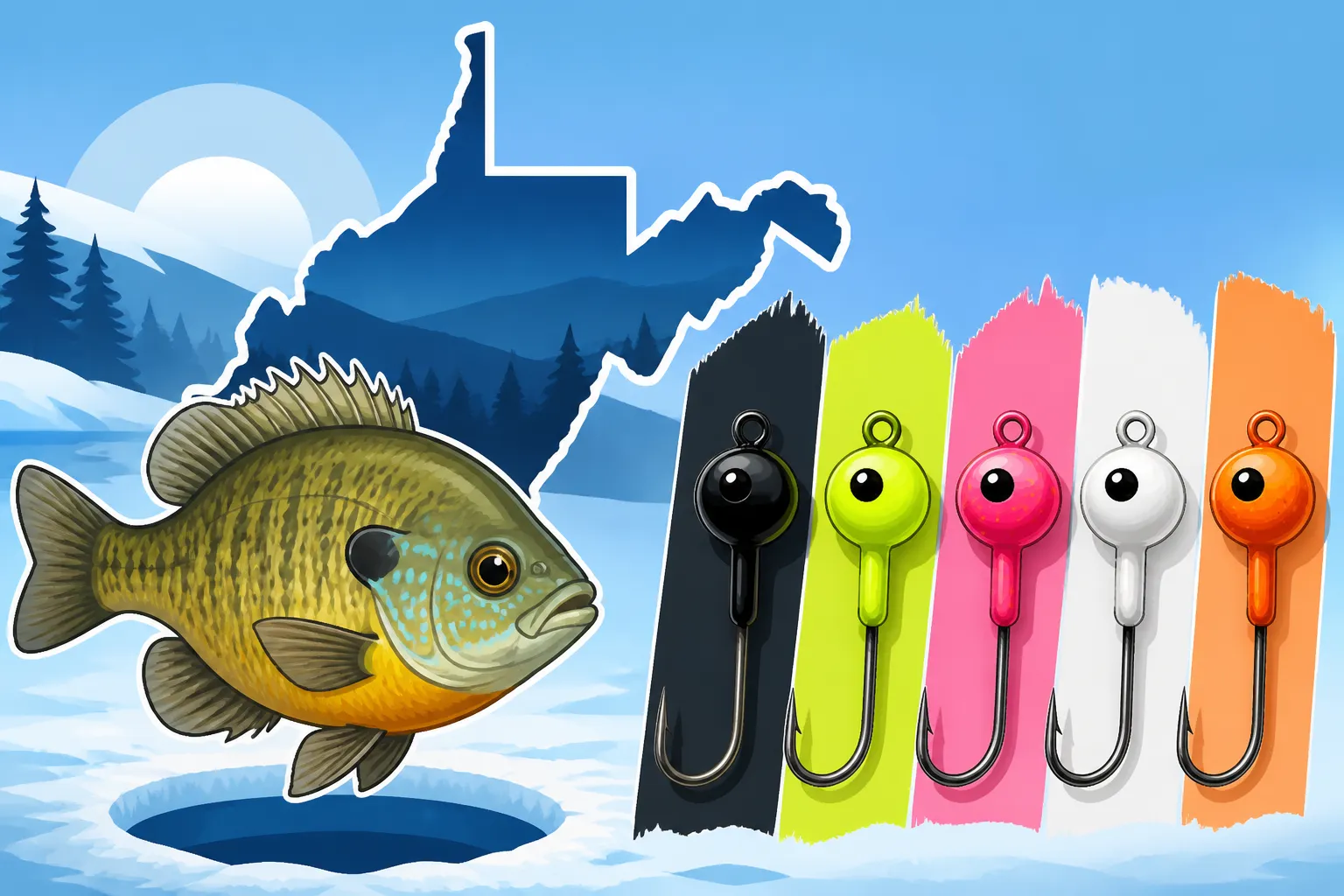
- Black: Don't underestimate black. In low light or even clear water, black creates a strong silhouette against the lighter sky or ice, making it highly visible to fish. It mimics everything from small leeches to aquatic insects. A small black jig, especially a tiny tungsten model, can be deadly for bluegill and perch.
- Brown and Olive: These earthy tones perfectly imitate many aquatic insects and nymphs, which are still present and a key food source for panfish in winter. A tiny brown or olive jig, often tipped with a wax worm or a small piece of minnow, can be incredibly effective when fish are highly pressured or finicky. Think of the subtle movement of a scud or a mayfly nymph slowly drifting.
- Grey and Smoke: Similar to black, grey and smoke colors (often with some glitter) offer a subtle, natural presentation. They can mimic small, transparent baitfish or insect cases. In incredibly clear conditions, a nearly translucent smoke color with a few flecks of silver can be just the ticket when other colors are being ignored.
These natural colors appeal to the panfish’s instinct for an easy, familiar meal, without alarming them with overly aggressive hues.
Bright and Bold: Grabbing Attention in the Cold
Sometimes, subtlety isn't enough. When water is stained, light penetration is minimal, or you're trying to trigger a reaction strike from a fish that's just a little bit more active, bright colors become your best friends.
- Chartreuse: This vibrant green-yellow is a panfish magnet. It's highly visible in a wide range of water conditions, from clear to moderately stained. Chartreuse seems to trigger an aggressive response, especially in crappie and perch. It stands out even in low light, making it a go-to choice, particularly for ice fishing.
- Orange and Pink: These colors, especially in fluorescent shades, can be incredibly effective. They offer high contrast and are often visible even in very murky water where other colors fade quickly. Pink, in particular, has developed a cult following among ice anglers for bluegill and crappie, perhaps because it contrasts so well with the usual drab winter surroundings. An orange or pink jig, especially if it glows, can be seen from a surprising distance by lethargic fish.
- Glow-in-the-Dark: This isn't technically a color, but it's a critical attribute for winter jigs. Glow jigs are a game-changer, especially during low light hours, cloudy days, or when fishing under thick ice or in very deep water where ambient light is almost nonexistent. You'll need to "charge" them periodically with a bright light (like a camera flash or a dedicated UV light) to keep them glowing, but the results can be phenomenal. Many anglers consider glow jigs indispensable for their winter panfish arsenal, particularly for crappie and perch. For more on winter tactics, check out our guide on how to catch crappie in West Virginia lakes.
The Versatility of White and Silver
Somewhere between the naturals and the aggressors lie white and silver, often delivering the best of both worlds.
- White/Pearl: White jigs are incredibly versatile. They can mimic dying baitfish, insect larvae, or even simply provide a high-contrast target. Pearl white, especially with a bit of glitter, is a fantastic choice for clear water, reflecting ambient light in a way that looks very natural. In stained water, a solid white jig provides a strong visual presence.
- Silver/Chrome: Similar to white, silver provides flash and mimicry of small baitfish. A tiny silver spoon or a jig with a silver head can attract attention from a distance, especially for perch and crappie that key in on flashing movements.
Having a good mix of these core colors—subtle naturals, aggressive brights, and versatile whites/silvers—will prepare you for almost any winter panfishing scenario in West Virginia. Many anglers find a wide array of these specialized jigs on platforms like Amazon, offering a convenient way to build their tackle box.
Matching the Conditions: Situational Color Choices
The "best" jig color isn't static; it changes with the specific conditions you encounter on the water. Being able to adapt your choice on the fly is what separates consistent anglers from those who get lucky once in a while.
Crystal Clear Water Scenarios
West Virginia has some beautifully clear lakes and streams, even in winter. When the water is exceptionally clear, panfish become incredibly wary. They have more time to scrutinize your offering, and anything that looks unnatural or overly aggressive can send them packing.
In these conditions, reaching for your subtle, natural tones is often the best strategy. Think light greens, olives, browns, greys, and even translucent "smoke" or "clear" jigs, especially if they have a bit of fine glitter. The goal is to mimic the small, nearly invisible forage items that are naturally present. Avoid anything too bold or unnatural. Sometimes, a tiny black jig can work wonders by creating a subtle, bug-like silhouette without screaming "danger." Pairing these natural colors with a live bait like a wax worm or a tiny piece of minnow can be absolutely deadly. You'll often find that the smaller the jig, the better, as it perfectly imitates the tiny, lethargic food sources available. For tips on where to find such clear waters, our guide to the Best Fishing Lakes in West Virginia might be helpful.
Stained or Murky Water Conditions
On the flip side, many West Virginia waters can be stained, especially after winter thaws or during periods of runoff. When water clarity drops, light penetration becomes a major issue, and fish rely much more on scent, vibration, and high-contrast visuals.
This is where your bright, fluorescent colors really shine. Chartreuse, hot pink, and vibrant orange become much more effective because their wavelengths are better at penetrating turbid water. They create a visual "hot spot" that even lethargic fish can detect from a distance. Glow-in-the-dark jigs are also indispensable in stained conditions for the same reason—they create their own light. Don't be afraid to go with bolder colors here; the fish aren't as likely to be spooked by them, and you need to provide enough visual appeal to cut through the murk. Sometimes, a jig with a black body and a bright chartreuse tail can be a killer combination, offering both contrast and visibility.
Low Light and Under the Ice
Whether you're fishing before dawn, after dusk, on an overcast day, or under a thick sheet of ice, low light conditions demand specific color choices.
Glow-in-the-dark jigs are arguably the most effective in these situations. Their self-emitting light makes them highly visible when ambient light is scarce. Always remember to charge your glow jigs regularly! Beyond glow, very bright fluorescent colors like chartreuse and orange can still be seen well, but often, a strong silhouette is just as important. Black jigs, for instance, create a very distinct profile against any available light, even minimal light filtering through ice, making them a great choice for tempting panfish that are looking up for a meal. The key is to provide a target that stands out, either by emitting light or creating a sharp contrast. Anglers serious about ice fishing should also review our guide on Best Ice Fishing Gear for West Virginia.
Beyond the Hue: Jig Size, Shape, and Presentation
Color is undeniably important, but it's only one piece of the panfishing puzzle, especially in winter. The size, shape, and how you present your jig can be just as, if not more, critical to success.
Tiny Delicacies: Matching the Hatch in Miniature
In cold water, panfish typically aren't looking for a huge meal. They want something small, easy to swallow, and energy-efficient. This is why tiny jigs, often 1/64, 1/32, or even 1/80 ounce, are so effective.
- Size Matters: When panfish are lethargic, a huge offering just looks like too much work. A tiny jig mimics the natural plankton, insect larvae, or minuscule baitfish that constitute their primary diet in winter. Don't be afraid to go ridiculously small.
- Shape and Profile: Beyond size, the shape of your jig can be critical. For bluegill and perch, jigs that imitate insect nymphs, larvae, or even small aquatic worms are often irresistible. Think of tiny "demon" jigs, "rat finkies," or small tear-drop shaped jigs. For crappie, which are often more piscivorous (fish-eating), a jig that mimics a small minnow or shad can be very effective. This could be a tiny soft plastic "tube" jig or a small jig head dressed with a minnow-shaped plastic. For a deeper dive into panfish habits, check out our piece on Bluegill Habits in West Virginia Ponds.
The Art of the Slow and Subtle Presentation
This might be the most crucial aspect of winter panfishing. Aggressive jigging, common in warmer months, will often spook cold-water panfish. They need a subtle, slow presentation.
- Dead Sticking: Sometimes, doing almost nothing is the best approach. Drop your jig to the desired depth, let it settle, and then barely move it. Just a slight tremor, a slow lift, or a gentle twitch is often all it takes. The goal is to make your bait look like a dying insect or a struggling minnow—an easy target.
- Micro-Jigging: This involves incredibly subtle, almost imperceptible movements. Think of tiny shivers of the rod tip, just enough to make the jig "dance" in place or slowly rise and fall a fraction of an inch.
- Bait Tipping: Always, always tip your jigs in winter. Live bait like a single wax worm, a couple of maggots, a tiny piece of minnow, or even a commercially available scented soft plastic greatly enhances the appeal. The scent and natural wiggling action of live bait can trigger a bite from even the most finicky panfish. Many anglers find tipping with a Berkley PowerBait Micro Power Minnow or Gulp! Alive! Waxies to be very effective, easily found on Amazon.
Optimizing Your Gear for the Subtle Bite
Your rod, reel, and line choice also play a huge role in detecting those incredibly light winter bites and delivering a perfect presentation.
- Sensitive Rod: A lightweight, ultra-sensitive rod (often 24-30 inches for ice fishing, or a light action spinning rod for open water) is crucial. You need to feel the slightest tap or the subtle weight of a fish inhaling your tiny jig. Fiberglass tips or extra-fast action graphite rods are popular choices.
- Light Line: Spool up with very light line, typically 2-4 pound test monofilament or fluorocarbon. Lighter line allows your tiny jigs to fall more naturally and provides better sensitivity. Fluorocarbon is an excellent choice for its low visibility and minimal stretch. For specific recommendations, our guide on Best Fly Rods for West Virginia Trout Streams might offer insight into sensitivity, which is applicable here too.
- Fish Finder: When ice fishing or targeting deeper areas, a good fish finder or flasher is invaluable. It allows you to see the fish, detect their depth, and even watch how they react to your jig in real-time. This feedback loop is essential for fine-tuning your color and presentation.
A Quick Reference for Winter Panfish Jig Colors
Here's a simple table to help you quickly narrow down your jig color choices based on common West Virginia winter conditions.
| Condition | Best Color Choices | Rationale |
|---|---|---|
| Clear Water | Black, Brown, Olive, Grey/Smoke (with glitter), Pearl White | Mimics natural forage, subtle, less likely to spook wary fish. |
| Stained/Murky Water | Chartreuse, Hot Pink, Fluorescent Orange, White | High visibility, cuts through murk, strong contrast. |
| Low Light/Cloudy Days | Glow-in-the-Dark, Chartreuse, Black, White | Emits own light (glow), strong silhouette, high visibility in dim conditions. |
| Under Ice (Deep Water) | Glow-in-the-Dark, Chartreuse, Black | Essential for visibility where ambient light is minimal. |
| Aggressive Fish (Rare) | Bright Chartreuse, Orange, Hot Pink, White | Triggers reaction strikes, stands out. |
| Finicky/Pressured Fish | Natural tones (Brown, Olive, Grey), Micro-Black | Subtle, natural, less threatening for fish needing convincing. |
Remember, this is a starting point. Always be willing to experiment. Sometimes, the fish will surprise you and bite on a color you least expect! Keep a variety of sizes and colors in your tackle box, ready for any situation. For more about preparing for the season, don't forget to review our article on West Virginia Fishing Seasons by Month.
Final Thoughts on Conquering Winter Panfish
Tackling winter panfish in West Virginia is a rewarding endeavor that teaches patience and the importance of subtle details. While the cold can be a deterrent, the thrill of feeling that gentle tug from a crappie or bluegill through a sensitive rod is unmatched. Understanding how cold water affects these fish, from their metabolism to their vision, is the foundation.
Your jig color selection isn't just a random guess; it's a strategic decision influenced by light penetration, water clarity, and fish behavior. Whether you're relying on the subtle appeal of a tiny olive jig in crystal clear water or the undeniable draw of a glowing chartreuse in the dark depths, having the right palette at your fingertips is key. But never forget that color works hand-in-hand with size, shape, and, most importantly, a slow and deliberate presentation. Keep experimenting, keep learning, and you'll find that those winter panfish become much less elusive, making your cold-weather outings in the Mountain State truly memorable.
Disclaimer
This article is for general informational purposes only and does not constitute professional advice. Laws, prices and regulations vary by location and change over time. Consult a qualified professional for guidance on your specific situation.