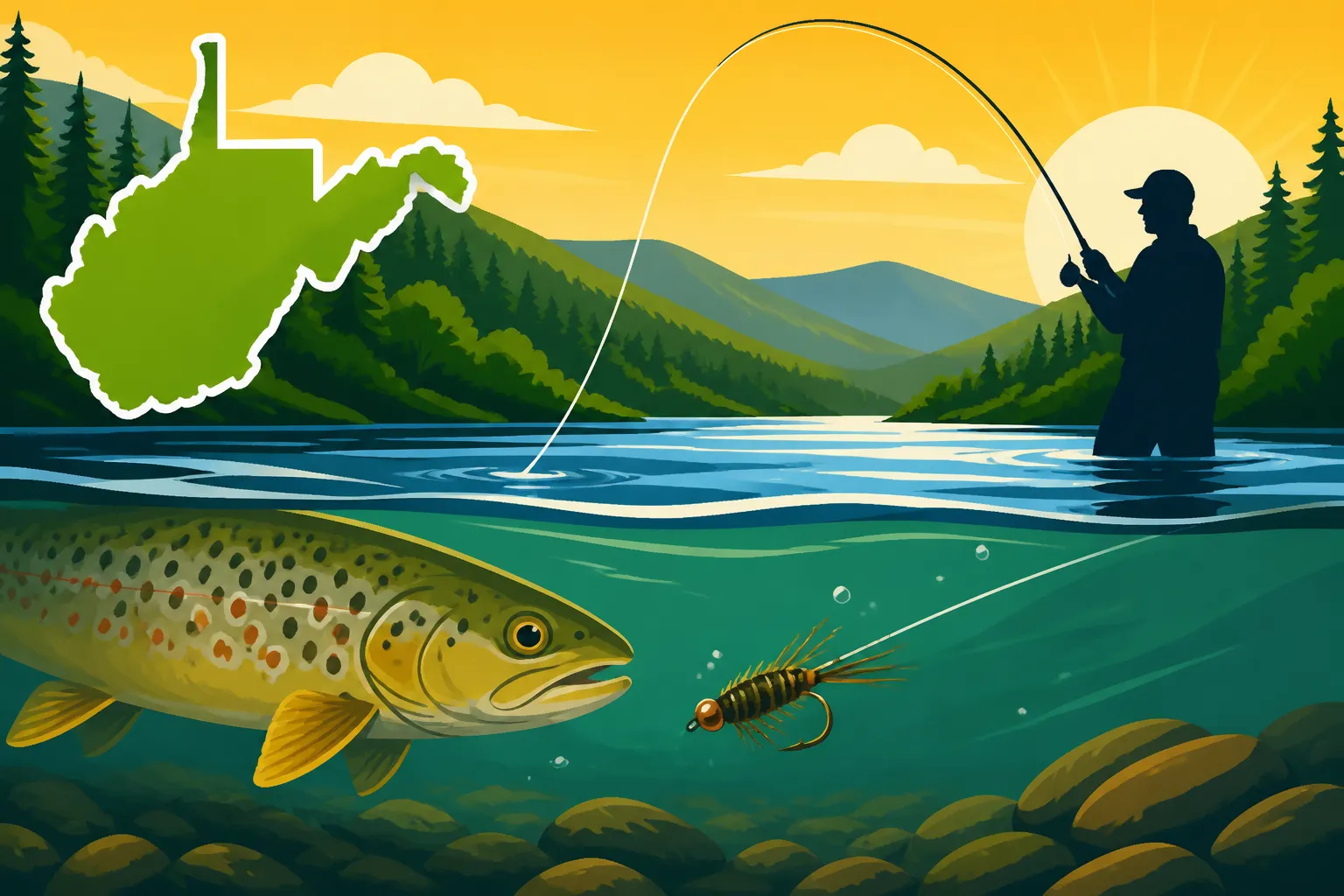
Best time to nymph for trout on the Cranberry River
Oh, the Cranberry River! It's one of those magical places in West Virginia that truly captures the heart of any trout angler. But let's be honest, figuring out the best time to hit those pristine waters, especially when you're focused on the subtle art of nymphing, can feel like trying to solve a complex puzzle. You want to be there when the fish are active, when the conditions are just right, and when your efforts are most likely to pay off with a feisty Cranberry trout on the end of your line. It's frustrating to drive all that way, wade into perfect-looking water, only to find the fish are shut down. This guide is here to unravel that mystery for you, detailing precisely when and why certain times offer the absolute prime opportunities for nymphing for trout on the legendary Cranberry River.
Decoding the Cranberry River: Why Timing is Everything for Nymphing
The Cranberry River, nestled deep within the Monongahela National Forest, isn't just any trout stream. It's a special regulation water, managed primarily as a catch-and-release, fly-fishing-only area in its upper reaches, which means the trout here, both wild and stocked, often behave differently than in other rivers. Its high-elevation, cold-water nature and diverse aquatic insect life make timing absolutely crucial for successful nymphing. It's not enough to just show up; you need to understand the heartbeat of the river throughout the year.
Understanding the Cranberry's Unique Character
Unlike some easily accessible, heavily stocked waters, the Cranberry demands a bit more from an angler. Its remote nature, often requiring a good hike or forest road drive, means fewer casual anglers, but also that the fish aren't always conditioned to constant pressure. The river flows through dense forest, providing ample shade and maintaining cooler water temperatures, which is fantastic for trout. However, this also means less direct sunlight, influencing insect hatches. The combination of its pristine environment and stringent regulations creates a robust trout population that can be incredibly rewarding to target with nymphs, but only if you catch them in the right mood. You can learn more about these specific rules in our comprehensive guide to West Virginia Fishing Regulations Explained.
The Role of Aquatic Insects in Cranberry Nymphing
Trout in the Cranberry River, like most wild trout, spend the vast majority of their feeding time subsurface, feasting on nymphs, larvae, and pupae. This makes nymphing not just a technique, but often the most effective technique for consistently catching fish. The river boasts a rich invertebrate population, including various species of mayflies, caddisflies, and stoneflies. Each of these insects has specific life cycles, hatching at different times of the year and under varying conditions. A successful nymph angler doesn't just tie on a random bug; they try to match the prevalent aquatic life that the trout are actively feeding on. Knowing which nymphs are active and when they're about to hatch is key, and this knowledge heavily influences the "best time" to be on the water.
Prime Seasons for Nymphing Success on the Cranberry River
While you can technically nymph for trout year-round on the Cranberry, certain seasons truly stand out. Each season brings its own set of conditions and insect activity, making it critical to adapt your approach to maximize your chances.
Spring: The Reawakening and Abundant Nymph Activity
Ah, spring on the Cranberry! It's arguably the most anticipated time for many anglers, and for good reason. As the snow melts and water temperatures begin to rise from their frigid winter lows, trout become incredibly active, shaking off their winter lethargy and feeding aggressively to recover from the lean months.
The period from late March through May is often prime time. The water levels, while often high from snowmelt and spring rains, also bring a flush of nutrients and dislodge nymphs from the riverbed, presenting easy meals for hungry trout. During this time, you’ll find significant activity from larger stonefly nymphs, like Golden Stones and Black Stones, which are excellent patterns to drift along the bottom. Mayfly nymphs, particularly large Hendrickson and March Brown patterns, also become very important as these insects begin their ascent to the surface to hatch. Your focus should be on deeper runs, current seams, and areas with slower moving water where trout can ambush dislodged food items. Don't be afraid to use heavier nymphs or add split shot to get your flies down quickly in the faster flows. A good pair of breathable waders and sturdy wading boots are essential for navigating the often-chilly, swift currents. You can find excellent options for Best Waders for West Virginia Trout Streams to help you prepare.
Summer: Low Flows and Technical Nymphing
Summer on the Cranberry, typically from June through August, presents a different set of challenges and rewards. Water levels usually drop significantly, and the water becomes much clearer. While this makes for easier wading, it also means the trout are more wary and the nymphing becomes more technical.
During this season, you'll still find trout actively feeding on nymphs, but you'll likely need to scale down your fly sizes and use lighter leaders and tippet. Small mayfly nymphs like Blue-Winged Olives (BWOs) and Tricos, along with various caddis larvae and pupae, become the primary food sources. Terrestrials, like imitations of ants and beetles, can also be very effective when drifted as nymphs, especially during hot, sunny afternoons when these insects might fall into the water from streamside vegetation. The key here is stealth and precision. Long, accurate casts and delicate presentations are crucial. Targeting shaded areas, undercut banks, and the heads of riffles where oxygenated water flows over rocks will be productive. The lower water levels mean you can often get closer to the fish, but you also risk spooking them if you're not careful. This is also a fantastic time to explore the Best Fly Fishing Rivers in West Virginia for other nymphing opportunities.
Fall: Cooler Water, Aggressive Feeding, and Hatches
Many seasoned Cranberry anglers consider fall, from September through November, to be the absolute sweet spot for nymphing. The oppressive heat of summer breaks, water temperatures cool back down to optimal levels for trout, and the fish engage in a strong feeding binge in preparation for winter.
This autumn period often sees a resurgence of larger mayfly hatches, like large Slate Drakes (Heptagenia) and October Caddis. Trout become incredibly aggressive, making it an exciting time to be on the water. The beautiful fall foliage adds to the experience, making every cast a scenic delight. Look for trout in deeper pools, current seams, and around structure. This is also the time when brown trout, in particular, become very active as they prepare for their spawning rituals. While you'll still need to match the hatch, you might find trout to be a bit less finicky than in the summer, often taking a well-presented nymph without hesitation. The water levels are typically stable and clear, offering excellent visibility.
Winter: Challenging but Rewarding Deep Nymphing
Winter nymphing on the Cranberry River, from December through February, is not for the faint of heart, but it can be incredibly rewarding for those willing to brave the cold. Water temperatures are at their lowest, and insect activity slows considerably. However, trout still need to feed, albeit less frequently and with less energy expenditure.
During winter, trout will often congregate in deeper, slower pools where they can conserve energy. Your nymphing strategy should focus on getting your flies deep and moving slowly. Smaller, darker nymphs, such as tiny Midges and Baetis (Blue-Winged Olives), are usually the ticket. A very subtle strike indicator and a keen eye are essential, as strikes can be incredibly light. Fishing on warmer, sunny days, especially those following a cold snap, can significantly improve your chances. While the action might not be fast and furious, landing a beautiful Cranberry trout in the dead of winter is a truly memorable experience. Be sure to check the West Virginia Trout Season and Stocking Rules for any specific winter regulations or changes.
Reading the Water: Weather, Flow, and Hatches for Optimal Nymphing
Knowing the general seasonal trends is a great start, but to truly pinpoint the best time, you need to become adept at reading the specific conditions of the day. The Cranberry River is dynamic, and its mood can change quickly.
The Impact of Weather and Water Temperature
Weather plays a huge role in trout behavior and insect activity. Overcast days, especially those with light rain or snow, can often be fantastic for nymphing as it reduces light penetration, making trout feel more secure and less selective. Bright, sunny days can make trout more skittish and prone to hiding in deeper, shaded areas.
Water temperature is perhaps the single most critical factor. Trout are cold-blooded, and their metabolism is directly tied to the water temperature. For nymphing, the sweet spot is generally between 45°F and 65°F (7°C and 18°C). In this range, trout are actively feeding. Below 40°F (4°C), they become sluggish, and above 70°F (21°C), they become stressed and seek refuge in colder springs or deeper pools. Always check stream flows and temperatures before you head out. Websites like the USGS often provide real-time stream gauge data, which can be invaluable. This real-time data will tell you if the river is flowing high and muddy, or low and clear – both of which dictate your nymphing strategy.
Understanding Cranberry River Hatches
While dry fly fishing often gets the glory for matching hatches, successful nymphing is just as dependent on knowing what's happening beneath the surface. Aquatic insects spend the majority of their lives as nymphs or larvae. When a hatch is imminent, these nymphs become very active, drifting in the current as they prepare to emerge. This is when trout key in on them.
A simple way to "read" the hatch is to simply turn over a few rocks in the riverbed. You'll quickly see what kind of nymphs are present. You can also observe other anglers or talk to local fly shops. Key hatches on the Cranberry include:
- Stoneflies: Active year-round, but larger patterns are particularly effective in spring and fall. Look for them crawling on rocks and logs.
- Caddisflies: Larvae and pupae are prevalent throughout the year. Their cases are often visible on submerged rocks.
- Mayflies: Various species hatch throughout the year. Early spring sees larger species, while smaller BWOs and Tricos dominate summer and fall.
Matching the size and general color of these natural nymphs with your artificial patterns is far more important than an exact imitation. For a deep dive into specific patterns, check out Fly Patterns for West Virginia Trout Streams.
Gear and Techniques for Timing Your Cranberry River Nymphing Trip
Once you've nailed down the best time to go, having the right gear and knowing how to use it is the next step to a successful day on the Cranberry. Nymphing, while productive, requires a bit of finesse and the right tools.
Essential Nymphing Tackle
For most nymphing on the Cranberry, a medium-fast action fly rod in the 4 to 6-weight range, between 9 and 10 feet long, is ideal. The longer rod helps with line control, mending, and setting the hook on subtle takes. A floating fly line is standard, paired with a longer leader (9-12 feet) and fluorocarbon tippet, which sinks quickly and is less visible to wary trout. Tapered leaders and tippets in 4x-6x are common, depending on water clarity and fly size.
When it comes to the nymphs themselves, having a diverse selection is crucial. Don't go overboard, but make sure you have patterns that imitate the key insects found in the Cranberry:
- Stonefly Nymphs: Pat's Rubber Legs, Kaufmann's Stone, Prince Nymph (sizes #8-14)
- Caddis Nymphs/Pupae: Hare's Ear, Peasant Tail, LaFontaine's Sparkle Pupa (sizes #12-18)
- Mayfly Nymphs: Pheasant Tail, Copper John, Squirmy Wormy, Zebra Midge (sizes #14-22)
You can easily find a fantastic assortment of these flies and other essential fly fishing gear on Amazon, which makes stocking up before your trip a breeze. Investing in a quality fly box to keep your nymphs organized is also incredibly helpful.
Advanced Nymphing Techniques for Cranberry Trout
Beyond just tying on a nymph, your technique for presenting it effectively is what truly makes the difference.
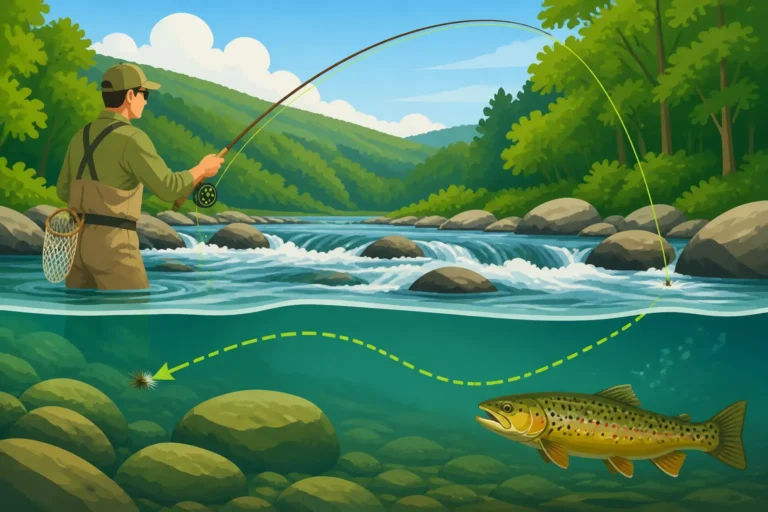
- Tightline Nymphing (Euro Nymphing): This technique is incredibly popular and effective on the Cranberry. It involves using a longer, lighter rod, specialized lines or sighters, and no strike indicator. You maintain direct contact with your nymphs, feeling even the slightest take. This is particularly effective in faster, broken water where traditional indicators are hard to see. It allows for precise depth control and detection of subtle strikes.
- Indicator Nymphing: The classic method, where a small bobber-like indicator suspends your nymphs at a desired depth. This is great for covering wider sections of water, deeper pools, and for anglers who prefer a visual strike cue. Adjust your indicator depth frequently to match the water depth.
- Dry-Dropper Rig: Especially effective during summer and early fall, this rig uses a buoyant dry fly as a strike indicator and attractor, with a nymph suspended beneath it. Trout might take either fly, and it’s a fun way to fish when fish are looking up but also feeding subsurface.
Remember, the goal of nymphing is to present your fly as naturally as possible, mimicking a real nymph drifting downstream. This often means using minimal weight, getting a drag-free drift, and being prepared for incredibly subtle takes. For more in-depth techniques, especially for flowing water, check out our guide on Wading Techniques for West Virginia Trout Streams.
Planning Your Cranberry River Nymphing Adventure
A little preparation goes a long way, especially when heading to a special place like the Cranberry River. Don't let a lack of planning ruin your prime nymphing window.
Checking Regulations and Access
The Cranberry River has specific regulations that change depending on the section you're fishing. The upper "catch and release, fly fishing only" section is where most serious nymph anglers focus their efforts. Always double-check the latest regulations from the West Virginia Division of Natural Resources (WVDNR) before you go. You can find detailed information in the Reading the West Virginia Fishing Regulations Summary post. A West Virginia fishing license is always required, and you can easily purchase one online through the WVDNR website. Ensure you have your West Virginia Fishing License Guide for 2026 handy.
Access to the Cranberry River can also be a consideration. While some sections are fairly accessible, others require navigating gravel forest roads or hiking. Have a good map or GPS, and be prepared for limited cell service. Consider bringing a dry bag with essentials, available on Amazon, to protect your phone and valuables.
Timing Your Trip for Success
To truly hit the "best time," you'll want to combine the seasonal knowledge with real-time conditions.
Before you leave:
- Check the Weather Forecast: Look for stable weather patterns, ideally overcast skies with mild temperatures. Avoid days immediately following heavy rainfall, which can blow out the river.
- Monitor Stream Flows: Use online stream gauges (like USGS for the Cranberry River near Richwood, WV) to check current water levels and clarity. Look for stable or slowly falling flows after a rain event.
- Consult Local Fly Shops: These invaluable resources can provide up-to-the-minute information on hatches, successful patterns, and current conditions. They often have the pulse of the river.
By doing your homework, you increase your chances of being on the water when the nymphs are active, the trout are feeding, and the Cranberry River is at its most productive for subsurface presentations. Whether you're targeting wild brook trout in a small tributary or larger rainbows and browns in the main stem, understanding the dynamics of this river will elevate your nymphing game.
| Season | Prime Nymphing Period | Typical Water Conditions | Key Nymph Activity | Recommended Nymph Sizes |
|---|---|---|---|---|
| Spring | Late March – May | Higher, often stained, cooler | Large Stoneflies, March Browns, Hendricksons | #8 – #14 |
| Summer | June – August | Lower, clear, warmer | Small BWOs, Tricos, Caddis Larvae, Terrestrials | #16 – #22 |
| Fall | September – November | Stable, clear, cooling | October Caddis, Slate Drakes, Blue-Winged Olives | #12 – #18 |
| Winter | December – February | Cold, often low and clear | Midges, Small BWOs | #18 – #24 |
Disclaimer
The information provided in this guide is for general informational purposes only and is subject to change. Always consult the official West Virginia Division of Natural Resources (WVDNR) regulations and local advisories before fishing, as rules and conditions can vary and be updated. Fishing involves inherent risks, and it is the angler's responsibility to ensure their safety and adhere to all applicable laws.