Best time to fish Summersville Lake in summer
Fishing Summersville Lake in the heat of summer can feel like a riddle wrapped in a puzzle, especially with the relentless sun beating down and the lake teeming with pleasure boaters. It’s easy to get discouraged when the fish seem to vanish or only bite for a fleeting moment, leaving you wondering if it’s even worth the effort. This comprehensive guide is here to unravel those mysteries, helping you understand fish behavior during West Virginia’s warmest months and pinpoint the absolute best times to cast your line for a successful outing on Summersville Lake.
Understanding Summersville Lake in Summer
Summersville Lake, with its stunning cliffs and clear waters, transforms significantly once the summer temperatures truly set in. What was a vibrant, all-day fishing paradise in spring can become a challenging environment. The key to success lies in understanding these seasonal shifts and how they impact the fish.
Water Temperatures and Oxygen Levels
As summer progresses, the sun's intense rays warm the surface waters of Summersville Lake, leading to a phenomenon known as thermal stratification. Essentially, the lake forms distinct layers: a warm surface layer (epilimnion), a transition layer where temperature drops rapidly (thermocline), and a deeper, colder layer (hypolimnion). For anglers, this means that fish, particularly species like trout (though not a primary Summersville target, it helps understand the principle), walleye, and even bass, will seek out their preferred temperature zones.
The challenge intensifies with dissolved oxygen levels. Warmer water holds less oxygen, and deeper, colder water in stratified lakes can become oxygen-depleted as organic matter decays. This creates a "sweet spot" for fish, often just above or within the thermocline, where temperatures are comfortable, and oxygen is still plentiful. Finding this precise depth is paramount, and it often requires good electronics, sometimes referred to as Best Fish Finders for West Virginia Lakes, to effectively scout out these hidden havens. When you're out there, observe other anglers who are successfully targeting fish; they might be onto a particular depth pattern that day.
Recreational Boating Traffic and Its Impact
Let's be honest, Summersville Lake in summer is a playground for everyone, and that includes countless recreational boaters, jet skis, and swimmers. While it's fantastic to see people enjoying our beautiful waterways, this heavy traffic creates significant challenges for anglers. The constant noise and prop wash from dozens of boats can scatter fish, push them deeper, or simply make them less willing to bite. It’s a common frustration, pulling up to a promising cove only to have a wakesurfer blast through your spot minutes later.
This constant disturbance means that fish in shallower, more accessible areas become incredibly wary during peak recreational hours. They learn to associate boat noise with danger and will either move to deeper, more secure cover or simply shut down their feeding activity until things quiet down. This reality isn't meant to discourage you from visiting; rather, it highlights the importance of strategic timing and location selection to avoid the maddening crowds. Understanding these patterns is critical for a pleasant experience, as highlighted in any good Summersville Lake Fishing Guide.
Prime Fishing Times: Early Morning and Late Evening
Given the summer conditions at Summersville Lake, focusing your efforts during the bookends of the day dramatically increases your chances of success. These windows offer a respite from both the sun and the recreational chaos.
The Magic of Dawn Patrol
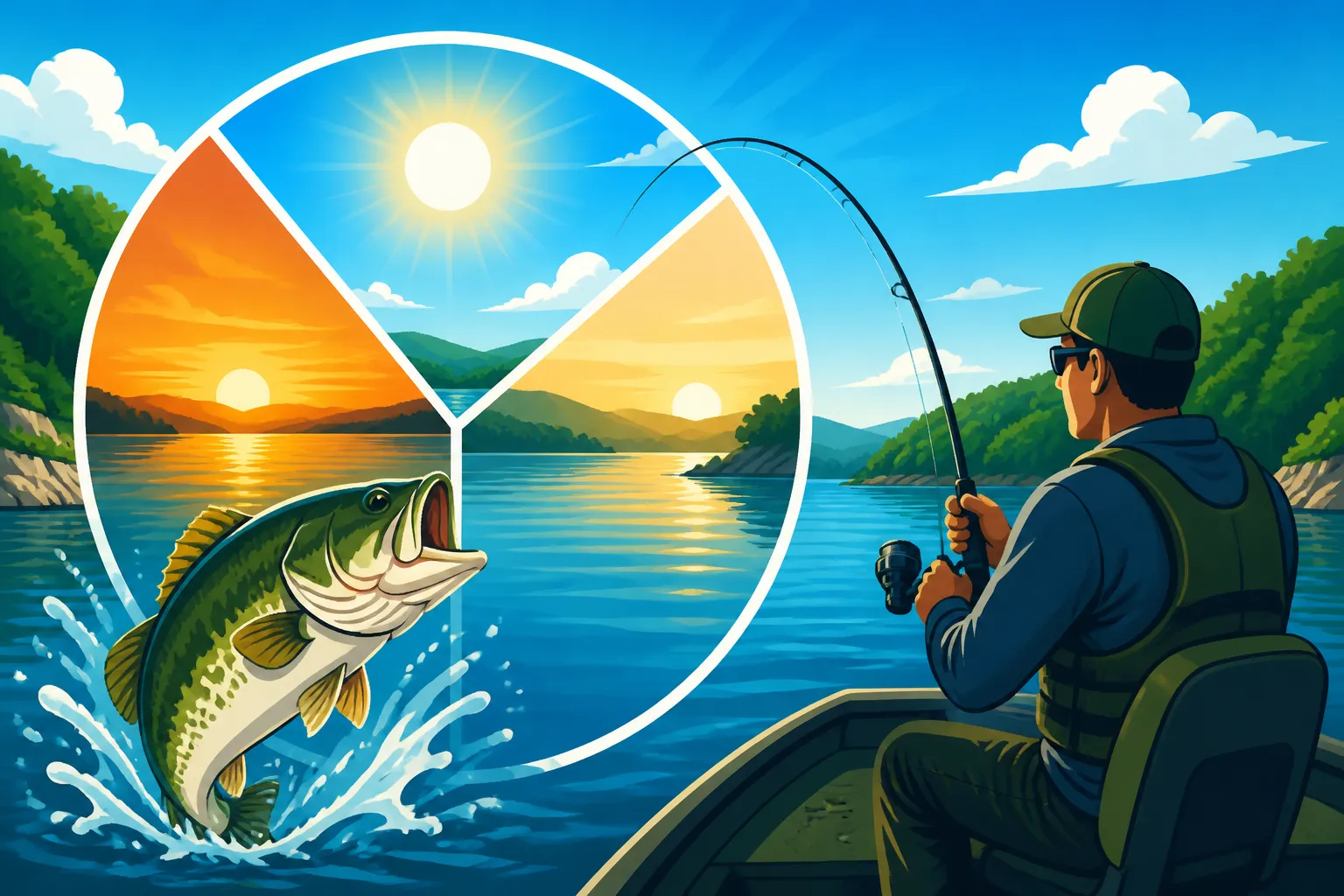
There’s a reason why so many serious anglers are early risers, and at Summersville Lake in summer, it’s practically non-negotiable for a prime bite. The hours just before and after sunrise are, without a doubt, the "magic hour" for fishing. As the first light begins to break, several factors converge to create ideal conditions. Firstly, the air and water temperatures are at their coolest point after the overnight chill. This makes shallower waters more comfortable for baitfish, which, in turn, draws predatory species like bass, walleye, and hybrid stripers into more accessible feeding grounds.
The lower light levels also play a crucial role. Many game fish are visually oriented predators, and the reduced light offers them an advantage, making it easier to ambush prey. This is when you'll often see active topwater bites or aggressive strikes on shallow-running crankbaits. The lake is also incredibly calm during this time, with minimal boat traffic, allowing fish to move and feed without constant disturbance. Think about casting a topwater popper into a glassy cove as the mist rises – that’s the kind of serene, productive fishing experience you can expect during the dawn patrol. It's truly one of the Best Time of Year to Fish in West Virginia for many species.
Twilight Tactics for Summersville's Fish
Just as the sun’s ascent brings life to the lake, its descent signals another fantastic fishing opportunity. The late evening, from roughly an hour before sunset until total darkness, mirrors many of the advantages of the early morning. As the heat of the day subsides, water temperatures begin to drop, and the relentless recreational traffic dwindles. You'll find a much calmer lake, allowing fish that retreated to deeper haunts during the day to once again move shallower to feed.
This twilight period is particularly effective for targeting fish that might be light-shy or prefer to feed under cover of darkness, like catfish or even large walleye. As the light fades, fish often become less wary and more aggressive, making it a great time to throw bigger, louder baits that create a strong vibration. Whether you're targeting smallmouth bass along rocky points or hybrid stripers chasing baitfish in open water, the evening bite can be incredibly productive. It's a fantastic alternative or addition to the morning session, offering a peaceful end to a day on the water. Many anglers even extend this into Night Fishing Techniques for West Virginia Lakes for certain species.
Day Fishing Strategies for Summersville Lake
While early mornings and late evenings are undoubtedly prime, you can still find success during the brighter, hotter parts of a summer day at Summersville Lake. It just requires a different approach, a bit more patience, and often a reliance on technology.
Targeting Deep Structure and Main Lake Points
When the sun is high and the surface water is warm, most game fish will retreat to deeper, cooler, and often more oxygenated water. This is where your boat's electronics become invaluable. Instead of haphazardly casting, you'll want to focus on identifying key deep structures such as submerged humps, ledges, creek channels, and main lake points that extend into deeper water. These areas act as underwater highways and feeding stations for fish seeking refuge from the heat.
A thorough understanding of your fish finder is essential. Look for baitfish schools suspended at certain depths, as predatory fish will often be nearby. Once you've located promising structure or fish, vertical presentations become your best friend. Drop shot rigs, heavy jigs, and even spoons are excellent choices for targeting fish holding tight to the bottom or suspended in the water column. This isn't the fast-paced, reaction bite you might find in cooler weather; it's often a more methodical, patient game of pinpoint accuracy. Ensure you have a good selection of these deeper baits; you can easily stock up on various weights and colors on Amazon before your trip.
Seeking Shade and Oxygenated Water
Even during the brightest part of the day, some fish will remain relatively shallow if they can find sufficient cover and comfort. Look for areas where cliffs or tall trees cast significant shadows onto the water, especially during midday. These shaded pockets offer a cooler, darker environment that fish will utilize to escape the intense sun. Overhanging rock ledges, large boulders, and submerged timber piles in these shaded areas become prime targets.
Beyond shade, fish will also seek out sources of cooler, more oxygenated water. While Summersville is a reservoir, there might be subtle springs or areas where tributary creeks enter the main lake, creating slightly cooler water conditions. Look for any noticeable current or inflows. Sometimes, these areas are not immediately obvious, but a keen eye for subtle changes in water temperature (a good thermometer can help) or baitfish activity can tip you off. When fishing these areas, precise casting is critical. You want to present your lure or bait naturally into the shaded zone or directly into the cooler water without spooking the fish.
Species-Specific Summer Fishing Insights
Different fish species react to Summersville Lake's summer conditions in their own unique ways. Knowing what each species prefers can help you refine your tactics and maximize your catch.
Summersville Lake Bass Fishing
Summersville Lake is renowned for its excellent bass fishing, both largemouth and smallmouth. In the summer, both species can be caught, but their patterns often diverge.
- Largemouth Bass: These guys love cover and shade. During the day, they’ll often be tucked deep into submerged brush piles, timber, dense weed beds, or beneath boat docks that provide overhead cover. Early morning and late evening will see them move shallower, cruising the edges of these structures. Try pitching jigs, Texas-rigged worms, or creature baits into heavy cover. Topwater lures can be explosive during low light conditions. You might find some excellent choices for your tackle box on Amazon. For more in-depth advice, check out Summersville Lake Bass Fishing.
- Smallmouth Bass: Summersville’s smallmouth are often found associated with rocky structure. In summer, this means deeper rock piles, ledges, points, and even steep bluff walls. They'll often suspend over these structures or hold tight to the bottom. During low light, they'll push shallower onto points and flats. Crankbaits that dive to different depths, tube jigs, football jigs, and drop shot rigs are excellent choices. They are often schooling fish, so if you catch one, there are likely more nearby!
Summersville Lake Walleye and Hybrid Striper Fishing
These schooling, open-water predators are a popular target at Summersville Lake, and summer can be a fantastic time to pursue them if you understand their movements.
- Walleye: Walleye in Summersville Lake often prefer deeper, cooler water in the summer. They'll hold around submerged humps, main lake points, and creek channels, often near the thermocline. Trolling deep-diving crankbaits or spinner rigs with nightcrawlers (often called "crawler harnesses") can be very effective for covering water and finding active fish. Vertical jigging with spoons or blade baits directly over schools marked on your electronics is another killer technique. The best time to catch walleye in West Virginia, especially in lakes like Summersville, often aligns with cooler periods. Learn more about Summersville Lake Walleye Fishing tactics to increase your success.
- Hybrid Striped Bass: Hybrids are powerhouses that chase baitfish in open water. In summer, they'll often be found schooling in the main lake basin, especially early and late in the day. Look for birds diving, which often indicates hybrids pushing bait to the surface. Trolling large crankbaits, casting swimbaits, or even vertical jigging spoons when they're marked deep can yield exciting fights. They follow the bait, so constantly scanning your electronics for schools of shad is key.
Panfish and Catfish Opportunities
Don't overlook the panfish and catfish – they can offer consistent action, even during the summer doldrums, and are excellent targets for a more relaxed family fishing trip.
- Panfish (Crappie, Bluegill, Perch): Crappie will often move to deeper brush piles, submerged timber, or bridge pilings in the summer. Vertical jigging with small jigs or minnows is effective. Bluegill and yellow perch, while also seeking cover, can often be found in shaded areas closer to shore, especially early and late. A simple bobber with a worm or crickets can lead to plenty of bites, making them perfect for younger anglers or those simply looking for consistent action. Look for these fish in relation to cover; often, the bigger ones are just outside the densest cover.
- Catfish (Channel, Flathead): Catfish are robust and tolerant of warmer water, making them excellent summer targets. Channel catfish are plentiful and can be caught throughout the lake in deeper holes, around submerged timber, or even along flats in the evening. Stink baits, cut bait, or chicken livers fished on the bottom are highly effective. Flathead catfish are larger predators, often found near deep cover like log jams or rock crevices, especially in the major creek arms. Live bait, such as bluegill or sunfish, is often the best choice for these monsters, particularly when fishing at night.
Here’s a quick overview of optimal summer fishing times and techniques at Summersville Lake:
| Species | Best Time to Fish | Location/Structure | Recommended Techniques & Lures |
|---|---|---|---|
| Largemouth Bass | Early/Late Day, Night | Submerged timber, docks, deep weed beds, shade | Jigs, Texas-rigged worms, creature baits, topwater |
| Smallmouth Bass | Early/Late Day | Rocky points, deep ledges, bluff walls | Crankbaits, tube jigs, drop shot rigs |
| Walleye | Early/Late Day, Midday | Deep humps, main lake points, creek channels | Trolling crankbaits, spinner rigs, vertical jigs |
| Hybrid Striped Bass | Early/Late Day, Midday | Open water, main lake basin, chasing baitfish | Trolling crankbaits, swimbaits, vertical jigs |
| Crappie | Early/Late Day, Midday | Deep brush piles, submerged timber, bridge pilings | Small jigs, minnows |
| Bluegill/Perch | Early/Late Day, Midday | Shaded shorelines, shallow cover, brush | Worms, crickets, small artificial baits |
| Catfish | Evening, Night | Deep holes, log jams, creek channels | Stink bait, cut bait, live bait (for flatheads) |
Remember, while this table offers general guidelines, fish behavior can be unpredictable. Being observant, adapting your techniques, and having a good variety of gear, easily acquired from places like Amazon, will always serve you well on Summersville Lake. Don't forget to review the West Virginia Fishing Seasons by Month for any specific regulations that might apply to your target species. Also, if you're exploring different types of boats for the lake, consider checking out Best Kayaks for West Virginia Fishing, as kayaks offer excellent access to many productive coves and shoreline features.
Disclaimer
Please remember that fishing conditions, regulations, and fish behavior can change. Always consult the latest West Virginia fishing regulations issued by the West Virginia Division of Natural Resources before heading out. This guide provides general advice and is not a substitute for official information.