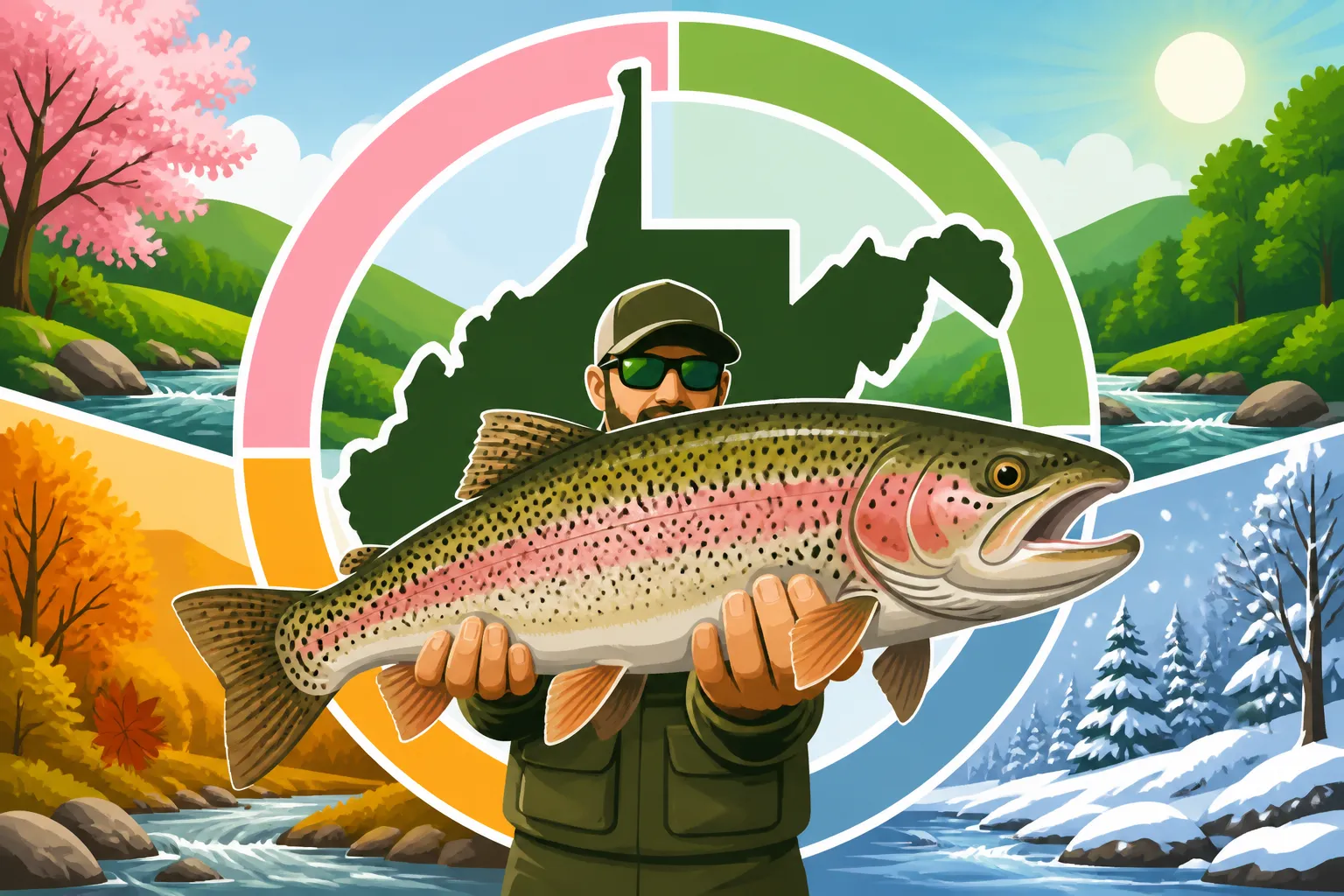
Best time of year for trophy trout in West Virginia
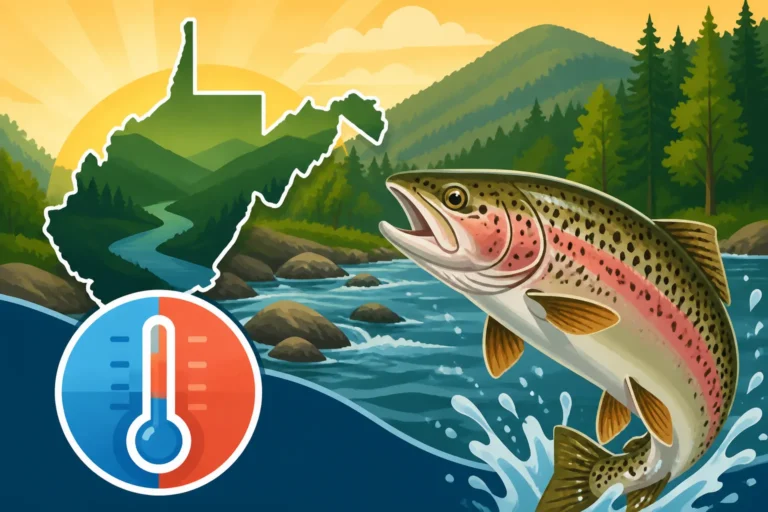
Every angler dreams of landing that one fish, the one that truly tests their skill and makes for an unforgettable story. For many of us chasing trout in the Mountain State, that dream revolves around a genuine trophy – a big, wily specimen that has evaded countless hooks. But knowing when these elusive giants are most vulnerable can feel like trying to solve a cryptic puzzle, leaving you wondering if you're even in the right place at the right time. This guide is dedicated to cutting through that confusion, helping you pinpoint the best times of year to target West Virginia's magnificent trophy trout.
Understanding West Virginia's Trophy Trout Fishery
Before we can talk about when to catch a trophy trout, we need to clarify what we’re even talking about here in West Virginia. Our state has a rich and diverse trout fishery, but not all trout are created equal when it comes to trophy potential.
What Defines a "Trophy" Trout in West Virginia?
The idea of a "trophy" can be pretty subjective, right? For some, it might be the biggest fish they've ever caught. For others, it's about breaking a personal best or landing a fish that's genuinely exceptional for its species and location. In West Virginia, when we talk about trophy trout, we're often looking at fish that are significantly larger than your average stocked trout.
For rainbow trout, a trophy might start around 18-20 inches, though anything over 20 inches is truly something to brag about, especially if it's a vibrant, healthy fish. These larger rainbows often come from our bigger lakes or tailwaters where they have more room to grow and better forage. While West Virginia stocks a lot of rainbows, the real trophies are often those that have spent a year or more in the wild, adapting to natural food sources and growing considerably.
Brown trout are often considered the quintessential trophy trout by many seasoned anglers. They grow larger, are more predatory, and generally more elusive than rainbows. A brown trout in the 20-inch range is certainly trophy-worthy, but many anglers are chasing those 24-inch behemoths or even bigger. The current state record for brown trout is something most anglers can only dream of, demonstrating just how massive these fish can get in our waters. You can learn more about the specific achievements by checking the West Virginia state record brown trout weight.
Then there are our native brook trout. While they don't reach the gargantuan sizes of browns or rainbows, a brook trout pushing 12-14 inches in a small mountain stream is absolutely a trophy. Their vibrant colors and the pristine environments they inhabit make them incredibly special catches. Any brook trout over 10 inches is a rare and beautiful fish in our state.
Ultimately, a trophy is a fish that makes you feel a sense of accomplishment. But generally, we're talking about fish that are well over the average size, displaying impressive length and girth, often requiring a bit more skill and dedication to land.
Stocked vs. Wild vs. Holdover Trout
Understanding the different types of trout in West Virginia is crucial for targeting trophies. Each has different behaviors and growth patterns that influence your chances.
Stocked Trout: These are the backbone of our trout fishery, released by the West Virginia Division of Natural Resources (WVDNR) to provide ample angling opportunities. While you'll catch plenty of legal-sized fish, true "trophies" straight out of the stocking truck are rare. The WVDNR does stock some larger brood fish occasionally, especially during special events like the Gold Rush, but these are exceptions. Most stocked trout are in the 10-14 inch range, and they often get caught relatively quickly after being released. They are primarily a put-and-take fishery.
Wild Trout: These are trout that have reproduced naturally in our streams and rivers. West Virginia is blessed with many wild trout streams, particularly for brook trout in the higher elevations. Wild trout are often smaller due to limited food resources and harsher conditions in their native habitats, but they are incredibly resilient and beautiful. Finding a "trophy" wild brook trout of 12 inches or more is a truly exceptional feat and speaks volumes about the health of the stream. For example, some sections, like those under Cranberry River special regulations, are managed specifically for wild trout, offering unique challenges and rewards.
Holdover Trout: This is where the real trophy potential often lies for rainbow and brown trout. Holdovers are stocked trout that have survived previous angling pressure and adapted to living in the wild for an extended period, sometimes for several years. They've learned to forage on natural insects, crayfish, and baitfish, growing significantly larger and becoming much warier than their newly stocked brethren. These fish are stronger, smarter, and often take on deeper, richer colors. You'll find holdover trout primarily in larger rivers, deep lakes, and tailwaters where water conditions remain suitable year-round and they have access to abundant food. They are the true challenge and the target of many trophy hunters.
The Prime Seasons for Trophy Trout
Now that we know what we're looking for, let's dive into when you're most likely to connect with one of these elusive beauties in West Virginia. While you can catch a big trout any time of year, certain seasons offer distinct advantages.
Early Spring: The Post-Stocking Blitz and Beyond
Spring in West Virginia is synonymous with trout fishing. The air is crisp, the streams are flowing, and the WVDNR trucks are busy delivering thousands of eager trout. While many focus on the immediate rush after stocking, the period a few weeks after the initial stockings, as water temperatures begin to steadily rise, can be fantastic for trophy holdover trout.
When the water starts to warm up from its winter chill, usually in late March through April and into early May, trout metabolism increases. They become more active, moving out of their winter holding patterns and actively seeking food. This means they are more willing to chase larger baits and flies. The initial stocking pressure starts to wane a bit, and the holdover fish, which were already wise, might become a little less pressured and more aggressive in their feeding.
Think about a gorgeous spring day when the sun is hitting the water just right, raising the temperature a few degrees. Trout that have been surviving on minimal forage all winter suddenly find themselves in a buffet. They're looking to bulk up, and they're less picky than they might be in the dead of winter or the dog days of summer. This is when larger streamers, big nymphs, or even a well-placed minnow imitation can trigger a strike from a truly big fish. This transition period is often overlooked by anglers who only focus on opening day, but it’s a golden window for persistent trophy hunters. For specific tactics, consider exploring Spring Trout Fishing Techniques for West Virginia Streams.
Late Fall and Early Winter: Hunting Aggressive Stream Residents
For many dedicated trophy trout anglers, particularly those chasing big brown trout, late fall and early winter are the absolute sweet spot. This is when some of the biggest, most aggressive fish become more vulnerable.
As the air gets a chill and water temperatures drop into the 40s and low 50s, typically from October through November and into early December, brown trout, in particular, enter their spawning phase. Even if they aren't actively spawning, their hormones are surging, and they become incredibly territorial and predatory. They'll aggressively strike at anything they perceive as a threat to their redds (spawning beds) or as a substantial meal to fuel their reproductive efforts. This makes them more susceptible to larger streamer patterns, aggressive jerkbaits, or even larger nymphs that mimic sculpins or crayfish.
Furthermore, angling pressure often decreases dramatically after the initial fall stockings and as deer hunting season ramps up. This means fewer people on the water, allowing big holdover trout to relax their guard slightly and feed more openly. The water is often crystal clear and running at a moderate flow, which means you'll need to be stealthy, but it also gives you a better chance to spot a lurking leviathan. These months represent a prime opportunity to connect with a genuine trophy brown trout that has spent years in the stream growing to an impressive size. It's a challenging but incredibly rewarding time to be on the water.
Winter: The Ice Angler's Big Fish Opportunity
While many anglers pack away their gear once winter fully sets in, those who brave the cold for ice fishing often find themselves with a unique advantage when it comes to trophy trout in our deeper lakes and impoundments.
Once safe ice forms, typically from late December through February, particularly in our higher elevation lakes, the fishing changes dramatically. Trout in lakes, including larger holdovers, become more concentrated in specific areas, often around structure or depth changes. Their metabolism slows down, making them less active, but they still need to feed. The key here is presenting your bait or lure directly to them.
On the ice, you can move around and punch multiple holes, essentially "hunting" for the fish. When you find a school or a large individual, you have a direct vertical presentation. A small, subtle jig tipped with a minnow or piece of PowerBait, fished slowly and patiently, can entice a sluggish but massive trout. Since large trout are often solitary or in small groups, finding them might take time, but the reward can be substantial. The reduced angling pressure and the fact that these larger fish often inhabit deeper parts of the lake make them less accessible during open water season, but ice fishing grants you direct access. If you're serious about trophy trout in winter, don't overlook this chilly but potentially fruitful method. For a deeper dive into this unique technique, check out our guide on Ice Fishing in West Virginia.
| Season | Primary Species | Best Locations | Key Factors for Trophy Trout | Notes |
|---|---|---|---|---|
| Early Spring | Rainbow, Brown | Larger rivers, tailwaters, deep lakes | Rising water temps, post-stocking feeding | Fish are active and bulking up; some pressure. |
| Late Fall | Brown, Rainbow | Streams with holdovers, larger rivers, lakes | Spawning aggression (Browns), cooling temps | Reduced pressure, clear water, fish are very predatory. |
| Early Winter | Brown, Rainbow | Streams (pre-ice), larger rivers, lakes | Continued spawning focus, pre-ice feeding | Last chance before deep winter, challenging but rewarding. |
| Mid-Winter | Rainbow, Brown | Ice-covered lakes, deep impoundments | Concentrated fish, vertical presentation | Requires ice fishing gear, patience; fish are sluggish but present. |
Factors Influencing Trophy Trout Success Beyond Season
While timing is critical, it's not the only piece of the puzzle. Several other factors play a significant role in your chances of landing a trophy trout in West Virginia.
Water Conditions: Temperature, Flow, and Clarity
Trout are incredibly sensitive to their environment, and water conditions dictate their behavior more than almost anything else. Understanding these nuances is paramount for consistently finding big fish.
Water Temperature: This is perhaps the most crucial factor. Each trout species has an optimal temperature range for feeding and activity. For brook and brown trout, this is generally in the 45-65°F range, with rainbows tolerating slightly warmer water up to about 70°F. When water temperatures are too cold (below 40°F), trout become lethargic, moving and feeding minimally. When they get too warm (above 70°F), they become stressed, seek out cooler refuges (like spring feeds or deep pools), and are very reluctant to feed. Knowing the water temperature of your chosen stream or lake can tell you a lot about how active the fish will be and where they might be holding. Monitoring temperature changes, especially during seasonal transitions, can unlock peak feeding windows.
Flow (Current): The amount of water moving in a river or stream directly impacts where trout position themselves and how they feed.
- High Water/Fast Current: During periods of heavy rain or dam releases, the water can be high and fast. Trout will seek refuge from the strong current in eddies, behind large rocks, or in slower pockets along the banks. While challenging, high water can also dislodge a lot of food, putting big trout on the prowl in calmer areas. Our guide on Best techniques for high water conditions can provide more insights here.
- Low Water/Slow Current: Conversely, very low, clear water makes trout incredibly spooky. They become much harder to approach without being seen, and they often retreat to deeper pools or under cover. In these conditions, a stealthy approach, longer leaders, and natural presentations are essential. You might find some helpful tips in our article on Best techniques for low clear water conditions.
- Moderate Flow: This is often ideal. Trout can hold comfortably in prime feeding lanes, expending minimal energy while waiting for food to drift by. They are less stressed and more likely to chase a bait or fly.
Clarity: Clear water allows trout to see your line, leader, and even your shadows, making them very wary. Murky or stained water reduces their visibility, but also yours, making sight fishing impossible. A slight stain, where the water is a little off-color but not muddy, can sometimes be excellent as it reduces the fish's wariness without making it impossible for them to find your offering. Trophy trout, having survived longer, are particularly sensitive to clarity and pressure.
Location, Location, Location: Specific Trophy Waters
You could be fishing at the perfect time of year, but if you're not in a water body known to produce big fish, your chances diminish significantly. West Virginia has specific rivers, lakes, and tailwaters that consistently kick out impressive trout.
For brown trout, look to rivers like the Cranberry River, especially sections managed for trophy or wild trout, and the Elk River tailwater below Sutton Lake. The Shavers Fork in the Monongahela National Forest, while known for its native brook trout, also holds some larger browns in its lower reaches. The Cheat River, particularly below Cheat Lake, can also produce some surprising monsters. These rivers offer varied habitat, plenty of forage, and cooler water throughout the year, allowing browns to thrive and grow to exceptional sizes. Many of these waters are highlighted in our Best Trout Streams in West Virginia article. The Cranberry River Fly Fishing guide delves even deeper into one of our premier trophy destinations.
For rainbow trout, your best bets for truly large fish are often our larger impoundments and tailwaters. Summersville Lake, Sutton Lake, and Bluestone Lake, while primarily warmwater fisheries, do hold significant populations of holdover rainbow trout, especially in their deeper, cooler sections. The tailwaters below dams, such as the Elk River tailwater, offer consistent cold water and often excellent food sources for rainbows to grow large. Don't forget the Ohio River tributaries in the winter months, as some rainbows can migrate into these areas.
Even some smaller, regularly stocked lakes can produce surprise trophies if a few fish manage to survive for a year or two and find enough food to grow. It often takes local knowledge and consistent effort to find these outliers.
Gear and Techniques for Big Fish
You wouldn't use ultralight panfish gear to tackle a trophy bass, and the same applies to large trout. Having the right tools and knowing how to use them is essential.
Rods and Reels: For trophy trout, you'll want to step up your gear. A medium-light to medium power spinning rod, 6'6" to 7'6" in length, paired with a reliable 2000-2500 series spinning reel, is a good starting point. This setup gives you the backbone to fight a large fish and the casting distance for various lures and baits. For fly fishing, a 6 or 7-weight rod is often appropriate for larger streamers and nymph rigs, especially in bigger rivers. You can find excellent options for these setups on Amazon, with various brands offering durable and sensitive gear suitable for West Virginia's waters.
Line and Leader: Don't skimp on line. A good quality 6-10 lb test monofilament or fluorocarbon main line, or an 8-15 lb braided line with a fluorocarbon leader, provides strength and abrasion resistance against rocks and logs. Fluorocarbon is less visible underwater, which is a huge advantage when targeting wary trophy trout. Always check your knots and leaders for nicks and abrasions, especially after fishing around structure.
Baits and Lures: Trophy trout, especially brown trout, are often piscivorous, meaning they eat other fish.
- Streamers: For fly anglers, large streamer patterns mimicking sculpins, baitfish, or even crayfish can be incredibly effective. Colors like olive, black, brown, and white are often productive.
- Jerkbaits/Minnow Imitations: Hard plastic jerkbaits or soft plastic swimbaits that imitate small fish are deadly for aggressive brown and rainbow trout. Brands like Rapala, Strike King, and even cheaper options found on Amazon can get the job done.
- Spinners/Spoons: Larger inline spinners (size 3-5) and small spoons can also entice a strike, especially in moderately flowing water.
- Live Bait: If regulations allow, a lively minnow, fathead, or even a crayfish can be irresistible to a trophy trout. Worms, though effective for smaller trout, might not always be the top choice for the true giants.
Technique: Patience and persistence are key. Trophy trout aren't everywhere, and they don't always bite readily. Fish thoroughly, covering likely holding water like deep pools, undercut banks, current seams, and areas with submerged structure. Don't be afraid to cast repeatedly to the same spot, trying different retrieves or depths. Sometimes it takes multiple presentations to trigger a strike from a cautious old fish. Our Best Gear for West Virginia Trout Fishing guide can help you dial in your setup even further.
Keep an eye on the West Virginia Trout Stocking Hotline and Schedule to know when and where the freshest fish are being released, but remember to look for those holdovers which will often be the true trophies. Always double-check the West Virginia Fishing Regulations Explained before heading out, especially regarding specific water body rules, catch and release, or trophy-size restrictions.
Disclaimer
Please be aware that fishing regulations, stocking schedules, and local conditions can change. Always consult the latest West Virginia fishing regulations provided by the West Virginia Division of Natural Resources (WVDNR) before planning any fishing trip. Be mindful of ethical angling practices, especially when targeting trophy fish, to ensure the health of our fisheries for future generations.