Cold Front Fishing Tactics for West Virginia Bass
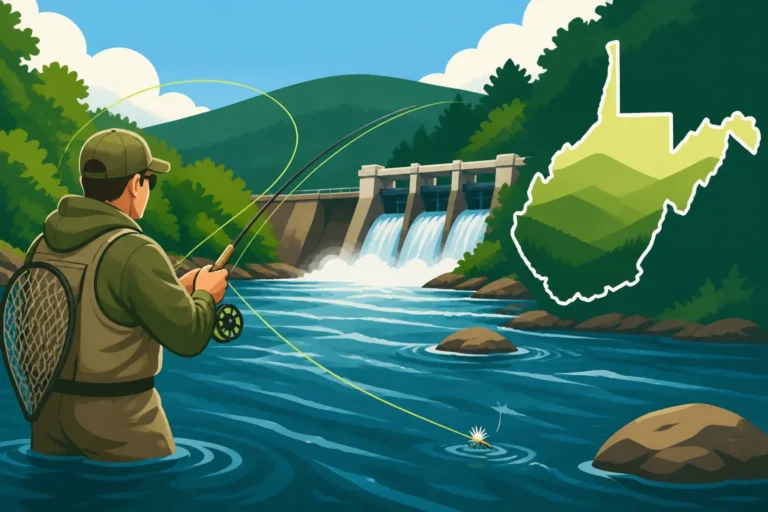
The crisp, clear air that often follows a cold front can feel invigorating to us, but for a West Virginia bass angler, it often signals a frustrating day on the water. That sudden drop in temperature, the bluebird skies, and the calm winds can shut down even the most aggressive bass, turning what was a hot bite into a complete standstill. This guide is all about understanding why bass react this way and, more importantly, equipping you with the tactics and patience needed to entice strikes when the bite gets tough after a cold front rolls through.
Understanding Cold Fronts and Their Impact on Bass
Fishing after a cold front isn't just "tougher" — it's a completely different ballgame, influenced by specific environmental changes that directly affect bass behavior. It's not just folklore; there's a real science behind why your favorite fishing hole suddenly feels empty.
The Science Behind Barometric Pressure Drops
One of the most significant, yet often unseen, factors at play during a cold front is the change in barometric pressure. Before a cold front arrives, you often experience a period of low, falling pressure, which frequently corresponds with stormy, unsettled weather. Bass, like many fish, have a swim bladder – an air-filled organ that helps them maintain buoyancy at different depths. This swim bladder is highly sensitive to changes in external pressure.
As a high-pressure system moves in behind a cold front, the atmospheric pressure rises significantly and rapidly. This sudden increase in pressure can be quite uncomfortable for bass. Imagine going from a relatively low-pressure environment to a high-pressure one without time to adjust. Their swim bladders might feel overinflated or "squeezed," causing physical discomfort. To alleviate this, bass often seek deeper water where the water pressure naturally counteracts the increased atmospheric pressure. This physiological response makes them less willing to move or feed aggressively. They become lethargic, conserving energy and trying to adjust to their new environment. Understanding how barometric pressure affects West Virginia bass fishing is key to adapting your strategy.
Water Temperature Swings and Bass Metabolism
Beyond the pressure changes, cold fronts undeniably bring colder air, which in turn cools the water, especially in shallower areas of West Virginia's lakes and rivers. While fish are cold-blooded and their body temperature matches their environment, sudden drops in water temperature can severely impact their metabolism.
A rapid temperature plunge acts like a shock to their system. Their digestive processes slow down, their energy levels decrease, and their need to feed aggressively diminishes. Instead of actively hunting, they become opportunistic, looking for the easiest, least energy-intensive meal. They'll often seek out areas with more stable temperatures, which usually means deeper water or areas with thermal cover. For example, a shallow cove that was teeming with baitfish and bass before the front might become a barren wasteland as the fish evacuate to deeper, more consistent temperatures. This isn't just a slight chill; it's a fundamental shift that puts bass into a defensive, low-energy mode.
Reading the Conditions: Before, During, and After a Cold Front
Knowing what to expect around a cold front is like having a secret weapon. It allows you to anticipate bass behavior and plan your fishing strategy much more effectively, even before you launch the boat or wade into the river.
Pre-Front Feeding Frenzy
This is arguably the best time to be on the water. As a low-pressure system approaches and the barometric pressure starts to fall, bass often sense the impending change in weather. They seem to know that tough times are coming, and they respond by going on a frantic feeding binge. This is when you can often catch them aggressively, throwing just about anything that moves with confidence.
During this pre-front period, bass are actively cruising shallow flats, chasing baitfish, and generally expending a lot of energy to fill their bellies. This is the prime time for throwing aggressive reaction baits like spinnerbaits, crankbaits, and even topwater lures. If you're watching the weather forecast and see a cold front on the horizon, try to get out there a day or two before it hits. That brief window of opportunity can offer some of the most exciting fishing of the season. Don't miss it; it might be the last chance for some fast action for a few days.
During the Cold Front: Shutdown Mode
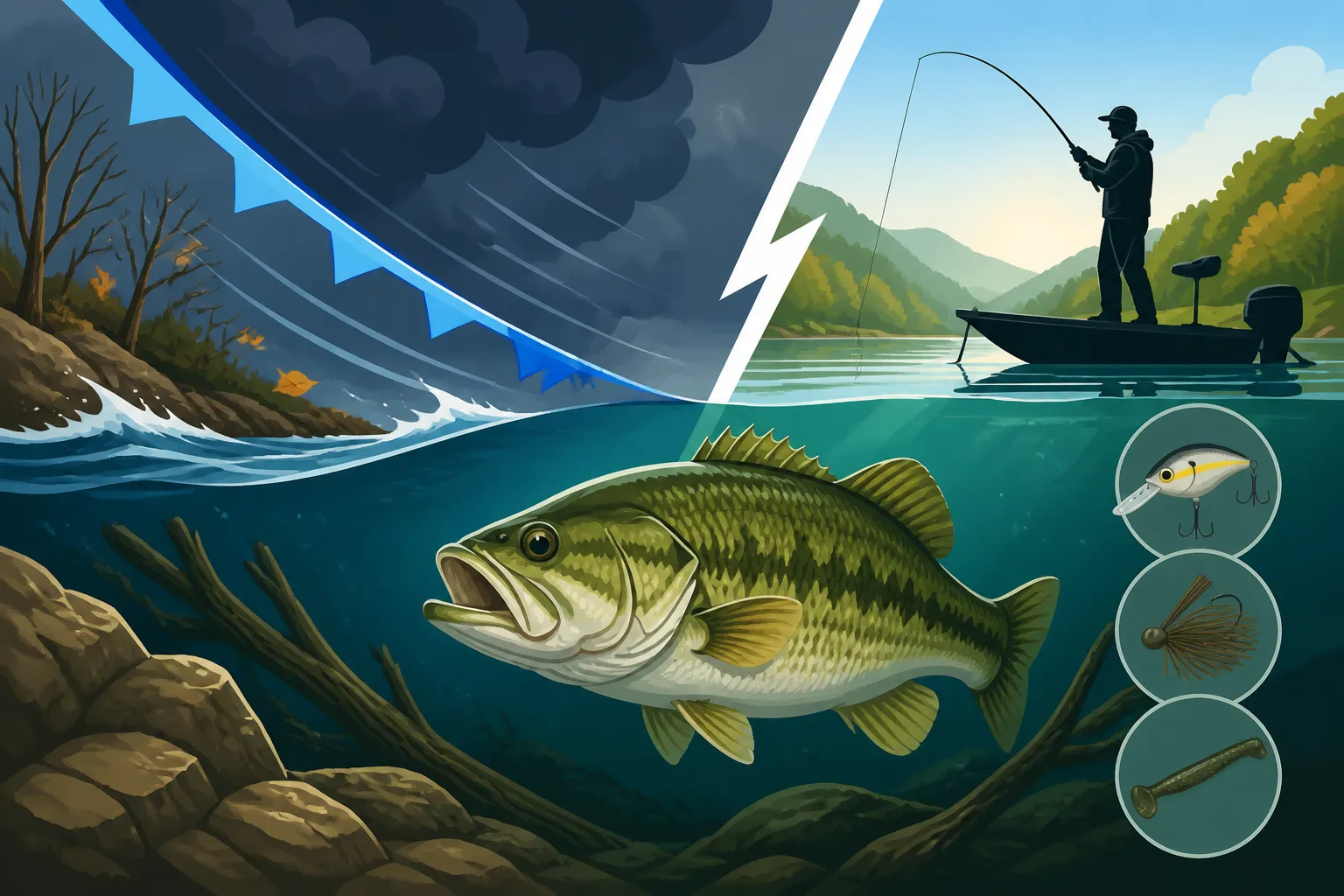
When the actual cold front passes and the high-pressure system settles in, the conditions typically become crystal clear, often accompanied by strong, gusty winds that eventually calm down to clear, still skies. Air temperatures drop sharply, and the water temperature follows suit. This is the notorious "bluebird sky" day, and for bass anglers, it's often the toughest fishing you'll face.
During the immediate aftermath of the front, bass go into full shutdown mode. They become highly lethargic, tight-lipped, and often retreat to the deepest, most stable cover they can find. They're not actively feeding; they're simply trying to survive and adjust. You won't see them chasing bait, and they'll rarely strike anything fast or flashy. Your best bet during these hours is to drastically slow down, downsize your baits, and focus on precise presentations right in their faces. This is when patience becomes a virtue, and covering a lot of water usually leads to nothing but frustration.
Post-Front Recovery: Gradual Improvement
The good news is that the shutdown doesn't last forever. The recovery period typically begins a day or two after the initial cold front has passed, provided the weather remains stable and starts to warm up a bit. You won't necessarily see a "switch" where bass suddenly become active again; it's more of a gradual process.
As water temperatures slowly stabilize and perhaps even begin a slight rise, and as the bass adjust to the new barometric pressure, their metabolism will slowly start to pick up. They might begin to move out from the thickest cover or slightly shallower from the deepest holes. They're still not likely to be chasing baits aggressively, but they will be more prone to striking a slow, subtle offering. Your fishing will steadily improve over the course of several days, allowing you to gradually introduce more active presentations as the conditions normalize. Keeping an eye on the West Virginia Fishing Seasons by Month can give you a general idea, but always be prepared for these temporary shifts.
Adjusting Your Approach: Lure Selection and Presentation
When a cold front hits, sticking to your usual "go-to" baits and presentations is a recipe for disappointment. You need to completely shift gears and think about what a sluggish, uncomfortable bass might be willing to strike.
Downsizing and Slowing Down
This is the golden rule for cold front bass fishing in West Virginia. Forget the big, flashy crankbaits and fast-moving spinnerbaits. Bass aren't expending energy to chase. They want an easy meal that requires minimal effort.
This means embracing finesse techniques. Think small and subtle. Ned rigs, with their mushroom-shaped heads and compact soft plastic worms, are absolute killers in these conditions. They stand up off the bottom, presenting a tiny, easy target. Drop shots allow you to suspend a small bait right in the strike zone, subtly twitching it in place. Shaky heads with small worms or creature baits offer a similar slow, natural fall. Small jigs, perhaps a 1/4 ounce or less, tipped with a small chunk or creature bait, can be dragged or hopped along the bottom. The key is to present the bait in a way that mimics a dying or struggling baitfish, making it irresistible because it looks like no effort is required to eat it. Many anglers find great success with these types of finesse plastics, which are readily available on Amazon from brands like Z-Man or Strike King.
Natural Colors and Subtle Movements
The clear, often calm waters that follow a cold front mean bass have excellent visibility, and they become much more wary. Bright, unnatural colors that might have worked before the front can now be a major turn-off.
Opt for natural bait colors that mimic the forage in the area. Greens, browns, grays, and black/blue combinations are often very effective. Think about crawfish, gobies, or duller baitfish. Presentation is just as crucial as color. You're not trying to provoke a reaction strike with speed; you're trying to tempt a lethargic bass into a gentle bite. This means extremely slow retrieves. Drag your jig or worm along the bottom, pause it for several seconds, and then subtly move it again. For a drop shot, a tiny quiver of the rod tip is often all it takes to make the bait dance in place. Even "dead-sticking" – letting your bait sit completely still on the bottom or suspended in the water column – can sometimes trigger a strike from a bass that's just waiting for the easiest opportunity. Remember, these fish aren't actively hunting; they're simply waiting for food to present itself without much fuss.
Finding the Fish: Key Locations During a Cold Front
Knowing where bass go after a cold front can drastically improve your chances. They won't be in the same spots they were during the pre-front frenzy. Their priority is comfort and safety.
Deep Water and Vertical Cover
As discussed, bass seek stability. Deeper water offers more consistent temperatures and less dramatic pressure changes. This makes main lake points, deep ledges, humps, and channel swings prime targets. Bass will often position themselves on the deeper sides of these structures.
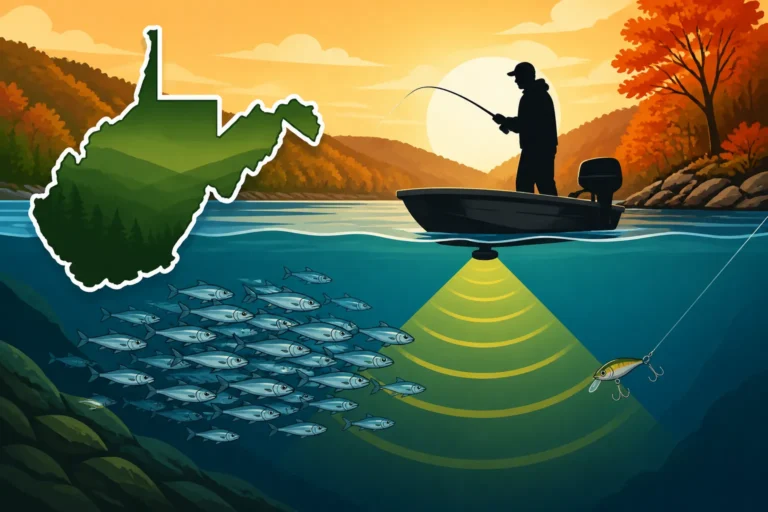
Vertical cover is also key. Standing timber, deep brush piles, and even submerged rock piles provide both a sense of security and a thermal refuge. Bass will often suspend themselves within or tight to this cover. If you have a good fish finder, now is the time to really utilize it. Look for baitfish schools and isolated pieces of cover in deeper areas. Mark them and then systematically work them with your slow, subtle presentations. These deep, vertical structures are where you'll find inactive fish concentrated, often in a very tight area. It takes patience to find them, but once you do, you might be able to pick off a few. The Best Bass Fishing Spots in West Virginia often include these types of deep-water structures.
Heavy Cover and Submerged Structure
While some bass go deep, others will seek out the thickest available cover, even in shallower depths, to escape the clear skies and pressure. This includes dense submerged grass beds, laydowns (fallen trees), thick brush piles, and the darkest parts of boat docks or piers.
The cover provides concealment from predators, protection from the bright sunlight, and a stable environment. Bass will burrow themselves deep into these areas, making them incredibly difficult to reach. You'll need to make precise, quiet casts directly into the heart of the cover. Often, the bass won't move far to strike, so your bait needs to literally fall right in front of them. Think about flipping and pitching jigs or Texas-rigged soft plastics into these tight spots. Work them slowly, probing every nook and cranny. Sometimes, a bass will only strike on the initial fall, so pay close attention to your line. These fish aren't aggressive, so a subtle twitch on the line might be your only indication of a bite.
Specific Tactics for Different West Virginia Bass Species
While the general rule of "slow down and downsize" applies to all bass during a cold front, there are nuances in where and how you might target largemouth versus smallmouth, especially given West Virginia's diverse waters.
Largemouth Bass: Targeting Cover in Lakes and Ponds
In West Virginia's reservoirs and ponds like Summersville Lake or Stonewall Jackson Lake, largemouth bass tend to relate more to dense, horizontal cover, even during a cold front. While they may move deeper, they still often seek the security of docks, lily pad fields (if still present and thick enough), thick submerged vegetation, and extensive brush piles.
When targeting Largemouth Bass Fishing in West Virginia after a cold front, focus on pitching and flipping. A heavy Texas-rigged creature bait or a jig-and-pig combo (1/2 to 3/4 oz) can penetrate dense cover, allowing you to get your bait directly to the fish. Work these baits extremely slowly. Let them sit on the bottom for extended periods before giving them a slight hop or drag. Don't be afraid to try punching through matted vegetation if you find it. The darkness and stability underneath can be a sanctuary for inactive bass. Even slower-moving swim jigs, fished painstakingly slowly along the edges of cover, can sometimes draw a strike if presented just right. Patience and persistence in these tight, dark spots are paramount. For more detailed tactics, check out Best Bass Fishing Techniques for Summersville Lake.
Smallmouth Bass: River Ledges and Current Seams
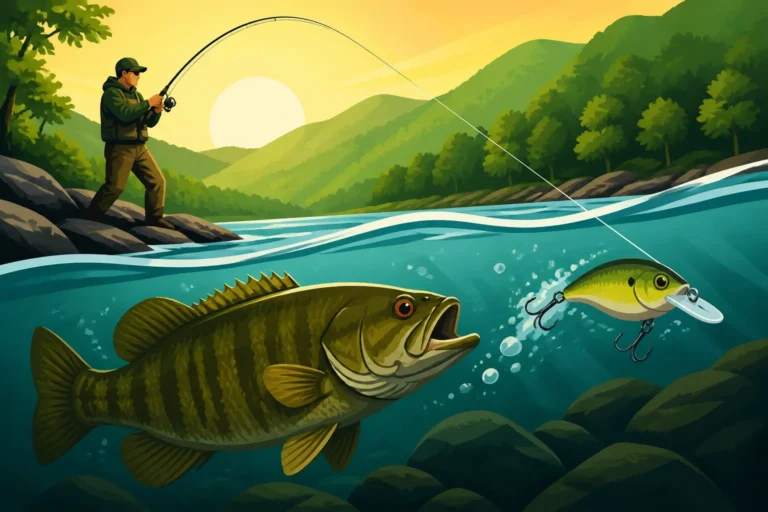
West Virginia's rivers, such as the New River or the South Branch Potomac, present a different challenge for smallmouth bass during a cold front. While smallmouth are naturally more active in current, they will seek refuge from the main flow and bright conditions.
Look for smallmouth to tuck into deep current breaks, eddies, and large rock formations that break up the current. They'll also hold tight to ledges and boulders on the river bottom. Rather than being out in the open, they'll be glued to structure, minimizing their energy expenditure against the current. Small tube jigs (2.5-3.5 inches), Ned rigs, and small shaky heads are excellent choices. Rig them on lighter line (6-8 lb fluorocarbon, also easy to find on Amazon) for a more natural presentation. Cast them upstream and allow them to drift naturally into the holding zones, making sure they maintain bottom contact. A slow, subtle drag and hop will often be the most effective. Pay close attention to the bottom contour and any slight pause or weight on your line, as cold front smallmouth bites can be incredibly subtle. For more insights, refer to How to Catch Smallmouth Bass in West Virginia Rivers or specific advice on New River Smallmouth Bass Fishing. Knowing what water temperature smallmouth bass prefer can also guide you to more stable areas. Many anglers rely on smallmouth bass lures for the New River in summer, but during a cold front, downsizing and slowing down are critical. Consider trying some of the Best Baits for Smallmouth Bass on the New River, but remember to fish them much slower.
| Lure Type | Cold Front Condition | Presentation Strategy | Key Features |
|---|---|---|---|
| Ned Rig | Post-front, clear skies | Drag slowly, dead-stick, slight hops | Stands up off bottom, subtle action, small profile, natural colors |
| Drop Shot | During front, suspended fish | Vertical jigging, subtle twitches, hold in strike zone | Suspend bait above weight, natural presentation, good for deep structure |
| Shaky Head | Post-front, around cover | Drag, pause, light shakes on bottom | Worm stands up, mimics feeding baitfish, good for rocky areas |
| Jig-and-Pig | During/Post-front, heavy cover | Pitch/flip into cover, slow fall, subtle hops | Bulkier profile for cover penetration, natural action, good for largemouth |
| Small Tube Jig | During/Post-front, river rocks | Drift with current, drag on bottom, subtle hops | Mimics crawfish/gobies, good for smallmouth, soft plastic feel |
| Weightless Worm | Post-front, shallow cover | Slow fall, twitch-pause-twitch | Very natural fall, subtle action, good for wary bass in sparse cover |
Post-Front Recovery: When to Expect Bass to Rebound
The initial shock of a cold front can be brutal, but it's not a permanent state of affairs. Bass will eventually resume more normal activities, and knowing when to expect this recovery can help you plan your next successful trip.
Waiting for Stabilization
The most crucial factor for bass recovery after a cold front is stability. This means several consecutive days of consistent weather, ideally with gradually warming temperatures and stable barometric pressure. If another front rolls through or the weather remains erratic, the bass will likely stay in their lethargic, post-front funk.
Keep a close eye on the long-range forecast. Once you see a pattern of steady temperatures – even if they're cool – and a consistent high-pressure system, you can expect the bass to slowly start adjusting. This isn't an overnight flick of a switch where they suddenly become aggressive again. It's a slow, incremental process. Think of it like waking up from a deep sleep; it takes a while to get back to full speed. Your best bet is to give it at least two to three days of stable conditions after the initial front has passed before expecting a noticeable improvement in the bite.
Transitioning Back to Aggressive Baits
As the conditions stabilize and the bass begin to regain their energy and appetite, you can gradually start experimenting with more active presentations. Don't jump straight back to power fishing on the first hint of improvement.
Start by increasing your retrieve speed slightly with your finesse baits. If that yields results, try moving to slightly larger or more active baits, like a small crankbait or a compact spinnerbait. As days pass and the weather holds, you'll find the bass moving shallower, becoming more willing to chase. Eventually, you might even get back to throwing topwater lures if the conditions are right. The key is to let the fish tell you what they want. Start subtle and gradually increase your aggression until you find the sweet spot. The Best Time of Year to Fish in West Virginia often provides these stable conditions, but individual cold fronts will always require this adaptive approach. It's all about slowly moving from a defensive, conservative strategy back to your more common, productive tactics as the bass regain their confidence and comfort.
Disclaimer
The information provided in this guide is for general informational purposes only and does not constitute professional fishing advice. Fishing conditions, regulations, and fish behavior can vary greatly depending on location, time of year, and environmental factors. Always consult the official West Virginia Division of Natural Resources (WVDNR) regulations and local guidelines before fishing. Ensure you have the proper licenses and permits. Stay safe on the water and prioritize ethical angling practices.