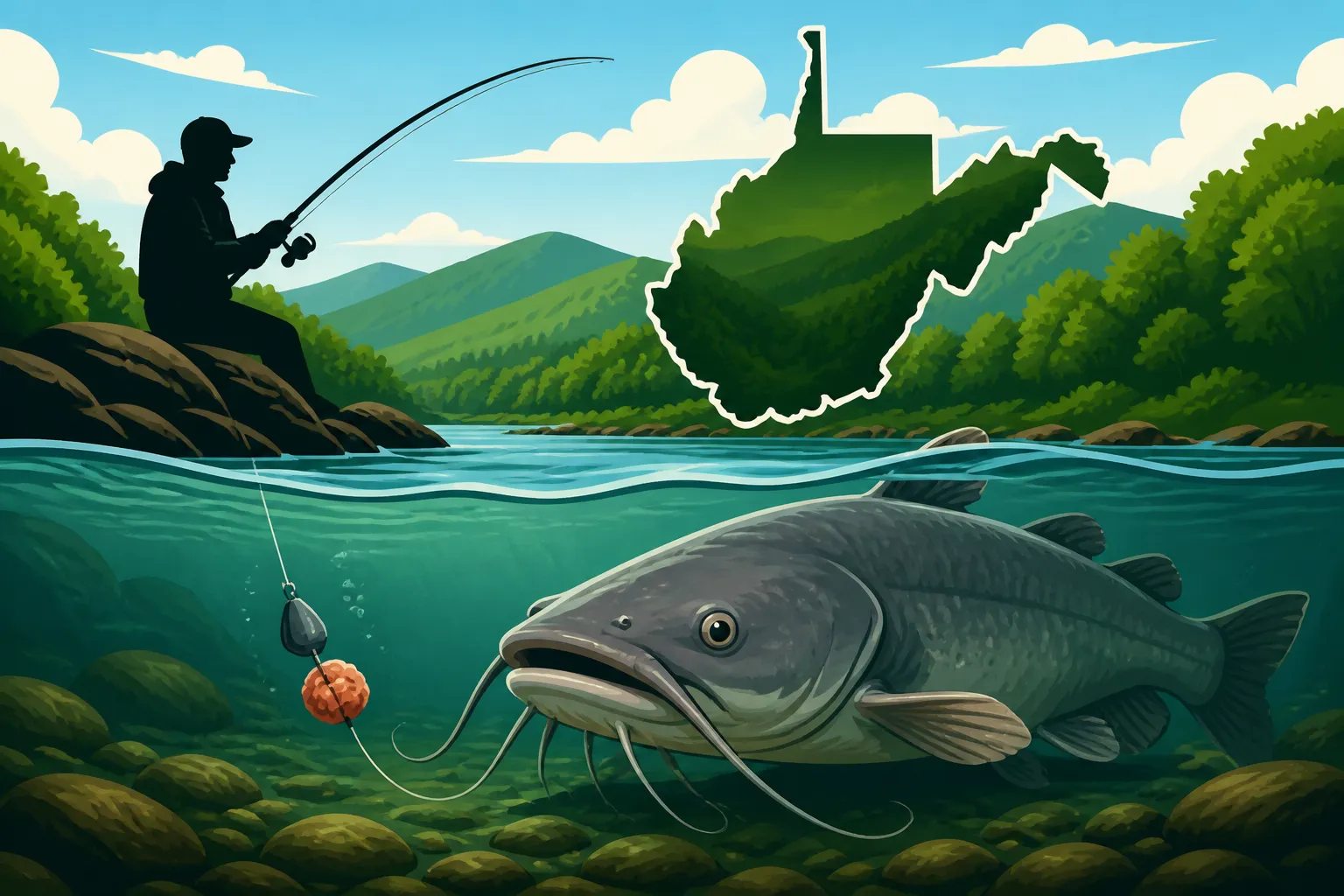
Bottom Fishing for Catfish in West Virginia Rivers
There's nothing quite like the anticipation of a hard strike on your rod while bottom fishing, especially when you know a monster catfish might be on the other end, pulling like a freight train. However, figuring out the best spots, the right rigs, and the perfect bait for West Virginia's diverse rivers can feel like a daunting task, leaving many anglers frustrated and empty-handed. This comprehensive guide is designed to cut through the confusion, offering proven strategies and detailed insights to help you successfully target and land impressive catfish across the Mountain State's bountiful waterways.
Understanding West Virginia's River Catfish
West Virginia's rivers are teeming with various catfish species, each with its own characteristics, preferred habitats, and feeding habits. Knowing the difference between them is crucial for tailoring your approach and maximizing your chances of success when bottom fishing. You might be surprised at the variety and size of the whiskered giants lurking beneath the surface.
Channel Catfish: The Widespread Opportunist
Channel catfish are by far the most common and widely distributed catfish species in West Virginia. You'll find them in nearly every major river system, from the slow-moving stretches of the Ohio River to the faster currents of the New River. These fish are easily identifiable by their forked tails, scattered spots (especially when younger), and sleek, muscular bodies. They're often described as opportunistic feeders, meaning they're not particularly picky about what they eat, making them a fantastic target for a wide array of bottom fishing baits.
Their adaptable nature means they can thrive in various environments, from deeper pools with moderate current to shallow flats with abundant cover. When you're fishing for channel cats, you're looking for areas with some structure, like submerged logs, rock piles, or even slight depth changes where they can ambush prey or scavenge. They're strong fighters, especially the larger ones, and provide excellent sport on medium-heavy tackle. Understanding the nuances of their feeding behavior can significantly improve your catch rates, as detailed in our guide on Channel Catfish Habits in West Virginia Rivers.
Flathead Catfish: The Live Bait Specialist
If you're after truly enormous catfish that hit like a ton of bricks, the flathead is your target. These prehistoric-looking fish are known for their broad, flattened heads, lower jaw that protrudes past the upper jaw, and rounded tail, distinguishing them clearly from their channel cat cousins. Unlike the omnivorous channel catfish, flatheads are voracious predators, almost exclusively feeding on live fish. This preference dictates a very different approach to bait selection and presentation when you're targeting them.
Flatheads tend to prefer slack water areas adjacent to strong currents, often making their homes in deep holes, beneath log jams, or within heavy cover where they can lie in wait to ambush unsuspecting prey. Rivers like the Ohio and the Little Kanawha are particularly renowned for their trophy flathead populations. Successfully catching these powerful fish often involves a lot of patience and the use of fresh, lively baitfish presented right in their strike zone. Our Flathead Catfish in the Ohio River guide dives deeper into where and how to find these elusive giants.
Blue Catfish: Ohio River's Mighty Giants
While not as widely distributed across West Virginia's river systems as channel or flathead catfish, blue catfish are an undeniable force, particularly in the lower stretches of the Ohio River. These are the true titans of the catfish world, boasting immense size potential—easily reaching weights well over 50 pounds, with some exceeding 100 pounds. Blue cats have a slightly forked tail, a noticeable "hump" on their back, and typically a bluish-gray coloration, hence their name.
Like channel catfish, blue cats are opportunistic, but they often prefer deeper, more open water and strong currents, where they can feed on a variety of prey including shad, skipjack herring, mussels, and even crayfish. They are known to travel in schools, and when you find them, the action can be fast and furious. Targeting these giants requires heavy-duty gear and baits substantial enough to attract their attention. If you're fishing the Ohio, especially in the southwestern regions of the state, be prepared for a potential battle with one of these river monsters.
Top West Virginia Rivers for Bottom Fishing
West Virginia is blessed with a network of rivers that offer fantastic opportunities for bottom fishing catfish. While many smaller streams hold catfish, certain rivers stand out for their size, population density, and potential for trophy catches. Knowing where to focus your efforts can make all the difference.
The Ohio River: A True Trophy Fishery
Without a doubt, the Ohio River is West Virginia's premier destination for trophy catfish, particularly for flatheads and blue catfish. This massive waterway, forming West Virginia's western border, offers vast expanses of water, countless deep holes, and extensive submerged structure. The Ohio's consistent flow and abundant baitfish populations, including shad and skipjack herring, create an ideal environment for catfish to grow to immense sizes.
Anglers often focus on areas around the numerous locks and dams that dot the river. The turbulent water below the dams creates scour holes where big catfish congregate, lying in wait for food washed downstream. Conversely, the calmer waters above the dams, particularly around deep bends and submerged timber, can also hold significant numbers of fish. Access points are plentiful, with many public boat ramps and shore fishing opportunities, but remember to be mindful of specific Ohio River Fishing Rules for West Virginia Anglers that might apply. Targeting the Best Catfish Spots on the Ohio River near Huntington or Parkersburg can yield incredible results.
The Kanawha River: Consistent Action
Flowing through the heart of West Virginia, the Kanawha River is another fantastic catfish destination, renowned for its strong populations of channel catfish and impressive flatheads. While blue catfish are less common here compared to the Ohio, the consistent action and potential for large flatheads make it a favorite among local anglers. The Kanawha is a working river, meaning it has a consistent flow, numerous navigation structures, and plenty of submerged snags that provide excellent catfish habitat.
Key areas to target on the Kanawha include deep bends, the mouths of feeder creeks, and especially around the many barge fleeting areas and industrial docks. These structures often accumulate debris and offer deeper water with cover, creating perfect ambush points for flatheads and feeding grounds for channel cats. The river also benefits from healthy populations of baitfish, providing a stable food source. Don't overlook the potential of the Kanawha River Fishing Spots near Charleston and other towns, as accessible shorelines and boat ramps offer ample opportunities.
Other Notable Catfish Rivers
Beyond the giants, several other West Virginia rivers provide excellent bottom fishing for catfish. The New River, especially its slower, deeper sections, holds good numbers of channel catfish and some respectable flatheads. Its unique ancient geology creates deep pools and rocky structures that appeal to these whiskered predators. The Little Kanawha River is particularly known for its flathead catfish, especially in the lower reaches before it joins the Ohio. This river’s numerous log jams and slower currents make it ideal flathead territory.
Further east, the Monongahela River and its tributaries, while often overlooked for catfish, can produce solid channel cat catches, particularly in the deeper pools and stretches with slower currents. The Cheat River, especially downstream from Cheat Lake, also has decent channel catfish populations. The key across all these rivers is to look for similar patterns: deep water, structural cover like fallen trees or rock formations, and areas where currents meet or slow down, creating feeding lanes for catfish. Always consult the West Virginia Fishing Regulations Explained to ensure you're compliant with local rules for each specific waterway.
Essential Gear and Tackle for Bottom Fishing
To effectively bottom fish for catfish in West Virginia's rivers, you need tackle that can stand up to powerful fish and challenging river conditions. This isn't the time for finesse ultralight gear; durability and strength are paramount. Investing in the right equipment will not only improve your success rate but also make the fight more manageable and enjoyable.
Rods, Reels, and Line: Building a Stout Setup
For bottom fishing river catfish, a medium-heavy to heavy action rod is essential. These rods typically range from 7 to 9 feet in length, providing the leverage needed to cast heavy rigs and absorb the powerful runs of large catfish. A fast action tip is beneficial for detecting subtle bites, while the robust backbone allows for strong hooksets and control over big fish in current. Brands like Ugly Stik are popular for their legendary durability, a must when fishing around submerged timber and rocks.
Pair your heavy rod with a stout baitcasting or spinning reel. For larger flatheads and blue cats on the Ohio River, a conventional baitcasting reel with a robust drag system and high line capacity is often preferred. Look for models in the 6000-8000 size range for spinning reels, or reels designed for muskie or saltwater use if you're using conventional. For channel cats, a quality 4000-5000 size spinning reel can work well. Ensure your reel has a smooth, reliable drag system, as this is your most important tool when fighting big fish. You can find many suitable options for rods and reels on Amazon that are perfectly suited for the task.
When it comes to fishing line, braided line is often the top choice for bottom fishing in rivers due to its strength, thin diameter, and incredible sensitivity. A 30-80 pound test braided mainline is common, with heavier lines reserved for trophy hunting. The lack of stretch in braid allows you to feel even the lightest taps and provides powerful hooksets. While braid is strong, it's susceptible to abrasion on rocks and snags, so always use a heavy monofilament or fluorocarbon leader, typically 30-80 pound test, which offers better abrasion resistance and acts as a shock absorber. This leader length can vary, but usually 18-36 inches works well.
Terminal Tackle: Hooks, Weights, and Swivels
The business end of your rig needs to be equally tough. Hooks for catfish are typically strong, wide-gap designs. Circle hooks are overwhelmingly popular for bottom fishing, particularly when using cut bait or live bait. Their design ensures that the hook almost always sets in the corner of the fish's mouth, reducing gut-hooking and making for easier, safer releases. Sizes typically range from 5/0 to 10/0, depending on the bait size and target species. For example, a 7/0 to 9/0 circle hook is ideal for large cut baits targeting blue or flathead catfish. If you're using them, make sure to get the correct Best Circle Hook Size for Catfish for your target.
Weights are crucial for getting your bait to the bottom and holding it in place against the river current. Sinker styles vary, but pyramid, flat bell, or no-roll sinkers are popular choices for their ability to resist current and prevent rolling. The weight size you'll need depends heavily on the river's current strength, ranging from 1 ounce in slower sections to 8 ounces or more in fast-moving water like below a dam. Always carry an assortment of weights.
High-quality, strong swivels are essential to prevent line twist and connect different parts of your rig. Barrel swivels or ball-bearing swivels are excellent, with a breaking strength that matches or exceeds your mainline. For rigs with multiple components, such as a three-way swivel rig, ensure each swivel is robust. Snap swivels can be convenient for quickly changing out sinkers.
Accessories for a Successful Outing
Beyond the core tackle, a few accessories can greatly enhance your bottom fishing experience. A sturdy rod holder is almost a necessity for bank anglers, allowing you to keep your rod secure and pointed towards the water while waiting for a bite. Remember, bottom fishing often involves periods of waiting, and holding a heavy rod constantly can be tiring. A large landing net is crucial for safely landing big catfish, particularly flatheads and blues. Look for nets with a wide hoop and rubberized mesh to protect the fish's slime coat.
Other useful items include a good pair of pliers or forceps for hook removal, a headlamp for night fishing, a cooler for storing bait and keeping your catch fresh (if you plan to keep fish within limits), and a tackle box or bag that can organize your assortment of weights, hooks, and tools. When selecting gear, considering durable and practical options available on Amazon can save you time and ensure you're well-equipped.
| Rig Type | Key Components | Best For | Pros | Cons |
|---|---|---|---|---|
| Carolina Rig | Sinker, Bead, Swivel, Leader, Hook | Channel Catfish, Moderate Current | Simple, effective, good bait presentation on bottom | Bait can get buried in soft mud |
| Santee Cooper Rig | Sinker, Bead, Swivel, Leader, Buoyant Float, Hook | Channel Catfish, Moderate-Heavy Current | Elevates bait off bottom, prevents snagging in debris | Can be more complex to tie, float can be chewed by fish |
| Three-Way Swivel Rig | Three-Way Swivel, Sinker Leader, Hook Leader | Flatheads, Blues, Variable Current & Depth | Highly versatile, allows for various bait presentations | More components, can tangle if not tied carefully |
Mastering Bottom Fishing Rigs
Choosing the right rig is paramount for successful bottom fishing for catfish in West Virginia's rivers. The goal is to present your bait naturally on or near the bottom, where catfish are typically feeding, while minimizing snags and maximizing bite detection. Each rig has its strengths, suited to different river conditions and catfish species.
The Classic Carolina Rig
The Carolina Rig is arguably the most popular and versatile rig for bottom fishing catfish, and for good reason. It's relatively simple to tie, highly effective, and allows your bait to move somewhat freely on the bottom, mimicking natural food items. To construct a Carolina Rig, you first slide a bullet, egg, or no-roll sinker onto your main line. Following the sinker, add a bead (this protects the knot from the sinker), and then tie on a strong barrel swivel. To the other end of the swivel, attach a leader of monofilament or fluorocarbon, typically 12 to 36 inches long, and then tie on your hook.
The beauty of the Carolina Rig lies in its "slip" design. The main line runs freely through the sinker, meaning when a catfish picks up the bait, it feels little to no resistance from the weight, allowing it to mouth the bait and swim away confidently before feeling the hook. This resistance-free presentation is key to getting solid hooksets. This rig works exceptionally well for channel catfish in various river environments, from slow pools to moderate currents. For larger fish, like those found in the Ohio River Fishing Guide for West Virginia Anglers, you might simply scale up the components.
The Elevated Santee Cooper Rig
When you're fishing in areas with a lot of debris, soft mud, or thick vegetation on the bottom, the Santee Cooper Rig is an absolute lifesaver. This rig is essentially a modified Carolina Rig with a crucial addition: a small, buoyant float placed on the leader, just above the hook. The float lifts your bait off the riverbed, preventing it from getting buried in mud or snagged in submerged cover, making it more visible and accessible to foraging catfish.
To tie a Santee Cooper Rig, follow the steps for the Carolina Rig, but before tying on your hook, thread a small foam or cork float onto your leader. Position the float anywhere from 2 to 6 inches above the hook, using bobber stoppers or small split shot to secure it in place. This elevated presentation is particularly effective when targeting channel catfish and even flatheads that might be cruising slightly above the bottom. It's a fantastic choice for areas where you know catfish are present but struggle with your bait being obscured or getting hung up.
The Versatile Three-Way Swivel Rig
For anglers seeking maximum versatility or dealing with strong currents, the Three-Way Swivel Rig, sometimes called a Wolf River Rig, is an excellent option. As the name suggests, this rig utilizes a three-way swivel as its central component. Your main line ties to one eye of the swivel, a short leader (6-12 inches) with a sinker attaches to a second eye, and a longer leader (18-36 inches) with your hook attaches to the third eye.
This rig offers several advantages. The sinker leader can be lighter than your main line and hook leader, acting as a breakaway if the weight gets snagged, thus saving the rest of your rig and the fish. The longer leader allows your bait to drift and flutter naturally in the current, which can be irresistible to active catfish. It's particularly effective for presenting live baits for flatheads or for covering different depths by simply adjusting the length of your leaders. This rig is a popular choice for navigating the diverse underwater structures of rivers and adapting to varying current speeds. Many seasoned anglers use a variation of this rig when they are trying to determine the Best Rig for Bottom Fishing Catfish on the Ohio River.
Choosing and Presenting Your Bait
Once you've got your tackle and rigs sorted, the next critical component for successful bottom fishing for catfish is bait. Catfish are primarily scent-oriented feeders, and their powerful sense of smell plays a huge role in how they locate food. The type of bait you use will often depend on the species you're targeting and the specific conditions of the river.
Cut Baits: Irresistible Scent Trails
For channel catfish and blue catfish, cut bait is often king. The strong, oily scent that emanates from freshly cut fish is incredibly effective at attracting catfish from a distance. Shad, skipjack herring, carp, and even panfish like bluegill make excellent cut baits. Cut them into chunks or strips, making sure to expose plenty of flesh and blood. The size of your cut bait should correspond to the size of the hook and the size of the catfish you're targeting. For instance, smaller chunks are fine for pan-sized channel cats, while a large strip or half of a shad is perfect for trophy blue cats.
The fresher the cut bait, the better. Many anglers will catch baitfish on site or buy them fresh from local bait shops. If you're using frozen bait, ensure it's properly thawed and still emits a strong scent. When presenting cut bait, make sure the hook is exposed to allow for a good hookset. Pushing the hook through the skin side once or twice and leaving the barb exposed is generally effective. The goal is for the bait to release its scent freely while staying securely on the hook.
Live Baits: The Flathead's Favorite
When your target is the elusive and powerful flathead catfish, live bait becomes almost a necessity. As mentioned, flatheads are ambush predators that prefer to hunt live prey. Common live baits include bluegill, sunfish, shad, suckers, and small carp. The ideal size for live bait typically ranges from 4 to 8 inches, but for truly enormous flatheads, some anglers will use baits up to 10-12 inches.
Presenting live bait requires a sturdy hook, often a large circle hook, carefully placed through the back (above the lateral line) or through the lips of the baitfish. The goal is to keep the bait alive and swimming naturally for as long as possible, attracting the attention of lurking flatheads. Ensure your hook placement doesn't impede the bait's movement or injure it too severely. Fishing live bait requires patience, as flatheads often take their time to inspect and consume their prey. Remember to check local regulations regarding the use of live bait, as some areas may have restrictions on what species can be used or collected. Understanding What flathead catfish eat can really give you an edge.
Prepared and Natural Baits
While cut and live baits dominate the scene, there's still a place for prepared baits and other natural offerings, especially for channel catfish. Stink baits are formulated to have a pungent odor that channel cats find irresistible. They come in various forms, including dough balls, dip baits, and punch baits. These baits are typically fished on specially designed treble hooks with bait holders or on sponge hooks that absorb and release the scent. Stink baits can be highly effective, especially in warmer water where catfish are actively foraging by scent.
Beyond stink baits, other natural options include nightcrawlers, which are universally appealing to smaller channel catfish and often catch panfish as bycatch. Large, wiggling worms can also attract the attention of bigger cats. Chicken livers are another classic catfish bait, known for their strong scent and bloody appeal, though they can be messy and tend to come off the hook easily. For convenience, many anglers prefer commercially available blood baits or flavored corn. When using these softer baits, ensure your hook is well-covered but still able to penetrate on the strike. A quick search on Amazon reveals a wide array of prepared baits that could be worth trying. The Best Catfish Bait for the Kanawha River often includes a mix of these options depending on the angler's preference and target species.
Optimal Times and River Conditions
Even with the best gear and bait, timing and understanding river conditions are crucial for maximizing your bottom fishing success. Catfish, like all fish, are influenced by seasonal changes, time of day, and environmental factors such as water temperature, clarity, and current.
Seasonal Strategies for Catfish Success
Catfish can be caught year-round in West Virginia rivers, but certain seasons offer prime opportunities. Spring is an excellent time, especially as water temperatures rise into the 50s and 60s Fahrenheit. Catfish become more active and begin moving into shallower areas to feed heavily before their spawning season. Look for them in current breaks, eddy lines, and near the mouths of creeks where warmer water or increased forage might be present.
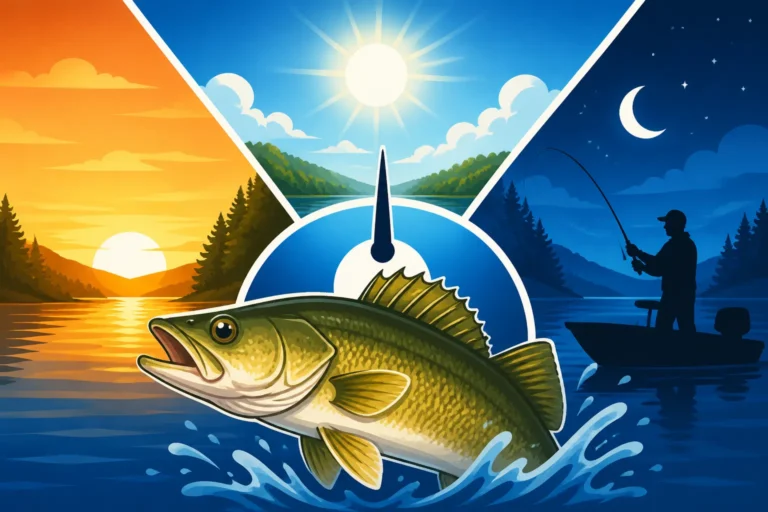
Summer is often considered peak catfish season. The warm water makes catfish highly active, and they're typically feeding around the clock. This is when night fishing becomes particularly productive, as catfish are nocturnal feeders, and the cooler night air often brings them into shallower waters. During the day, they might retreat to deeper holes or shaded cover. As summer progresses into fall, catfish continue to feed heavily, packing on weight before winter. They'll often move back into slightly shallower, but still structured, areas as water temperatures begin to drop. Fishing right up until the water gets very cold can yield some impressive catches, as they put on a last feeding push. Overall, understanding the Best Time of Year to Fish in West Virginia will significantly help your planning.
Understanding Water Levels and Current
River levels and current play an enormous role in catfish behavior and where you'll find them. High, muddy water caused by heavy rains can be both a challenge and an opportunity. While fishing might be difficult in extremely fast, turbid water, as the river begins to drop and clear slightly, catfish often go on a feeding frenzy. The influx of nutrients and dislodged prey items stimulates their appetites. In these conditions, target eddies, slack water areas behind structures, and newly flooded banks where catfish will seek refuge from the strong current and scavenge for food. Strong-scented baits are particularly effective when visibility is low.
Low, clear water presents a different challenge. Catfish can become spookier and may retreat to deeper, darker holes. Fishing during low light hours, like dawn, dusk, or night, becomes even more important. In clear conditions, a natural presentation with live bait or subtle cut bait might outperform heavily scented options. You'll need to be stealthier and focus on structure that offers shade and deeper water.
Moderate current is often ideal. Catfish will hold in current breaks, just out of the main flow, expending minimal energy while waiting for food to be carried past them. Look for seams where fast water meets slow water, the downstream side of submerged logs, large rocks, or bridge pilings. Your chosen rig needs to be heavy enough to hold bottom in the current, but not so heavy that it prevents your bait from looking natural.
Night Fishing: Prime Time for Whiskered Wonders
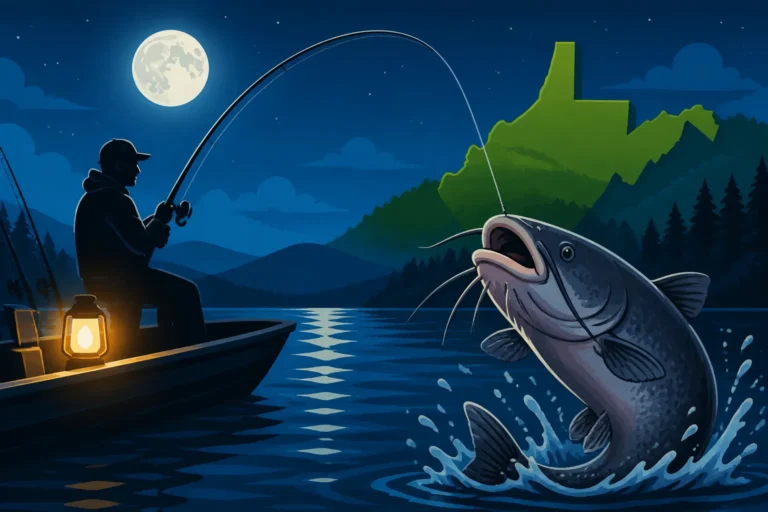
For many dedicated catfish anglers, night fishing is not just an option, it's the preferred method, especially during the warmer months. Catfish are naturally more active at night, using their superior sense of smell and touch to navigate and hunt in the darkness. As the sun sets, they often move out of their daytime holding patterns in deep water and venture into shallower flats, humps, and along channel edges to feed.
The calmer conditions and reduced boat traffic at night can also contribute to a more peaceful and productive fishing experience. When fishing at night, safety is paramount. Always bring a reliable headlamp or flashlight, and ensure your boat (if applicable) has proper navigation lights. Glow sticks attached to rod tips can make bite detection easier. Using strong, fresh baits that release a lot of scent is key, as visual cues are minimal. Many anglers find the biggest flatheads and blue cats are caught under the cloak of darkness. To really hone your strategy, consider diving into advanced tips for How to catch catfish at night on West Virginia lakes (applicable to rivers too!).
Disclaimer
Fishing involves inherent risks. Always prioritize your safety on the water and adhere to all local, state, and federal fishing regulations, including those set by the West Virginia Division of Natural Resources (WVDNR). This guide is for informational purposes only and does not constitute professional advice. Always exercise caution and good judgment when fishing in rivers.