Best muskie fishing on Stonewall Jackson Lake
Chasing muskie is often called the "sport of 10,000 casts," and for good reason—these elusive giants can test the patience of even the most seasoned angler. But if you're looking for a place in West Virginia where those odds feel a little more in your favor, especially for a true trophy, Stonewall Jackson Lake is a name that comes up again and again. Many anglers struggle to find consistent success with muskie, often because they don't understand the specific behaviors and preferred habitats of these apex predators in a particular body of water. This guide aims to pull back the curtain on muskie fishing at Stonewall Jackson Lake, helping you understand where to find them, what gear to use, and when to go to increase your chances of landing that fish of a lifetime.
Why Stonewall Jackson Lake is a Muskie Hotspot
Stonewall Jackson Lake isn't just another pretty body of water in West Virginia; it's a meticulously managed fishery that has become synonymous with some of the best muskie fishing in the state. The West Virginia Division of Natural Resources (WVDNR) has put a lot of effort into making this lake a premier destination for anglers hoping to tangle with a tiger muskellunge. This management, combined with the lake's natural features, creates an ideal environment for these powerful fish to thrive and grow to impressive sizes.
The Lake's Unique Habitat for Muskie
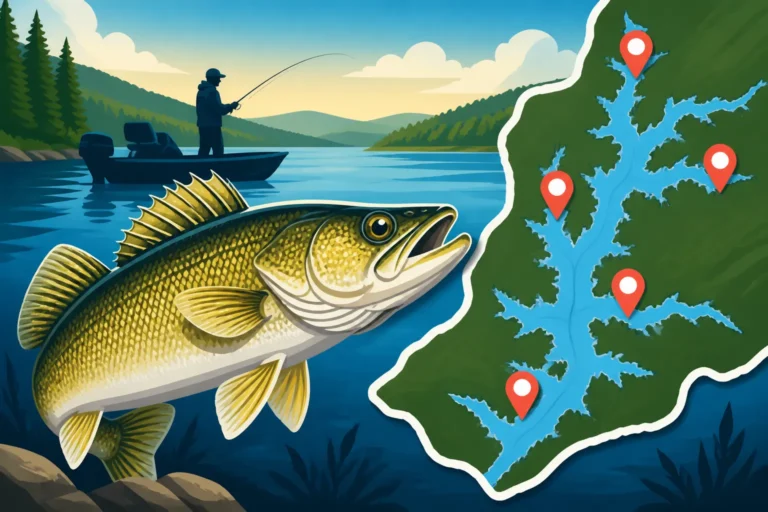
One of the primary reasons Stonewall Jackson Lake stands out for muskie is its diverse and abundant habitat. This isn't a featureless bowl of water; it's a complex system of submerged timber, varying depths, weed beds, and numerous coves and points. Muskie are ambush predators, meaning they rely heavily on cover to hide from their prey before launching a swift attack. Stonewall Jackson Lake provides an almost endless supply of these ambush points. You'll find vast expanses of standing timber, particularly in the deeper sections of the lake and along old creek channels. These underwater forests offer perfect hideouts for muskie, allowing them to lurk unseen, waiting for an unsuspecting baitfish or panfish to swim by. Additionally, the lake features numerous shallow flats and bays that, at certain times of the year, develop healthy weed beds. These aquatic vegetation zones are not only teeming with baitfish but also provide another layer of cover for muskie, especially smaller ones looking to avoid larger predators or escape the direct sun.
The structure extends beyond just timber and weeds. Stonewall Jackson Lake boasts a complex shoreline with rocky points, steep drop-offs, and gradual slopes. These transitional areas, where shallow water quickly gives way to deeper haunts, are prime feeding grounds. Muskie will often patrol these edges, moving between shallow feeding forays and deeper, more secure resting spots. Understanding the lake's hydrography and where these different types of cover converge is crucial for pinpointing potential muskie locations. Many anglers make the mistake of fishing only open water, missing the key structural elements that hold these fish.
Forage Base and Muskie Growth
A healthy muskie population, particularly one known for trophy-sized fish, relies on a robust and diverse forage base, and Stonewall Jackson Lake delivers on this front. The lake is absolutely brimming with a variety of prey species that muskie feast upon, allowing them to grow quickly and reach impressive lengths. Alewife, gizzard shad, various species of sunfish like bluegill and crappie, and smaller bass all contribute to a muskie's diet here.
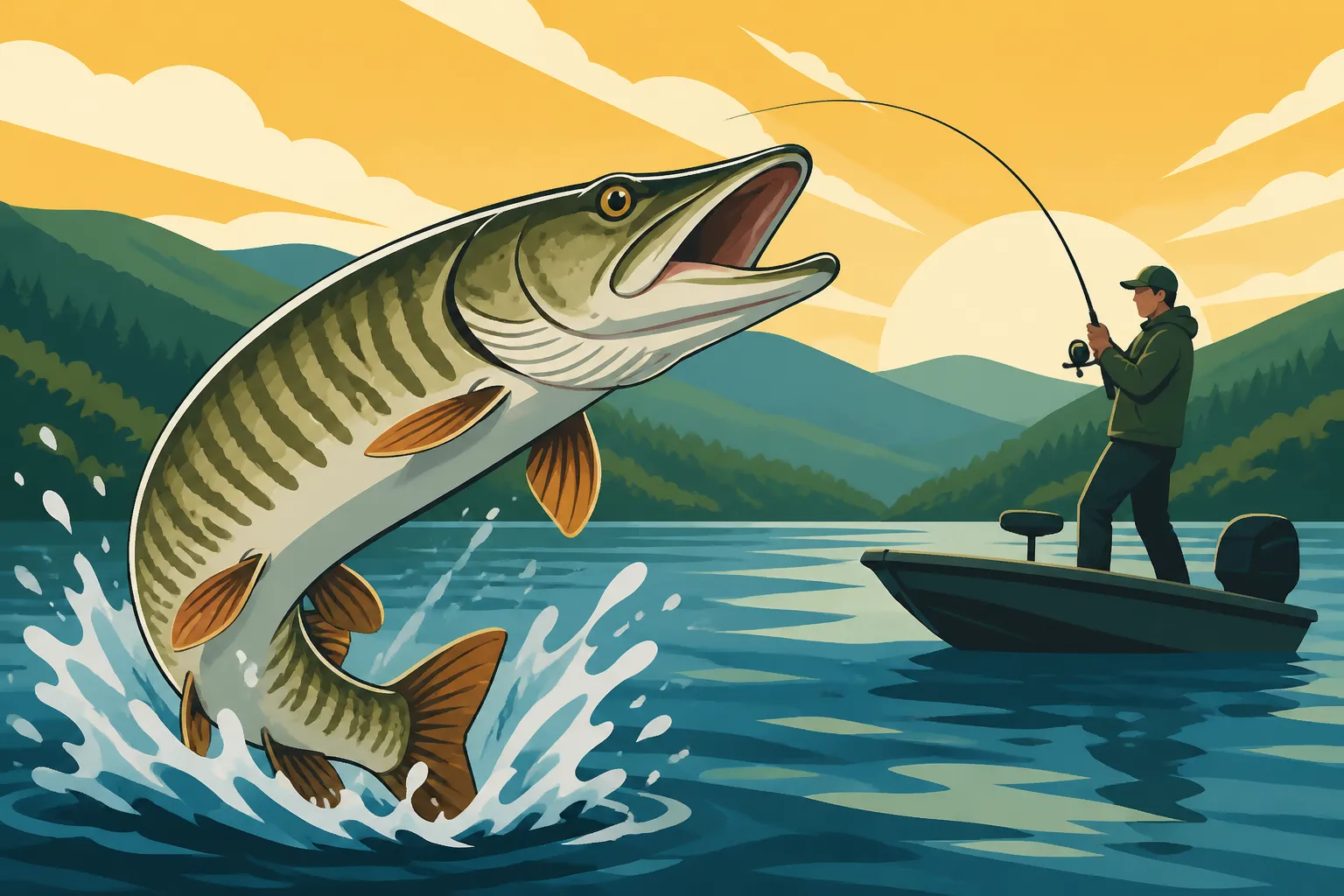
The sheer abundance of these baitfish means that muskie don't have to work excessively hard to find a meal, which translates to more energy being put into growth rather than constant hunting. Alewife, in particular, are a high-energy forage that has played a significant role in the lake's ability to produce large muskie. They are often found in open water schools, but also frequent deeper channels and points. Muskie will follow these schools, setting up ambushes along their migration routes or where they concentrate near structure. This rich food supply not only helps muskie grow big but also contributes to their overall health and fighting prowess. When you hook into a Stonewall Jackson muskie, you'll immediately notice the power and stamina these well-fed fish possess. Anglers often comment on the sheer girth of muskie pulled from this lake, a direct testament to the ample food available.
Top Muskie Fishing Spots on Stonewall Jackson Lake
Knowing where to start on a large lake like Stonewall Jackson can feel overwhelming, but certain areas consistently produce muskie. While these fish can be found throughout the lake, focusing your efforts on proven hotspots, especially those with specific types of cover or structure, will significantly improve your chances. It's not just about blindly casting; it's about understanding why muskie are in a particular location and how they might be using that environment to their advantage.
Targeting Submerged Structure and Points
Muskie are notorious for relating to submerged structure, and Stonewall Jackson Lake is a treasure trove of it. The lake was impounded in an area that contained vast tracts of standing timber and old creek beds, creating an underwater labyrinth perfect for ambush predators. Concentrate your efforts around the larger stands of flooded trees, particularly where they meet a drop-off or an old creek channel. These areas act as highways and feeding lanes for baitfish, and muskie will position themselves on the edges, waiting to intercept. Look for points that extend out into deeper water, especially those with adjacent timber or rock piles. These points are natural congregation areas for baitfish, drawing in muskie.
When you're fishing these structural elements, it's crucial to thoroughly work the entire area. Cast beyond the structure and retrieve your lure through it, or parallel to the edges. Think about how a muskie would hide and attack. They'll often be on the "down-current" side of a point or the shaded side of timber, so approaching from different angles is key. Using your electronics to identify the exact location and density of the submerged timber can give you a significant advantage. Don't be afraid to put your lure right into the thickest parts of the cover, as that's often where the biggest fish are hiding. Understanding the lake's hydrography is a huge benefit when scouting these areas, as knowing where old creek channels or roadbeds lie under the surface can unlock prime holding zones for muskie.
River Arms and Creek Inflows
The river arms and creek inflows of Stonewall Jackson Lake are another fantastic place to target muskie, especially during certain times of the year. The West Fork River arm and other smaller creek feeder streams provide a constant influx of fresh water, nutrients, and baitfish, creating dynamic environments that attract muskie. During spring, as water temperatures rise, muskie often push up into these shallower, warmer sections, following migrating baitfish or seeking out spawning areas. In the fall, as baitfish move into these areas to escape colder main lake temperatures, muskie will follow suit, providing excellent opportunities.
Focus on the mouths of these creeks and river arms, where the shallower, incoming water meets the main lake. Look for current breaks, submerged logs, rock shelves, and any other structure that might disrupt the flow and create an ambush point. Eddies and slower pockets of water just outside the main current are also prime targets. The constant movement of water in these areas tends to oxygenate the water and concentrate forage, making them irresistible to hungry muskie. Remember that muskie can be found in relatively shallow water in these areas, especially if there's good cover and a strong baitfish presence. Don't overlook these shallower sections just because you're hunting for big fish. For a deeper dive into the lake's general fishing, check out our guide on Stonewall Jackson Lake Fishing.
Marina Areas and Deep Water Access
While muskie are known for their love of cover, don't overlook the potential of marina areas and deeper sections of Stonewall Jackson Lake. Marina docks, boat ramps, and associated infrastructure can offer surprisingly good muskie habitat, particularly for larger, more resident fish that have learned to utilize these areas. The pilings, submerged cables, and structural elements of marinas provide shade, cover, and often act as forage concentrators. Many anglers ignore these spots, thinking they're too busy or too "urban" for serious muskie, but that can be a mistake.
In deeper water, especially during the summer months when surface temperatures are high, muskie will often retreat to cooler, more stable depths. Look for main lake basins, deep humps, and submerged islands that top out within casting distance. These deep-water structures can hold large schools of alewife or gizzard shad, attracting muskie that are willing to suspend or cruise these depths for a meal. Vertical jigging or trolling large crankbaits and glide baits can be effective in these situations. Electronics are absolutely essential for identifying these deep-water haunts and the presence of baitfish or muskie. A good fish finder can help you locate thermoclines or suspended bait schools that are holding big muskie. Remember, muskie don't always hug the bottom; they can suspend at any depth where conditions and food are optimal.
Essential Gear and Techniques for Stonewall Jackson Muskie
Muskie fishing isn't for the faint of heart, and it certainly isn't for under-gunned tackle. These fish are powerful, aggressive, and can quickly expose any weaknesses in your gear or technique. Having the right tools for the job is paramount, and understanding how to use them effectively for the specific conditions of Stonewall Jackson Lake will dramatically increase your success rate.
Rods, Reels, and Line for Trophy Fish
When targeting muskie, you need heavy-duty gear that can handle violent strikes and powerful runs. A good muskie rod should be between 7'6" and 9' in length, with a heavy to extra-heavy power rating and a fast action. This length provides the leverage needed to cast large baits, fight big fish, and perform boat-side figure eights. Look for rods specifically designed for muskie or pike fishing; brands like St. Croix, G. Loomis, or Shimano often have excellent options. For an overview of general equipment, our guide on Best Muskie Gear for West Virginia Rivers might offer some good insights, though lake fishing can differ slightly.
Pair your heavy rod with a robust baitcasting reel designed for muskie. These reels need a strong drag system, a large line capacity, and durable gears. Gear ratios typically range from 5.1:1 to 6.4:1, offering a good balance of power for retrieving big baits and cranking in fish. Popular choices include models from Abu Garcia (like the Revo Toro Beast) or Shimano (like the Tranx). Spool your reel with heavy braided line, usually 80-100 pound test. Braid has no stretch, which provides excellent sensitivity and hook-setting power. It's also highly abrasion-resistant, crucial when fishing around Stonewall Jackson's abundant submerged timber. Always use a heavy-duty fluorocarbon or steel leader (100-200 lb test) at the business end to prevent bite-offs from muskie's razor-sharp teeth. This leader should be at least 12-18 inches long.
Recommended Lures and Baits
Muskie are opportunistic predators, but they respond best to lures that mimic their natural forage and are robust enough to withstand their powerful jaws. On Stonewall Jackson Lake, a diverse arsenal of lures will serve you well. Large bucktail spinners, especially those with double blades (like Cowgirls or Mepps Musky Killers), are perennial favorites. They move a lot of water and create vibrations that muskie can detect from a distance. Topwater lures, such as walk-the-dogs, prop baits, or even large poppers, can be incredibly exciting in low light conditions or when fish are active near the surface.
Crankbaits and glide baits are also highly effective, particularly for working submerged structure or trolling open water. Look for large diving crankbaits (8-12 inches) that can reach various depths, mimicking the alewife and shad populations. Glide baits, like Squirrely Burleys or Phantom Lures, have an erratic, side-to-side action that can trigger aggressive strikes. Soft plastic swimbaits, rigged on heavy jig heads, can be excellent for probing timber and weed lines. Don't forget large jerkbaits for imparting an erratic, injured baitfish action. The key is to experiment with different sizes, colors, and retrieve speeds until you find what the muskie are keying in on that particular day. For more general lure advice, check out Best Lures for Muskie Fishing in West Virginia.
Seasonal Strategies and Timing
Muskie fishing at Stonewall Jackson Lake is a year-round pursuit, but success often hinges on understanding seasonal patterns and adapting your approach.
- Spring (Pre-spawn/Spawn): As water temperatures rise into the 40s and low 50s, muskie move to shallower areas, often near creek mouths and large flats, in preparation for spawning. Large crankbaits, gliders, and even slowly worked jerkbaits can be effective. After spawning (mid-spring), fish might be lethargic, but as they recover, they become incredibly aggressive, feeding heavily. This is a great time for bucktails and faster presentations.
- Summer: When water temperatures are high, muskie can either relate to shallow weed beds in low light or retreat to deeper, cooler water around main lake points, humps, and timber. Early morning and late evening topwater bites can be phenomenal. During the day, switch to deep-diving crankbaits, jigging spoons, or large soft plastics worked vertically or along deep structure. Night fishing can also be highly productive, as detailed in our Night Fishing Techniques for West Virginia Lakes guide.
- Fall (Peak Season): This is often considered the prime time for trophy muskie at Stonewall Jackson. As water temperatures cool, muskie go on a "feedbag" in preparation for winter. They become incredibly active and aggressive. Large bucktails, big rubber baits (like Medussas or Bull Dawgs), and oversized jerkbaits are go-to choices. Focus on main lake points, deep weed edges, and bluff walls. Our Best Techniques for Fall Muskie Fishing guide can provide more specific insights for this highly productive season.
- Winter (Ice Fishing): While less common, ice fishing for muskie is possible on Stonewall Jackson if the ice is safe. Large tip-ups rigged with live bait (where legal) or jigging large spoons and glide baits through the ice can entice a strike. Always prioritize safety on the ice.
Timing your fishing trips, not just seasonally but also daily, can make a huge difference. Low-light conditions (dawn and dusk) are almost always prime, but overcast days or periods of stable weather can also trigger feeding windows.
Planning Your Stonewall Jackson Muskie Trip
A successful muskie trip to Stonewall Jackson Lake involves more than just knowing where and how to fish; it also requires practical planning, from understanding access points to considering professional guidance. Getting all your ducks in a row before you hit the water will allow you to maximize your time actually fishing.
Boat Access and Launch Points
Stonewall Jackson Lake is very boat-friendly, offering several excellent public access points managed by the WVDNR and other entities. The primary access points include the Stonecoal Lake Road launch (near Roanoke), which is a popular spot with good parking, and the Stonewall Resort Marina, which also offers ramps and services. It's always a good idea to check the WVDNR website or call ahead for current conditions, particularly regarding water levels, which can impact ramp usability. Ensure your boat is properly registered, as outlined in the West Virginia Boat Registration Requirements, and that you have all the necessary safety equipment.
When planning your approach, consider the specific areas you want to fish. Some ramps might offer quicker access to certain river arms or main lake sections. If you're using a smaller boat or kayak, you might be able to access some of the shallower, more secluded coves that larger boats can't reach. However, for serious muskie hunting, a stable boat with a reliable motor and good electronics is highly recommended, especially given the size of the lake and the often-windy conditions. Ensure your boat trailer is in good working order, as some ramps can be steep.
Local Resources and Guides
For those unfamiliar with Stonewall Jackson Lake, or for anglers keen on shortening the learning curve and targeting trophy muskie effectively, leveraging local resources is an invaluable strategy. The lake has several bait and tackle shops in the surrounding areas that can provide real-time information on recent catches, hot baits, and current water conditions. Places like Roanoke or Weston might have smaller shops where you can get excellent local insights. Always respect the local wisdom!
Consider booking a guided trip with a professional muskie guide who specializes in Stonewall Jackson Lake. These guides spend countless hours on the water, tracking muskie movements, understanding seasonal changes, and knowing exactly what lures are working. A guide can teach you specific casting techniques, boat control, and how to read the lake's unique structure. They'll also have all the necessary gear, often including specialized rods, reels, and a vast array of lures. A guide can save you years of trial and error and significantly increase your chances of catching a trophy. Services like FishingBooker can help you find and book reputable muskie guides for Stonewall Jackson Lake, providing reviews and details to help you choose the right fit for your trip. Remember to review all Muskie Regulations in West Virginia Waters before your trip, and be prepared for catch and release, as it's common practice for trophy muskie. Many guides emphasize conservation and ethical angling, often explaining Is It Legal to Release a a Muskie You Catch in West Virginia? and best practices.
| Muskie Hotspot Area | Key Structure/Cover | Best Time of Year | Recommended Techniques | Notes |
|---|---|---|---|---|
| West Fork River Arm | Submerged timber, creek channels, shallow flats | Spring, Fall | Bucktails, large crankbaits, glide baits | Focus on current breaks and depth transitions. |
| Main Lake Points | Rocky points, adjacent timber, drop-offs | All Year | Jerkbaits, large soft plastics, bucktails, crankbaits | Work all sides of the point, varying depths. |
| Stonewall Resort Area | Marina structures, deep water near shore | Summer, Fall | Deep-diving crankbaits, jigging, large swimbaits | Can hold resident fish; check for baitfish schools. |
| Dam Area | Deep water, rip-rap, current breaks | Summer, Fall | Vertical jigging, large swimbaits, heavy spoons | Muskie often suspend in deeper water near the dam; use electronics. |
| Upper Lake Tributaries | Incoming creek mouths, shallow timber | Spring | Jerkbaits, bucktails, shallow crankbaits | Early season focus; warmer water attracts baitfish. |
Disclaimer
Please be aware that fishing conditions, regulations, and access points can change. Always consult the latest West Virginia Division of Natural Resources (WVDNR) regulations and local advisories before planning your trip. Fishing inherently carries risks, and safety should always be your top priority.