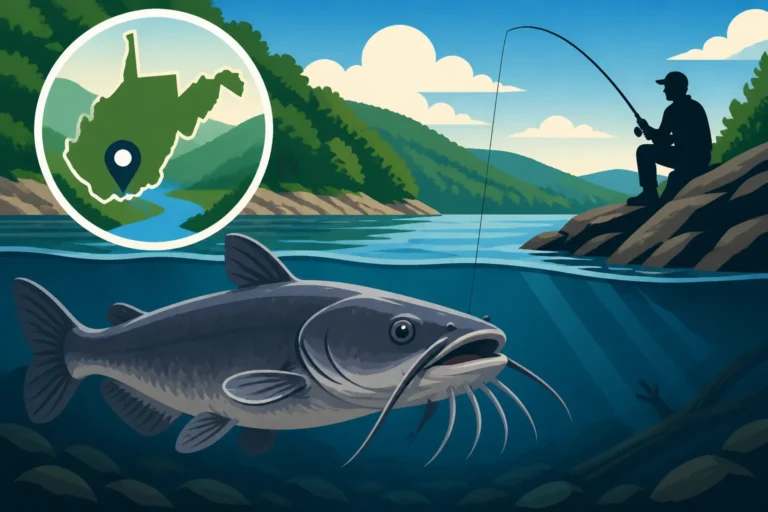
Best shore fishing near Huntington West Virginia
Finding reliable shore fishing spots around a bustling city like Huntington, West Virginia, can feel like searching for a needle in a haystack, especially if you're new to the area or don't have access to a boat. Many anglers face the frustration of driving around, only to find private property signs or inaccessible riverbanks. This comprehensive guide is here to cut through that confusion, providing you with detailed insights into the best public and accessible spots for shore fishing near Huntington, ensuring your next outing is less about searching and more about catching.
Navigating Huntington's Shore Fishing Landscape
Huntington, nestled along the mighty Ohio River, offers a unique blend of urban accessibility and wild fishing potential. However, the sheer size and industrial nature of the Ohio River can make finding suitable shore access a challenge. It's not like walking up to a small pond; you often need designated parks, public boat launches, or specific riverfront areas. The key to successful shore fishing here is knowing where to go and understanding the nuances of river versus lake environments.
The Challenges and Rewards of River Fishing from Shore
The Ohio River is a beast, constantly flowing, changing levels, and presenting a diverse array of habitats for fish. For the shore angler, this means contending with current, often deeper water near the bank, and potentially snags from submerged timber or debris. While it can be intimidating, the rewards are immense. The Ohio is a highly productive fishery, home to robust populations of catfish, sauger, walleye, and various panfish. You might even hook into a hefty hybrid striped bass or a monster flathead catfish.
One of the biggest hurdles is simply getting to the water's edge safely and legally. Many stretches are private or difficult to navigate on foot. This is why focusing on established public access points is crucial. These spots often have parking, clear paths, and sometimes even fishing piers, making your experience much more enjoyable. It's also vital to always be aware of boating traffic, especially near ramps and marinas, and to respect other anglers' space.
Understanding Local Regulations and Safety
Before you even cast a line, you absolutely need to be familiar with the local fishing regulations. West Virginia's fishing rules are designed to protect fish populations and ensure fair sport for everyone. You'll need a valid West Virginia Fishing License Guide for 2026, and depending on what you're targeting or where you're fishing, additional stamps like a Conservation Stamp or a Trout Stamp might be necessary (though less likely for typical Ohio River shore fishing). Always check the latest West Virginia Fishing Regulations Explained summary available from the West Virginia Division of Natural Resources (WV DNR).
Safety is paramount, especially around large bodies of water like the Ohio River. The current can be deceptively strong, and banks can be steep or slippery. Wear appropriate footwear, consider a personal flotation device if you're wading or on a dock, and never fish alone in remote areas. Be mindful of water quality, especially after heavy rains, and always clean up your fishing area, packing out everything you pack in.
Premier Shore Fishing Locations Near Huntington
While the Ohio River defines Huntington's western boundary, there are also excellent lake options nearby that offer fantastic shore fishing opportunities. Let's dive into the specifics of where you can set up your next fishing adventure.
Ohio River Access Points
The Ohio River provides incredible fishing, and there are several spots accessible by foot around Huntington that can put you on some great fish.
Harris Riverfront Park
Located right in downtown Huntington, Harris Riverfront Park is a prime example of urban fishing convenience. This park boasts ample public access along the riverbank, often with paved walkways and grassy areas where you can set up a chair and cast away. It's an excellent spot for families or those looking for an easy, no-fuss fishing experience.
You'll often find anglers here targeting channel catfish and flathead catfish, especially in the evenings when these bottom feeders become more active. Using cut bait, chicken livers, or nightcrawlers on a bottom rig is a popular and effective strategy. During the day, you might pick up sauger, drum, or various panfish near structures like the boat docks or any submerged debris. The convenience of nearby amenities like restrooms and food vendors makes it a comfortable spot for a longer session. Just be mindful of other park users and boating traffic, especially when casting.
Guyandotte River Access (Confluence with Ohio River)
Just east of downtown Huntington, where the Guyandotte River meets the Ohio, you'll find another promising area. Public boat launches in the Guyandotte area often provide adjacent shore access that can be surprisingly productive. The confluence itself creates unique current patterns and eddies that concentrate baitfish, which in turn attract predatory species.
This area is excellent for targeting walleye and sauger, particularly during cooler months. Jigging with minnow-imitating lures or using a classic leadhead jig tipped with a plastic grub can be very effective. Catfish are also abundant here, drawn to the deeper holes and current breaks. For a more adventurous outing, consider scouting the banks of the lower Guyandotte River, which also holds smallmouth bass and panfish closer to the confluence. Remember to check local signage regarding specific fishing rules for the Guyandotte River.
Beech Fork Lake State Park
A short drive south of Huntington, Beech Fork Lake State Park offers a completely different, yet equally rewarding, shore fishing experience. This large impoundment, managed by the U.S. Army Corps of Engineers and the WV DNR, is known for its excellent populations of largemouth bass, crappie, catfish, and various panfish. Unlike the river, Beech Fork Lake features calmer waters, numerous coves, and extensive shoreline access, making it incredibly angler-friendly. You can learn more about this destination in our Beech Fork Lake Fishing Guide.
Main Lake Access and Picnic Areas
Within Beech Fork State Park, you'll find numerous picnic areas and designated access points that hug the shoreline, providing direct access to prime fishing waters. The areas around the marina, boat ramps, and the swimming beach (during off-season or away from swimmers) are particularly popular. These spots often feature gradual slopes, allowing for easy casting and movement along the bank.
Here, you'll want to focus on casting towards submerged timber, weed lines, or rocky points – classic bass and crappie cover. For largemouth bass, try throwing spinnerbaits, crankbaits, or soft plastics like Texas-rigged worms. Crappie anglers will find success with small jigs tipped with minnows or crappie nibblers, suspended under a bobber near brush piles. Catfish also lurk in the deeper sections, especially near the dam or channel edges, readily taking traditional stink baits or cut bait.
The Dam Area
The area near the Beech Fork Lake dam can also be a hotspot, offering deeper water access right from the shore. This structure creates current and drop-offs that attract a variety of species. While access directly on the dam might be restricted, the surrounding areas often provide good fishing opportunities.
This location is particularly good for larger catfish, which tend to congregate in deeper, cooler water. Walleye, though less common than in river systems, can also be found here, especially during cooler water temperatures. Always observe any posted signs regarding access and safety near the dam.
Other Local Ponds and Small Waterways
While the Ohio River and Beech Fork Lake are the big hitters, don't overlook smaller, often quieter, local ponds or sections of creeks that might offer unexpected shore fishing gems. These can be perfect for a quick trip, especially if you're targeting panfish or smaller bass.
Huntington City Parks and Community Ponds
Some local community parks or state-managed public fishing areas might include small ponds. These are typically stocked with trout during specific seasons or hold resident populations of bluegill, sunfish, and small largemouth bass. These spots are fantastic for introducing kids to fishing or for a relaxing afternoon. Often, these ponds will have easy bank access, mowed lawns, and even fishing piers. Always check with the City of Huntington Parks and Recreation or the WV DNR for a list of public fishing ponds and any specific rules, such as catch-and-release only or bait restrictions.
When fishing these smaller waters, ultralight gear with small bobbers, tiny hooks, and live bait like worms or mealworms is usually incredibly effective for panfish. For bass, try small inline spinners, jigs, or soft plastic worms.
| Location | Primary Species (Shore) | Best Baits/Lures | Accessibility Notes |
|---|---|---|---|
| Harris Riverfront Park | Channel Catfish, Flathead Catfish, Sauger, Drum, Panfish | Cut bait, Chicken Livers, Worms, Jigs | Excellent, paved paths, urban park, easy access. |
| Guyandotte River Confluence | Walleye, Sauger, Catfish, Smallmouth Bass | Jigs, Minnow-imitating lures, Cut bait | Good, near boat launches, can be more rugged. |
| Beech Fork Lake (Park) | Largemouth Bass, Crappie, Catfish, Panfish | Spinnerbaits, Jigs, Worms, Minnows, Plastics | Excellent, extensive shoreline, picnic areas, state park. |
| Local Community Ponds | Bluegill, Sunfish, Small Bass, Stocked Trout | Worms, Mealworms, Small Jigs, Inline Spinners | Very easy, often paved, family-friendly, check local rules. |
Targeting Common Species from Shore in the Huntington Area
Knowing what fish are likely to be biting and how to target them effectively can make all the difference when you're limited to shore access. Here's a breakdown of the most common species you'll encounter and some tips for success.
Catfish: The River's Powerhouses
Both the Ohio and Guyandotte rivers are renowned for their abundant catfish populations. You can expect to catch channel catfish, blue catfish, and impressive flathead catfish from shore. These fish are bottom feeders and generally active throughout the day, but often feed more aggressively from dusk through dawn.
To target them effectively from shore, a sturdy medium-heavy to heavy action rod with a strong baitcasting or spinning reel spooled with 20-50 lb monofilament or braided line is essential. A simple bottom rig, consisting of an egg sinker (1-4 oz, depending on current) sliding above a swivel, and a leader (1-2 feet of 30-50 lb test fluorocarbon) tied to a stout circle hook (sizes 2/0-8/0), is your best bet. Popular baits include cut shad, skipjack herring, chicken livers, nightcrawlers, and commercially prepared stink baits. Cast out into deeper channels, current breaks, or around submerged cover and let your bait sit on the bottom. Remember to set your drag properly, as these fish can put up a serious fight! For more in-depth advice, check out our guide on Catfish Fishing in West Virginia. You can also find specific tips in Best Bait for Channel Catfish in Summer.
Bass: Largemouth and Smallmouth
While smallmouth bass dominate clearer, rocky rivers upstream of Huntington, you can still find them in the lower Guyandotte and in certain sections of the Ohio, especially where there's rocky structure. Largemouth bass are the kings of Beech Fork Lake and can also be found in calmer backwaters of the rivers and local ponds.
Largemouth Bass in Lake Environments
At Beech Fork Lake, focus your efforts on areas with visible cover: submerged logs, lily pads, docks, or overhanging trees. Early mornings and late evenings are prime times. Use a medium-heavy spinning or baitcasting setup with 10-17 lb monofilament or fluorocarbon line. Effective lures include spinnerbaits, square-bill crankbaits, Texas-rigged soft plastic worms or creatures, and topwater lures during low light. Cast parallel to the bank and work your lure slowly through and around cover. Check out our Largemouth Bass Fishing in West Virginia guide for more details.
Smallmouth Bass in River Environments
For smallmouth near river access points, look for current seams, eddies, and rocky shorelines. A medium-light to medium power spinning rod with 6-10 lb fluorocarbon or monofilament is ideal. Small crankbaits, tube jigs, spinnerbaits, and soft plastic grubs rigged on a jig head are excellent choices. Cast upstream or across current and retrieve, letting the current work your lure. Smallmouth are aggressive, so a sharp twitch or quick retrieve can often trigger a strike.
Panfish: Bluegill, Crappie, and Sunfish
Panfish are abundant and accessible in almost all shore fishing locations, making them fantastic targets, especially for beginners or those seeking consistent action. Bluegill and other sunfish are prolific in ponds and calmer lake coves, while crappie thrive around submerged brush and timber in lakes like Beech Fork.
For panfish, light tackle is the way to go. An ultralight spinning rod and reel combo with 2-6 lb test line is perfect. Small hooks (size 8-12), a bobber, and a simple bait like a redworm, mealworm, or piece of corn will catch bluegill all day long. For crappie, tiny jigs (1/32 to 1/16 oz) tipped with a small plastic grub or a live minnow, fished under a bobber near brush piles or fallen trees, are incredibly effective. You can find more comprehensive strategies in our Best Techniques for Panfish in West Virginia guide.
Walleye and Sauger: The Elusive Delicacies
These tasty members of the perch family are more common in the Ohio River system, especially near current breaks, deeper channels, and below dams (where accessible from shore). They tend to feed more actively during low light conditions or at night, and during cooler months.
To target walleye and sauger from shore, a medium-light to medium power spinning rod with 6-10 lb fluorocarbon line is recommended. Jigging spoons, blade baits, and leadhead jigs tipped with minnows or soft plastic paddletail grubs are excellent choices. Cast out and let your lure sink to the bottom, then retrieve with a slow, lift-and-drop motion, mimicking an injured baitfish. Patience is key, as these fish can be subtle biters.
Essential Gear and Tactics for Successful Shore Fishing
Shore fishing is all about maximizing your limited mobility and making smart choices with your gear and techniques. You don't have the luxury of moving your boat to find the fish, so you need to bring the right tools to bring the fish to you, or at least tempt them from accessible areas.
The Right Rod and Reel Setup
For general shore fishing in the Huntington area, versatility is key.
- Medium-Heavy Spinning Combo: A 7-foot, medium-heavy power, fast action spinning rod paired with a 3000 or 4000 series reel spooled with 15-20 lb braided line (with a fluorocarbon leader) is a great all-around setup. This will handle most catfish, bass, and larger walleye you might encounter. The braided line offers superior casting distance, sensitivity, and strength for pulling fish out of cover.
- Ultralight Spinning Combo: For panfish and finesse presentations, a 5.5 to 6.5-foot ultralight rod with a 1000 or 2000 series reel spooled with 4-6 lb monofilament or fluorocarbon is perfect. This setup makes even small bluegill a blast to catch and is surprisingly effective for smaller bass too.
Tackle Box Essentials for Bank Anglers
Since you'll be carrying your gear, organization and efficiency are crucial. Consider a tackle bag or backpack rather than a bulky box. Our guide on the Best Tackle Bag for Bank Fishing has some great recommendations.
- Hooks: An assortment of sizes, from small panfish hooks (size 8-12) to larger circle hooks for catfish (2/0-8/0), and offset worm hooks for bass.
- Weights: Various egg sinkers, split shots, and jig heads (1/16 oz to 1 oz) to match different depths and current conditions.
- Floats/Bobbers: Both slip floats and fixed bobbers for suspending baits at various depths.
- Baits: A selection of live bait (nightcrawlers, minnows if legal and accessible), soft plastics (worms, grubs, creature baits), spinnerbaits, and a few crankbaits. For catfish, don't forget your favorite stink bait or cut bait.
- Tools: Pliers, line clippers, a measuring tape, and a small first-aid kit. A small towel for handling fish is also handy.
Tactics for Maximizing Shoreline Coverage
Since you can't move your boat, you need to be smart about how you cover water from a fixed position.
- Fan Casting: From your chosen spot, cast your lure in a fan pattern, starting to your far left, moving incrementally to your right, and then repeating. This ensures you're covering as much water as possible.
- Targeting Structure: Look for any visible structure – fallen trees, rocks, bridge pilings, drop-offs, or changes in current. Fish will often hold tight to these areas. If you can't see structure, imagine where it might be based on the bank topography.
- Varying Depths: Don't just cast out and retrieve at one depth. Try bottom fishing, suspending baits under a bobber, or retrieving lures at different depths in the water column until you find where the fish are holding.
- Utilize Current (Rivers): If fishing the Ohio or Guyandotte, understand how current affects fish behavior. Fish often sit in slower current areas, facing upstream, waiting for food to drift by. Cast upstream of these spots and let your bait drift naturally into the strike zone.
- Observing the Water: Pay attention to any signs of fish activity – baitfish jumping, swirls on the surface, or even bird activity. These can all point to where game fish might be feeding.
Considering Local Insights
Sometimes the best advice comes from local anglers. Don't be shy to strike up a conversation with someone already fishing a spot. They might share valuable tips on current hot baits, specific techniques for that location, or even tell you about another hidden gem. You can also explore options like a guided trip if you're looking for an intensive learning experience on the local waters. Platforms like FishingBooker can connect you with experienced local guides who can teach you the ropes of specific techniques or species, even if you typically prefer shore fishing. They might even offer "learn to fish" trips that focus on accessible spots and techniques.
Before heading out, a quick stop at a local bait and tackle shop is always a good idea. Places like Cabela's in Charleston or smaller local shops around Huntington will not only have the gear you need but also the most up-to-date information on what's biting and where. Sometimes you can even find out West Virginia fishing license vendors near me information from them.
Disclaimer
Always check the current West Virginia fishing regulations before heading out, as rules and conditions can change. Be mindful of private property and respect all local ordinances and fishing etiquette.